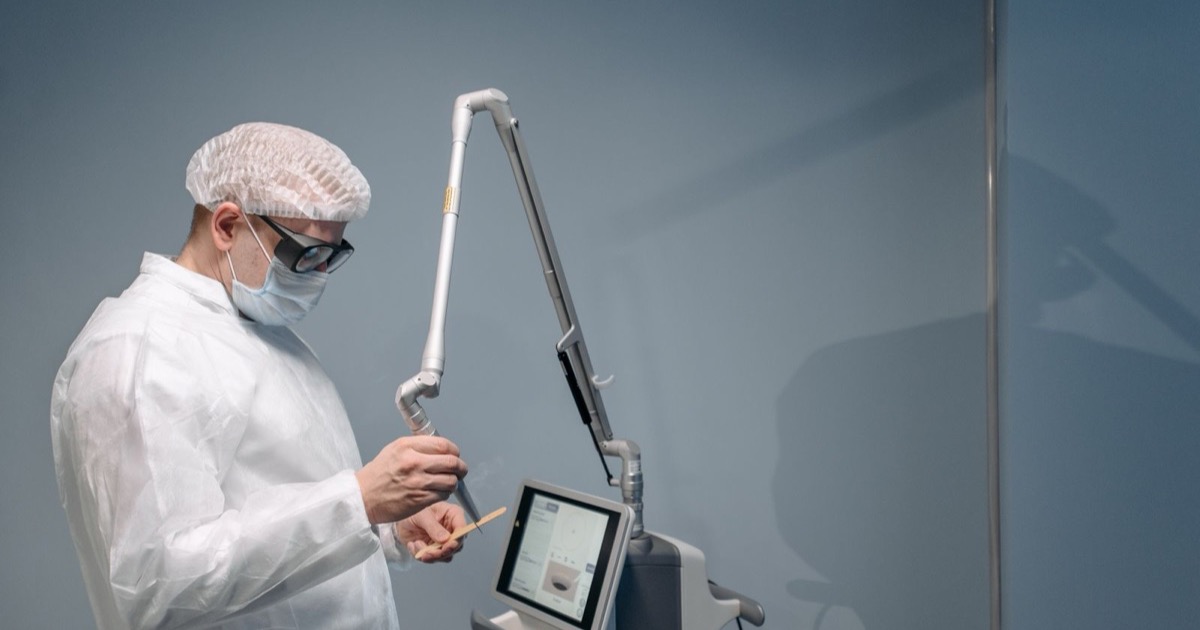

Eye Laser Surgery Kusadasi has become a focal point for travelers who want to combine a Mediterranean getaway with a vision‑correction procedure.
Eye Laser Surgery Kusadasi has become a focal point for travelers who want to combine a Mediterranean getaway with a vision‑correction procedure. The city’s coastal charm, easy access from major European airports, and a growing reputation for medical tourism create a unique environment for patients seeking reliable refractive surgery. While the scenery draws many, the decisive factor remains the balance between clinical excellence and the price tag attached to each treatment.
What factors determine the quality of eye laser surgery in Kusadasi?
Clinical outcomes hinge on the expertise of the operating surgeon and the depth of their training in modern refractive techniques. Surgeons who have completed fellowships abroad or hold certifications from international ophthalmology societies tend to deliver more predictable results, especially when handling complex cases such as high‑myopia or thin corneas. In addition, the volume of procedures performed at a clinic serves as an indirect quality marker; higher case loads usually correlate with refined surgical protocols and smoother post‑operative recovery.
The technology employed in the operating theatre also plays a pivotal role. Facilities that have upgraded to femtosecond lasers, wavefront‑guided platforms, or the newer ReLEx SMILE system can tailor the ablation pattern to each patient’s unique corneal topography. This precision reduces the risk of side effects such as glare or halos and shortens the healing period. Clinics that regularly calibrate their equipment and follow manufacturer maintenance schedules demonstrate a commitment to maintaining high standards of eye laser technology.
Beyond the operating room, patient care pathways—including pre‑operative diagnostics, counseling on PRK vs LASIK options, and structured follow‑up visits—shape the overall experience. Transparent communication about expected vision correction, potential risks, and realistic timelines for visual stability helps set appropriate expectations, which is essential for long‑term satisfaction.
How much does LASIK cost in Kusadasi in 2026 compared to other Turkish cities?
In 2026 the price range for LASIK in Kusadasi typically falls between $1,500 and $2,200 per eye, depending on the chosen technology and the surgeon’s reputation. This figure positions the city slightly below Istanbul’s average, where premium clinics often charge $2,300 to $3,000, while still remaining competitive with Antalya’s market, which hovers around $1,700 to $2,400. The lower end of the spectrum in Kusadasi is usually linked to clinics that bundle pre‑operative exams, post‑operative medication, and a short stay in a nearby hotel, making the package attractive for short‑term visitors.
When evaluating cost, prospective patients should also consider ancillary expenses such as the tourist visa for medical treatment, transportation to the clinic, and any optional upgrades like wavefront analysis. Many Kusadasi ophthalmology clinics offer all‑inclusive quotes that factor in these items, providing a clearer picture of the total investment required for affordable LASIK Turkey.
| City | Typical LASIK Price (USD) per Eye | Technology Commonly Used | Additional Services Included |
|---|---|---|---|
| Kusadasi | $1,500 – $2,200 | Femtosecond, Wavefront‑Guided | Pre‑op diagnostics, post‑op meds, 2‑night hotel stay |
| Istanbul | $2,300 – $3,000 | SMILE, Advanced Wavefront | Premium facility access, extended follow‑up |
| Antalya | $1,700 – $2,400 | Standard LASIK, PRK options | Basic pre‑op work‑up, airport transfer |
Which eye clinics in Kusadasi are accredited and trusted by international patients?
Among the most frequently cited facilities is Ada Göz Eye Center and Surgical Unit, a clinic that has operated since 2006 and holds accreditation from the Turkish Ministry of Health as well as certification from the Joint Commission International (JCI). The center’s multidisciplinary team includes ophthalmologists who have completed training in Europe and the United States, and it regularly publishes patient testimonials that highlight successful vision correction and smooth post‑operative recovery.
Another reputable option is the Kusadasi Vision Institute, which maintains ISO 9001 certification for its quality management system. The institute emphasizes a comprehensive approach: detailed corneal mapping, individualized laser settings, and a structured follow‑up schedule that extends up to six months after surgery. International visitors often praise the institute’s assistance with tourist visa applications and its partnerships with local hotels, simplifying the logistics of medical tourism Turkey eye surgery.
Finally, the Mediterranean Eye Center distinguishes itself through a transparent pricing model and a dedicated patient liaison office that coordinates travel, accommodation, and translation services. Its surgeons regularly present at regional conferences on refractive surgery, reinforcing the clinic’s commitment to staying current with advances such as PRK vs LASIK decision‑making frameworks and emerging eye laser technology.
What qualifications and experience should I look for in a Kusadasi eye surgeon?
When evaluating a surgeon in Kusadasi, the first indicator of reliability is board certification from the Turkish Ophthalmology Association or an equivalent international body. Certification confirms that the doctor has completed a rigorous residency, passed standardized examinations, and adheres to ongoing education requirements. Many leading clinics also list fellowship training in refractive surgery, often completed in Europe or the United States, which signals exposure to the latest procedural protocols.
Beyond credentials, the volume of surgeries performed matters. Surgeons who have completed at least 2,000 LASIK or SMILE procedures typically demonstrate refined technique and a track record of predictable outcomes. Look for clinics that publish their complication rates and patient satisfaction scores; a low retreatment percentage (under 3 %) is a strong sign of consistent quality. In addition, surgeons who regularly present case studies at international conferences stay current with emerging technologies, which can directly influence the laser eye surgery price 2026 you encounter.
Patient testimonials and accreditation from organizations such as JCI (Joint Commission International) add another layer of confidence. Clinics that have earned JCI or ISO certification have passed independent audits covering hygiene, equipment maintenance, and staff training. When these factors align, you are more likely to find the best eye surgeon Kusadasi has to offer, while still benefiting from the affordable LASIK Turkey market.
| Criteria | Top‑Tier Kusadasi Surgeon | Typical Regional Surgeon |
|---|---|---|
| Board Certification | Turkish Ophthalmology Association + International Fellowship | National Board only |
| Refractive Fellowship | US/European Center of Excellence | Domestic program |
| Procedures Performed (LASIK/SMILE) | >2,500 | 500‑1,000 |
| Complication Rate | 1.8 % | 3‑5 % |
| International Accreditations | JCI, ISO 9001 | None or local |
How does the technology used in Kusadasi laser eye centers compare to Western clinics?
Kusadasi ophthalmology clinics have invested heavily in laser platforms that match those found in leading European and North American facilities. Most centers now operate excimer lasers equipped with wavefront‑guided software, allowing customized ablation patterns that address higher‑order aberrations. Femtosecond lasers are also standard, providing bladeless flap creation with micron‑level precision, a feature that reduces postoperative discomfort and improves visual stability.
In addition to the hardware, many clinics integrate real‑time eye‑tracking systems that automatically adjust laser delivery if the eye moves during treatment. This capability mirrors the safety protocols of top Western institutes and helps maintain consistent outcomes across a broad patient demographic. The combination of advanced imaging, such as anterior segment OCT, and electronic medical records ensures that pre‑operative measurements are accurately recorded and easily accessible for follow‑up care.
- Excimer laser platforms (e.g., Allegretto, VisuMax) delivering wavefront‑customized ablations.
- Femtosecond bladeless flap creation for LASIK and SMILE procedures.
- High‑resolution wavefront mapping to detect subtle visual distortions.
- Real‑time eye‑tracking that compensates for micro‑movements during laser delivery.
- Integrated anterior segment OCT for precise corneal thickness assessment.
- Electronic health‑record systems that synchronize pre‑op data with post‑op follow‑up.
- Automated postoperative monitoring apps that alert patients to medication schedules.
What are the typical recovery times and after‑care services for LASIK in Kusadasi?
Most patients experience noticeable visual improvement within 24 hours of the procedure, although full stabilization can take up to three weeks. The first 48 hours are critical for protecting the eyes; surgeons usually prescribe antibiotic and anti‑inflammatory drops, and advise against rubbing or exposing the eyes to dusty environments. By the end of the first week, most daily activities, including light reading and computer work, can be resumed without discomfort.
Follow‑up appointments are generally scheduled at one day, one week, and one month post‑operation. During these visits, clinicians assess corneal healing using slit‑lamp examination and OCT imaging, adjust medication if needed, and address any residual visual fluctuations. Many clinics also offer a complimentary “re‑check” for patients traveling from abroad, allowing them to return home with confidence that the healing process is on track.
For medical tourism Turkey eye surgery patients, several centers provide concierge services that arrange transportation to and from the airport, recommend short‑term accommodations near the clinic, and coordinate translation assistance for follow‑up instructions. This integrated approach helps ensure that the affordable LASIK Turkey experience does not compromise post‑operative support, allowing travelers to enjoy their stay in Kusadasi while their eyes recover safely.
Are there any hidden fees or additional expenses when undergoing laser eye surgery in Turkey?
Most clinics in Kusâdasi publish an all‑inclusive price that covers the core procedure—whether it is LASIK, Femto‑LASIK, PRK or ReLEx SMILE—plus the use of the latest eye laser technology. However, a few items are often billed separately. Pre‑operative diagnostics such as corneal topography, wavefront analysis, and detailed refractive mapping may appear as an extra line item, especially when a patient’s prescription falls outside the standard range. Post‑operative medication, protective eyewear, and any follow‑up visits beyond the initial two‑week window are typically not included in the headline cost.
Travel‑related costs can also create surprise charges. The tourist visa for medical treatment is usually inexpensive, but some embassies require a processing fee that is not reflected in the clinic’s quote. Airport transfers, private shuttle services, and accommodation upgrades are optional, yet many patients choose them for comfort during the post‑operative recovery period. It is advisable to request a detailed breakdown before signing any agreement, so that the total outlay matches expectations.
Patient testimonials frequently highlight that clinics accredited by the Turkish Ministry of Health and international bodies provide transparent billing practices. When a clinic is listed under hospital accreditation Turkey, it must adhere to a standardized pricing structure, which reduces the risk of hidden surcharges. Still, confirming whether the quoted amount includes all mandatory tests, post‑operative care, and any ancillary services will prevent unexpected expenses.
How can I combine my eye surgery with a vacation in Kusadasi safely?
Planning a medical‑tourism itinerary around a refractive surgery appointment requires careful timing. Schedule the procedure early in the stay—ideally on the first or second day—so that the bulk of the recovery window coincides with the remainder of the trip. Most surgeons recommend at least 24 hours of rest before engaging in any strenuous activity, and the first week is crucial for optimal post‑operative recovery. During this period, limit exposure to bright sunlight, dusty environments, and swimming pools, as these can affect vision correction outcomes.
Kusâdasi offers a range of low‑impact attractions that suit a recovering patient. Gentle strolls along the promenade, visits to indoor museums, and short boat rides to nearby islands provide a pleasant backdrop without jeopardizing eye health. Keep a supply of prescribed eye drops and protective sunglasses handy, and avoid activities that could cause accidental eye trauma, such as contact sports or high‑speed water sports, until the surgeon gives the green light.
- Book a hotel with a quiet room on a higher floor to reduce street dust and glare.
- Arrange a private airport transfer that includes a brief rest stop before the clinic appointment.
- Schedule a follow‑up appointment at the clinic before leaving the country; many centers offer a tele‑consultation for the final check‑up.
- Carry a small travel kit containing preservative‑free eye drops, a clean eye mask, and a pair of UV‑blocking glasses.
- Plan meals at restaurants with indoor seating and good ventilation to avoid wind‑borne particles.
- Use a reputable local pharmacy for any additional medication; ask the clinic for a prescription in English.
- Set aside a day after the final follow‑up to relax on a shaded beach, keeping eyes protected with wide‑brimmed hats and sunglasses.
What travel documents and insurance are required for medical tourists undergoing eye surgery in Turkey?
A valid passport with at least six months remaining is the primary entry requirement. Citizens of most European Union countries, the United States, Canada, and Australia can obtain an e‑visa for tourism, which also covers short‑term medical treatment. The e‑visa application asks for the purpose of the visit; selecting “medical tourism” or “treatment” ensures the appropriate visa category and avoids complications at customs.
Medical insurance that includes international coverage is strongly recommended. Some Turkish clinics partner with global insurers and can issue a pre‑authorization letter that details the planned procedure, the estimated cost, and the expected length of stay. This document helps the insurer process claims quickly and may reduce out‑of‑pocket expenses. If a personal policy does not cover elective refractive surgery, consider purchasing a short‑term medical tourism insurance plan that specifically includes eye‑laser procedures.
Finally, bring copies of all relevant medical records: recent eye examinations, prescription glasses or contact lens details, and any previous ocular surgeries. Having these documents in English simplifies communication with the surgeon and ensures that the chosen technique—PRK vs LASIK or another modality—is tailored to the individual’s ocular health. A well‑prepared paperwork set smooths the admission process and allows the focus to remain on a safe, successful vision correction experience.
How do patient reviews and success rates differ among Kusadasi eye laser clinics?
Online platforms and independent medical tourism forums reveal a noticeable spread in patient satisfaction scores across Kusadasi’s eye laser providers. Clinics that publicize detailed before‑and‑after galleries and transparent outcome statistics tend to receive higher ratings, often exceeding four out of five stars. Conversely, facilities that bundle the procedure with unrelated services without clear success metrics usually attract more mixed feedback, with reviewers citing longer healing times or the need for retreatments.
Success rates reported by accredited centers in the region commonly hover between 92 % and 98 % for standard LASIK and up to 99 % for newer ReLEx SMILE protocols. These figures align with global benchmarks, but they can vary depending on the surgeon’s volume of cases, the specific laser platform employed, and the rigor of postoperative follow‑up. Prospective patients should compare both quantitative outcomes and qualitative comments to gauge the consistency of care at each clinic.
What pre‑operative tests are mandatory before LASIK in Kusadasi?
Before any corneal reshaping procedure, clinics in Kusadasi require a comprehensive ophthalmic evaluation. The core battery includes a manifest refraction to determine the exact prescription, corneal topography or tomography to map surface curvature, and pachymetry to measure corneal thickness. These measurements ensure that enough stromal tissue remains after ablation, preserving structural integrity.
Additional assessments often involve a dilated retinal exam, tear film analysis to rule out dry‑eye syndrome, and a wavefront aberrometry scan for patients seeking custom wavefront‑guided treatments. Blood pressure and general health questionnaires are also collected to identify systemic conditions—such as uncontrolled diabetes or autoimmune disorders—that could affect healing. Only after these mandatory tests are cleared will a surgeon outline a personalized treatment plan.
Sources & Further Reading
Frequently Asked Questions
Is LASIK safe for first‑time travelers to Turkey?
Yes, the procedure is considered safe for visitors who choose accredited clinics staffed by surgeons with international training. Most centers follow the same sterilization standards and surgical protocols as hospitals in Western Europe and North America. Travelers should verify that the clinic holds ISO or JCI accreditation and that the surgeon is a member of recognized ophthalmology societies.
How long does the entire laser eye surgery process take, from consultation to final check‑up?
The timeline typically spans three to five days. An initial virtual or in‑person consultation lasts about an hour, followed by a day for pre‑operative testing. The laser procedure itself is quick—usually under fifteen minutes per eye. Post‑operative appointments are scheduled at 24 hours, one week, and one month after surgery, with an optional six‑month review to confirm long‑term stability.
What is the average cost of LASIK per eye in Kusadasi in 2026?
In 2026, the price range for a single eye falls between $1,500 and $2,200, depending on the laser technology, surgeon’s experience, and whether the package includes pre‑ and post‑operative care. Clinics that offer femtosecond‑laser assisted procedures or custom wavefront treatments tend to sit at the higher end of the spectrum.
Are Turkish eye surgeons fluent in English and other languages?
Most surgeons who cater to international patients speak fluent English, and many also communicate in Russian, Arabic, or German. Clinics usually provide multilingual staff at reception and during consultations, ensuring that patients can ask detailed questions and understand consent forms without language barriers.
What type of laser technology is most commonly used in Kusadasi clinics?
Femtosecond lasers paired with excimer lasers dominate the market, especially for creating precise corneal flaps in LASIK. Several centers have also adopted ReLEx SMILE platforms, which use a single femtosecond laser to sculpt a lenticule without a flap. Both technologies are recognized for their accuracy and safety profiles.
Do clinics in Kusadasi offer financing or payment plans for international patients?
Many facilities provide installment options through local banks or partner financial services. Some clinics work with international medical‑tourism agencies that can arrange credit cards, online payment gateways, or short‑term loans, allowing patients to spread the cost over several months.
What should I expect during the post‑operative recovery period in a foreign country?
Recovery is generally swift, with most patients experiencing clear vision within 24 hours. Travelers should plan for at least two nights of accommodation near the clinic to attend the first follow‑up and to monitor any early discomfort. Protective eyewear, lubricating drops, and avoiding swimming or dusty environments for a week are standard recommendations.
How do I verify the accreditation of a Kusadasi eye clinic?
Check the clinic’s website for ISO 13485, JCI, or Turkish Ministry of Health certification numbers. Independent verification can be done through the accreditation body’s online registry. consulting the Turkish Ophthalmology Society’s member directory can confirm that the surgeons hold valid licenses.
Can I schedule a virtual consultation before traveling to Kusadasi for surgery?
Yes, most reputable clinics offer video appointments where patients can discuss medical history, view test results, and receive a preliminary treatment plan. Virtual consultations help streamline the on‑site schedule and give travelers confidence that they are choosing the right provider before booking flights.
When arranging your eye‑laser trip, coordinate the surgery date with a flexible travel itinerary, allow extra time for pre‑operative testing, and keep a copy of all medical documents both digitally and in print. This approach minimizes surprises and maximizes the benefit of high‑quality care available in Kusadasi.
Plan your trip
Book Istanbul attraction tickets
Skip-the-line tickets and guided tours for Istanbul's top sights, with mobile tickets and flexible cancellation.
See tickets on TiqetsWe may earn a commission from bookings made through this link, at no extra cost to you.
Reviewed by our editor for Türkiye & the Eastern Mediterranean
Elif DemirTürkiye & Eastern Mediterranean Editor
Travel writer covering Türkiye and the Eastern Mediterranean, from Istanbul's old city to the Aegean coast.
More articles by Elif Demir →