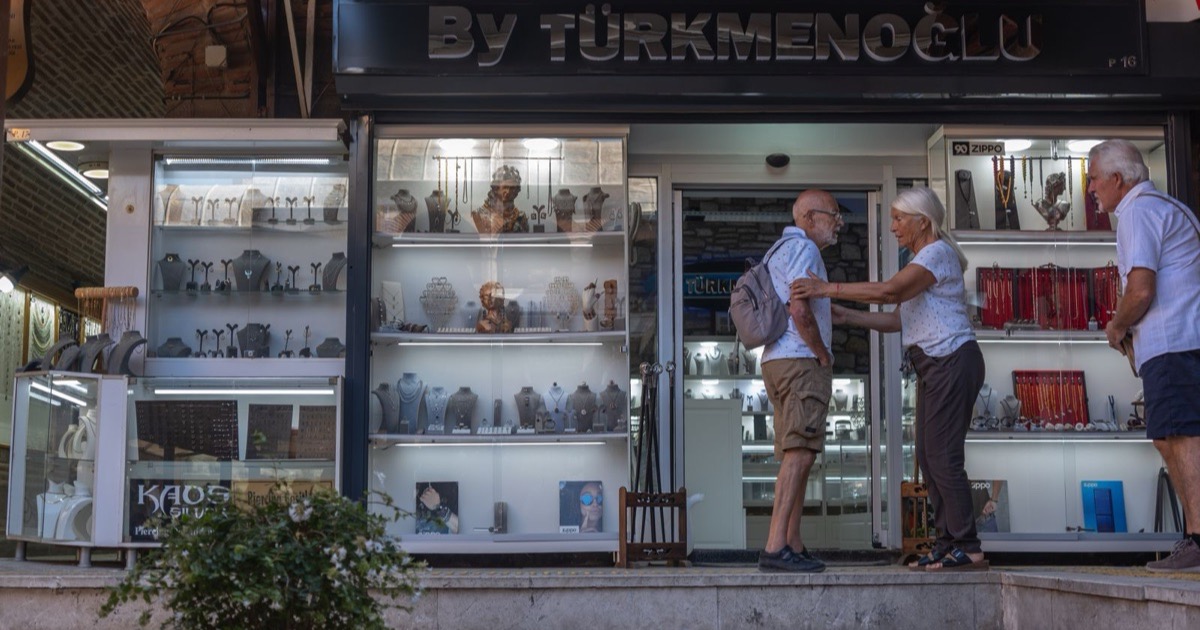

Where to find genuinely handmade jewelry in Kusadasi — local artisans, what to look for, and how to spot quality beyond the tourist stalls.
Travelers who wander the Aegean coast often leave Kusadasi with more than sun‑kissed memories; they bring home a piece of its artistic spirit. The city’s thriving scene of handmade jewelry shops Kusatesi offers creations that blend Ottoman motifs with contemporary flair. From delicate silver filigree to bold gold statements, each item tells a story of local craftsmanship. Exploring these boutiques adds a personal touch to any souvenir collection.
What makes handmade jewelry in Kusadasi unique?
Kusadasi’s artisans draw on centuries‑old techniques that were once reserved for the Ottoman court. Hand‑engraved motifs, such as the tulip and the arabesque, are still meticulously chased into silver and gold sheets, preserving a cultural lineage that few modern factories can replicate. The result is jewelry that feels both historic and fresh, allowing wearers to carry a fragment of Turkish heritage.
Beyond traditional designs, many creators incorporate locally sourced gemstones—especially turquoise, amber, and rose‑quartz—into their pieces. The stones are often set by hand, ensuring each setting is slightly different, which adds an element of individuality. This combination of time‑honored methods and regional materials gives Kusadasi’s handcrafted pieces a character that mass‑produced items lack.
Where can I find authentic artisan jewelry shops in Kusadasi?
The city’s bazaar streets and quiet side alleys host a range of stores catering to different tastes and budgets. For shoppers seeking a curated experience, boutique spaces such as Halikarnas Jewellery showcase fully handmade collections, emphasizing 24‑carat gold and intricate silver work. Meanwhile, Freddy’s Diamond provides a welcoming atmosphere where visitors can view unique designs while receiving personalized assistance from knowledgeable staff.
Travel forums frequently highlight a modest shop run by Aydin, praised for its honesty and transparent pricing. Customers report a relaxed setting where the owner explains the origin of each material, making it an ideal stop for those who value authenticity over flash. Whether you prefer a polished showroom or a homely workshop, Kusadasi’s artisan landscape offers options that suit every style.
| Shop | Specialty | Typical Price Range | Atmosphere |
|---|---|---|---|
| Halikarnas Jewellery | Hand‑crafted 24 carat gold, Ottoman motifs | $$$–$$$$ | Elegant boutique with private viewing rooms |
| Freddy’s Diamond | Custom silver necklaces, gemstone settings | $$–$$$ | Friendly counter service, open layout |
| Aydin Jewellery | Honest pricing, mixed‑metal pieces | $–$$ | Cozy workshop, owner‑led tours |
Which local boutiques offer custom gold pieces in Kusadasi?
For travelers interested in designing their own gold jewelry, a few boutiques stand out. Halikarnas Jewellery not only sells ready‑made collections but also hosts a design desk where clients can sketch ideas and watch goldsmiths bring them to life. Their artisans are adept at translating personal symbols—such as family crests or meaningful dates—into wearable art.
Another notable option is a boutique near the waterfront that specializes in bespoke gold rings and bracelets. The shop’s process begins with a brief consultation, followed by a 3‑D rendering of the proposed piece. Clients appreciate the transparency of seeing a digital model before the metal is melted, ensuring the final product matches their vision.
How do I identify genuine handcrafted jewelry in Kusadasi markets?
First‑hand observation is the most reliable tool. Authentic pieces typically carry a small hallmark indicating the metal purity—24 K for pure gold, 925 for sterling silver, or a specific artisan’s stamp. Look for a consistent, slightly uneven finish; hand‑cut edges and subtle variations in texture are hallmarks of a craftsman’s touch, not a machine‑produced replica.
Weight offers another clue. Hand‑forged gold or silver feels noticeably heavier than a plated item of the same visual size. If a seller cannot provide basic information about the source of the metal or the workshop where the piece was created, treat the item with caution. Reputable local jewelry boutiques in Kusadasi often display certificates or written statements confirming the origin of their materials.
| Feature | Authentic Piece | Mass‑Produced Imitation |
|---|---|---|
| Material marking | Clear hallmark (e.g., 24 K, 925) or artisan’s logo | Absent or vague “gold‑plated” label |
| Weight | Heavier, feels solid | Light, often hollow |
| Craftsmanship details | Visible hand‑cut edges, slight asymmetry | Uniform, perfectly smooth surfaces |
| Price range | Reflects material purity and labor | Significantly lower, discounts advertised |
| Seller transparency | Willing to discuss origin, offers documentation | Reluctant, provides limited information |
What are the most popular jewelry styles among travelers in Kusadasi?
Visitors often gravitate toward designs that echo the city’s historic blend of Ottoman and Mediterranean influences. Turquoise‑set silver pieces remain a favorite, echoing the Aegean sea’s hue. Filigree work, especially delicate silver vines and arabesques, captures the intricate artistry of traditional Turkish metalwork. Contemporary travelers also appreciate minimalist gold bars or geometric pendants that pair easily with modern wardrobes.
Beyond classic motifs, many tourists seek souvenir jewelry that tells a story—such as charms shaped like the ancient ruins of Ephesus or pendants featuring the iconic “Three Graces” motif found in local art. These items serve both as personal keepsakes and conversation starters back home.
- Silver filigree necklaces with Ottoman leaf patterns
- Turquoise or lapis lazuli set earrings reflecting coastal colors
- Handcrafted gold bracelets with simple, modern lines
- Charm pendants depicting Ephesus columns or Pigeon Island silhouettes
- Mixed‑metal cuffs combining copper, silver, and reclaimed bronze
- Pearl‑accented pieces inspired by traditional Turkish bridal jewelry
- Engraved leather bands offered by boutique leather workshops
Are there any off‑the‑radar jewelry workshops worth visiting in Kusadasi?
For travelers eager to witness creation in real time, several low‑profile workshops open their doors to the public. One such studio, operated by a third‑generation goldsmith, specializes in handcrafted gold jewelry Kusadasi residents trust for special occasions. The workshop offers short demonstrations and the chance to commission a custom piece, ensuring each item reflects personal taste and local heritage.
Another modest atelier focuses on silver filigree and enamel work, employing a small team of artisans who learned their craft through apprenticeships. Visitors can observe the delicate wire‑drawing process and even try their hand at basic designs under supervision. The studio’s modest storefront often goes unnoticed by the main tourist flow, providing a quieter environment for genuine interaction.
Finally, a community‑run cooperative near the central bazaar showcases a rotating roster of independent creators. Here, artisan jewelry Kusadasi Turkey is displayed alongside other handcrafted goods such as ceramics and textiles. The cooperative’s emphasis on fair‑trade practices means that a larger portion of each sale returns directly to the maker, making purchases both meaningful and supportive of the local creative economy.
How much should I expect to pay for handmade silver necklaces in Kus a da si?
Handcrafted silver necklaces in Kus a da si fall into several price bands, each reflecting a different blend of material quality, design intricacy, and the reputation of the maker. A simple, 925‑sterling piece with a modest pendant typically starts around 150 Turkish Lira (TRY) and can rise to 300 TRY for a slightly larger chain or a design that incorporates basic engraving. When the necklace features hand‑cut semi‑precious stones such as amethyst, turquoise, or onyx, the price usually moves into the 300‑500 TRY range, because the cost of the gemstones adds to the labor involved in setting them securely.
More elaborate creations—those that combine multiple layers, intricate filigree work, or custom‑shaped motifs—often command prices between 500 TRY and 900 TRY. Artisans who have built a strong following over years, or who work out of established boutiques like Halikarnas Jewellery, may price their signature pieces higher, sometimes exceeding 1,000 TRY, especially when 24‑carat gold plating or rare stones are part of the composition. Seasonal sales or festival promotions can provide a modest discount, typically 5‑10 % off the listed price, but haggling is rarely expected in reputable stores.
When budgeting, consider that most shops accept both cash and card, and many will offer a short receipt that includes the hallmark of the silver. This documentation can be useful for insurance purposes or future resale. Ultimately, the price you pay will align with how much personal connection you feel to the design and the story behind the artisan’s craft.
Can I get personalized jewelry made on the spot in Kus a da si?
Several workshops in the city cater to visitors who want a piece that bears their name, a special date, or a design inspired by a recent travel memory. Most of these studios operate on a semi‑custom model: you choose a base design, discuss modifications with the jeweler, and watch the final touches being applied within a few hours. The process is straightforward, and the result is a wearable souvenir that reflects your individual taste.
Because each piece is crafted by hand, turnaround times vary. Simple alterations—such as adding an initial charm or swapping a stone—can be completed while you enjoy a coffee on the nearby promenade. More complex requests, like redesigning a necklace’s entire layout or incorporating a unique metal alloy, may require a second visit the following day. All participating studios provide a clear estimate before work begins, and most ask for a modest deposit to cover materials.
- Initial design consultation (usually 15‑20 minutes)
- Choice of metal: pure silver, silver‑gold blend, or plated options
- Selection of gemstones or enamel accents
- Engraving of names, dates, or short phrases
- On‑site polishing and quality check before hand‑over
- Optional after‑care kit with cleaning cloth and storage pouch
- Follow‑up service for resizing or minor repairs within 30 days
What are the opening hours of the top jewelry stores in Kus a da si?
The most frequented boutiques tend to follow a consistent schedule that aligns with the city’s commercial rhythm. Most shops open their doors at 10:00 am, giving early visitors ample time to browse before the midday heat. Closing time is generally set at 7:00 pm, allowing shoppers to finish after the typical workday. A few locations, particularly those situated near the waterfront promenade, extend their hours to 8:00 pm during the summer months to accommodate tourists who linger later.
Monday is the common day off for many established stores, though some larger chains keep a reduced schedule—often opening at 12:00 pm and closing at 5:00 pm. Holiday periods, such as the weeks surrounding national celebrations, may see altered hours; most retailers post notices on their windows or social media pages a few days in advance.
| Store | Regular Hours | Summer Extension |
|---|---|---|
| Halikarnas Jewellery | 10:00 am – 7:00 pm (closed Monday) | 10:00 am – 8:00 pm (closed Monday) |
| Freddy’s Diamond | 10:00 am – 7:00 pm (closed Monday) | 10:00 am – 8:00 pm (closed Monday) |
| Kus a da si Leather & Jewellery | 10:00 am – 7:00 pm (closed Monday) | 10:00 am – 8:00 pm (closed Monday) |
| Local Artisan Workshop (Aydin’s Studio) | 11:00 am – 6:00 pm (open Monday) | 11:00 am – 7:00 pm (open Monday) |
Before setting out, it is wise to call ahead or check the store’s online profile for any temporary adjustments, especially during peak tourist seasons or local festivals. This simple step helps ensure you arrive during operating hours and can fully enjoy the selection of handcrafted pieces available.
Which neighborhoods in Kusadasi have the best jewelry shopping streets?
The historic Çarşı district, centered around the bustling market lanes near the waterfront, hosts a concentration of family‑run workshops where goldsmiths display their latest designs. Walking the narrow alleys you’ll encounter stalls that specialize in hand‑carved silver, filigree pieces, and modern gold settings, often displayed behind simple wooden counters.
A short walk inland leads to the Güzelbahçe quarter, an area that has attracted a younger generation of designers. Here the streets are lined with boutique fronts that blend traditional Ottoman motifs with contemporary aesthetics, and several shops offer on‑site customization for visitors who want a personal touch.
How safe is it to purchase handmade jewelry as a tourist in Kusadasi?
Turkey’s consumer protection laws require jewelers to provide a receipt that includes details such as metal purity, weight, and the maker’s name. Reputable shops like Halikarnas Jewellery and Freddy’s Diamond routinely issue certificates of authenticity, which can be useful if you need to claim a warranty or request a refund.
Most transactions are conducted in Turkish Lira, but major credit cards and contactless payments are widely accepted in the larger stores. When bargaining at smaller stalls, it is advisable to ask for a written agreement that outlines the agreed price, materials, and any after‑sale service.
Sources & Further Reading
Frequently Asked Questions
How can I verify the authenticity of handmade jewelry in Kusadasi?
Ask the seller for a gold‑purity certificate or a hallmark stamp that indicates the metal’s karat rating. Reputable artisans will also provide a written receipt that lists the piece’s weight, design details, and the name of the workshop. If you are uncertain, you can take the item to a nearby jewelry association office where experts can perform a quick assay.
What payment methods are accepted at local jewelry shops in Kusadasi?
Most established stores accept cash in Turkish Lira, credit cards (Visa, MasterCard, and increasingly contactless options), and some larger boutiques also welcome foreign currency exchange on the spot. Smaller market stalls may prefer cash, but many have begun to install mobile card readers to accommodate tourists.
Are there any tax refunds for jewelry purchases in Turkey?
Non‑EU visitors can claim a value‑added tax (VAT) refund on purchases over a certain amount, provided the shop participates in the official tax‑free scheme. You will need a tax‑free form signed by the retailer, your passport details, and the original receipt. The form is validated at the airport before departure, and the refund can be issued in cash or credited to a credit card.
Do Kusadasi jewelers provide certificates of gold purity?
Yes, most long‑standing workshops include a purity certificate with every gold item, indicating the exact karat (typically 14K or 22K) and the weight in grams. Shops that specialize in antique or antique‑style pieces, such as Halikarnas Jewellery, also provide documentation that traces the design’s historical inspiration.
Can I negotiate prices at artisan jewelry stalls in Kusadasi?
Bargaining is common in the market areas, especially for items that are not pre‑priced. Approach the negotiation respectfully, and ask if the seller can adjust the price based on the metal weight or the complexity of the design. Remember that a modest discount—often 5‑10 %—is typical, while heavily discounted offers may indicate lower material quality.
What is the typical turnaround time for custom orders in Kusadasi?
Custom pieces usually require between three to seven business days, depending on the design’s intricacy and the availability of materials. Workshops that focus on quick turnaround, such as Freddy’s Diamond, often keep a small inventory of semi‑finished components to speed up production. For more elaborate requests involving intricate filigree or gemstone setting, allow up to two weeks.
Are there any jewelry repair services available near the market?
Several goldsmiths in the Çarşı district offer repair and resizing services on the same day for simple adjustments, such as ring resizing or clasp replacement. Larger boutiques may schedule a short appointment for more complex work, like stone re‑setting, and will provide a written estimate before proceeding.
Which jewelry shops are family‑owned and have been operating for decades?
Stores such as Halikarnas Jewellery, established in the early 1990s, have remained under family management and are known for preserving traditional techniques. Aydin’s Jewelry, mentioned frequently in local reviews, is another multi‑generational shop that emphasizes transparent pricing and personal customer service.
Is it possible to get a warranty on handmade jewelry bought in Kusadasi?
Many reputable jewelers include a limited warranty that covers manufacturing defects for a period ranging from six months to one year. The warranty terms are usually detailed on the receipt and may require the original packaging for any claim. Always ask the seller to clarify what is covered before finalizing the purchase.
Before you leave, double‑check that each item comes with a receipt, purity certificate, and any applicable warranty paperwork; these documents simplify tax‑free refunds and future servicing. With a clear understanding of the local buying practices, you can enjoy the unique craftsmanship of Kusadasi’s jewelry scene without worry.
Plan your trip
Book Istanbul attraction tickets
Skip-the-line tickets and guided tours for Istanbul's top sights, with mobile tickets and flexible cancellation.
See tickets on TiqetsWe may earn a commission from bookings made through this link, at no extra cost to you.
Reviewed by our editor for Türkiye & the Eastern Mediterranean
Elif DemirTürkiye & Eastern Mediterranean Editor
Travel writer covering Türkiye and the Eastern Mediterranean, from Istanbul's old city to the Aegean coast.
More articles by Elif Demir →