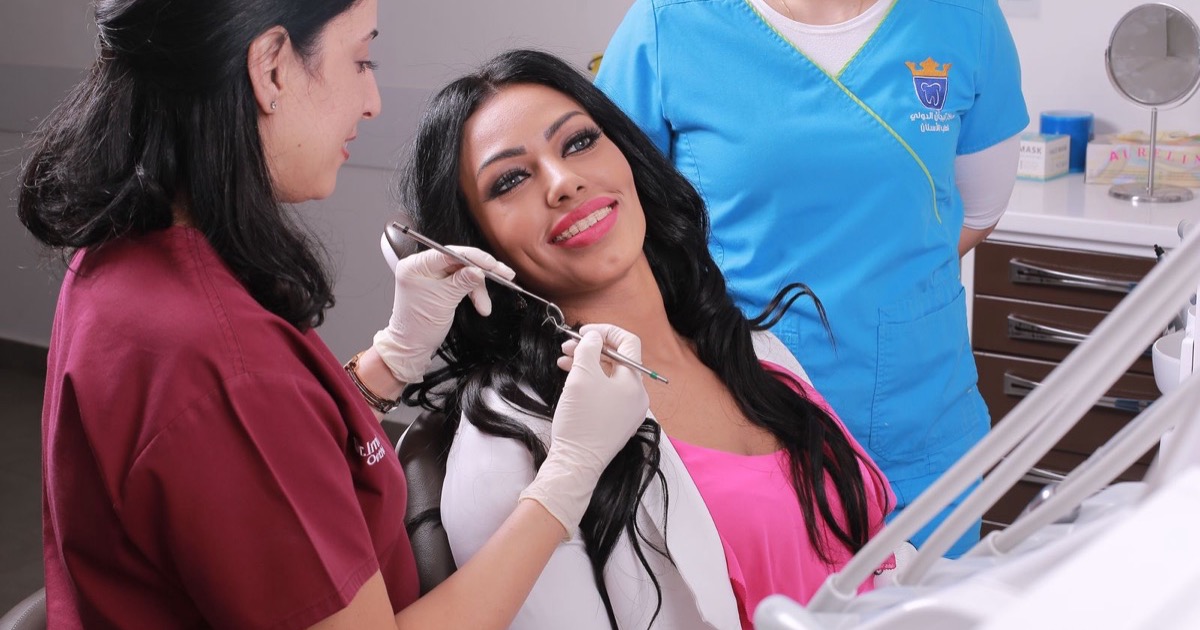

Dental tourism in Turkey has become a practical option for patients seeking a radiant smile without the steep fees of their home markets.
Dental tourism in Turkey has become a practical option for patients seeking a radiant smile without the steep fees of their home markets. In Kusadasi, the full set veneers price often falls well below Western Europe and North America, while the Mediterranean setting adds a pleasant backdrop to the treatment journey. Understanding how costs break down helps travelers balance budget, quality, and convenience. This guide walks you through the key drivers of price, compares implant fees across Turkish cities, and highlights clinics that consistently deliver reliable full mouth veneers.
What factors influence the price of a full set of veneers in Kusadasi?
The material chosen for veneers is the primary cost determinant. Porcelain veneers typically command higher fees than composite alternatives because of their durability and aesthetic match to natural teeth. Within porcelain, options such as lithium disilicate (Emax) or zirconia carry distinct price points, with zirconia often being the most expensive due to its strength and translucency.
Clinic reputation and the dentist’s experience add another layer to the calculation. Practices that hold international accreditations, employ specialists with advanced training, or maintain a high volume of positive patient reviews tend to charge premium rates. Lab fees, which cover the design and fabrication of each veneer, also vary; laboratories that use digital CAD/CAM technology usually charge more but can reduce the overall treatment timeline.
Geographic considerations matter as well. While Kusadasi benefits from lower overhead than Istanbul, the cost of living for staff and the price of imported dental supplies still influence the final quote. Finally, travel-related expenses—airfare, accommodation, and local transport—must be factored into the total outlay, especially when patients opt for an all‑inclusive package that bundles treatment with a short stay.
How do dental implant costs in Kusadasi compare to other Turkish cities?
Implant pricing across Turkey shows a clear regional pattern. Istanbul, as the largest metropolitan hub, often features the highest fees due to higher clinic rents and a concentration of high‑tech facilities. Izmir, located on the same Aegean coast, presents a middle ground with competitive rates and a growing reputation for dental tourism. Antalya, popular for its resort atmosphere, offers slightly lower prices but may include additional tourism‑focused services. Kusadasi sits comfortably between Izmir and Antalya, providing a balance of professional expertise and cost efficiency.
When evaluating a package, consider the number of visits required, the inclusion of surgical guides, and any post‑operative care. Many clinics in Kusadasi structure implant treatment into two visits: an initial consultation and implant placement, followed by a later appointment for the final crown. This two‑visit model can reduce travel days compared with clinics that spread procedures over three or more appointments.
| City | Average cost per implant (USD) | Typical visits | Common inclusions |
|---|---|---|---|
| Istanbul | 1,200 – 1,500 | 3 | Surgical guide, provisional crown, post‑op follow‑up |
| Izmir | 950 – 1,200 | 2‑3 | Implant placement, lab work, basic aftercare |
| Kusadasi | 850 – 1,100 | 2 | Implant surgery, digital imaging, one post‑op check |
| Antalya | 800 – 1,000 | 2‑3 | Implant placement, optional tourism package |
Which clinics in Kusadasi are known for high‑quality full mouth veneers?
Clinics that consistently receive strong patient feedback share several hallmarks. First, they operate in facilities that meet ISO or JCI standards, ensuring sterile environments and systematic quality control. Second, they employ dentists who have completed specialized prosthodontics training abroad or hold certifications from recognized dental boards. Such credentials translate into meticulous shade matching, precise tooth preparation, and careful bonding techniques.
Another indicator of reliability is the use of digital workflow technology. Practices that integrate intra‑oral scanners, 3D printing, and CAD/CAM milling can produce veneers with tighter tolerances and shorter turnaround times. Patients often report higher satisfaction when clinics provide a clear treatment plan, transparent cost breakdown, and a dedicated coordinator to manage travel logistics, accommodation, and any language assistance needed during the stay.
What is included in an all‑inclusive dental tourism package for veneers and implants?
Most reputable clinics in Kuşadası bundle clinical work, pre‑operative imaging, post‑operative medication, and a short stay in a partner hotel into a single price. The arrangement typically begins with a virtual consultation, followed by a detailed treatment plan that outlines the number of crowns, the type of implant system, and the shade matching process for a full mouth veneers transformation. Once you arrive, the clinic schedules a comprehensive oral exam, digital scans or CT imaging, and the surgical or prosthetic procedures over consecutive days.
Beyond the clinical steps, an all‑inclusive dental package in Turkey often covers airport pick‑up, daily transport between the hotel and the clinic, and a designated coordinator who assists with language translation and paperwork. Some providers also add a complimentary follow‑up call after you return home, ensuring that any delayed reactions are addressed promptly. When comparing offers, look for transparency in what is classified as “all‑inclusive” to avoid hidden fees that could affect the overall dental tourism Turkey costs.
| Component | Standard Inclusion | Typical Exclusion | Approx. Cost Range (USD) |
|---|---|---|---|
| Initial virtual consultation | Video call, treatment outline | None | Free‑$150 |
| Diagnostic imaging | Panoramic X‑ray, intra‑oral scans | Advanced CBCT (if required) | $100‑$300 |
| Surgical phase (implants) | Implant placement, bone graft if needed | Custom abutments | $1,200‑$2,500 per arch |
| Prosthetic phase (veneers) | Porcelain or zirconia veneers, try‑in | Premium E‑max material | $800‑$1,600 per arch |
| Accommodation | 3‑night stay in 4‑star hotel | Extra nights, upgrades | $150‑$300 total |
| Transfers & transport | Airport‑hotel‑clinic shuttle | Private car for excursions | $50‑$100 total |
| Post‑operative care | Medication, follow‑up visit | Extended monitoring beyond 2 weeks | Included |
How much should a traveler budget for accommodation and meals while undergoing dental work in Kusadasi?
Accommodation costs in Kuşadaşı vary according to proximity to the beach, hotel star rating, and season. For a dental stay that lasts between four and seven days, most patients opt for a mid‑range hotel that offers a private bathroom, Wi‑Fi, and a breakfast buffet. Prices typically range from $30 to $70 per night, with slight discounts for longer bookings.
Meal expenses are modest because Turkish cuisine provides plentiful affordable options. Breakfast is often included; lunch and dinner can be enjoyed at local tavernas or the hotel restaurant. Expect to spend $10‑$20 per meal if you choose a mix of set menus and à la carte dishes. Adding occasional coffee breaks or soft drinks will raise the daily food budget by another $5‑$10.
- Four‑night stay in a 4‑star hotel: $120‑$280
- Three additional meals per day at local eateries: $30‑$60
- Transportation to restaurants (short taxi rides): $5‑$15
- Optional evening strolls to seaside cafés: $10‑$20
- Travel insurance covering dental complications: $30‑$70
- Contingency fund for unexpected costs: $50‑$100
- Souvenirs or small gifts for the clinic staff: $20‑$40
What are the typical travel expenses such as flights and transfers for dental tourists heading to Kusadasi?
International flights to Turkey are the largest single expense for most patients. Round‑trip fares from North America or Europe to Izmir Adnan Menderes Airport usually fall between $600 and $1,200, depending on the carrier, booking window, and travel season. Direct connections are limited, so many travelers book a single layover in a major hub such as Istanbul.
Upon arrival, the most common transfer option is a pre‑arranged shuttle provided by the dental clinic or a local travel agency. These shuttles run on a fixed schedule and cost between $30 and $60 per person for a round‑trip airport‑hotel‑clinic circuit. If you prefer a private vehicle, a taxi ride from Izmir Airport to the center of Kuşadaşı typically ranges from $45 to $80, with the journey lasting 45‑60 minutes.
For patients planning to explore the surrounding region after treatment, day‑trip tours to Ephesus or the Aegean coast can be added for $40‑$90 per person. These excursions are optional but can be coordinated through the same service that handles the airport transfer, ensuring a smooth experience without additional logistical headaches.
How can patients verify the credentials and safety standards of Kusadasi dental clinics?
Begin by checking the clinic’s registration with the Turkish Ministry of Health. A valid license number can be confirmed on the official portal, where the status of the facility and any disciplinary actions are listed. Accredited clinics often display their certification from international bodies such as the International Organization for Standardization (ISO) or the European Federation of Periodontology, and these references can be cross‑checked on the issuing organization’s website.
Next, examine the professional background of the treating dentists. Most reputable practitioners hold degrees from Turkish dental schools that are recognized by the European Union, and many have completed postgraduate training abroad. Their names should appear in the Turkish Dental Association’s registry, which provides details on specialties, years of experience, and any continuing‑education credits. Requesting copies of recent audit reports or patient‑safety protocols—such as sterilization procedures, infection‑control checklists, and emergency response plans—adds another layer of assurance.
What post‑treatment care and follow‑up services are offered to international patients in Kusadasi?
After the surgical phase, clinics typically arrange a structured after‑care program that includes both in‑clinic visits and remote support. The first follow‑up appointment is scheduled within 48‑72 hours to assess wound healing, remove sutures if necessary, and address any immediate discomfort. Subsequent visits occur at one week, one month, and three months, allowing the dentist to monitor osseointegration for implants or the integrity of veneer bonding.
For patients who have returned home, many clinics provide a dedicated liaison who coordinates tele‑consultations via secure video calls. This service covers pain‑management advice, dietary recommendations, and guidance on oral‑hygiene products that are compatible with the new restorations. Some providers also ship a starter kit containing a soft‑bristle brush, fluoride‑free toothpaste, and a custom‑fit night guard to protect the work during sleep.
- Emergency hotline reachable 24 hours a day for urgent complications.
- Digital imaging review portal where patients can upload post‑procedure photos for professional assessment.
- Scheduled professional cleaning at the clinic before the patient departs the country.
- Extended warranty on implants and veneers, typically covering material failure for up to five years.
- Access to a multilingual patient‑education portal with videos on post‑operative care.
- Option to arrange a brief return visit within six months at a reduced rate.
- Coordination with the patient’s local dentist to ensure continuity of care.
Are there financing or payment options available for full mouth dental work in Turkey?
Many clinics in Kusadasi partner with international financing companies that specialize in medical tourism. These firms offer installment plans with fixed interest rates, allowing patients to spread the cost of a full mouth reconstruction over 12 to 24 months. Approval is often granted online after submission of a brief credit questionnaire, and the funds are transferred directly to the clinic once the treatment plan is accepted.
In addition to third‑party financing, several clinics accept major credit cards and provide a discount for upfront cash payments. Some providers also negotiate bundled packages that include the dental procedures, accommodation, and airport transfers; the total price is presented as an all‑inclusive figure, which simplifies budgeting for travelers. For patients with private health insurance that covers overseas treatment, it is advisable to obtain a pre‑authorization letter detailing the planned procedures, as many insurers require this documentation before releasing reimbursement.
How do currency exchange rates affect the final cost for dental tourists in Kusadasi?
When you pay for a dental package in Turkish lira, the amount you actually spend in your home currency can shift dramatically within a few weeks. A stronger euro or US dollar reduces the out‑of‑pocket price, while a weakening of those currencies can add several hundred dollars to the bill. Most clinics provide a quoted price in lira and then suggest a conversion based on the rate at the time of booking; however, the final settlement often occurs after the procedure, when the exchange rate may have moved.
To keep the budget predictable, many travelers lock in the rate through a forward contract offered by some banks or use a credit card that guarantees the rate on the transaction date. It is also wise to monitor the market for a week or two before confirming the appointment, as even a 2‑3 % swing can change a €3,500 package by €100–€150. Accounting for a small buffer in the travel budget helps avoid surprise shortfalls.
What are the common risks and how can they be minimized when getting implants abroad?
Implant surgery carries typical dental risks such as infection, nerve irritation, or implant failure, and these risks are not eliminated by geography. In addition, language barriers, differing regulatory standards, and limited post‑operative follow‑up can amplify complications for international patients. Choosing a clinic accredited by recognized bodies, confirming that the surgeon holds a valid Turkish dental license, and requesting a detailed treatment plan written in English are essential first steps.
After the procedure, patients should arrange a local dentist for the first two weeks of healing, especially if any swelling or pain persists. Maintaining strict oral hygiene, following the prescribed medication schedule, and avoiding heavy physical activity for at least 48 hours further reduce the chance of infection. Finally, documenting the procedure with photos and written notes makes any future consultations—whether back home or in another country—more straightforward.
Sources & Further Reading
Frequently Asked Questions
What is the average cost of a full set of veneers in Kusadasi?
In 2026, most clinics list a full set of porcelain veneers between 15,000 and 22,000 Turkish lira, which translates to roughly €750–€1,100 or $800–$1,200 depending on the current exchange rate. Prices vary with the material chosen—e‑max and zirconia command the higher end—while basic composite veneers are priced lower. The quoted fee generally includes the veneers, initial consultation, and a short follow‑up visit.
Do I need a local dentist for a follow‑up after getting implants in Turkey?
It is highly recommended to schedule a brief check‑in with a dentist in your home country within the first week after returning. This professional can verify the healing progress, address any early signs of infection, and coordinate any necessary adjustments. Many Turkish clinics provide a post‑treatment report that can be shared with your local practitioner, making the hand‑over smoother.
Can I combine my dental treatment with a vacation in Kusadasi?
Yes, most patients plan a short stay of four to seven days, which allows time for the initial surgery, a day of rest, and a final appointment to assess the outcome. Kusadasi offers a range of hotels near the waterfront, and the city’s compact layout makes it easy to enjoy beaches, the ancient market, and a day trip to Ephesus between appointments. Scheduling leisure activities after the first 24‑hour recovery period helps avoid discomfort.
What documentation is required to travel to Turkey for dental tourism?
Travelers need a valid passport, a visa or e‑visa if required for their nationality, and proof of sufficient funds for the treatment and stay. Some clinics ask for a copy of the treatment plan and a signed consent form before arrival. Carrying a copy of your dental records, including X‑rays, assists the Turkish surgeon in confirming the diagnosis and treatment approach.
How safe are the dental clinics in Kusadasi for foreign patients?
Safety standards in Kusadasi’s larger dental centers align with European guidelines, and many clinics hold accreditation from international organizations such as ISO or the Turkish Dental Association. Clinics that display transparent pricing, detailed treatment protocols, and multilingual staff tend to have higher patient satisfaction scores. Reading recent patient reviews and confirming that the facility uses sterile, single‑use instruments are practical safety checks.
What payment methods are accepted by dental clinics in Turkey?
Most clinics accept cash in Turkish lira, major credit cards (Visa, MasterCard), and increasingly, secure online payment platforms. Some providers also offer installment plans through local banks, which can be arranged before you arrive. When using a credit card, verify that your issuer does not charge foreign transaction fees, as these can add 2‑3 % to the total cost.
Is travel insurance necessary for dental procedures abroad?
Travel insurance that includes medical coverage is advisable, but many standard policies exclude elective dental work. Look for a plan that offers a specific dental tourism rider or purchase a separate dental travel insurance product. Such coverage can reimburse you for complications that require additional treatment after you leave Turkey, providing financial peace of mind.
How long does it take to heal after getting a full set of implants?
Initial bone integration, known as osseointegration, typically requires three to six months before the final prosthetic crown is placed. During this period, patients should follow a soft‑food diet, avoid smoking, and keep the surgical site clean. Most people report feeling comfortable enough to resume normal activities within a week, but full functional loading of the implants should wait until the dentist confirms successful integration.
Are there any hidden fees I should watch out for in dental packages?
Transparent clinics list the cost of the prosthetic components, surgery, and a limited number of follow‑up visits. Hidden expenses can arise from extra imaging, anesthesia upgrades, or laboratory fees for custom crowns. Ask for an itemized quote that separates the core treatment from optional services, and confirm whether the price includes airport transfers or accommodation discounts.
What language support is provided for international patients in Kusadasi clinics?
Many dental centers employ English‑speaking coordinators who handle appointments, consent forms, and post‑treatment instructions. Some clinics also offer translation services in other major languages such as German, French, or Russian upon request. It is prudent to confirm the availability of an English‑fluent staff member before booking, ensuring clear communication throughout the process.
Plan your itinerary so that the dental appointments fit comfortably within your travel schedule, and keep a copy of all medical documents both digitally and in print. By budgeting for currency fluctuations, confirming safety credentials, and arranging a local follow‑up, you can enjoy a confident smile and a relaxing stay in Kusadasi.
Plan your trip
Book Istanbul attraction tickets
Skip-the-line tickets and guided tours for Istanbul's top sights, with mobile tickets and flexible cancellation.
See tickets on TiqetsWe may earn a commission from bookings made through this link, at no extra cost to you.
Reviewed by our editor for Türkiye & the Eastern Mediterranean
Elif DemirTürkiye & Eastern Mediterranean Editor
Travel writer covering Türkiye and the Eastern Mediterranean, from Istanbul's old city to the Aegean coast.
More articles by Elif Demir →