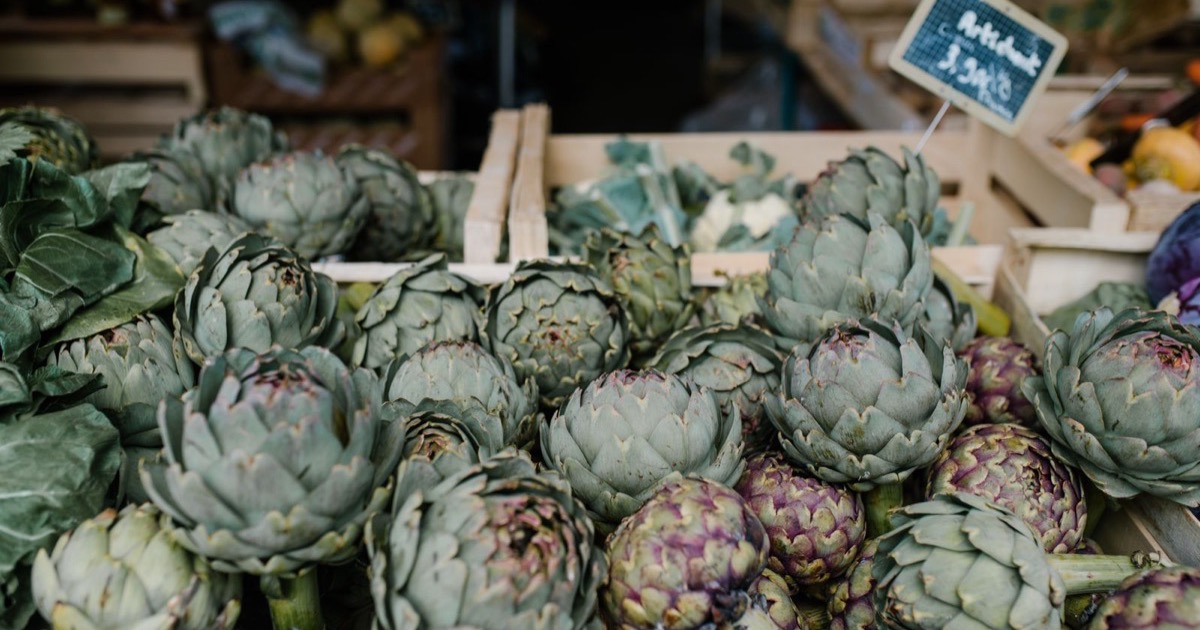

Paris is a city where every corner smells of fresh baguettes, ripe fruit, and salty brine, and the best way to taste that mix is by wandering its authentic food…
Paris is a city where every corner smells of fresh baguettes, ripe fruit, and salty brine, and the best way to taste that mix is by wandering its authentic food markets Paris has to offer. From centuries‑old covered halls to lively street stalls, each market tells a story of neighborhood traditions and seasonal bounty. This guide highlights the places that give you the most genuine market experience, perfect for travelers who want to eat like a local.
Which Parisian food markets offer the most authentic local flavors?
Among the many marchés in the city, the Marché d'Aligre in the 12th arrondissement stands out for its raw, everyday character. Open daily except Monday, it blends a traditional fresh‑produce market with a vibrant flea‑market section, allowing visitors to sample everything from crisp apples to artisanal olives while watching locals haggle over prices. The market’s layout encourages slow strolling, giving you time to chat with vendors who often share recipes passed down through generations.
Another cornerstone is the Marché des Enfants Rouges in the Marais, the oldest covered market in Paris, dating back to 1615. Though smaller than its open‑air counterparts, it packs a punch with its diverse food stalls, ranging from Moroccan tagines to Japanese bento boxes. The market’s historic iron framework creates an intimate setting where you can watch chefs prepare dishes right in front of you, providing a direct link to the culinary heritage of the neighborhood.
For a taste of the north‑eastern quarter, the Marché Saint-Quentin offers a blend of classic French fare and international influences. Its long aisles are lined with stalls selling everything from freshly shucked oysters to imported spices. The market’s operating hours—open Tuesday to Sunday, mornings until early afternoon—make it an ideal stop before heading to the nearby Canal Saint-Martin for a leisurely walk.
Where can I find fresh cheese and charcuterie in Paris markets?
The cheese lovers’ pilgrimage begins at the Marché Raspail, a covered market in the 7th arrondissement known for its high‑quality dairy selections. Here, you’ll encounter stallholders who source their products from small farms across Normandy and Auvergne, offering varieties such as Camembert, Comté, and the pungent Roquefort. Many vendors will slice cheese to order, allowing you to pair it with a crusty baguette from the adjacent bakery.
Charcuterie enthusiasts should head to the Marché de la Porte de Montreuil, a large open‑air market on the eastern edge of the city. Its meat stalls display an array of cured delights—saucisson sec, jambon de Bayonne, and pâté de campagne—each prepared using traditional methods that have changed little over decades. The market’s weekend schedule, with a focus on Saturday mornings, gives you ample time to explore the surrounding stalls for fresh herbs and seasonal vegetables to complement your selections.
| Market | Cheese Highlights | Charcuterie Highlights | Opening Days |
|---|---|---|---|
| Marché Raspail | Camembert, Comté, Roquefort | Limited; specialty stalls on weekends | Tuesday–Saturday (morning) |
| Marché de la Porte de Montreuil | Local farm cheeses (varies) | Saucisson sec, jambon de Bayonne, pâté de campagne | Saturday & Sunday (morning) |
| Marché des Enfants Rouges | Artisan goat cheese, brie | Small selection of cured meats | Daily (morning) |
What are the best open‑air markets for seasonal produce in Paris?
The Marché Bastille, located on the edge of the 12th arrondissement, is renowned for its abundant selection of fruit and vegetables that reflect the changing seasons. In spring, stalls overflow with strawberries, asparagus, and fresh peas; summer brings tomatoes, zucchini, and melons; autumn offers pumpkins, apples, and mushrooms; while winter sees a focus on root vegetables and citrus. The market’s size and central location make it easy to combine a produce run with a visit to nearby cafés.
Further west, the Marché de la Rue Cler in the 7th arrondissement offers a more intimate experience, with vendors often displaying produce sourced directly from local farms. The market’s narrow streets are lined with colorful stalls selling heirloom carrots, heirloom tomatoes, and fragrant herbs, providing a vivid snapshot of Parisian culinary cycles. Its proximity to several reputable bakeries also means you can pick up fresh baguettes to accompany your purchases.
Finally, the Marché Saxe‑Breteuil, tucked away near the Bois de Boulogne, delivers a refined selection of organic and sustainably grown items. The market’s emphasis on eco‑friendly practices attracts shoppers who value transparency about farming methods. Seasonal specialties such as late‑summer figs, early‑autumn chestnuts, and winter kale are highlighted with signage that explains their origins, making it a great educational stop for food‑curious travelers.
Which covered markets in Paris are popular with locals?
Covered markets offer a climate‑controlled sanctuary where Parisians shop for fresh produce, artisanal cheese, and ready‑to‑eat specialties. Unlike the tourist‑heavy open air stalls, these halls retain a rhythm dictated by neighborhood routines, making them ideal stops for an authentic Paris market experience in 2026. Below are three venues that consistently appear in the Paris food markets guide and are praised by locals for quality, variety, and atmosphere.
Le Marché des Enfants Rouges, nestled in the Marais, is the city’s oldest covered market. Its 160‑year‑old iron structure houses a mix of traditional French counters—such as a charcuterie stall offering dry‑cured jambon de Bayonne—and international food trucks serving Moroccan tagine or Japanese bento. The market’s compact layout encourages lingering, and the surrounding streets are lined with cafés where you can enjoy your purchase on the spot.
Another favorite is the Marché Saint‑Quentin near the 10th arrondissement’s Canal Saint‑Martin. This expansive hall is divided into sections: a fish market with daily catches from the Atlantic, a bakery corridor showcasing crusty baguettes and pain aux raisins, and a dedicated area for organic produce. The market’s central location makes it a convenient stop for commuters who need quick, high‑quality ingredients before heading to work.
For a more eclectic vibe, the Marché d’Aligre in the 12th arrondissement blends a covered section with an adjoining open‑air market. Inside, you’ll find a vibrant cheese gallery featuring regional varieties like Camembert de Normandie and a stall specializing in freshly made falafel. The surrounding flea market adds an extra layer of local color, allowing shoppers to transition from food to vintage finds without leaving the neighborhood.
| Market | Neighborhood | Signature Products | Opening Days / Hours | Local Vibe |
|---|---|---|---|---|
| Le Marché des Enfants Rouges | Le Marais (3ᵉ) | Organic salads, Moroccan street food, artisanal cheese | Mon‑Sat 8 am‑2 pm (closed Sun) | Intimate, historic, mixed‑culture |
| Marché Saint‑Quentin | Canal Saint‑Martin (10ᵉ) | Fresh fish, bakery selections, organic produce | Mon‑Sat 7 am‑8 pm (closed Sun) | Spacious, commuter‑friendly, contemporary |
| Marché d’Aligre (covered section) | Bercy (12ᵉ) | Cheese gallery, falafel, seasonal fruits | Tue‑Sat 7 am‑2 pm (closed Mon & Sun) | Eclectic, lively, market‑plus‑flea‑market |
How do I navigate the market stalls to avoid tourist traps?
Paris street food stalls and market vendors can be overwhelming, especially when the same stalls appear on every travel blog. A practical approach is to treat each market like a neighborhood you’re exploring for the first time: observe, ask, and move deliberately. By focusing on stall presentation, price transparency, and local patronage, you can sidestep overpriced gimmicks and discover genuine flavors.
Most locals rely on subtle cues—such as the length of a queue, the freshness of displayed goods, and the language used on signage—to gauge authenticity. When a stall’s prices seem inflated compared to neighboring vendors, it’s often a sign that the offering is aimed at tourists rather than residents. Engaging the vendor in a brief conversation about the origin of the product can also reveal whether they source locally or import for novelty.
- Observe the crowd: stalls with a steady line of French speakers usually serve quality at reasonable prices.
- Check the display: products that are neatly wrapped, clearly labeled with origin, and stored at appropriate temperatures indicate professional handling.
- Ask for a tasting: many cheese and charcuterie vendors will offer a small sample; a willingness to share suggests confidence in the product.
- Compare prices on the spot: pull out your phone’s calculator and note the cost per kilogram or per piece; a large discrepancy signals a possible tourist premium.
- Look for seasonal items: stalls that adapt their inventory to the calendar—such as strawberries in June or chestnuts in October—are more likely to be serving locals.
- Prefer cash transactions: some stalls discount slightly for cash, reflecting the traditional market habit among Parisian shoppers.
- Follow the locals: if you see a family returning to the same stall daily, it’s a strong endorsement of quality and fair pricing.
When are Paris food markets open and what are their peak hours?
Most open air markets Paris operate on a weekly schedule that rotates by district, while covered markets tend to have longer daily hours. In 2026, the majority of markets open between 7 am and 9 am, allowing vendors to set up fresh produce before the commuter rush. Peak shopping times usually occur from 9 am to 11 am, when locals grab breakfast items, coffee, and fresh fruit before heading to work.
Afternoon traffic spikes around 4 pm to 6 pm, particularly at markets that feature ready‑to‑eat stalls. This window attracts office workers looking for a quick dinner or a snack on the way home. However, some markets, such as the Marché Bastille, extend into the evening on weekends, offering a lively atmosphere with live music and additional street food vendors.
For travelers aiming to avoid crowds, the sweet spot is the first hour after opening or the last half‑hour before closing. Early visits give you first pick of the day’s best produce, while late visits often feature discounted items as vendors clear remaining stock. Checking each market’s official schedule—many of which post updates on social media—ensures you arrive during operating days and avoid unexpected closures.
What transportation options are best for reaching Paris’s food markets?
Most of the city’s open‑air markets sit within easy reach of the Metro network. Lines 2, 4, 5, 7 and 9 intersect neighborhoods where the biggest food halls are located, and a quick stop at stations such as Aligre, Porte de Clignancourt or Saint‑Germain‑des‑Prés serves the surrounding stalls. The Metro runs from 5:30 am to about 1 am, with extended service on Fridays and Saturdays, making it reliable for early‑morning cheese runs or late‑afternoon pastry pickups.
For travelers who prefer surface travel, the RATP bus system offers routes that pass directly by market squares; the 57, 68 and 96 lines, for example, stop at the Marché d’Aligre and the Marché des Enfants Rouges. Bicycles from the city’s Vélib’ + system are another convenient choice—most market streets have dedicated bike lanes, and docking stations are typically found a short walk from the entrance.
If you’re staying near a major hub, consider the RER suburban trains; the RER C stops at Saint‑Michel‑Notre‑Dame, a short walk from the historic market on Rue Mouffetard. Combining a Metro ride with a brief walk often saves time compared with driving, where parking can be scarce and expensive.
Which neighborhoods host less‑touristy food markets in Paris?
Beyond the well‑known central markets, several arrondissements preserve a neighborhood‑scale atmosphere where locals shop daily. These districts tend to have a tighter community feel, and the stalls often feature producers who have been supplying the area for generations. Exploring these areas gives you a sense of everyday Parisian life, away from the main tourist corridors.
Each quarter offers its own specialty: some focus on organic produce, others on artisanal breads or regional cheeses. Visiting a few of them during a single day is feasible thanks to the compact layout of the city and the efficient public‑transport links.
- Belleville – home to the Marché de Belleville, known for multicultural ingredients and fresh Asian produce.
- Canal Saint‑Martin – the Marché Saint‑Martin offers a relaxed vibe with a strong emphasis on seasonal vegetables and local bakeries.
- Montparnasse – the Marché Raspail provides a mix of organic stalls and a well‑curated cheese selection.
- Saint‑Germain‑lès‑Arpajon – a short RER ride away, this market is praised for its farm‑direct fruit and vegetable offerings.
- Menilmontant – the Marché de la Rue de la Roquette showcases small‑scale producers and an ever‑changing selection of herbs.
- Batignolles – the Marché Batignolles combines a farmer’s market feel with a selection of artisanal charcuterie.
- Butte‑aux‑Cailles – the Marché de la Butte‑aux‑Cailles is a neighborhood favorite for its fresh seafood and local pastries.
What tips help me shop like a Parisian at the markets?
Arrive early, preferably before 9 am, when vendors have just set out their freshest goods and the lines are shortest. Bring a reusable tote or canvas bag; many stall owners prefer customers who come prepared, and it speeds up the transaction.
Cash remains the preferred payment method for many small stalls, so keep a modest amount of euros on hand. If you use a card, make sure it is contact‑less, as some vendors have limited card‑reading equipment.
Learn a few key French phrases: “Bonjour,” “Je voudrais…,” “C’est combien?” and “Merci” go a long way toward building rapport. Don’t be shy about asking the seller for a sample—tasting a cheese or a slice of baguette is customary and often encouraged.
How can I sample street food safely at Paris markets?
When you approach a stall, look for vendors who keep their displays covered and refrigerated, especially for items like seafood, charcuterie, and dairy. Freshness is often signaled by clear labeling of the preparation date and by the presence of a clean work surface; vendors who wash their hands visibly and use gloves demonstrate basic hygiene practices.
Choose foods that are cooked or heated in front of you, such as crêpes, grilled kebabs, or falafel. The high temperature kills most bacteria, and you can watch the cooking process to gauge quality. If you have dietary sensitivities, ask the seller about ingredients; most market traders speak enough English to explain allergens, and many carry small cards with common allergen information.
What sustainable and organic vendors can I find in Paris markets?
Several open‑air markets now host dedicated organic sections where farmers display produce certified by French or EU organic standards. Look for stalls marked with the green leaf symbol; these vendors typically source from nearby farms that practice reduced pesticide use and respect biodiversity.
In addition to produce, you’ll encounter sustainable meat and dairy sellers who prioritize humane animal husbandry and minimal packaging. Some cheese stalls offer wheels wrapped in reusable cloth, and a few fish vendors sell only line‑caught species, reducing by‑catch impact. Supporting these stalls not only gives you cleaner food but also helps maintain environmentally responsible practices within the city.
Sources & Further Reading
Frequently Asked Questions
Do Paris food markets accept credit cards?
Most larger markets have at least one stall equipped with a card terminal, but many smaller vendors still prefer cash. It’s wise to carry a modest amount of euros for quick purchases, while also having a contactless card for stalls that display the payment symbols. If you’re unsure, a quick glance at the vendor’s sign or a polite question will clarify the accepted methods.
What is the best time of day to visit a Paris market for fresh produce?
Early morning, typically between 7 am and 9 am, offers the freshest selection as farmers bring in their goods straight from the fields. By mid‑morning, the most prized items may be gone, but the atmosphere becomes livelier and you can still find quality staples at lower prices. Planning your visit according to your priorities—freshness versus atmosphere—will give you the best experience.
Are there markets that are wheelchair accessible in Paris?
Several major markets, such as the covered halls of Marché des Enfants Rouges and the spacious layout of Marché d'Aligre, provide smooth pathways and ramps. While most outdoor markets have uneven cobblestones, many have designated entry points with temporary ramps during the summer months. Checking the market’s official website or contacting the local mairie can confirm the current accessibility features.
Can I find gluten‑free or vegan options at Paris food markets?
Yes, many stalls now label their products for common dietary restrictions. Vegan cheese, plant‑based pastries, and gluten‑free breads are increasingly common, especially in markets that cater to a health‑focused clientele. Asking the vendor directly is the fastest way to verify ingredients, and many sellers carry small flyers outlining their allergen‑free offerings.
How much should I expect to spend on a typical market meal in Paris?
A casual market meal—such as a freshly made crêpe, a portion of grilled fish, or a cheese plate with baguette—usually costs between 8 € and 15 €. Prices vary by neighborhood and the seasonality of ingredients; markets in central arrondissements may be slightly pricier than those in outer districts. Budgeting around 12 € per person will comfortably cover a satisfying lunch.
Is it customary to haggle over prices at Parisian markets?
Negotiating is uncommon for most food stalls, as prices are generally fixed and reflect the vendor’s costs. However, if you are buying a large quantity of a single item, a modest discount may be offered, especially toward closing time. Approach any price discussion politely; a friendly tone often yields a small concession without offending the seller.
What are the most famous cheese stalls in Paris markets?
Renowned cheese vendors can be found in several markets, offering a range from soft camembert to aged comté. Look for stalls that display a rotating selection of wheels, as this indicates a focus on freshness. Many of these sellers also provide tasting samples, allowing you to compare textures before committing to a purchase.
Do Paris markets have restroom facilities?
Covered markets such as Marché Saint‑Quentin and Marché des Enfants Rouges include public restrooms for shoppers, though they may require a small fee. Open‑air markets typically do not have dedicated facilities, so planning a bathroom break at a nearby café or metro station is advisable. Some larger markets now offer gender‑neutral options as part of their modernization efforts.
Which markets are open on Sundays in Paris?
Several popular markets operate on Sundays, including the vibrant Marché Bastille, the historic Marché d'Aligre, and the eclectic Marché des Enfants Rouges. These markets often feature a mix of food stalls, artisanal goods, and occasional live music, making Sunday a lively day for market exploration. Checking the specific opening hours online before you go will ensure you arrive when the stalls are active.
How early should I arrive to get the best selection at a Paris market?
Arriving at the first opening hour—usually around 7 am—gives you the widest choice of fresh produce, seafood, and bakery items before the crowds arrive. Vendors tend to replenish their displays early, so early birds can pick the ripest fruits and the most aromatic cheeses. If you prefer a more relaxed atmosphere, a mid‑morning visit still offers good variety, though the most premium items may be limited.
Plan your market itinerary around opening times, bring a mix of cash and card, and allow extra minutes for tasting conversations; these simple steps will let you enjoy Paris’s culinary stalls with confidence and ease.
Reviewed by our editor for Europe
Marco BianchiEurope Editor
Europe travel writer focused on city culture, museums and historic routes across the continent.
More articles by Marco Bianchi →