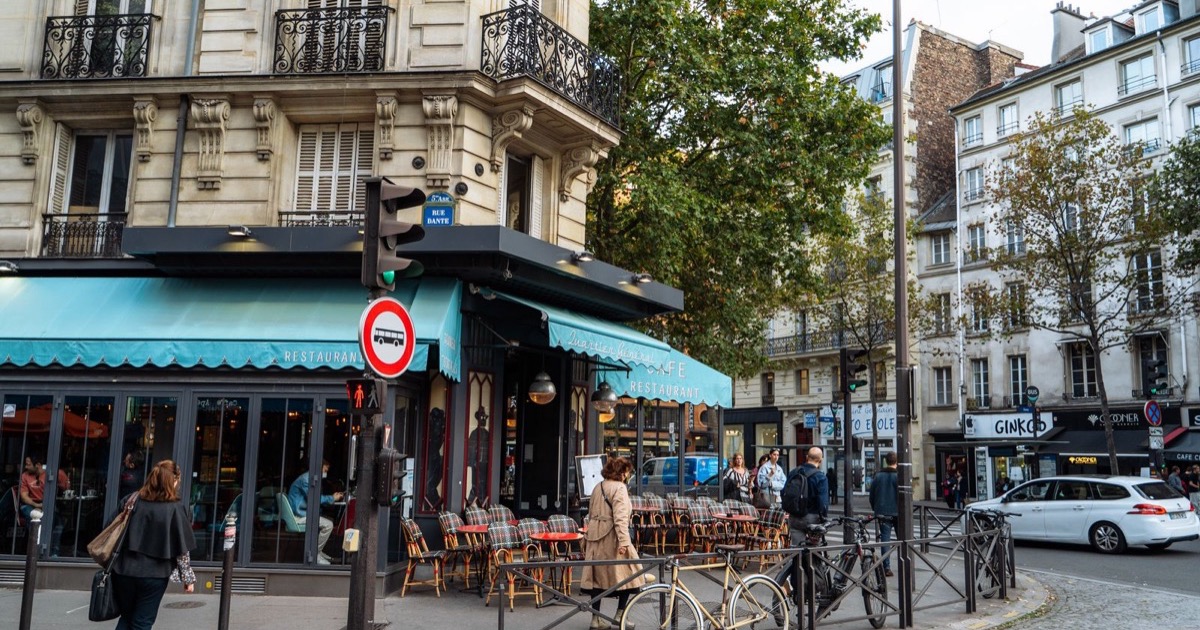

Paris may be famous for its museums and monuments, but the city’s authentic coffee culture Paris thrives in quiet corners and lively streets alike.
Paris may be famous for its museums and monuments, but the city’s authentic coffee culture Paris thrives in quiet corners and lively streets alike. From centuries‑old cafés that once hosted writers to modern roasteries that source beans directly from farms, the capital offers a spectrum of experiences for any caffeine enthusiast. This guide uncovers the neighborhoods, morning rituals, and off‑the‑radar spots that define the true Parisian coffee scene.
Which Paris neighborhoods offer the most authentic coffee experiences?
The Marais blends historic architecture with a surge of specialty coffee shops, many of which operate out of former boutiques. Here, baristas often showcase single‑origin beans while preserving the area’s classic façade, creating a seamless blend of past and present.
Along the Canal Saint‑Martin, a relaxed atmosphere encourages long conversations over pour‑over brews. Small roasteries line the waterway, and the occasional pop‑up stall offers freshly ground beans that reflect the canal’s artistic vibe.
Montparnasse, once a hub for expatriate writers, still carries that literary spirit. Its cafés provide a mix of traditional French espresso and modern espresso‑based drinks, catering to both longtime residents and newcomers seeking a taste of history.
Further east, the Belleville district presents a multicultural mosaic where Asian tea houses sit beside French espresso bars. The neighborhood’s diverse population fuels a coffee scene that experiments with flavors and brewing methods rarely found elsewhere in the city.
Where do locals in Paris go for their morning espresso?
Parisians typically start their day at a neighborhood spot rather than a tourist‑heavy boulevard. Small roasteries near residential blocks often open before 7 a.m., offering a crisp, well‑balanced espresso that fuels commuters on their way to work.
Bakery cafés, known for their flaky croissants, pair the pastry with a quick, strong shot of espresso. The combination is a daily ritual for many, and the baristas pride themselves on pulling a perfect crema within seconds.
For those who prefer a quieter setting, many apartment‑building cafés provide limited seating but excel in bean quality. These places often roast their own beans, allowing patrons to taste the subtle differences between a light‑roasted Ethiopian and a darker‑roasted Brazilian blend.
| Café Type | Typical Location | Roast Focus | Seating Atmosphere | Average Price (Espresso) |
|---|---|---|---|---|
| Neighborhood Roastery | 10th & 11th arrondissements | Single‑origin, medium‑dark | Bar‑style, standing or high stools | €2‑€3 |
| Bakery Café | Near markets & residential streets | Blend, balanced | Small tables, often crowded | €2‑€3.5 |
| Apartment‑Building Café | Quiet side streets, 12th arrondissement | House roast, dark | Minimal seating, intimate | €2‑€3 |
What are the off‑the‑radar cafés that tourists often miss in Paris?
In the 11th arrondissement, a narrow lane hides a minimalist café that serves a meticulously timed espresso shot. The space is deliberately sparse, directing attention to the coffee’s flavor profile rather than décor.
Further north, a converted workshop near Rue des Martyrs offers a rotating selection of beans sourced directly from small farms. The owner frequently changes the lineup, encouraging regulars to explore new origins each visit.
On the Left Bank, a quiet courtyard café provides a shaded outdoor seat perfect for watching the street flow while sipping a cold brew. Its menu includes a rare French‑style cold espresso, a refreshing alternative during warmer days.
How can I order coffee like a Parisian without sounding awkward?
Parisians keep their coffee orders short and precise. The most common phrase you’ll hear is “un café, s’il vous plaît,” which translates to “a coffee, please.” In practice, “café” refers to an espresso shot served in a small porcelain cup. If you prefer a larger, milder brew, ask for “un allongé” (an espresso with extra water) or “un café allongé.” Avoid adding extra adjectives such as “large” or “extra‑strong” unless you are at a specialty shop that understands those modifiers. The key is to let the barista know the size and strength with the standard French terms.
When you want milk, the French word “café au lait” is the go‑to choice, but it is traditionally served in a bowl rather than a mug. At most cafés, ordering “un café au lait” will yield a coffee with steamed milk in a larger cup, which is the closest equivalent to a latte. If you prefer a cappuccino‑style drink, say “un cappuccino” – most cafés will understand, though the foam may be thinner than what you expect from an Italian bar.
Politeness matters as much as the wording. Begin with “Bonjour” or “Bonsoir” depending on the time of day, and close with “merci” after receiving your drink. This simple courtesy signals that you respect the local café etiquette and often results in a friendlier service.
| Typical Tourist Phrase | Parisian Equivalent | Result |
|---|---|---|
| Can I have a large coffee, please? | Un café, s’il vous plaît. | Served a single espresso; size is implied. |
| I’d like a latte with extra milk. | Un café au lait, s’il vous plaît. | Espresso with steamed milk, served in a larger cup. |
| Give me a strong coffee. | Un café noir, s’il vous plaît. | Straight espresso, no milk, no sugar. |
| Can I have a coffee with a lot of water? | Un allongé, s’il vous plaît. | Espresso diluted with hot water, milder taste. |
Which Paris cafés have a historic significance and still serve great coffee?
Parisian cafés have long been meeting places for writers, artists, and revolutionaries. While many historic venues focus on their legacy, several maintain a reputation for serving quality coffee alongside their storied interiors. Visiting these locations lets you taste a brew that has been enjoyed by generations of locals, while also soaking up the atmosphere that inspired countless works of art.
Most of these establishments are situated in neighborhoods that still feel lived‑in, offering a contrast to the polished tourist corridors. When you sit at a marble table or a worn‑in wooden chair, you are part of a continuum that stretches back to the Enlightenment. The coffee offered is typically a classic espresso, but many have upgraded their equipment to deliver a cleaner extraction without compromising the historic vibe.
- Le Procope – Opened in 1686, it claims the title of Paris’s oldest café. The espresso is prepared with a traditional lever machine, delivering a robust flavor that matches the venue’s historic gravitas.
- Café de Flore – Located on the Left Bank, this iconic spot was a favorite of existentialists. Their single origin espresso, sourced from a local roaster, is praised for its balance and clarity.
- Les Deux Magots – A rival of Café de Flore, this literary haunt serves a smooth, medium‑roasted espresso that complements its Art Deco décor.
- Le Café Marly – Overlooking the Louvre’s courtyard, it blends classic architecture with a modern espresso machine, offering a bright, citrus‑forward shot.
- Le Select – In the Montparnasse district, this former artist hangout now serves a well‑rounded espresso that reflects the neighborhood’s creative spirit.
- Le Café de la Paix – Near the Opéra Garnier, its historic grandeur is matched by a velvety espresso that draws regulars from the surrounding business district.
- Le Petit Café de la Place – Tucked in a quieter square, this 19th‑century café offers a clean, single‑origin espresso that has become a local favorite.
What are the best specialty coffee roasters to visit in Paris?
Paris’s specialty coffee scene has exploded in the past decade, with roasters emphasizing transparency, single‑origin beans, and meticulous brewing methods. Many of these roasters operate their own cafés, allowing you to taste the coffee straight from the source. They are often located in neighborhoods that attract a younger, coffee‑savvy crowd, making them ideal stops for anyone looking to explore the city’s modern coffee culture.
One standout is a roastery that sources beans from East Africa and South America, roasting them in small batches to preserve nuanced flavors. Their tasting room offers pour‑over and espresso drinks, each prepared by baristas trained in the latest brewing techniques. Another notable roaster focuses on natural processing methods, resulting in fruitier profiles that appeal to adventurous palates. Their café space doubles as a workshop venue, where you can learn about grind size, water temperature, and extraction time.
When planning your visits, consider the surrounding coffee neighborhoods: the 10th arrondissement’s Canal Saint‑Martin area, the 11th’s Oberkampf district, and the 3rd’s Haut Marais each host multiple roaster‑café hybrids. Walking through these districts provides a sense of how coffee culture integrates with Parisian daily life, from morning commutes to late‑afternoon work sessions. Sampling a range of roasts across these neighborhoods will give you a comprehensive picture of the city’s evolving coffee identity.
Where can I find vegan or dairy‑free coffee options in Paris cafés?
Parisian roasters have responded to the growing demand for plant‑based milks by adding oat, almond, soy, and coconut alternatives to their espresso menus. In the 11th arrondissement, a small espresso bar near the Oberkampf metro stop serves a silky oat‑milk cappuccino alongside a single‑origin pour‑over brewed with a French press. The barista explains that the oat milk is steamed to the same micro‑foam texture as traditional milk, creating a velvety head without dairy. A few streets away, a community‑focused café in the 3rd arrondissement offers a menu that labels every beverage with its milk choice, and the almond‑milk latte is praised for its nutty undertone that complements the coffee’s acidity.
Further east, a well‑known specialty shop in the Canal Saint‑Martin district sources beans from sustainable farms in Ethiopia and Colombia and provides a soy‑milk flat white that rivals any classic version. The shop’s baristas are trained to adjust the brewing temperature when using plant milks, ensuring the coffee’s flavor remains bright. For those seeking a quick takeaway, many bakeries near the Bastille station now display a small “Vegan” icon on their coffee counters, indicating that a soy‑milk americano is available without extra charge. Asking for “lait d’avoine” or “lait d’amande” is sufficient in most places, and staff are accustomed to the request.
How does Parisian café etiquette differ from other cities?
Parisian cafés operate on a rhythm that balances leisure with subtle social cues. Unlike the rapid turnover common in many metropolitan coffee shops, patrons are expected to linger, especially when seated at a table rather than at the bar. It is customary to order at the counter, then move to a chosen seat; the staff will bring the drink without further prompting. If you plan to stay for more than an hour, it is polite to order a small pastry or a glass of water as a gesture of appreciation.
Another distinction lies in the use of the “café à emporter” (take‑away) counter. When ordering a drink to go, customers typically pay at the point of order and then step aside to wait for the barista to call their name. Leaving a tip is not obligatory, but rounding up the bill or leaving a few euros on the table is appreciated, especially in smaller, family‑run establishments.
- Speak softly; loud conversations are considered disruptive.
- Do not occupy a table with just a laptop for an extended period without ordering.
- When the server clears a plate, thank them with a simple “merci”.
- Reserving a seat by placing a coat or bag is acceptable, but only if you are actively drinking.
- Using a mobile phone for calls should be done away from the main seating area.
- Leaving the table clean, such as stacking used napkins, is viewed favorably.
- Requesting the check by saying “l’addition, s’il vous plaît” signals you are ready to leave.
What are the top spots for café‑hopping in Paris during a single day?
A practical route begins in the historic Marais district, where a narrow‑street café on Rue des Archives offers a crisp espresso made from beans roasted in the 12th arrondissement. After savoring the drink, walk east toward Rue de Bretagne to a bakery that pairs its coffee with a flaky almond croissant, providing a sweet contrast to the earlier bitterness. Continue north to the Left Bank, where a literary‑themed café on Rue de Buci serves a classic café au lait in a setting that still displays vintage newspaper clippings.
From there, head to the Canal Saint‑Martin area for a modern specialty shop that specializes in single‑origin pour‑overs and cold brews. The industrial décor and large windows create a bright environment ideal for a mid‑day pause. Conclude the day in Montmartre, where a hill‑top terrace café offers a panoramic view of the city while you sip a smooth flat white. The progression from historic lanes to contemporary neighborhoods showcases the breadth of Parisian coffee culture within a manageable walking distance, allowing you to experience diverse atmospheres without feeling rushed.
Which Paris cafés offer outdoor seating with the best city views?
For a sunrise espresso with the Eiffel Tower framing the horizon, head to the terrace of a historic café on the Champ de Mars. The modest wooden tables sit just a few steps from the park’s lawns, allowing you to watch the monument’s silhouette brighten as the city awakens. The setting is especially rewarding when the morning light catches the river Seine, creating a gentle reflection that complements the rich aroma of a freshly pulled shot.
Another spot worth noting is a riverside café along the Quai de la Tournelle. Its oversized awning stretches over the promenade, providing shelter while you sip a café crème and observe the flowing traffic of bateaux‑mouches. From here you can glimpse Notre‑Dame’s spire and the bustling quayside market stalls, all without the pressure of a crowded interior.
Where can I attend a coffee tasting or barista workshop in Paris?
The city’s specialty coffee scene regularly hosts tasting sessions at roasteries that double as educational spaces. One such venue offers a “cupping” experience where participants sample beans from Africa, South America, and Asia, guided by a seasoned roaster who explains flavor notes, grind size, and extraction time. Sessions typically last ninety minutes and conclude with a hands‑on demonstration of the perfect pour‑over.
For those eager to sharpen their brewing technique, several cafés collaborate with local barista schools to run weekend workshops. These classes cover espresso machine maintenance, milk‑texturing fundamentals, and the art of creating latte art. Registrations are usually limited to ten participants, ensuring individualized feedback and a chance to practice on professional‑grade equipment.
Sources & Further Reading
Frequently Asked Questions
Is coffee in Paris typically stronger than in other European cities?
Parisian coffee tends to be brewed with a slightly higher ratio of coffee to water, resulting in a richer body. However, strength varies by establishment; specialty cafés often let you choose the intensity, while traditional cafés serve a more uniform style that many visitors find robust.
Do Paris cafés accept credit cards or only cash?
Most cafés in central Paris accept major credit and debit cards, especially those that cater to tourists. Smaller, family‑run spots may prefer cash, but they usually have a card terminal available for larger bills. It’s courteous to ask before ordering if you’re unsure.
What is the typical price range for a coffee in a local Paris café?
A standard espresso or café au lait costs between €2 and €3.50 at neighborhood cafés, while specialty drinks such as a flat white or a single‑origin pour‑over can range from €4 to €6. Prices rise modestly in tourist‑heavy districts.
Can I find Wi‑Fi in authentic Parisian coffee shops?
Free Wi‑Fi is common in most cafés, though the signal quality can differ. Larger chains and many independent cafés provide a password on the receipt or displayed on a chalkboard. In quieter back‑alley spots, connectivity may be limited, encouraging a more relaxed coffee break.
Are there any coffee shops in Paris that are open 24 hours?
While the city’s nightlife includes several late‑night cafés, truly 24‑hour coffee shops are rare. A handful of convenience‑style cafés near major transport hubs stay open through the night, offering basic espresso drinks for early‑morning commuters.
How do I tip baristas in Paris cafés?
Leaving a small tip is appreciated but not expected. Rounding up the bill or leaving a few euros on the table is customary, especially if the service was friendly or the drink was expertly prepared. In cafés with table service, a tip of 5 % is a polite gesture.
What is the difference between a café au lait and an espresso in Paris?
A café au lait combines equal parts brewed coffee and steamed milk, served in a wide bowl. An espresso is a concentrated shot extracted under pressure, typically presented in a small demitasse. The former offers a milder, creamier profile, while the latter delivers a bold, intense flavor.
Do Paris cafés serve pastries that pair well with coffee?
Yes, most cafés offer a selection of freshly baked pastries, such as croissants, pain au chocolat, and almond tarts. Pairing a buttery croissant with a café crème is a classic combination, and many bakeries rotate seasonal items that complement the coffee’s acidity.
Is it common to sit at the bar versus a table in Paris cafés?
Both options are typical. Sitting at the bar allows you to watch the barista at work and often results in quicker service. Tables provide a more relaxed setting for lingering over a drink or meeting friends. Choose the spot that matches your pace.
Can I bring my own reusable cup to Paris coffee shops?
Many cafés encourage the use of reusable cups and will offer a small discount or forgo the disposable cup charge. Some establishments may ask to see the cup before serving, so having a clean, sturdy container ready is advisable.
Plan your coffee itinerary around the opening hours of each spot, and remember that many cafés close for a mid‑day break. Arriving early or late in the afternoon often guarantees a seat on the terrace, allowing you to savor both the brew and the city’s rhythm.
Reviewed by our editor for Europe
Marco BianchiEurope Editor
Europe travel writer focused on city culture, museums and historic routes across the continent.
More articles by Marco Bianchi →