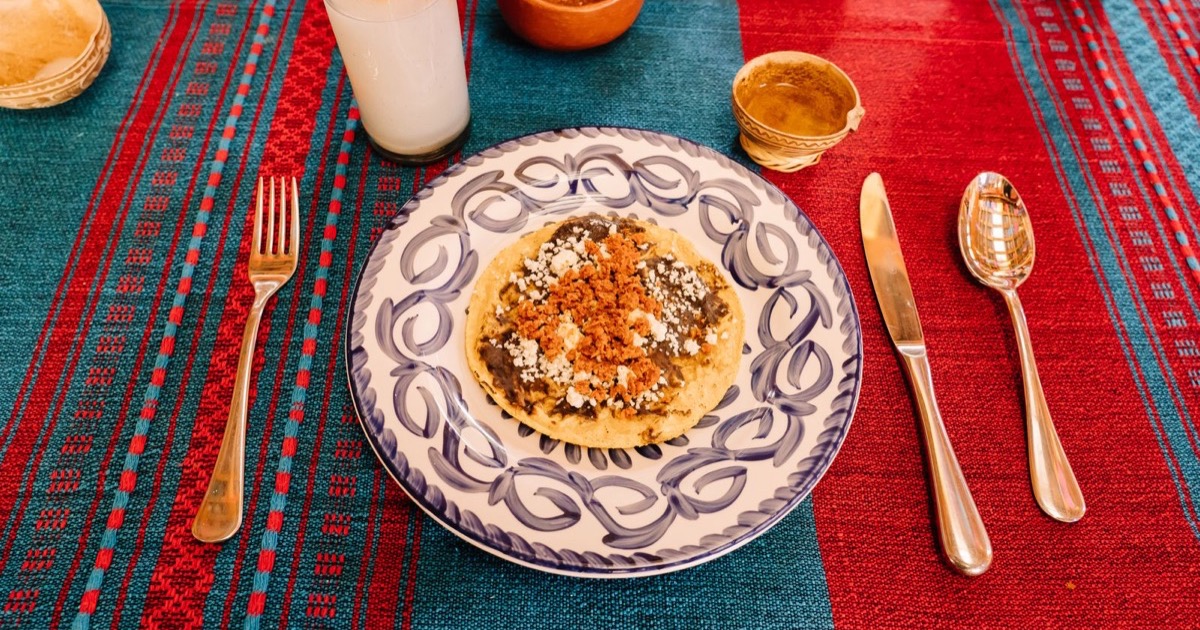

Oaxaca’s culinary scene is famous for its depth of flavor, vibrant markets, and centuries‑old traditions.
Oaxaca’s culinary scene is famous for its depth of flavor, vibrant markets, and centuries‑old traditions. For travelers who rely on a wheelchair, finding a wheelchair accessible Oaxaca food tour can transform a simple tasting trip into a confident, immersive adventure. This guide outlines the standards to look for, the neighborhoods that make navigation easier, and the steps to secure a spot on a tour that respects both your mobility needs and your palate.
What criteria define a wheelchair‑accessible food tour in Oaxaca?
A truly accessible tour begins with an ADA‑compliant framework, even though Mexico follows its own accessibility regulations. Look for providers that guarantee ramp‑grade entrances at every venue, smooth pavement or cobblestone that has been leveled, and wide doorways that accommodate a standard wheelchair. The guide should be trained in assisting travelers with mobility challenges, including knowledge of the nearest accessible restrooms and the ability to adjust pacing without compromising the culinary experience.
Transportation is another critical element. Accessible tours typically arrange a low‑floor vehicle or a wheelchair‑friendly taxi that can navigate Oaxaca’s narrow streets while offering secure wheelchair anchoring. the itinerary should include contingency plans—such as alternative venues or indoor tasting rooms—if weather or unexpected obstacles make a planned stop difficult to reach.
Finally, the food experience itself must be inclusive. Restaurants and market stalls should provide menu options that are easy to handle for someone seated, such as bite‑size samples or dishes served on low tables. Staff awareness of any additional assistance required—like extra utensils or modified plating—enhances comfort and ensures the focus remains on flavor, not logistics.
Which Oaxaca neighborhoods offer the most accessible culinary experiences?
The historic center surrounding the Zócalo has seen significant upgrades in recent years, including paved sidewalks, curb cuts, and wheelchair‑friendly public plazas. Its concentration of traditional eateries means you can sample tlayudas, mole, and fresh fruit without long distances between stops. While some older buildings retain original stone steps, most popular venues now feature removable ramps or ground‑level service windows.
Jalatlaco, a quieter enclave just north of the main square, blends colonial charm with a growing number of boutique cafés that prioritize accessibility. The neighborhood’s narrower streets have been resurfaced, and many of its culinary spaces offer indoor seating that meets wheelchair dimensions. The slower pace here allows for relaxed tasting sessions and easier navigation.
Xochimilco, located to the east, is known for its bustling market and street‑food stalls. Recent municipal projects have introduced wider aisles and tactile paving, making it one of the more navigable market areas for wheelchair users. Vendors here often set up low tables specifically for sampling, and the market’s layout encourages a linear route that reduces the need for backtracking.
| Neighborhood | Accessibility Rating | Typical Dishes | Key Venues (General) |
|---|---|---|---|
| Historic Center | High | Mole, tlayuda, chapulines | Central market, main plaza eateries |
| Jalatlaco | Medium‑High | Tamales, mezcal cocktails | Artisan cafés, small bistros |
| Xochimilco | Medium | Elote, empanadas, fresh juices | Market stalls, street‑food rows |
How can I book a wheelchair‑friendly food tour in Oaxaca for 2026?
Start by researching tour operators that explicitly list wheelchair accessibility on their websites or promotional materials. Look for phrases such as “ADA‑compliant,” “ramp access,” or “wheelchair‑friendly routes.” When you find a potential provider, contact them directly—email or phone—to confirm the specific accommodations they offer, including the type of vehicle, the number of accessible stops, and any additional support the guide can provide.
Next, arrange any necessary equipment ahead of time. If you do not travel with a personal wheelchair, many local companies partner with rental services that deliver a wheelchair to your hotel and pick it up after the tour. Verify that the rental includes secure anchoring for the vehicle and that the provider can handle any battery or maintenance concerns.
Finally, review the booking terms carefully. Look for flexible cancellation policies, especially important if travel plans change due to health reasons. Secure your reservation with a modest deposit, and request a written itinerary that highlights each accessible venue, restroom location, and transport detail. Keeping this information handy will help you navigate the city with confidence and focus on the flavors that make Oaxaca unforgettable.
What types of food and drinks are included on an accessible Oaxaca food tour?
Most wheelchair‑friendly tours in Oaxaca are built around the region’s signature dishes, giving participants a chance to sample a wide range of flavors without needing to navigate uneven sidewalks on their own. Expect a sequence that starts with a light breakfast of fresh fruit, pan de yema (egg‑yolk bread) and a cup of locally roasted coffee, then moves on to street‑style staples such as tlayudas topped with black beans, Oaxacan cheese, and pickled onions. Mid‑day tastings often feature mole negro, mole rojo, and a small serving of chapulines (grasshoppers) for the adventurous palate, all presented on low‑height tables that are reachable from a seated position.
Drink selections are equally diverse. Guided tours typically include a sip of mezcal from a nearby distillery, a glass of agua de jamaica (hibiscus water), and a small portion of tejate, an ancient corn‑based beverage. For those who prefer non‑alcoholic options, many operators serve fresh aguachile juice and a variety of fruit‑infused aguas frescas. All beverages are poured into sturdy, spill‑resistant cups that can be handled comfortably from a wheelchair.
| Food Category | Typical Items | Accessibility Considerations |
|---|---|---|
| Breakfast | Pan de yema, fresh tropical fruit, Oaxacan coffee | Served on low tables; easy to reach with one hand |
| Street Snacks | Tlayudas, empanadas, memelas | Prepared at stalls with wheelchair‑accessible counters |
| Main Courses | Mole negro, mole rojo, tasajo (beef), chapulines | Plated on wide dishes; utensils placed within arm’s reach |
| Desserts | Helado de leche, sweet plantain fritters | Portion sizes small enough for easy handling |
| Drinks | Mezcal tasting, aguas frescas, tejate | Glasses have non‑slip bases; service staff assist with pouring |
Are the streets and markets on the tour suitable for power‑wheelchairs?
The historic center of Oaxaca, where most culinary tours are concentrated, has undergone recent improvements aimed at inclusivity. Main arteries such as the pedestrian boulevard that connects the Zócalo to the Mercado 20 de Noviembre feature smooth paving, curb cuts, and gentle slopes that accommodate powered wheels. While some side alleys retain cobblestones, most tour operators deliberately select routes that avoid these surfaces, opting instead for wider, paved lanes that are regularly swept and maintained.
Market venues present a mix of conditions. The larger indoor market spaces are equipped with automatic doors and spacious aisles, allowing a power‑wheelchair to maneuver between stalls. Outdoor market sections can become crowded during peak hours, but guides typically schedule visits during quieter periods and provide assistance with navigating temporary obstacles such as stacked crates or vendor tables.
- Even pavement with a maximum slope of 5 % on main walkways.
- Automatic or wide manual doors at market entrances.
- Designated wheelchair parking spots near major attractions.
- Clear signage indicating accessible routes and rest areas.
- Staff trained to offer physical assistance when needed.
- Regularly inspected drainage to prevent water pooling on pathways.
- Availability of portable ramps for occasional raised thresholds.
What accessibility features should I look for in Oaxaca restaurants?
When evaluating a dining venue, the first element to verify is entrance accessibility. Restaurants that provide a ramp with a gentle incline or a level threshold are preferable, as they eliminate the need for a lift or assistance. Inside, look for a layout that includes at least one table at a height of 28‑30 inches, with clear space of 36 inches on at least two sides to allow a power‑wheelchair to turn comfortably.
Additional considerations include restroom design and staff readiness. An accessible restroom should feature grab bars, a door width of at least 32 inches, and enough turning radius for a wheelchair. Service staff who are aware of the needs of disabled guests can make a significant difference; many establishments in Oaxaca now provide menus in large print or digital formats and are willing to describe dish ingredients in detail upon request.
How do I arrange wheelchair rental or assistance while in Oaxaca?
Local operators in the city’s historic center provide a range of mobility‑friendly equipment that can be booked online or through a hotel concierge. Most services deliver a lightweight, fold‑able wheelchair to your lodging the morning of your tour, pick it up after the day’s itinerary, and include a short orientation on navigating the cobblestones safely. When you request a vehicle, specify whether you need a manual or powered model, as the latter offers greater independence on the occasional incline near the Santo Domingo plaza.
In addition to rentals, several community‑run organizations partner with tour companies to supply a personal aide for the duration of the food walk. These aides are trained to handle the equipment, negotiate any uneven surfaces, and assist with ordering at market stalls where menus may be displayed only in Spanish. Booking an aide typically adds a modest daily fee, but the extra support can turn a potentially stressful day into a relaxed culinary adventure.
What are the best times of year to take an accessible food tour in Oaxaca?
Oaxaca’s climate is mild year‑round, yet the seasonal patterns affect both crowd density and the availability of fresh produce. The dry season, from November through April, offers clear streets and comfortable temperatures for wheelchair navigation, while the city’s markets are stocked with winter staples such as roasted corn, mole negro, and locally harvested mezcal. This period also coincides with several cultural celebrations that add extra tasting opportunities without overwhelming the streets.
The rainy months of May to October bring lush vegetation and a burst of tropical fruits—think papaya, guava, and the prized pitahaya. Although brief afternoon showers can make some sidewalks slick, most major tour operators adjust their routes to stay on well‑maintained, paved pathways. If you prefer fewer tourists and are comfortable with occasional rain, the early summer window is an excellent choice for a more intimate culinary experience.
- Late November: After the Day of the Dead festivities, streets calm and vendors restock for the holiday season.
- Early December: Cooler evenings make tasting hot chocolate and tamales especially pleasant.
- Late January: The city’s “Guelaguetza” preparations begin, offering sneak peeks of regional dishes.
- Mid‑March: Spring blossoms brighten market stalls, and the weather is ideal for outdoor seating.
- Early May: The first rain showers arrive, bringing fresh fruit varieties to the market.
- Late September: Harvest festivals showcase newly harvested corn and beans, with fewer crowds.
- Early October: The climate remains warm, and many restaurants introduce seasonal tasting menus.
Can I customize an Oaxaca food tour to fit my mobility needs?
Most tour providers in Oaxaca recognize that accessibility is not a one‑size‑fits‑all concept. When you contact a company, they will ask about your specific requirements—such as the need for a ramp‑accessible restroom, a preference for shorter walking segments, or a desire to avoid steep inclines near the Zócalo. Based on this information, they can rearrange the itinerary to focus on venues that are fully wheelchair‑compatible, such as ground‑floor eateries with wide doorways and level dining areas.
Customization also extends to the culinary focus of the tour. If you have dietary restrictions, many guides will coordinate with local chefs to prepare alternative dishes, ensuring that you can sample the same flavors without compromising health needs. For travelers who wish to limit the number of stops, a “highlights” version can be arranged, concentrating on the most iconic tastings while still providing a comprehensive overview of Oaxaca’s gastronomy.
Finally, some operators offer a “private‑vehicle” option that replaces the typical walking segment with a climate‑controlled van equipped with a wheelchair lift. This vehicle follows a route parallel to the traditional footpath, allowing you to enjoy the same market stalls and street vendors from a comfortable seat. By communicating your preferences early, you can shape a food tour that respects both your palate and your mobility requirements.
What safety and health considerations are important for wheelchair travelers in Oaxaca?
Oaxaca’s historic centre features many streets paved with uneven stones, which can pose challenges for both manual and powered wheelchairs. Selecting a tour that uses routes with smoother surfaces, such as recently resurfaced plazas and main avenues, reduces the risk of sudden jolts. Carrying a compact spare tire or a portable repair kit is advisable, especially if you rely on a manual wheelchair with pneumatic wheels.
The city sits at an altitude of roughly 1,500 meters, so travelers who are not accustomed to higher elevations may experience mild shortness of breath or fatigue. Staying hydrated, pacing yourself between tastings, and having any prescribed medication on hand helps mitigate these effects. In case of a medical need, public hospitals and private clinics in Oaxaca have English‑speaking staff, but it is prudent to confirm insurance coverage for emergency transport.
How much does a wheelchair‑accessible food tour in Oaxaca typically cost?
Most operators charge a base fee that covers the guide, a selection of 15‑20 small dishes, and a few non‑alcoholic drinks. Prices usually fall between 120 and 180 US dollars per person, with the higher end reflecting tours that guarantee fully accessible venues and provide a personal assistant for mobility support. Some companies offer a “premium” option that adds a mezcal tasting and a longer route, raising the total to around 220 dollars.
Tips are not included in the advertised price and are expected to be shared among the guide and any assisting staff. Additional expenses may arise if you request a specialized wheelchair rental, dietary modifications that require extra preparation, or private transportation between distant markets. Confirming the full cost breakdown before booking prevents surprises on the day of the tour.
Frequently Asked Questions
Is the Oaxaca food tour wheelchair accessible for both manual and electric wheelchairs?
Most reputable operators design their itineraries to accommodate both manual and powered wheelchairs, ensuring that pathways are wide enough and that any steps are replaced with ramps or alternative routes. It is recommended to verify the specific models supported, as some electric chairs may exceed width limits for older doorways. Communicating your wheelchair type during the reservation process helps the guide prepare suitable accommodations.
Do I need to bring my own wheelchair or can I rent one locally?
Travelers can either bring a personal wheelchair or arrange a rental in Oaxaca. Several local mobility‑equipment shops provide short‑term rentals of both manual and powered chairs, often delivering them to your hotel. Renting can be convenient if you prefer not to transport a large device, but be sure to check the condition of the wheels and battery life before confirming the agreement.
How far are the walking segments on the tour and are there alternative transport options?
The standard tour includes several short walking stretches, each ranging from 200 to 400 meters, designed to keep the experience comfortable for wheelchair users. If a segment proves too demanding, guides can arrange a brief taxi ride or a wheelchair‑friendly shuttle to the next stop. These alternatives are usually offered at no extra charge when the need is communicated in advance.
Are the restaurants on the tour fully accessible, including restrooms?
Participating eateries are selected for their compliance with basic accessibility standards, such as level entrances and sufficient interior space for maneuvering. However, restroom accessibility can vary; some venues have single‑stall facilities with grab bars, while others may rely on nearby public restrooms that are wheelchair‑friendly. Guides typically carry a list of the nearest accessible restroom locations for quick reference.
Can I request dietary accommodations (vegetarian, gluten‑free, etc.) on an accessible tour?
Most tour operators welcome dietary requests and will inform the participating kitchens ahead of time. Vegetarian and gluten‑free options are commonly available, as Oaxacan cuisine includes many plant‑based dishes and naturally gluten‑free corn‑based staples. Providing your preferences at least 48 hours before the tour ensures that chefs can prepare suitable alternatives without compromising the tasting schedule.
What is the cancellation policy for wheelchair‑friendly tours in case of health issues?
Cancellation terms generally allow a full refund if you cancel at least 72 hours before the scheduled start date. Some operators extend a partial refund window up to 24 hours for medical emergencies, provided you supply appropriate documentation. Always read the fine print of the booking agreement, as policies can differ between companies.
Are tour guides trained to assist travelers with mobility impairments?
Guides employed by specialized operators receive basic training on wheelchair handling, safe navigation of uneven surfaces, and respectful communication with travelers who have mobility challenges. They are also knowledgeable about local accessibility resources, such as nearby medical centers and accessible public transport options. Asking about the guide’s experience during the booking process can give you added confidence.
Is there a minimum or maximum group size for accessible food tours?
Accessible tours typically limit group size to between six and twelve participants to maintain a comfortable pace and ensure that each guest receives adequate attention. Smaller groups, often under eight people, allow the guide to provide more personalized assistance and quicker transitions between venues. Larger gatherings may be possible but could reduce the level of individualized support.
Do I need to book the tour in advance to guarantee wheelchair accessibility?
Advanced reservations are strongly recommended, as operators need to coordinate venue accessibility and, if required, arrange additional equipment or staff. Booking at least two weeks ahead of your travel dates gives the company sufficient time to confirm that all stops meet the necessary standards. Last‑minute bookings may still be possible, but they carry a higher risk of limited accessibility options.
What additional costs should I expect for wheelchair assistance or equipment?
Some tours include a personal assistant in the base price, while others charge a modest surcharge for dedicated mobility support. Equipment rentals, such as a portable ramp or a power‑assist device, may incur separate fees ranging from 15 to 30 dollars per day. Clarifying all potential extra charges during the inquiry stage helps you budget accurately and avoid unexpected expenses.
By confirming accessibility details early and communicating any special needs, you can enjoy Oaxaca’s culinary delights with confidence and comfort. The city’s rich flavors are within reach, and thoughtful planning ensures a smooth, memorable tasting adventure.
Reviewed by our editor for the Americas & practical travel
James CarterAmericas & Practical Travel Editor
Travel writer covering the Americas plus the practical side of travel — budgets, eSIMs, visas and logistics.
More articles by James Carter →