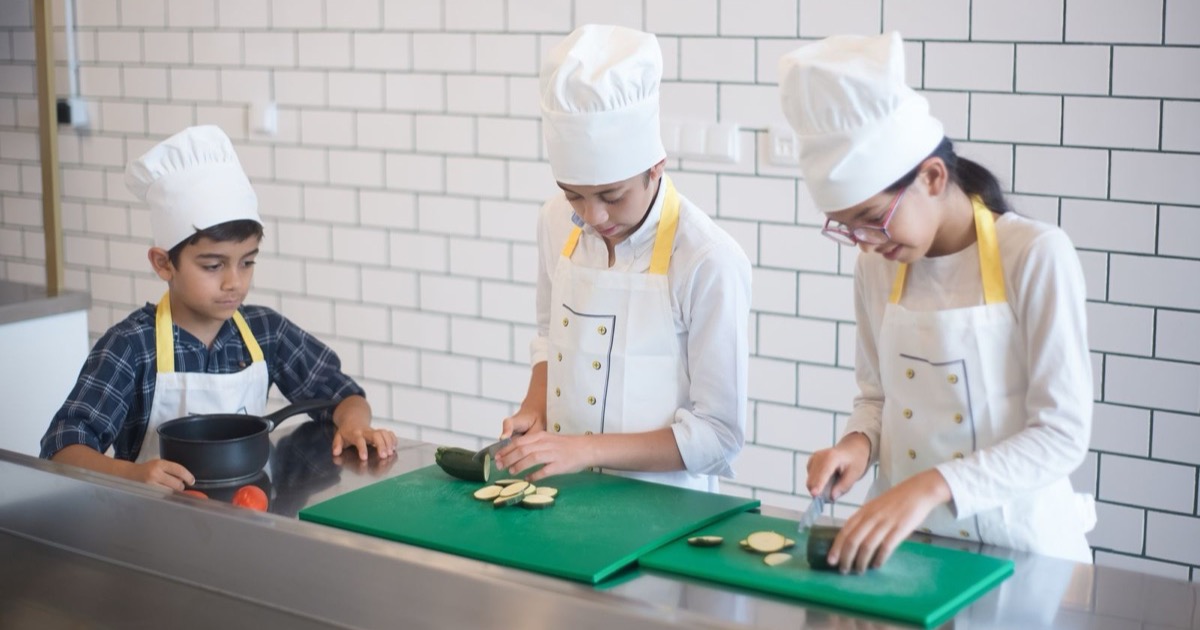

Antalya Turkish cooking classes offer a hands‑on gateway to the flavors that define Turkey’s Mediterranean coast.
Antalya Turkish cooking classes offer a hands‑on gateway to the flavors that define Turkey’s Mediterranean coast. From sizzling kebabs on open grills to delicate pastries rolled in fragrant herbs, each session blends culinary technique with local storytelling. Travelers who join these workshops leave with more than recipes—they gain confidence to recreate authentic dishes at home. The city’s blend of historic neighborhoods and modern culinary spaces makes it an ideal backdrop for immersive food experiences.
What makes Antalya’s Turkish cooking classes unique for travelers?
First, the proximity to fresh markets means participants work with ingredients that have just been harvested, from sun‑kissed tomatoes to fragrant mint. This immediacy sharpens flavors and teaches season‑aware cooking, a cornerstone of Turkish cuisine. Second, many classes are hosted by local chefs who grew up in the region, allowing visitors to hear personal anecdotes that connect each dish to family traditions and regional customs.
Third, the setting often incorporates Antalya’s historic districts, such as the stone‑lined streets of Kaleiçi, where ancient architecture frames the cooking space. This juxtaposition of old and new enriches the sensory experience, turning a simple lesson into a cultural immersion. Finally, the curriculum is designed for a range of skill levels, offering both beginner-friendly introductions and advanced techniques like mastering the perfect dough stretch for lahmacun.
How can I find sensory‑friendly cooking workshops in Antalya’s Old Town?
Travelers seeking sensory‑friendly environments should look for workshops that advertise adaptive design features. These may include reduced background noise, clear visual instructions, and tactile cooking stations that accommodate varying sensory needs. Local tourism boards and inclusive travel forums often list such options, highlighting venues that prioritize comfort without sacrificing authenticity.
Another practical step is to contact the workshop organizers directly before booking. Inquiries about lighting, aroma intensity, and the pace of instruction help ensure the experience aligns with personal preferences. Many studios in Kaleiçi have multilingual staff who can tailor the session to individual requirements, making the learning process both welcoming and effective.
| Workshop | Adaptive Features | Typical Duration | Group Size |
|---|---|---|---|
| Old Town Culinary Studio | Quiet kitchen, visual recipe cards, adjustable seating | 3 hours | 6‑8 |
| Heritage Kitchen Collective | Low‑scent spices, step‑by‑step video guides, tactile ingredient stations | 2.5 hours | 4‑6 |
| Seaside Flavor Lab | Soft lighting, noise‑cancelling headsets available, simplified instruction sheets | 4 hours | 8‑10 |
Which traditional Turkish dishes can I learn to prepare in Antalya?
Among the most popular offerings is the Turkish kebab workshop, where participants grill seasoned meat over charcoal and learn the art of serving it with fresh salads and flatbreads. The session often extends to preparing accompanying sauces, such as a tangy yogurt‑garlic dip, which highlights the balance of flavors typical of the region.
Lahmacun, often described as Turkish pizza, is another staple taught in many classes. Learners roll out thin dough, spread a mixture of minced meat, tomatoes, and herbs, then bake it in a high‑heat oven. The rapid cooking process creates a crisp base that pairs perfectly with a squeeze of lemon and a handful of fresh parsley.
For those interested in home‑style cooking, family‑style Turkish meals are frequently featured. These sessions guide participants through a multi‑course spread that may include stuffed vegetables (dolma), creamy eggplant purée (baba ganoush), and a sweet finale such as baklava or künefe, illustrating the breadth of flavors that define Turkish hospitality.
Are there adaptive design cooking classes for people with special needs in Antalya?
Antalya’s Old Town Art Hub has become a focal point for sensory‑friendly culinary instruction. The venue’s layout features low‑noise zones, adjustable lighting, and tactile‑friendly workstations that accommodate a range of sensory profiles. Instructors receive training on inclusive communication techniques, allowing participants to follow recipes at a comfortable pace while still engaging with the full spectrum of Turkish flavors.
Beyond the Art Hub, several community centers collaborate with local disability organizations to host adaptive workshops. These sessions often incorporate visual recipe cards, aroma‑guided ingredient identification, and optional assistive tools such as adaptive knives or ergonomic cutting boards. The goal is to preserve the authenticity of Turkish cooking while removing barriers that might otherwise limit participation.
| Provider | Location | Class Size | Sensory Accommodations | Typical Price (USD) |
|---|---|---|---|---|
| Old Town Art Hub | Kaleiçi | 6‑10 | Quiet zone, dimmable lights, tactile stations | 45‑70 |
| Inclusive Culinary Center | Konyaaltı | 4‑8 | Visual recipe cards, aroma kits, adaptive tools | 40‑65 |
| Community Kitchen Initiative | Lara | 5‑12 | Noise‑reducing headphones, step‑by‑step video guides | 35‑55 |
Where are the best locations for hands‑on Turkish culinary experiences in Antalya?
For travelers who crave direct interaction with local food culture, Antalya offers several neighborhoods where cooking classes blend tradition with practicality. The historic Kaleiçi district houses venues that operate within restored Ottoman houses, providing an intimate atmosphere that mirrors the domestic kitchens of past generations. Participants often begin with a market walk, selecting fresh produce before returning to the studio to prepare dishes such as çöp şiş or gözleme.
Along the coastal promenade of Konyaaltı, modern culinary labs focus on contemporary twists to classic recipes. Here, chefs emphasize techniques like sous‑vide lamb or smoked eggplant purée, while still honoring the spice blends that define Turkish cuisine. The setting is especially appealing to visitors who prefer a sleek environment paired with panoramic sea views.
- Kaleiçi Heritage Kitchen – Restored Ottoman house, market‑to‑table workflow, family‑style dining.
- Konyaaltı Culinary Lab – Modern equipment, sea‑view terrace, emphasis on technique.
- Lara Farm-to-Table Workshop – Organic garden tours, seasonal ingredient focus, hands‑on bread baking.
- Old Town Art Hub Adaptive Studio – Sensory‑friendly design, inclusive instruction, small groups.
- Antalya Food Tour Kitchen – Integrated with city food tours, quick‑fire street‑food sessions, kebab and lahmacun preparation.
- Inclusive Culinary Center – Adaptive tools, visual aids, tailored pacing for diverse abilities.
- Community Kitchen Initiative – Volunteer‑led sessions, budget‑friendly, communal cooking experience.
How much do Turkish cooking classes in Antalya typically cost?
Pricing varies according to location, class length, and the level of personalization offered. Short introductory sessions that focus on a single dish, such as a quick kebab workshop, often fall between $30 and $45 per participant. These classes usually last two hours and include a modest tasting portion of the prepared food.
Full‑day immersive experiences, which cover multiple courses—from appetizers to dessert—generally range from $70 to $110. This price bracket often includes a market visit, a comprehensive recipe booklet, and a family‑style meal shared with fellow attendees. Adaptive or inclusive classes may carry a slight premium to cover specialized equipment and additional instructor training, typically adding $10‑$15 to the base cost.
Group bookings and multi‑session packages can reduce the per‑person expense. Several providers offer discounts of 10‑15 % for groups of eight or more, and some cultural tourism agencies bundle cooking classes with guided city tours, creating a cost‑effective way to explore both culinary and historic attractions.
What should I bring to a Turkish cooking class in Antalya?
Comfortable, closed‑toe shoes and breathable clothing are essential, because most hands‑on cooking workshops involve standing over hot stoves and moving between market stalls. Many venues provide aprons, but a personal apron can protect your own garments and add a touch of personal style. A small notebook or a note‑taking app is handy for recording the spice ratios, cooking times, and any anecdotes shared by the local Turkish chefs. If you enjoy photographing food preparation, a compact camera or smartphone on a wrist strap lets you capture the process without getting in the way of the instructor.
Bring a reusable water bottle to stay hydrated, especially during outdoor market visits where the Mediterranean sun can be intense. Some classes incorporate a brief stop at a traditional bazaar, so a modest amount of cash (in Turkish lira) is useful for buying fresh herbs, specialty cheeses, or a souvenir spice blend. If you have dietary restrictions, a printed note in English outlining allergies or intolerances helps the host prepare suitable alternatives without disrupting the flow of the lesson.
Can I combine a cooking class with a food tour in Antalya?
Many operators design itineraries that weave a Turkish cuisine lesson into a broader Antalya food tour, allowing participants to taste street‑food favorites before recreating them in a kitchen setting. Scheduling the market segment early in the day ensures that ingredients are at their peak freshness, while the subsequent hands‑on workshop gives you the chance to apply those flavors under the guidance of experienced chefs. This combination maximizes exposure to both authentic street‑food culture and the techniques that make each dish distinctive.
When arranging a combined experience, consider the total time commitment, transportation between locations, and the size of the group. Smaller groups often enjoy a more intimate setting, which can lead to personalized instruction and easier interaction with the chef. Many inclusive cooking experiences also provide a communal meal at the end, letting participants savor the dishes they prepared alongside other local specialties discovered during the tour.
- Check the start time of the cooking class to avoid overlap with the food tour’s scheduled stops.
- Confirm that the tour includes a visit to a market or vendor that supplies the ingredients used in the workshop.
- Ask whether the provider offers a private transfer or if public transport is recommended between the tour and the kitchen.
- Verify that the chef can accommodate any food allergies or dietary preferences noted in advance.
- Look for packages that bundle the tasting of Turkish kebab workshop items, such as lahmacun, with the hands‑on session.
- Inquire if the itinerary includes a post‑class tasting of the prepared meals alongside other local dishes.
How do Turkish cooking workshops incorporate local stories and culture?
Local Turkish chefs in Antalya often begin each session with a brief narrative about the origins of the dish, linking flavors to the region’s history, geography, and seasonal rhythms. For example, a kebab workshop may reference the nomadic traditions of the Taurus Mountains, while a lahmacun cooking class might describe how the thin dough was historically baked on stone ovens near the harbor. These stories create a contextual backdrop that transforms a simple recipe into a cultural illustration.
Throughout the preparation, instructors weave personal anecdotes, family customs, and folklore into the instruction, encouraging participants to ask questions and share their own experiences. The use of locally sourced ingredients—such as citrus from nearby orchards or herbs grown on terraces overlooking the Mediterranean—reinforces the connection between the food and its environment. Many workshops conclude with a communal meal, during which the chef invites guests to discuss the significance of hospitality in Turkish culture, turning the cooking lesson into a broader immersion in Antalya’s culinary heritage.
What are the health and dietary considerations for Turkish cooking classes in Antalya?
Most culinary workshops in Antalya are designed with a baseline of food‑safety standards that meet both local regulations and international expectations. Instructors typically begin each session by outlining proper handling of raw meat, poultry, and seafood, as well as the importance of washing fresh produce. For participants with allergies, the venues usually keep a written inventory of common allergens—such as nuts, dairy, and gluten—so that substitutions can be prepared on the spot. Many classes also offer low‑sodium or heart‑healthy alternatives, replacing excess oil with olive‑based dressings or incorporating more herbs and spices for flavor without added salt.
When it comes to dietary preferences, most organizers are flexible. Vegetarian, vegan, and halal options are frequently mentioned in the booking description, and chefs are accustomed to swapping lamb with eggplant or chickpeas, or using plant‑based yogurts in place of dairy. If you have a specific medical condition, it is advisable to notify the host at least 48 hours before the session; this allows them to arrange suitable ingredients and avoid cross‑contamination. Some sensory‑friendly classes even provide visual menus with icons for gluten‑free, dairy‑free, and nut‑free dishes, making it easier for participants to make informed choices.
How can I book a private Turkish cooking session in Antalya?
Private bookings are typically handled through the cooking school’s online reservation portal or via a short email exchange. Start by selecting a date that aligns with your travel itinerary, then indicate the number of guests, any special dietary needs, and whether you prefer a kitchen located in the historic Old Town Art Hub or a more contemporary venue near the marina. Most providers require a modest deposit to secure the slot, with the balance payable on the day of the class. Cancellation policies vary, but a 24‑hour notice is common for a full refund.
For travelers who want a seamless experience, many boutique hotels in Antalya partner with local chefs and can arrange a private session directly from the front desk. This often includes transportation to and from the cooking site, a welcome kit of spices, and a printed recipe booklet to take home. If you are traveling in a larger group, ask about tiered pricing or group discounts; some studios offer a complimentary tasting menu when the party exceeds a certain size.
Sources & Further Reading
Frequently Asked Questions
What is included in a typical Turkish cooking class in Antalya?
A standard session usually covers a hands‑on demonstration of two to three dishes, a brief overview of regional ingredients, and a shared meal where participants taste their creations. Most classes provide all raw materials, basic cookware, and a printed recipe sheet. Some venues also offer a short market tour to source fresh produce before the cooking begins.
Do I need prior cooking experience to join a class in Antalya?
No prior experience is required. Instructors tailor the pace to the group’s skill level, offering step‑by‑step guidance and allowing novices to focus on simpler tasks such as chopping herbs or kneading dough while more experienced cooks handle advanced techniques.
Are the cooking classes in Antalya suitable for children?
Many workshops welcome children aged eight and above, providing a safe, supervised environment with age‑appropriate tasks. Some schools run dedicated family sessions that feature kid‑friendly recipes like mini lahmacun or sweet baklava bites.
How far in advance should I book a Turkish cooking workshop in Antalya?
During peak tourist months (June to August) it is wise to reserve at least two weeks ahead, as popular studios fill quickly. In the shoulder season, a few days’ notice often suffices, but confirming early guarantees your preferred date and instructor.
Can I accommodate dietary restrictions such as vegetarian or gluten‑free in Antalya classes?
Yes. Most chefs are accustomed to adjusting recipes on the fly. When booking, specify any restrictions; they will typically replace wheat‑based dough with rice or chickpea flour and substitute meat with legumes or seasonal vegetables.
What languages are the cooking instructors fluent in?
English is the primary language for most classes, and many instructors also speak basic German, French, or Russian. If you need instruction in a specific language, inquire during the booking process; some venues can arrange a bilingual assistant.
Is transportation provided to the cooking class locations in Antalya?
Some private or boutique packages include shuttle service from central hotels to the kitchen venue. Public transport is also convenient for most city‑center studios, with tram stops or bus lines within walking distance.
Are there any certification or souvenir dishes I receive after the class?
Participants usually receive a handwritten recipe card featuring the dishes prepared, and many schools award a small certificate of completion. A few studios also let you take home a sealed jar of spice blend used during the session.
What safety measures are in place for sensory‑friendly cooking sessions?
Classes designed for sensory‑friendly experiences often feature reduced background noise, clearly labeled equipment, and optional visual timers. Instructors receive training on accommodating participants with sensory sensitivities, ensuring a calm and supportive atmosphere.
How can I get a discount for group bookings of Turkish cooking classes in Antalya?
Most providers offer tiered pricing: a reduced rate per person once the group reaches six or more participants. Contact the studio directly to negotiate a custom quote, especially if you are combining the class with a city tour or accommodation package.
Plan your cooking adventure alongside your sightseeing itinerary to make the most of Antalya’s culinary scene, and remember to confirm any special requests well before arrival to ensure a smooth, flavorful experience.
Plan your trip
Book Istanbul attraction tickets
Skip-the-line tickets and guided tours for Istanbul's top sights, with mobile tickets and flexible cancellation.
See tickets on TiqetsWe may earn a commission from bookings made through this link, at no extra cost to you.
Reviewed by our editor for Türkiye & the Eastern Mediterranean
Elif DemirTürkiye & Eastern Mediterranean Editor
Travel writer covering Türkiye and the Eastern Mediterranean, from Istanbul's old city to the Aegean coast.
More articles by Elif Demir →