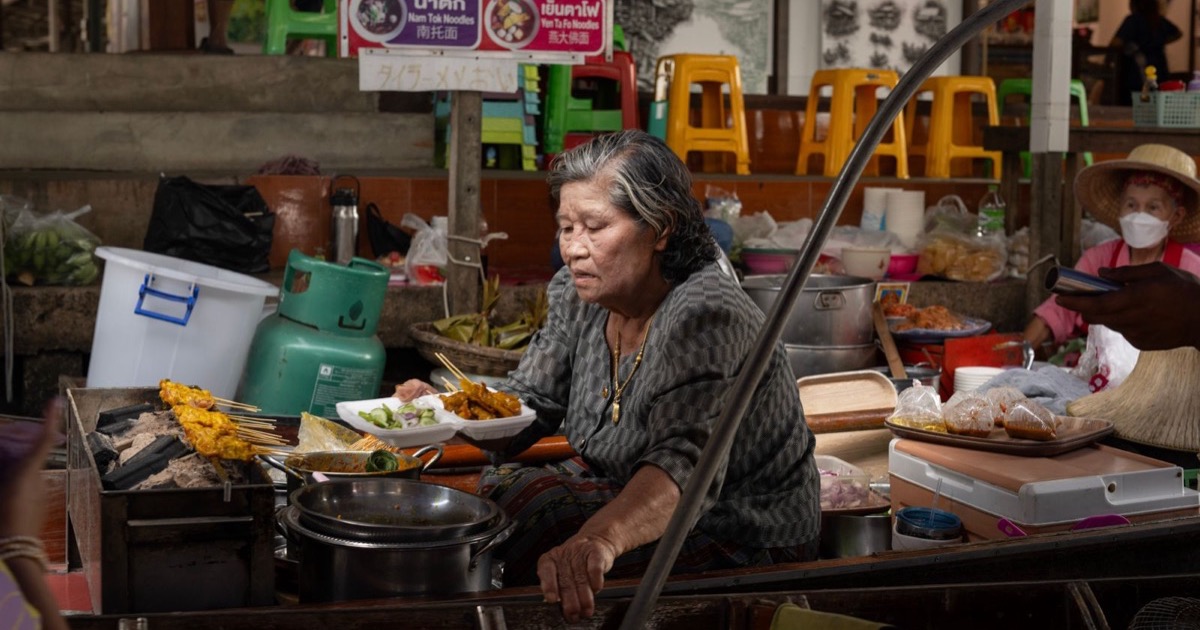

Travelers arriving at Jomtien Beach expect sun and surf, but the real adventure begins when the sun sets and the streets come alive with flavor. This Jomtien Pa
Travelers arriving at Jomtien Beach expect sun and surf, but the real adventure begins when the sun sets and the streets come alive with flavor. This Jomtien Pattaya food guide reveals where to taste the most authentic bites, how the local market scene adapts to 2026 trends, and why sustainable street stalls are becoming the new norm. Grab a seat, order a plate, and let the aromas lead you through Thailand’s coastal culinary playground.
What are the must‑try street foods in Jomtien and Pattaya?
Jomtien street food 2026 showcases a blend of classic Thai staples and coastal specialties. A bowl of steaming pad thai cooked on a charcoal wok, tossed with tamarind, peanuts, and a squeeze of lime, remains a crowd‑pleaser near Beach Road. Nearby, vendors serve moo ping—marinated pork skewers brushed with a sweet soy glaze and grilled to a caramelized finish, typically priced at 30‑50 THB per stick.
Seafood lovers should head to the seafood market Na Jomtien, where fresh catches are transformed into grilled prawns, fried fish cakes, and spicy mussel soups. The som tam (green papaya salad) offered at stalls on Soi 12 Jomtien balances sour, salty, and fiery notes, often paired with sticky rice for a satisfying snack. For a sweet finish, mango sticky rice—ripe mango slices over coconut‑scented glutinous rice—appears on most night‑time carts, delivering a refreshing end to any meal.
Where can I find the best night markets for authentic Thai dishes?
The Jomtien Night Market, located just off Beach Road, is a busy hub where locals and tourists converge for Pattaya night market food. Stalls line the promenade, offering everything from fried chicken rice to coconut‑based desserts. A short tuk‑tuk ride north leads to the Thepprasit Night Market, famous for its extensive selection of grilled seafood, fresh fruit shakes, and regional Thai delicacies such as khao kha moo (braised pork leg with rice).
Further east, the Pattaya Night Bazaar provides a more tourist‑oriented atmosphere but still serves reliable local dishes like boat noodles and pork satay. Prices across these markets remain affordable, with most main courses falling between 40‑120 THB, and vendors typically accept cash only, so keep small change handy.
| Market | Location | Signature Dish | Typical Price (THB) | Atmosphere |
|---|---|---|---|---|
| Jomtien Night Market | Beach Road, Jomtien | Grilled Prawns with Chili Sauce | 80‑120 | Local‑focused, lively |
| Thepprasit Night Market | North Pattaya | Boat Noodles | 40‑70 | Family‑friendly, diverse |
| Pattaya Night Bazaar | Central Pattaya | Pork Satay | 50‑90 | Tourist‑oriented, vibrant |
How has the zero‑waste movement changed street food in Jomtien’s Soi 12?
Since early 2026, Soi 12 Jomtien has become a showcase for zero waste food stalls Jomtien. Vendors now serve dishes in compostable containers made from bagasse or palm leaf, replacing traditional plastic boxes. This shift aligns with the growing demand for sustainable packaging and reduces single‑use waste by an estimated 70 % in the corridor.
Beyond packaging, many stalls prioritize local ingredients Thailand to minimize transport emissions. Fresh herbs, chilies, and seafood are sourced directly from the nearby seafood market Na Jomtien, ensuring both flavor and ecological responsibility. Food hygiene tips remain central: stalls display clean‑hand practices, and customers are encouraged to use provided wet wipes before eating. The result is a vibrant street‑food scene that respects both palate and planet.
Which seafood markets in Na Jomtien offer the freshest catches?
Early mornings on Soi 12 Jomtien reveal a busy scene at the Na Jomtien seafood market, where local fishermen unload their haul directly from the Gulf of Thailand. The market’s open‑air stalls are arranged by species, making it easy to compare the glistening snapper, buttery king prawns, and thick‑skinned tiger prawns that arrive within hours of being caught. Vendors often display a small sign indicating the catch’s landing time, a practice that has become a trusted marker of freshness for both locals and tourists.
For visitors seeking the best seafood Jomtien has to offer, the “Blue Wave” section near the main entrance is renowned for its rigorous quality checks. Stall owners here work closely with the Pattaya municipal health office, ensuring that each batch meets strict hygiene standards. You’ll find live lobsters in chilled tanks, freshly shucked oysters, and whole crabs still twitching in their buckets—perfect for a quick grill at a nearby zero‑waste food stall.
What local ingredients define the flavors of Pattaya’s cuisine?
Pattaya’s culinary identity leans heavily on ingredients that thrive in Thailand’s tropical climate. Fresh herbs such as kaffir lime leaves, Thai basil, and coriander are harvested daily from rooftop gardens that dot the city’s skyline. Coconut milk, extracted from locally grown coconuts, provides the creamy base for many classic Thai street food dishes, while tamarind paste adds the characteristic sour note that balances sweet and spicy flavors.
- Visit the Jomtien food market on weekends to source ripe mangoes and papayas for authentic fruit salads.
- Ask vendors for “local ingredients Thailand” tags; many stalls proudly label dishes that use farm‑to‑table produce.
- Look for dishes prepared with sustainably sourced fish sauce, a staple that adds depth without overwhelming saltiness.
- Choose meals served in compostable containers; many zero waste food stalls Jomtien now use bamboo bowls and banana leaf wraps.
- When ordering grilled seafood, request a squeeze of fresh lime and a sprinkle of toasted rice powder for added texture.
These ingredients not only define flavor but also support the region’s agricultural community. The rise of sustainable packaging in Jomtien street food 2026 means that diners can enjoy traditional tastes while reducing plastic waste, aligning culinary enjoyment with environmental responsibility.
How much should I expect to pay for popular dishes in Jomtien?
Real prices THB for Jomtien street food 2026 remain affordable, especially when compared with beachfront restaurants. A plate of Pad Thai from a stall on Soi 12 typically costs between 40 THB and 60 THB, while a serving of grilled squid with a side of spicy papaya salad ranges from 70 THB to 90 THB. Seafood lovers can indulge in a fresh mussel broth for roughly 80 THB, and a whole steamed fish with herbs will set you back about 120 THB.
For those who prefer a sit‑down experience, mid‑range restaurants near the beachfront charge around 250 THB to 350 THB for a set lunch that includes soup, a main protein, and a dessert. Keep an eye out for “combo” offers that bundle a drink and a side for a modest additional fee. Remember to carry small change, as many vendors operate cash‑only and may not accept larger bills for exact change.
Are there any food safety tips for eating street food in Pattaya?
Start by observing the stall’s hygiene routine. Vendors who keep their cooking area clean, wear gloves, and use separate utensils for raw and cooked items are generally safer choices. Look for stalls that display a visible “clean‑hand” sign or have a small hand‑washing station with running water and soap. These visual cues often indicate that the owner takes food safety seriously.
When you order, ask for food that is cooked to order and served hot. Heat kills most bacteria, so dishes like grilled pork skewers, sizzling pad thai, or freshly fried fish are less likely to cause trouble. Avoid pre‑cooked items that have been sitting out for long periods, especially salads or fruit that have been cut and left uncovered. Carry a small packet of hand sanitizer to use before and after eating, and bring a reusable water bottle with a built‑in filter for staying hydrated without relying on street‑sold drinks.
Which cafés and restaurants focus on sustainable packaging in 2026?
In 2026, several eateries along Soi 12 and the Jomtien promenade have shifted to compostable or reusable containers. Cafés such as Green Bean Brew serve coffee in biodegradable paper cups lined with plant‑based wax, while their pastries arrive in reusable bamboo boxes that can be returned for a small discount. Restaurants near the Na Jomtien seafood market have introduced seaweed‑derived packaging for take‑away sushi and fish dishes, reducing plastic waste dramatically.
These establishments also source many ingredients from local farms that practice regenerative agriculture, further lowering their carbon footprint. Many of them display a “Zero Waste” badge on their windows, and staff are trained to explain the packaging choices to curious diners. Below is a quick comparison of three popular spots that have embraced sustainable packaging.
| Venue | Packaging Type | Typical Price Range (THB) |
|---|---|---|
| Green Bean Brew | Compostable paper cups, bamboo take‑away boxes | 80‑150 |
| Seaweed Sushi Bar | Seaweed‑based containers, reusable glass jars | 120‑250 |
| Eco‑Bistro Jomtien | Plant‑based PLA trays, metal cutlery | 150‑300 |
Where can I experience traditional Thai cooking classes near Jomtien Beach?
Several cooking schools operate within a short tuk‑tuk ride from Jomtien Beach, offering hands‑on lessons that focus on authentic regional flavors. The most accessible option is the Jomtien Culinary Workshop, located near the beachfront promenade. Their half‑day class teaches participants how to prepare classic dishes such as tom yum goong, green curry with chicken, and mango sticky rice, using fresh herbs harvested from an on‑site garden.
For a deeper explore coastal cuisine, the Na Jomtien Seafood Academy offers a specialized session that highlights local fish markets, sustainable sourcing, and techniques like grilling whole snapper over charcoal. Classes typically end with a communal meal where you can taste your own creations. Reservations are recommended, especially during the high‑season months of December through February.
Practical Tips for Visiting Pattaya
- Carry Small Change: Many street vendors and market stalls operate cash‑only and may not have enough change for larger bills, so keep a supply of 10‑ and 20‑baht coins handy.
- Use Reusable Bags: When buying fresh produce at Jomtien food markets, bring a lightweight cloth bag to avoid single‑use plastic and to keep your purchases organized.
- Stay Hydrated with Filtered Water: Refill your insulated bottle at reputable cafés that provide filtered water; this reduces reliance on bottled drinks and saves money.
- Check Opening Hours: Some night markets close earlier on weekdays; verify current hours online or ask locals before planning a late‑night food crawl.
- Respect Local Customs: When dining in family‑run stalls, it is polite to thank the cook and avoid taking photos of the kitchen without permission.
- Plan Transportation Ahead: Use the local songthaew system for short trips to market areas; they run frequently and are cheaper than taxis.
- Mind the Sun: Bring sunscreen and a hat for daytime market visits, as shade can be limited and the heat intense near the beach.
Expert Opinion: Chef Anong, a veteran of Pattaya’s street‑food scene, advises travelers to “look for stalls where the fire is still glowing and the aromas are fresh.” She adds that “sustainable cafés not only protect the environment but also often serve higher‑quality ingredients, making them worth a visit.”
Recommended Pattaya Activities
Frequently Asked Questions About Pattaya
What are the signature dishes of Jomtien Beach?
The most celebrated plate is grilled river prawns served with a tangy tamarind dip, a staple at beachfront shacks. Fresh sea‑bass fried in Thai herbs, often accompanied by a lime‑chili sauce, showcases the local catch. Coconut‑infused mango sticky rice appears on many dessert menus, offering a sweet finish. You’ll also encounter spicy papaya salad with dried shrimp, a refreshing side that balances heat and acidity. These dishes together define the culinary identity highlighted in the Jomtien Pattaya food guide.
Is street food in Pattaya safe for tourists?
Vendors who cook food to order and keep ingredients covered are generally reliable, as high turnover reduces the chance of spoilage. Look for stalls with a steady flow of local customers; this indicates fresh preparation and trusted taste. Many vendors use sealed containers for sauces and garnish, which helps maintain hygiene standards. If a stall appears unclean or the food sits out for long periods, it is wiser to choose another option. Following these cues will let you enjoy street fare with confidence.
Where is the most affordable place to eat near Soi 12?
A short walk from Soi 12, a modest market hall hosts several family‑run eateries that serve set meals for under a modest budget. The menu typically includes a bowl of noodle soup, a portion of stir‑fried vegetables, and a protein such as chicken or tofu, all priced together. Seating is communal, which keeps overhead low and encourages a lively atmosphere. Many of these stalls accept both cash and mobile payment, making transactions simple. This spot consistently offers the best value for travelers seeking cheap, hearty meals.
How do I identify zero‑waste food stalls in Jomtien?
Stalls that advertise reusable containers or ask customers to bring their own are the first indicators of a zero‑waste approach. Look for signage that mentions compostable cutlery, bamboo straws, or a discount for returning packaging. Some vendors display a small bin for organic waste, separating it from general trash, which signals a commitment to sustainability. Ask the staff about their sourcing practices; many will proudly explain partnerships with local farms that reduce transport emissions. These clues help you support environmentally conscious food options while exploring the Jomtien Pattaya food guide.
What are the opening hours of the main night markets in Pattaya?
The largest night market opens its gates around 5 p.m. and continues until midnight, allowing ample time to sample dinner and late‑night snacks. A secondary market nearer the beach starts slightly later, usually at 6 p.m., and winds down around 11 p.m. Both markets pause for a short break during peak dinner hours, then resume service. Vendors often adjust hours during public holidays, extending operations by an hour or two. Checking local signage upon arrival ensures you catch the market at its busiest.
Can I find gluten‑free or allergy‑friendly options in the local food scene?
Many restaurants now label dishes that are prepared without soy sauce or contain no peanuts, catering to common allergens. Street vendors frequently offer plain grilled fish or chicken with separate condiment stations, allowing you to control added ingredients. Some cafés provide gluten‑free rice noodles and clearly mark dairy‑free desserts on their menus. It is advisable to inform the cook of any severe allergies; most will accommodate by adjusting sauces or cooking methods. The growing awareness of dietary restrictions makes it easier to dine safely.
How do I pay at street food stalls – cash or card?
Cash remains the dominant payment method, especially at smaller stalls that lack electronic terminals. However, many larger food courts and popular night‑market vendors have adopted QR‑code systems linked to local banking apps. If you prefer card payments, look for stalls displaying a contactless logo; these are usually situated near the main thoroughfares. Carrying a mix of small bills and coins ensures you can handle any situation without delay. Always confirm the accepted method before ordering to avoid inconvenience.
Are there guided food tours available in Jomtien and Pattaya?
Several local operators organize half‑day and full‑day tours that focus on culinary highlights, ranging from market visits to cooking workshops. These tours typically include transportation, a knowledgeable guide, and tastings at multiple venues, giving participants a curated experience of the region’s flavors. Some tours specialize in seafood, while others emphasize vegetarian or street‑food routes, allowing you to choose a theme that matches your interests. Booking in advance during peak travel months is recommended, as spots fill quickly. The tours often reference the Jomtien Pattaya food guide for additional self‑exploration.
What is the best time of day to explore the food markets?
Early evening, around 5 p.m. to 7 p.m., offers a balance between fresh preparation and a lively crowd, giving you access to the widest selection of dishes. Mid‑night visits can reveal a different atmosphere, with stalls focusing on snack‑type items and fewer tourists. Morning trips to fresh‑produce markets are ideal for purchasing ingredients, as vendors display their best quality before the heat sets in. Arriving before the market reaches peak foot traffic helps you move more freely and interact with sellers. Planning around these windows maximizes both variety and comfort.
Where can I buy fresh produce to cook my own meals in Jomtien?
A municipal market located a short bus ride from the beach offers a broad range of fruits, vegetables, and herbs sourced from nearby farms. Stalls are organized by product type, making it easy to locate tropical staples such as lemongrass, kaffir lime leaves, and fresh chilies. Prices are negotiable in the early morning, and many vendors provide reusable bags for shoppers who bring their own. Some supermarkets in the area also stock imported items for expatriates, though at higher prices. Visiting the market early ensures the freshest picks for your home‑cooked meals.
Exploring the Jomtien Pattaya food guide reveals a dynamic culinary landscape that balances tradition with modern sustainability. From busy night markets to quiet local stalls, the city offers options for every palate and budget. Use the insights from these FAQs to plan a flavorful itinerary that respects both your taste buds and the local community.
Plan your trip
Tours, tickets & activities
Browse and book experiences, attraction tickets and day trips on Klook, with instant confirmation.
Explore experiences on KlookWe may earn a commission from bookings made through this link, at no extra cost to you.
Reviewed by our editor for Asia & the Middle East
Sarah ChenAsia & Middle East Editor
Travel writer covering Southeast Asia, East Asia and the Gulf — temples, street food and modern cities.
More articles by Sarah Chen →