Turkish food is so much more than kebab. Discover 15 delicious must-try dishes — from breakfast classics to street food and sweets — on your next trip.
If you think Turkish food begins and ends with kebab, you're missing 90 percent of the magic. Turkish cuisine is one of the world's great culinary traditions, layered with influences from the Ottomans, Persians, Greeks, Arabs, and Central Asians. Bring an appetite — here are 15 dishes you absolutely must try, plus where and how to enjoy them.
1. Turkish Breakfast (Kahvalti)
This is the meal you didn't know you were missing. A spread of cheeses, olives, tomatoes, cucumbers, sucuk (spicy sausage), eggs, jams, honey with kaymak (clotted cream), and endless cay (tea). Best in Van or at a bahce (garden) restaurant — expect to spend 2 hours and $12 to $20 per person.
2. Menemen
A scrambled-egg dish slow-cooked with tomatoes, peppers, and feta. Served straight from the skillet with crusty bread. The ultimate hangover cure.
3. Simit
The sesame-crusted bread ring sold by street vendors everywhere. Costs around $1 and pairs perfectly with cheese, olives, or just a glass of cay.
4. Manti
Tiny dumplings stuffed with spiced lamb, drowned in garlic yogurt and chili butter. Often called "Turkish ravioli." Best in Kayseri, Cappadocia.
5. Lahmacun
Thin flatbread topped with minced lamb, parsley, onion, and spice. Roll it up with lemon and parsley — Turkey's answer to pizza, but lighter. Around $2 to $4.
6. Iskender Kebab
From Bursa: doner meat over crispy bread, drenched in tomato sauce and brown butter, with yogurt on the side. Iconic and rich.
7. Adana Kebab
Hand-minced lamb skewered and grilled over charcoal — spicier than urfa kebab, which is its milder cousin. A must in southeastern Turkey.
8. Pide
Boat-shaped flatbread topped with cheese, sucuk, lamb, or eggs. Cheap (around $5) and brilliant for lunch.
9. Meze
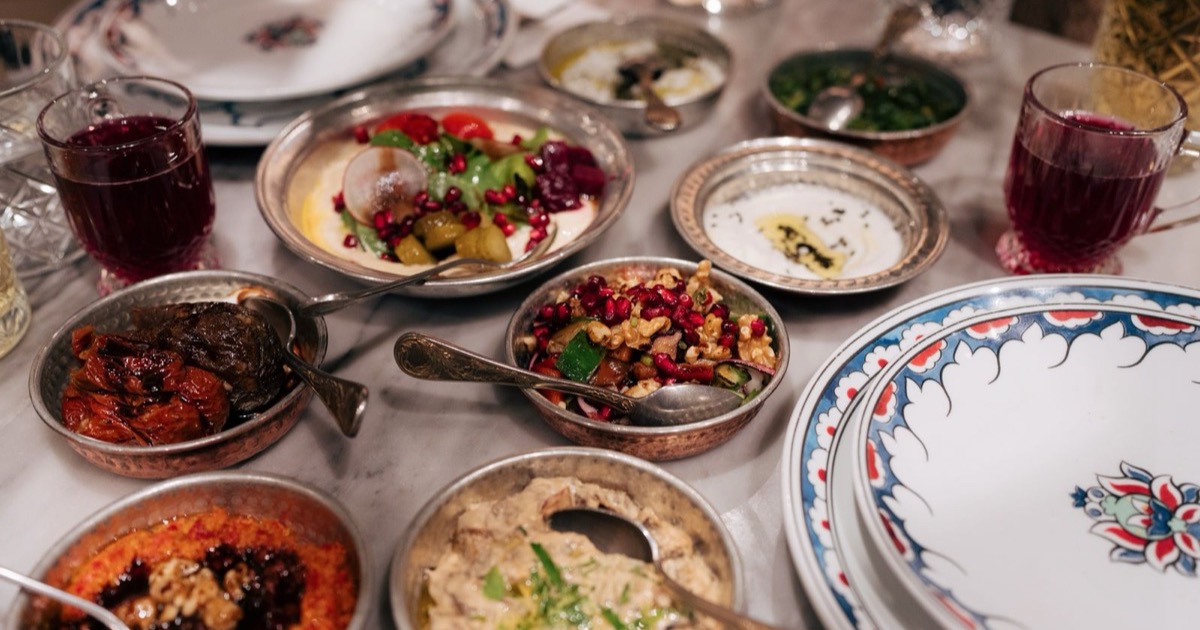
Not one dish but dozens of small plates: hummus, ezme (spicy tomato dip), haydari (yogurt with herbs), patlican salatasi (smoked eggplant), dolma, sigara boregi. Order with raki for the full experience.
10. Balik Ekmek
Grilled fish stuffed in a bread roll with onion and lettuce. Best eaten on the Galata Bridge in Istanbul for $5.
11. Kumpir
A giant baked potato stuffed with butter, cheese, and 20-plus toppings of your choice. Famous in Ortakoy. Costs $4 to $7 — basically a meal in itself.
12. Gozleme
Thin handmade flatbread folded around fillings like cheese and spinach, potato, or minced lamb, then cooked on a sac (griddle). Often made by village women — rustic perfection.
13. Testi Kebab
Lamb stew slow-cooked in a sealed clay pot, then ceremonially cracked open at your table. A Cappadocia specialty, $15 to $20.
14. Baklava
Layers of paper-thin filo, pistachios or walnuts, and syrup. The best is from Gaziantep. Buy by the kilo from Karakoy Gulluoglu in Istanbul.
15. Lokum (Turkish Delight)
Soft, chewy, perfumed candy in flavors from rose to pomegranate to pistachio. Skip airport boxes — buy fresh from Haci Bekir, the brand that invented it in 1777.
Don't Miss These Drinks
Cay (Turkish tea) — the national drink, served in tulip glasses everywhere. Free refills are common. Turk kahvesi (Turkish coffee) — strong, unfiltered, and traditionally read for fortunes after. Ayran — salty yogurt drink, excellent with kebab. Salgam — a sour purple turnip juice, beloved in Adana. Raki — anise-flavored spirit; pour, add water, watch it turn cloudy white (the "lion's milk" effect).
Where to Eat Like a Local
Look for esnaf lokantasi (tradesman's eateries) — cafeteria-style spots where locals queue at lunch for hot stews and pilafs at unbeatable prices ($5 to $8). Avoid restaurants with photo menus and English-only signs in tourist zones — you'll pay double for half the flavor. Use Google Maps reviews in Turkish (translate them) for honest opinions.
Practical Tips
Most Turkish food is halal. Vegetarian options are abundant — meze platters and zeytinyaglilar (olive-oil dishes) are mostly meat-free. Tipping is 10 percent. Tap water is generally fine in cities but bottled water is cheap ($0.50). Don't refuse offered tea — accepting is part of Turkish hospitality.
Conclusion
Turkish cuisine is an entire universe to explore, and every region adds new layers. Eat slowly, share generously, and don't skip dessert. Tesekkurler, Turkey, for one of the world's most generous food cultures. Plan your foodie route through MatchOnWay and taste your way across the country.
Sources & Further Reading
Frequently Asked Questions
Is Turkish food spicy?
Most Turkish food is moderately seasoned with herbs and warm spices like cumin and sumac, rather than chili heat. Some southeastern dishes (like Adana kebab) carry more heat, but you can request milder versions.
What is meze and how do you order it?
Meze are small plates served before the main course — think Turkish tapas. Order 4–6 between two people for variety. Common favorites include haydari, ezme, and pilaki.
Can vegetarians eat well in Turkey?
Yes. Vegetarians have plenty of choice: zeytinyagli (olive oil) dishes, manti, gozleme, dolma, and a wide range of vegetable meze. Vegan options are growing fast in Istanbul and coastal cities.
What's the difference between doner and kebab?
Doner refers specifically to meat slow-roasted on a vertical spit and shaved off in slices. Kebab is a broader category covering grilled, stewed, or baked meat dishes — Adana, Urfa, and shish kebab are all kebab variations.
What should I drink with Turkish food?
Ayran (salted yogurt drink) is the classic non-alcoholic pairing, especially with kebabs. With meze, locals favor raki diluted with water. Turkish tea is offered after almost every meal.