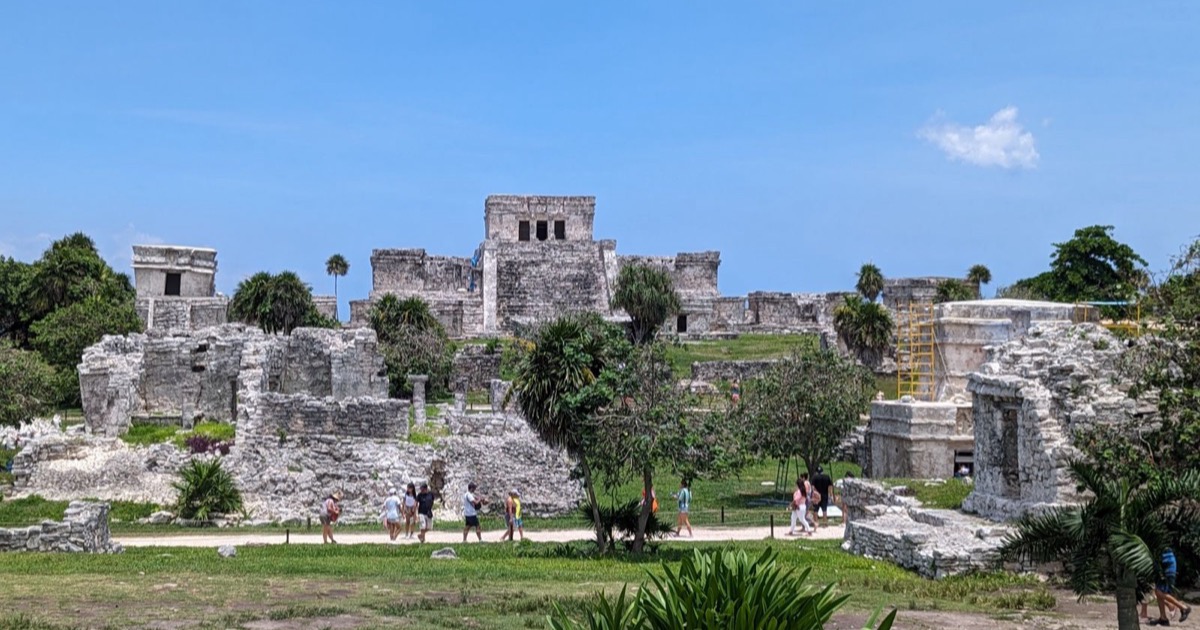

Pedaling along the turquoise shoreline of the Riviera Maya offers a fresh perspective on two of Mexico’s most talked‑about beach towns.
Pedaling along the turquoise shoreline of the Riviera Maya offers a fresh perspective on two of Mexico’s most talked‑about beach towns. Whether you choose to bike Riviera Maya Tulum or head north to Playa del Carmen, the experience blends sun‑kissed sand, ancient ruins, and crystal‑clear cenotes into a single ride. This guide breaks down the practical differences, highlights the most scenic beachfront routes, and offers safety tips so you can enjoy a confident cycling vacation Mexico style. Grab your helmet, pack lightweight gear for a tropical climate, and let the coast become your classroom.
What are the main differences between biking in Tulum and Playa del Carmen?
Tulum’s bike scene leans toward a laid‑back, eco‑conscious vibe. The town’s bike rentals are often located near the beach zone and the archaeological site, with prices reflecting the boutique market. Expect a mix of single‑speed city bikes and sturdy hybrids suited for sandy stretches and occasional off‑road detours into the Sian Ka’an biosphere. The routes tend to be shorter, winding through boutique hotels, yoga studios, and small‑scale restaurants that cater to a bohemian crowd.
Playa del Carmen, by contrast, supports larger organized bike tours that can accommodate groups of up to twenty riders. The coastal bike trail here is smoother, paved for most of its length, and connects directly to the bustling Fifth Avenue promenade. Rental shops offer a broader inventory, including electric assist models that make the longer Riviera Maya cycling routes feel more manageable. The town’s nightlife, dining variety, and urban layout give cyclists a more conventional city feel with easy access to bike‑friendly accommodations.
Both destinations provide access to Tulum bike rentals and Playa del Carmen bike tours, yet the overall atmosphere and infrastructure differ enough that your choice will shape the rhythm of each day on the saddle.
Which beachfront bike routes offer the best scenery in the Riviera Maya?
The coastline between Tulum and Playa del Carmen is dotted with routes that showcase the region’s natural beauty. In Tulum, the Beach Loop follows a coastal bike trail that hugs the white‑sand shoreline, passes several cenote cycling stops, and offers occasional views of the ancient ruins perched on cliffs. Riders can pause at bike‑friendly accommodations that provide secure storage and fresh water.
Northward, Playa del Carmen’s Coastal Path stretches further, linking the bustling town center with quieter beach coves. This route is popular among guided groups, with bike tour guides highlighting local flora, historic fishing villages, and opportunities to dip into the sea at designated stops. The path’s smooth pavement makes it ideal for scenic beach cycling and for those who prefer a more predictable surface.
| Route | Length (km) | Highlights | Difficulty | Typical Rental Cost (USD) |
|---|---|---|---|---|
| Tulum Beach Loop | 12 | White‑sand beaches, cenote stops, ruins vista | Easy‑moderate | 15‑20 per day |
| Playa del Carmen Coastal Path | 18 | Urban beachfront, fishing villages, sea‑side cafés | Easy | 12‑18 per day |
| Sian Ka’an Reserve Trail | 22 | Protected mangroves, wildlife observation, remote beaches | Moderate | 20‑25 per day (specialized bike) |
| Xcaret Eco Route | 16 | Eco‑park access, river crossings, tropical forest edges | Moderate | 18‑22 per day |
When planning a scenic beach cycling adventure, consider the best bike paths Riviera Maya has to offer alongside the type of bike gear you’ll need. A lightweight helmet, breathable clothing, and a reliable lock are essential, especially for stops at popular cenotes where crowds gather.
How safe are the bike paths in Tulum compared to Playa del Carmen?
Safety on the bike lanes of both towns is generally good, but the factors that influence risk differ. In Tulum, the coastal bike trail is shared with pedestrians and occasional beach‑goers, so riders must stay alert for sudden foot traffic and sand‑driven wind gusts. The route’s proximity to the ocean also means occasional high tide can narrow the usable path, so checking local tide charts is a useful safety tip for cycling Riviera Maya.
Playa del Carmen benefits from better lighting and more clearly marked bike lanes, especially in the downtown stretch. However, the higher volume of traffic—including scooters and delivery motorcycles—requires cyclists to maintain a defensive riding style. Local authorities have installed speed‑reduction signage near popular bike‑tour launch points, which helps keep the flow predictable.
Both locations encourage the use of reflective gear and helmets, and most bike rental shops provide a quick safety briefing. By following basic safety tips for cycling Riviera Maya—such as staying hydrated, using sunscreen, and keeping a repair kit handy—riders can enjoy the routes with confidence.
What bike rental options are available for visitors in Tulum?
Tulum’s compact layout and network of paved lanes make it a prime spot for two‑wheel exploration. Rental shops line the main avenues of both the town (Pueblo) and the beachfront zone, offering everything from single‑speed cruisers to mountain‑bike hybrids equipped with front suspension for the occasional cobblestone stretch. Most outlets operate on a daily or weekly basis, accept major credit cards, and require a modest refundable deposit. Prices tend to rise during peak season (December‑April), but many providers extend discounts for multi‑day bookings or group rentals.
When choosing a shop, consider the type of riding you plan to do. If your itinerary focuses on the beach‑side bike paths and the nearby cenote trail, a lightweight road bike or a city hybrid will provide a smoother ride. For ventures into the jungle‑adjacent routes toward the Sian Kaʼan reserve, a sturdy mountain bike with wider tires offers better grip. Many locations also supply helmets, lockable bags, and maps of the most popular cycling loops.
| Vendor | Bike Type | Daily Rate (USD) | Deposit | Location |
|---|---|---|---|---|
| Beachside Rentals | Hybrid / Road | 15‑20 | 150 | Hotel zone, Tulum Beach |
| Pueblo Pedal | Mountain | 18‑22 | 200 | Central Tulum (Pueblo) |
| EcoCycle Tulum | Electric assist | 30‑35 | 250 | Near Tulum Ruins entrance |
| Green Wheels | Single‑speed cruiser | 12‑16 | 120 | Along Avenida Tulum |
Where can I find guided group bike tours along the Riviera Maya coast?
Guided tours combine local knowledge with safe routes, allowing cyclists to focus on scenery rather than navigation. Several operators run day‑long or half‑day excursions that start in either Tulum or Playa del Carmen and travel north or south along the coastline, stopping at iconic spots such as the Sian Kaʼan biosphere, the quieter Xpu‑Ha beach, and selected cenotes. Most tours provide a professional guide, a well‑maintained bike, a helmet, and a light snack or water refill.
- Coastal Explorer – 6‑hour ride from Tulum to the ancient ruins of Muyil, includes a guided walk through the wetlands.
- Sunset Spin – Evening departure from Playa del Carmen, follows the beachfront promenade to a beachside bar for drinks.
- Jungle Loop – Half‑day trip departing Tulum, traverses the jungle trail to a hidden cenote for a quick dip.
- Riviera Heritage Ride – Full‑day tour starting in Playa del Carmen, visits the historic town of Puerto Morelos and the coral reef viewpoint.
- Eco‑Adventure Cycle – Two‑day package with overnight stay in a beachfront eco‑lodge, covering both Tulum and Playa del Carmen routes.
- Family Friendly Pedal – Short 2‑hour loop suitable for children, includes a stop at a local market for fresh fruit.
- Fitness Challenge – High‑intensity ride for experienced cyclists, includes hill climbs near the highway corridor.
How much should I budget for a bike trip in Tulum versus Playa del Carmen in 2026?
Budgeting for a cycling vacation hinges on three main categories: equipment, guided experiences, and daily expenses such as meals and accommodation. In Tulum, bike rentals average between $12 and $35 per day, with electric‑assist models at the higher end. Guided group tours range from $45 to $90 per person for a half‑day outing, while private tours can exceed $150. Accommodation in Tulum’s boutique hotels typically starts around $80 per night for a double room, though budget hostels can be found for $30‑$45.
Playa del Carmen presents a slightly lower cost structure. Daily bike rentals hover between $10 and $25, and group tours are often priced $5‑$10 less than comparable Tulum offerings due to larger group capacities. The city’s hotel market is broader, with mid‑range options beginning at $70 per night and a larger selection of budget‑friendly hostels at $25‑$35. Food prices are similar across both destinations, though Playa del Carmen’s larger restaurant scene provides more low‑cost street‑food choices.
Overall, a 5‑day cycling itinerary that includes daily bike rentals, two guided tours, and mid‑range lodging will cost roughly $650‑$800 in Tulum, while the same plan in Playa del Carmen can be achieved for $550‑$700. Adjustments for luxury stays, private guides, or additional activities will shift the totals accordingly.
What are the essential stops and cenotes along a Riviera Maya bike ride?
The coastal bike path that hugs the Caribbean shoreline links Tulum’s beach zone with Playa del Carmen’s promenade. Along the route, riders can dip into freshwater lenses that break the tropical heat. A popular first stop is the entrance to Gran Cenote, where a short detour off the main lane leads to crystal‑clear waters framed by limestone pillars. After a quick swim, continue north to Cenote Calavera, known for its three‑hole opening that creates a natural ventilation system.
Further along, the trail passes the archaeological site of Cobá, where a paved segment allows cyclists to explore ancient avenues before rejoining the seaside route. Near the midway point, the twin chambers of Dos Ojos offer a longer water break and a chance to experience the famed “two eyes” view from the surface. The final stretch before Playa del Carmen includes a stop at the eco‑park of Xcaret, where a dedicated bike lane circles the mangrove boardwalk, providing both shade and a scenic perspective of the lagoon.
Which accommodations are most bike‑friendly in Tulum and Playa del Carmen?
Both towns have embraced the growing cycling community with properties that cater to riders’ practical needs. In Tulum, boutique hostels in the Pueblo area often provide secure indoor bike storage, on‑site repair tools, and partnerships with nearby rental shops for discounted rates. Beach‑front resorts in the Hotel Zone typically feature covered racks on the lobby terrace and complimentary helmets for guests.
Playa del Carmen’s urban core offers a broader range of mid‑range hotels that include bike‑friendly amenities such as 24‑hour access to a climate‑controlled garage, on‑site laundry for quick gear washes, and concierge services that can arrange guided rides along the beachfront promenade. Many of these properties also provide maps highlighting safe crossing points and recommended rest stops.
- Hostel in Tulum Pueblo with indoor lockable bike room and free tire levers.
- Beach‑front boutique hotel in Tulum’s Hotel Zone offering covered racks and helmet loans.
- Mid‑scale hotel on Fifth Avenue in Playa del Carmen with a climate‑controlled bike garage.
- Eco‑resort near Xcaret featuring a shaded bike shelter and partnership discounts with local tour operators.
- Apartment‑style lodging in Playa del Carmen’s downtown offering on‑site repair kits and a communal bike lounge.
- Family‑run guesthouse in Tulum’s beach area providing complimentary bike maps and secure outdoor racks.
- Design‑focused boutique hotel in Playa del Carmen with a dedicated bike concierge and daily maintenance checks.
What gear should I pack for cycling on the Riviera Maya beaches?
The climate in May‑June combines high humidity with intense sun, so lightweight, moisture‑wicking apparel is essential. A short‑sleeve jersey with UV‑protective fabric, breathable shorts, and a wide‑brim hat will keep you comfortable during long stretches on the coastal path. Pack a pair of waterproof panniers to protect electronics and spare clothing from sudden rain showers that can appear in the afternoon.
Safety accessories include a sturdy lock (U‑type or folding) for securing the bike at rest stops, a compact multi‑tool, and a spare tube or patch kit for quick repairs on the go. Hydration is critical; a 1‑liter water bladder that fits inside the frame’s downtube or a reusable bottle with a built‑in filter will reduce the need for frequent refills. Finally, bring a pair of polarized sunglasses to cut glare off the sea and a lightweight rain jacket for the occasional tropical downpour.
How do weather and seasonal conditions affect biking in the Riviera Maya?
The Riviera Maya experiences a tropical climate, meaning warm temperatures year‑round and a distinct wet season from June through October. During the dry months of November to May, mornings are typically clear, humidity is moderate, and afternoon breezes keep the heat tolerable for long rides along the coast. This period also sees the lowest chance of sudden rainstorms, making it the most reliable window for uninterrupted cycling.
In the rainy season, brief but intense showers can appear, especially in the afternoons. While a quick downpour rarely lasts more than an hour, the combination of high humidity and occasional thunderstorms can make the pavement slick and reduce visibility. Cyclists should carry waterproof bags for electronics, wear quick‑dry clothing, and plan routes that include shelter points such as beach clubs or small cafés.
Are there any eco‑tourism bike programs in Tulum or Playa del Carmen?
Both towns host community‑run initiatives that blend cycling with conservation. In Tulum, a local non‑profit offers guided rides that pass through protected mangrove corridors and nearby cenotes, educating participants on the importance of preserving these freshwater habitats. The tours use bikes equipped with reusable water bottles and provide reusable bags for any purchases, reinforcing a low‑impact mindset.
Playa del Carmen’s municipal tourism office partners with a regional environmental organization to run a “Bike the Reef” program. Riders follow a marked coastal trail that includes informational stations about coral health, sea turtle nesting sites, and waste reduction. The program encourages participants to log their mileage on a public platform, helping the city track the carbon offset generated by cyclists.
Sources & Further Reading
Frequently Asked Questions
Is it easy to rent a bike in Tulum for a day?
Yes, several shops in both the town center and the beach zone offer day‑rate rentals, typically providing mountain or hybrid models suited for the mixed terrain. Most locations require a passport copy and a modest deposit, and they often include a basic repair kit. Reservations can be made online, but walk‑ins are usually accommodated during peak tourist periods.
Do I need a helmet to bike on the Riviera Maya beaches?
Local regulations do not mandate helmets for adult cyclists on public roads, but many rental agencies include them in the price and strongly recommend their use. Wearing a helmet is especially prudent on sand‑packed paths where loose gravel can pose a slipping hazard, and it adds a layer of safety in case of unexpected traffic.
Are there dedicated bike lanes between Tulum and Playa del Carmen?
The main highway connecting the two towns has a shared‑use shoulder that many cyclists use, though it is not a fully separated lane. In recent years, municipalities have painted bike‑friendly markings and installed signage to alert drivers of cyclist presence. Riders should stay alert, especially near intersections and bus stops where traffic can be unpredictable.
What is the average distance of a beachfront bike ride in the Riviera Maya?
A typical coastal loop from the Tulum beach zone to the nearby archaeological site and back measures roughly 15 kilometers. In Playa del Carmen, a popular stretch from the central promenade to the ferry terminal and returning covers about 12 kilometers. Both routes can be extended by adding side trips to nearby cenotes or boutique villages.
Can I join a group bike tour without prior experience?
Group tours are designed for a range of skill levels, and most operators provide a brief safety briefing before setting off. Beginners are paired with more experienced riders, and the pace is kept moderate to accommodate varied fitness levels. It is advisable to bring a water bottle and sunscreen, as rides often last two to three hours.
How do I protect my bike from sand and humidity on the coast?
After each ride, wipe down the frame and drivetrain with a dry cloth to remove salt and sand particles. Applying a light coat of corrosion‑resistant spray to the chain and gears can extend component life. Storing the bike under a shaded canopy reduces exposure to UV rays, which can degrade paint and rubber over time.
What are the best times of year for cycling in Tulum and Playa del Carmen?
The most favorable months are November through April, when temperatures stay between 24 °C and 30 °C and rainfall is minimal. During these months, sea breezes help keep the air comfortable, and the likelihood of encountering a storm is low. Cyclists who prefer fewer crowds may aim for early May, just before the rainy season begins.
Are there any bike‑friendly restaurants or cafés along the route?
Both towns feature several eateries that provide secure bike racks and easy access from the main cycling corridors. In Tulum, many beachfront cafés have outdoor seating that allows cyclists to park their bikes nearby while enjoying a meal. Playa del Carmen’s pedestrian promenade hosts a mix of local and international spots that welcome riders with complimentary water refills.
How much do guided bike tours cost in Playa del Carmen compared to Tulum?
Guided tours in Playa del Carmen generally fall in a slightly lower price range than those in Tulum, reflecting the larger group sizes and more developed infrastructure. A half‑day excursion in Playa del Carmen typically costs between $30 and $45 USD per person, while a comparable tour in Tulum is often priced between $45 and $60 USD. Prices usually include bike rental, a guide, and a brief stop at a local attraction.
Before setting out, double‑check the operating hours of bike rental shops and confirm any reservation requirements. A quick review of the weather forecast and a few basic maintenance steps will help ensure a smooth and enjoyable ride along the Riviera Maya’s stunning coastline.
Reviewed by our editor for Europe
Marco BianchiEurope Editor
Europe travel writer focused on city culture, museums and historic routes across the continent.
More articles by Marco Bianchi →