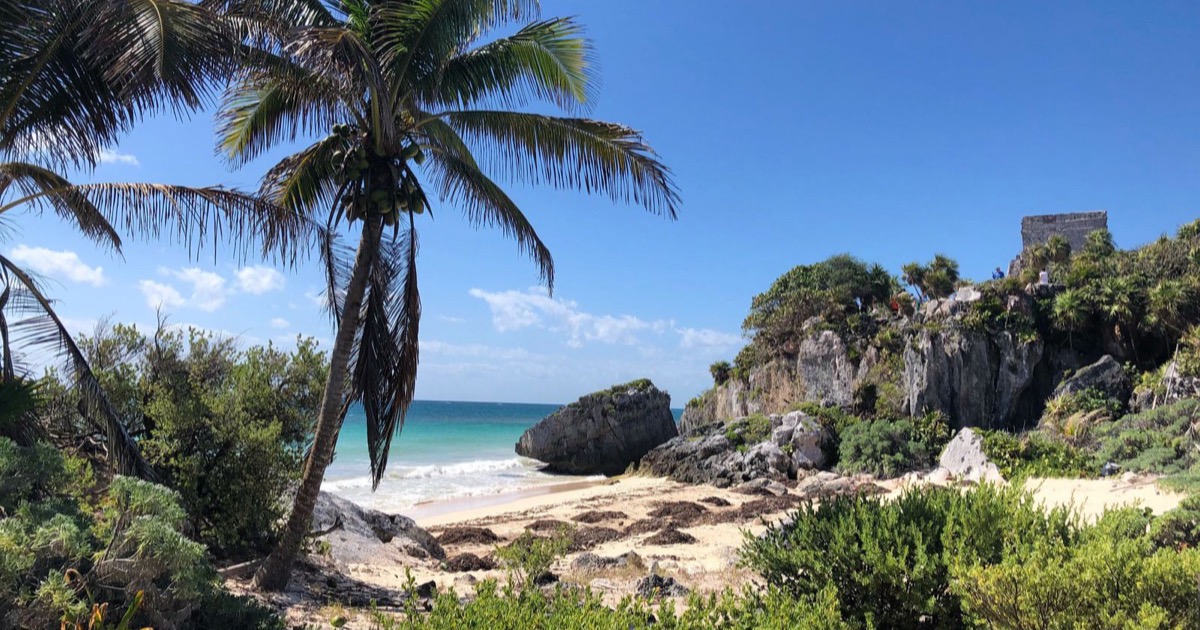

Travelers who choose Tulum ruins cultural tours often leave with stories that linger long after the last stone has been examined.
Travelers who choose Tulum ruins cultural tours often leave with stories that linger long after the last stone has been examined. The blend of ancient architecture, turquoise sea breezes, and knowledgeable guides creates a setting where history feels immediate. In 2026, the demand for authentic, story‑driven experiences has pushed operators to refine their narratives, making each visit feel like a conversation with the past.
How do travelers describe the storytelling experience on Tulum ruins tours?
Guests repeatedly mention that the most memorable aspect is the guide’s ability to weave facts with folklore. Rather than reciting dates, storytellers frame each temple as a chapter in a living saga, describing how priests once chanted at sunrise and how traders once bargained for jade. This approach transforms stone walls into characters, allowing visitors to visualize daily life in the ancient city.
Reviews also highlight the use of vivid analogies that link Mayan concepts to modern sensibilities. A common compliment notes how guides compare the Maya’s celestial observations to today’s GPS, illustrating the sophistication of their astronomy without jargon. Such relatable comparisons help travelers of all backgrounds grasp complex cultural nuances while staying engaged.
Finally, many travelers appreciate the interactive pauses built into the tour. Guides often invite participants to try simple gestures used in ritual dances or to repeat a traditional chant. These moments turn passive observation into active participation, reinforcing the narrative and leaving a lasting impression.
What cultural insights can you expect from a guided Tulum ruins tour?
A well‑structured guided tour offers more than a visual walkthrough; it provides a layered understanding of Mayan society. Visitors learn about the city’s strategic coastal position, which facilitated trade with distant regions such as the Yucatán interior and the Caribbean islands. This trade network explains the presence of exotic materials like obsidian and marine shells in the archaeological record.
The tours also delve into the social hierarchy that defined daily life. Guides explain the roles of elite families, priest‑craftsmen, and common laborers, illustrating how communal projects like the construction of the El Castillo platform required coordinated effort. By connecting architectural features to social organization, travelers gain insight into the community’s collective identity.
| Tour Operator | Group Size | Eco Practices | Pickup Locations | Special Features |
|---|---|---|---|---|
| Coastal Maya Stories | 8‑12 | Reusable water bottles, carbon‑offset transport | Riviera Maya, Cancun, Tulum | Live reenactments of a market scene |
| Sunrise Ruins Expedition | 4‑6 | Zero‑waste snack packs | Playa del Carmen, Tulum Pueblo | Early‑morning photography tips |
| Heritage Walks Collective | 10‑15 | Plastic‑free lunch boxes | All major Riviera Maya hotels | Post‑tour workshop on Mayan glyphs |
Choosing a small‑group option often enhances the depth of discussion, as guides can tailor explanations to the interests of the participants. Eco‑friendly practices, increasingly common among operators, also signal a respect for the surrounding environment that mirrors ancient Mayan stewardship of the land.
Which Tulum ruins tours offer authentic Mayan history narration?
Among the most praised experiences are tours led by local descendants of Mayan families. Their personal connection to the culture adds authenticity, as they share family anecdotes passed down through generations alongside archaeological facts. This blend of personal memory and scholarly research creates a narrative that feels both credible and heartfelt.
Another standout is the “Chronicles of the Coast” itinerary, which partners with regional museums to incorporate recent discoveries into the storyline. Guides reference the latest excavation reports, explaining how new findings have reshaped understanding of the city’s defensive walls. Travelers value this up‑to‑date perspective, feeling that they are witnessing history in the making.
Finally, tours that incorporate cultural immersion activities—such as traditional cooking demonstrations or pottery workshops—extend the narration beyond the site itself. By engaging with living traditions that echo ancient practices, participants experience a continuity that reinforces the authenticity of the historical account.
How can I choose a small‑group Tulum ruins cultural tour that fits my schedule?
Small‑group tours give you a chance to ask questions, hear personal anecdotes, and stay close to the archaeological site without the crowds that overwhelm larger buses. When evaluating options, start by checking the typical group size advertised; tours that cap participants at 10‑12 people usually allow the guide to pause for deeper explanations of stone carvings, altar placements, and the daily life of the ancient Maya. Reviews that highlight “intimate” or “personalized” experiences often point to operators who keep groups tight and itineraries flexible.
Next, match the tour length to your travel rhythm. Some providers run a half‑day “Tulum ruins day trip” that departs early, returns by noon, and leaves the afternoon free for beach time or cenote visits. Others offer a full‑day package that combines the ruins with a nearby cenote swim and a traditional Yucatán lunch. If you are staying in the Pueblo area, look for departure windows that avoid rush‑hour traffic on Highway 307; many guides schedule pick‑ups at 7:30 am or 9:00 am to guarantee arrival at the site before the sun reaches its peak.
| Tour Operator | Group Size | Duration | Departure Time | Key Highlights |
|---|---|---|---|---|
| Coastal Maya Adventures | 8‑12 | 5 hours | 7:30 am (Hotel pick‑up) | Guided Tulum ruins tour, beach stop, optional cenote swim |
| Riviera Maya Heritage Walks | 10‑14 | 4 hours | 9:00 am (Plaza pick‑up) | In‑depth Mayan cultural tour, storytelling, QR‑code audio guide |
| Sunset & Ruins Collective | 6‑10 | 6 hours | 8:00 am (Cancún airport) | Full‑day itinerary, lunch at a local family-run restaurant, sunset view from the cliff |
What are the most common traveler concerns about safety on Tulum ruins tours?
Safety questions dominate the conversation in recent Tulum ruins tour reviews. The most frequent worry relates to the uneven limestone steps and occasional loose stones near the cliff‑side terraces. Guides who provide a brief safety briefing, recommend sturdy footwear, and point out high‑traffic zones tend to receive higher satisfaction scores. Another recurring topic is the presence of wildlife—particularly iguanas and occasional snakes—that may appear in the underbrush. Most operators carry basic first‑aid kits and know the nearest medical facilities, which eases traveler anxiety.
Personal security on the road to the site also appears in many comments. Pick‑up points in busy hotel zones or airport terminals are generally considered safe, but travelers note that late‑afternoon departures can encounter slower traffic and reduced visibility. Reputable companies often equip their vehicles with GPS tracking and maintain a low driver‑to‑passenger ratio, allowing quick communication if a participant feels uncomfortable. Finally, concerns about the authenticity of the information shared arise; guests prefer guides who reference archaeological research rather than relying solely on folklore.
- Uneven terrain and steep steps – wear closed‑toe shoes.
- Potential encounters with iguanas or non‑venomous snakes.
- Heat exposure – bring water, sunscreen, and a hat.
- Road safety during pick‑up and drop‑off – choose operators with vetted drivers.
- Medical emergencies – verify that the tour carries a first‑aid kit and knows the nearest clinic.
- Information accuracy – look for guides who cite recent excavations or museum collaborations.
- Group size affecting personal attention – smaller groups usually allow quicker response to any issue.
How do pickup locations like Cancun or Riviera Maya affect the Tulum ruins tour experience?
Pickup location determines both travel time and the overall rhythm of the day. Guests joining from Cancun International Airport often face a longer drive (approximately 2 hours) before reaching the ruins, which can be advantageous for those who prefer a single, consolidated journey that includes a scenic coastal stretch. Operators based in Cancun frequently bundle airport assistance, luggage handling, and a short welcome briefing, creating a seamless transition from flight to fieldwork.
Riviera Maya pick‑ups, especially from popular resort towns such as Playa del Carmen or Puerto Morelos, cut the road time to roughly 45‑60 minutes. This shorter transit allows tours to start later in the morning, giving travelers more flexibility for a relaxed breakfast or a quick beach dip before the guide departs. However, the trade‑off can be higher traffic during peak hours, which some drivers mitigate by using secondary routes that pass through less congested villages.
For visitors staying in Tulum’s Pueblo district, the advantage is immediate proximity; many local operators offer “walk‑out” pickups from central plazas, eliminating the need for a vehicle altogether. This arrangement often results in a more intimate start, as the guide can meet the group in a casual setting, discuss expectations, and answer any last‑minute questions before heading to the archaeological site.
What extra activities are included in the best Tulum ruins cultural tours?
Many top‑rated operators weave a handful of complementary experiences into the core archaeological itinerary. After exploring the sea‑cliff temples, participants often receive a guided walk to a nearby cenote where a short swim or a gentle snorkel is offered. The water’s clarity provides a natural counterpoint to the stone carvings, and guides explain how freshwater sources held spiritual significance for the ancient Maya.
Another frequent addition is a short visit to a local cooperativa that showcases traditional crafts. Travelers can watch artisans weave palm mats, hand‑paint Talavera tiles, or prepare a simple Mayan‑style snack such as tamales wrapped in banana leaves. These sessions are usually led by community members, giving guests a chance to ask questions and support the local economy directly.
For groups seeking a slower pace, some tours schedule a sunrise yoga session on the beach or a brief meditation circle near the ruins. The practice is framed as a way to connect with the same natural rhythms that guided the city’s original inhabitants, and instructors often share stories about the Maya’s relationship with the cosmos.
How much should I budget for a full‑day guided tour of the Tongan ruins?
Pricing varies according to group size, inclusions, and pickup location. Small‑group tours that limit participants to ten or twelve people generally sit at the higher end of the spectrum because they allow the guide to tailor storytelling and answer individual questions. Expect a base fee that covers transportation from popular hubs such as the Riviera Maya, entrance to the archaeological park, and a professional guide with fluency in English and Spanish.
Additional costs may arise from optional extras like cenote entry fees, meals, or eco‑friendly merchandise. Travelers who prioritize sustainability often choose operators that offset carbon emissions or use hybrid vehicles; these choices can add a modest premium but align with responsible tourism principles.
- Standard small‑group day tour with Riviera Maya pickup: $80‑$110 per person.
- Inclusion of a guided cenote swim and snack: +$15‑$20.
- Private family tour (up to six guests) with a dedicated guide: $150‑$180 total.
- Eco‑certified operators using low‑impact transport: typically $5‑$10 extra.
- Optional cultural workshop (craft or cooking) at a local cooperative: $12‑$18.
- Travel insurance covering adventure activities: recommended at $5‑$10.
- Tip for guide (10‑15 % of total cost) if service exceeds expectations.
When is the ideal time of year to take a cultural tour of the Tulum ruins?
The climate along the Caribbean coast follows a predictable pattern that influences comfort levels and crowd density. The dry season, running from late November through April, offers lower humidity and minimal rain, making it the most popular window for visitors. During these months, mornings are cool enough for an early‑day exploration of the ruins before the sun climbs higher.
Travelers looking to avoid peak occupancy may consider the shoulder periods of late May and early October. While brief showers are possible, they rarely disrupt a full‑day itinerary, and the landscape retains a fresh, verdant quality. seaweed influxes that occasionally affect the shoreline tend to be less severe outside the summer months, allowing for clearer views of the coastal backdrop.
Regardless of the chosen month, it is advisable to bring sun protection, a reusable water bottle, and sturdy sandals. Booking a tour that offers flexible start times can also help adapt to unexpected weather shifts, ensuring the archaeological experience remains enjoyable from start to finish.
How do local guides incorporate sustainable practices into Tulum ruins tours?
Many guides begin each excursion with a brief explanation of the site's ecological sensitivity, urging participants to stay on marked pathways and avoid touching the stone carvings. By limiting foot traffic to designated trails, they reduce erosion and protect the fragile limestone that forms the ruins.
Guides often partner with nearby community initiatives, directing a portion of tour fees toward reef restoration and cenote preservation projects. Some operators provide reusable water bottles and biodegradable sunscreen options, minimizing plastic waste that could otherwise enter the coastal waters.
Education is woven into the narrative: travelers learn about traditional Mayan agricultural techniques that emphasized crop rotation and water conservation, offering a historical perspective on sustainability that resonates with modern environmental concerns.
What do reviews say about the value of Tulum ruins tours compared to self‑guided visits?
Visitors consistently highlight that knowledgeable guides transform a brief walk among the stones into a deeper cultural immersion. Reviewers note that guides can decode iconography, explain astronomical alignments, and share oral histories that are absent from plaque descriptions.
Many travelers appreciate the logistical ease of organized tours, especially those arriving from Cancun or the Riviera Maya. Pick‑up services, timed entry, and the ability to ask spontaneous questions are frequently cited as reasons the guided experience feels worth the added expense.
Self‑guided explorers often praise the freedom to linger, yet several reviews point out that without contextual storytelling, the ruins can feel like a collection of isolated fragments rather than a cohesive narrative of a once‑flourishing civilization.
Sources & Further Reading
Frequently Asked Questions
Are guided Tulum ruins tours worth the extra cost?
Most guests find the additional fee justified by the depth of insight provided, the convenience of transportation, and the ability to ask real‑time questions. Guides translate complex glyphs and legends into accessible stories, enriching the visit beyond what a brochure can offer. For travelers who value cultural context, the cost often feels like an investment in a more meaningful experience.
Can I book a private cultural tour of the Tulum ruins?
Private tours are widely available through local agencies and can be arranged online or at hotel concierge desks. These tours allow you to set the pace, focus on specific interests such as architecture or mythology, and enjoy a more intimate setting with the guide. Group size typically ranges from one to six participants, providing flexibility while still supporting sustainable tourism practices.
What language options are available for Tulum ruins tour guides?
Guides commonly offer tours in English, Spanish, and French, with some operators providing German, Italian, or Portuguese upon request. Multilingual guides often rotate languages throughout the day, so it’s advisable to confirm availability when booking. Many agencies also supply audio guides in additional languages for a modest surcharge.
How long does a typical Tulum ruins cultural tour last?
The standard group tour runs between 2½ and 3 hours, covering the main temple complexes, the coastal wall, and the on‑site museum. Private tours can be extended to 4 or 5 hours, allowing extra time for detailed discussions, photography, or a short hike to nearby viewpoints. The duration can be adjusted to match your itinerary and energy level.
Is it possible to combine a Tulum ruins tour with a beach visit?
Many operators schedule a brief beach stop after the archaeological segment, giving guests a chance to relax on the white sand and swim in the turquoise water. The combined itinerary usually adds 30‑45 minutes to the overall tour length. Check with the provider whether the beach portion includes amenities such as towels or shade.
What should I bring on a guided tour of the Tulum archaeological site?
Pack a hat, sunscreen, comfortable walking shoes, and a refillable water bottle. A lightweight rain jacket is useful during the rainy season, and a small backpack can hold personal items. Some guides recommend a notebook for jotting down Mayan terms or a portable charger for phone cameras.
Are there any age restrictions for participating in Tulum ruins tours?
Most tours welcome travelers of all ages, though children under eight may be required to sit with an adult at all times for safety reasons. Some operators offer family‑friendly versions with shorter walking distances and interactive storytelling tailored to younger audiences. Always verify specific age policies when reserving your spot.
How do I find tours that focus on Mayan mythology rather than just history?
Search for keywords such as “mythology,” “legend,” or “storytelling” on tour platforms, and read descriptions carefully. Guides with backgrounds in anthropology or indigenous studies often emphasize mythic narratives. Reading recent traveler reviews can also reveal which tours prioritize legends like the Jaguar God or the creation story of the world tree.
Do Tulum ruins tours provide transportation from major hotels in the Riviera Maya?
Most reputable companies include pick‑up and drop‑off service from popular hotel zones in Playa del Carmen, Puerto Morelos, and Cancun. Transportation is typically shared in air‑conditioned vans, though private shuttle options are also available for an extra fee. Confirm the pick‑up window when confirming your reservation to ensure a smooth start.
What COVID‑19 safety measures are currently in place for Tulum tours?
Operators follow local health guidelines, which may include optional mask use in crowded areas, regular sanitization of shared equipment, and limited group sizes to maintain physical distancing. Some guides provide hand sanitizer at the start of the tour and encourage guests to stay hydrated. Check the latest travel advisories before booking, as protocols can evolve.
When planning your visit, compare the depth of storytelling, sustainability commitments, and logistical conveniences offered by each tour to match your travel style. A well‑chosen guide can turn a brief stop at the ruins into a memorable cultural lesson that lasts long after you leave the shoreline.
Reviewed by our editor for the Americas & practical travel
James CarterAmericas & Practical Travel Editor
Travel writer covering the Americas plus the practical side of travel — budgets, eSIMs, visas and logistics.
More articles by James Carter →