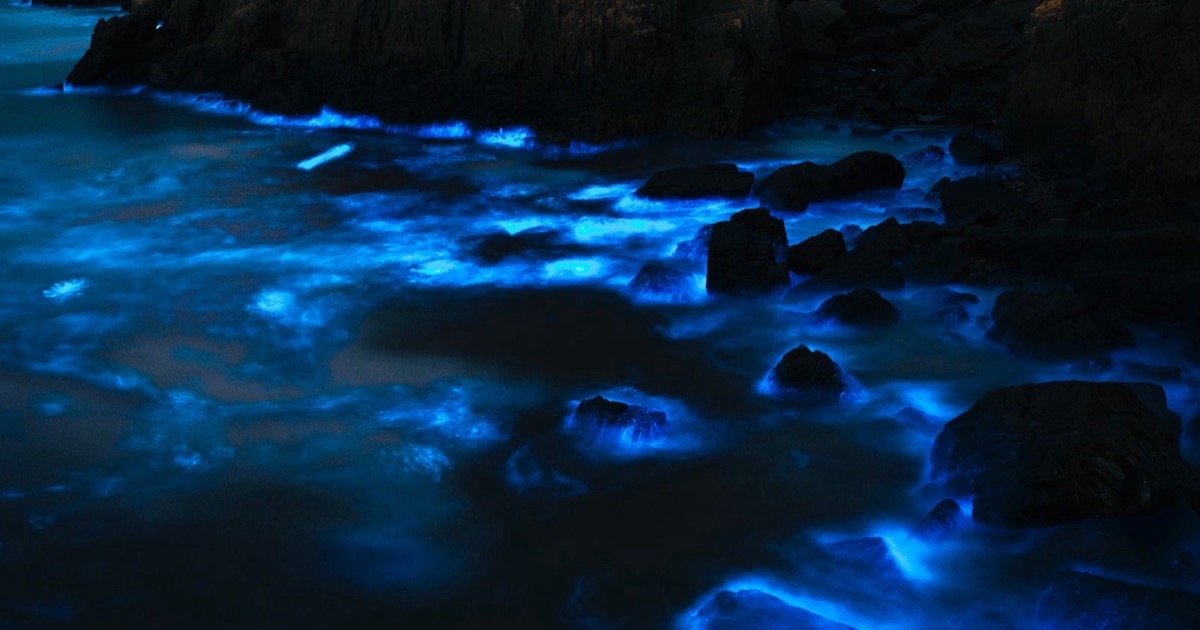

When the sun slips below the horizon and the jungle of Tulum comes alive with a soft, otherworldly glow, the allure of a Tulum night kayak tour becomes impossible to…
When the sun slips below the horizon and the jungle of Tulum comes alive with a soft, otherworldly glow, the allure of a Tulum night kayak tour becomes impossible to ignore. Paddling through the lagoon’s calm waters, you’ll witness tiny organisms flash like distant stars, creating a silent, luminous dance that feels both intimate and expansive. This adventure blends the raw beauty of the Yucatán Peninsula’s coastal ecosystems with the quiet thrill of night‑time exploration, offering a perspective that daytime visitors rarely experience. Whether you’re a seasoned paddler or a curious traveler, the bioluminescent jungle promises a memorable encounter with nature’s hidden light show.
What makes Tulum’s bioluminescent jungle unique for night kayaking?
The bioluminescent lagoon near Tulum is fed by underground rivers that carry nutrient‑rich water into a shallow basin surrounded by mangrove thickets. This environment nurtures a high concentration of dinoflagellates, the microscopic plankton responsible for the glowing effect. When a kayak blade disturbs the water, the organisms emit a brief flash of blue‑green light, a defensive response that creates a shimmering trail behind the paddler.
Beyond the scientific intrigue, the setting itself adds layers of wonder. The lagoon is tucked behind a fringe of tropical trees, and the night sky above is often clear, allowing the Milky Way to stretch across the horizon. The combination of dark water, subtle illumination, and the surrounding jungle’s nocturnal sounds—frogs, insects, distant howler monkeys—creates an immersive sensory experience that few other destinations can match.
Eco‑friendly practices further distinguish the experience. Most operators use wooden or recyclable kayaks, enforce a “leave no trace” policy, and limit group sizes to preserve the delicate balance of the ecosystem. This stewardship ensures that the glowing waters remain vibrant for future night paddlers.
When is the peak season for glowing waters in Tulum?
The intensity of bioluminescence in Tulum’s lagoon follows a seasonal rhythm tied to water temperature, lunar cycles, and nutrient flow. The most reliable period falls between late May and early October, when warm sea temperatures (around 27‑29 °C) stimulate plankton growth. During these months, especially after a rainy spell that introduces fresh organic material, the lagoon’s glow tends to be strongest.
Lunar phases also play a crucial role. New moons or nights with minimal moonlight provide the darkest skies, allowing the bioluminescent flashes to stand out. While a full moon does not eliminate the phenomenon, the contrast is reduced, making the glow appear less vivid. Travelers seeking the brightest displays often plan their night kayak tours around the first or third quarter moon, when enough darkness remains but tidal conditions are still favorable.
| Month | Glowing intensity | Water temperature | Crowd level |
|---|---|---|---|
| May‑June | High | 27‑28 °C | Low‑moderate |
| July‑August | Very high | 28‑29 °C | Moderate |
| September‑October | High | 27‑28 °C | Low |
| November‑April | Low‑moderate | 24‑26 °C | Low |
Travelers should also consider local weather patterns. The rainy season, which peaks in September, can bring occasional thunderstorms that may temporarily disrupt visibility. However, a brief rain shower often enhances plankton activity, leading to brighter displays once the sky clears.
Which kayak tours offer night trips to the bioluminal lagoon near Tulum?
Several operators specialize in Tulum night kayak tours, each emphasizing sustainability and local knowledge. One popular choice provides guided paddles with small groups of four to six participants, ensuring a personalized experience and minimal disturbance to wildlife. Guides typically wear headlamps with red filters to preserve night vision while pointing out key ecological features, such as mangrove roots and nesting birds.
Another provider focuses on cultural immersion, combining the night kayak with a brief talk on Mayan cosmology and the significance of bioluminescence in regional folklore. Their tours often start from a beachfront eco‑lodge, allowing guests to enjoy a pre‑paddle snack of locally sourced fruit before heading out onto the water.
For those seeking a more adventurous edge, a third company offers a “full moon” package that includes a night kayak followed by a beachside bonfire and acoustic music. While the bonfire is optional, the core paddling experience remains the same: a guided journey through the lagoon’s glowing waters, with all equipment—kayaks, paddles, life jackets—provided and maintained to eco‑friendly standards.
How do I prepare for a night kayak adventure in Tulum’s jungle?
Securing a spot on a reputable night‑kayak operator is the first step. Most companies limit groups to six paddlers per guide, so reservations should be made at least a week in advance, especially during the high season (December to April). Look for operators that hold a certification from the Mexican Ministry of Tourism and that provide a brief safety briefing before departure. If you prefer a self‑guided experience, confirm that the launch site—often the entrance to a cenote or a small lagoon—is open after dark and that local authorities allow private paddling after sunset.
Physical readiness matters more than you might think. Even a short 2‑kilometre paddle can become taxing when you are navigating by limited light and dealing with occasional currents. Spend a few days doing moderate cardio and core work; a simple routine of brisk walking, swimming, or cycling for 30 minutes a day will help you maintain stamina. Hydration is essential—carry at least one litre of water in a sealed container and sip regularly before you set off.
Timing your excursion around the lunar cycle maximises the glow of the bioluminescent organisms. A new moon or a thin crescent moon provides the darkest skies, allowing the lagoon’s natural light show to shine brightest. Check a reliable moon‑phase calendar and aim for nights when the moon is less than 25 % illuminated. consult tide tables; a low tide often concentrates the bioluminescent plankton near the shoreline, creating a more vivid display.
| Feature | Guided Tour | DIY Night Kayak |
|---|---|---|
| Local Knowledge | Guide knows optimal routes, safe entry points, and peak glow spots. | Rely on personal research; risk of missing the best viewing areas. |
| Safety Equipment | Provided: life jackets, waterproof lights, emergency radio. | Must bring your own gear; responsibility for compliance rests on you. |
| Group Size | Small, managed groups (max 6 paddlers) keep attention on each participant. | Potentially larger or solo paddling; less oversight. |
| Cost | Typically $70‑$100 USD per person, includes guide fee and equipment. | Variable; may be cheaper but adds hidden costs for gear rental. |
| Environmental Impact | Guides follow eco‑friendly practices, such as using red‑filtered lights. | Responsibility falls on you to adhere to low‑impact guidelines. |
What equipment and clothing should I bring for a bioluminescent kayak tour?
Choosing the right attire can make the difference between a comfortable night on the water and an uncomfortable one. Opt for lightweight, quick‑dry clothing that won’t retain moisture; a long‑sleeve shirt and breathable leggings protect against mosquitoes while allowing body heat to escape. Footwear should be sturdy yet flexible—water shoes with a good grip are ideal for stepping onto slippery rocks or shallow lagoon beds.
Lighting is a subtle art in a bioluminescent environment. A headlamp equipped with a red or amber filter preserves the natural glow while still providing enough illumination to navigate safely. Avoid bright white beams; they can overwhelm the delicate light produced by the plankton. Pack a small waterproof pouch for your phone, a portable power bank, and any personal medication you may need.
- Dry‑bag (minimum 20‑liter capacity) to keep electronics and spare clothing moisture‑free.
- Personal flotation device (PFD) that meets Mexican safety standards.
- Reusable water bottle with a built‑in filter for staying hydrated.
- Eco‑friendly insect repellent—prefer formulations without DEET to protect aquatic life.
- Reef‑safe sunscreen; even though you’ll be on the water after dark, UV exposure can occur during the early evening.
- Compact first‑aid kit containing band‑aids, antiseptic wipes, and blister pads.
- Light snack such as energy bars or dried fruit to maintain energy levels.
Are there safety considerations for kayaking after dark in Tulum?
Visibility drops dramatically once the sun sets, so navigation relies heavily on landmarks and the guide’s knowledge of the area. Familiarise yourself with the layout of the lagoon before the night begins; many tours include a short daylight paddle to point out key features such as shallow channels, submerged rocks, and exit points. Carry a whistle or a waterproof signaling device in case you become separated from the group.
Currents in cenotes and coastal lagoons can be deceptive. Even a gentle flow may push a kayak toward deeper water if you are not attentive. Before you launch, ask the guide about recent weather conditions, especially any recent rain that could have increased water levels. If you are paddling independently, check recent weather reports and avoid nights with forecasted storms or high winds.
Alcohol and medication that impair judgment should be avoided. The combination of darkness and water can quickly turn a minor misstep into a serious incident. Keep a small, sealed bag of emergency contact numbers—local rescue services, your accommodation, and the tour operator’s hotline. Finally, respect the ecological guidelines: stay within designated paths, do not touch the bioluminescent organisms, and pack out any waste you generate. Following these precautions helps ensure that the night’s glow remains a wonder for future paddlers.
How long does a typical night kayak tour to the bioluminescent lagoon last?
Most operators schedule a 2‑hour experience that begins about 30 minutes after sunset. The itinerary usually includes a short safety briefing, a gentle paddle out to the lagoon, a period of guided drifting while the plankton light up the water, and a return trip to the launch point.
Some tours extend to three hours when they incorporate a short trek through the surrounding jungle or a brief stop at a nearby cenote for a moonlit dip. Regardless of length, guides keep the pace relaxed to maximize visibility of the glowing organisms.
Can I combine a night kayak tour with visits to nearby cenotes or ruins?
Yes, many travel companies offer flexible packages that let you add a daytime excursion before or after the nocturnal paddle. Because the lagoon is accessible from the same road network that serves the main tourist corridors, it is practical to schedule a combined itinerary without excessive travel time.
When planning a combo day, consider the following popular add‑ons that pair well with a night kayak adventure:
- Morning dip at Gran Cenote, known for its crystal‑clear waters and easy access.
- Guided tour of the Tulum archaeological site, allowing a quick cultural immersion before sunset.
- Visit to Cenote Dos Ojos, where the twin sinkholes provide excellent snorkeling opportunities.
- Short hike through the Sian Ka'an biosphere reserve, offering bird‑watching and mangrove views.
- Afternoon exploration of the Coba ruins, with the option to climb the Nohoch Mul pyramid for panoramic views.
- Evening stroll along the Tulum beach strip, where local vendors sell fresh fruit and handmade crafts.
- Relaxed lunch at a beachfront restaurant that emphasizes sustainable sourcing.
What are the costs and booking options for Tulum night kayak experiences in 2026?
Group tours typically charge between 70 and 120 US dollars per person, covering equipment, guide services, and a brief safety orientation. Private charters are priced higher, often starting around 250 US dollars for up to four participants, and include a dedicated guide and the possibility to customize the route.
Reservations can be made directly through the operators’ websites, via reputable travel platforms, or through local eco‑tourism offices in Tulum Pueblo. Most providers accept major credit cards and digital wallets, and they usually require a 20‑30 % deposit to secure the slot. Cancellation policies vary, but a full refund is common if the notice is given at least 48 hours before the scheduled departure.
How do I get to the launch point for the bioluminescent kayak tours from Tulum town?
The most common departure spots for night paddles are the lagoon near Kaan Luum and the inlet of the Sian Ka’an biosphere. From the historic center, a shared “colectivo” heading south on Highway 307 will stop at the Kaan Luum turn‑off; the ride costs a few pesos per person and takes roughly 15 minutes. If you stay in the beach zone, a short taxi ride (about 5 minutes) drops you at the same access road, where operators keep a small parking area for guests.
For travelers who prefer a greener option, bicycles are widely available for rent in both the town and the beach zone. A 30‑minute ride along the paved coastal road brings you to the launch dock, and many operators will lock your bike while you paddle. If you are staying in a boutique hotel, the concierge can usually arrange a private shuttle that meets the tour’s start time, ensuring you arrive with enough daylight to gear up before darkness falls.
Are there eco‑friendly or sustainable kayak operators in Tulum?
Yes, several outfitters have adopted practices that reduce their environmental footprint. Most use kayaks built from recycled polyethylene or sustainably sourced wood, and they limit group sizes to six paddlers to minimize disturbance to the lagoon’s delicate shoreline. Guides receive basic training in marine ecology, allowing them to point out nesting sites and explain why certain areas are off‑limits during breeding seasons.
Operators also enforce a strict “leave no trace” policy: all plastic bottles are replaced with reusable water containers, and any waste generated on board is collected for proper disposal on land. Many provide reef‑safe sunscreen and encourage guests to wear biodegradable insect repellent, helping protect the bioluminescent plankton that thrives in the calm, low‑light waters.
Sources & Further Reading
Frequently Asked Questions
Is it safe to kayak at night in Tulum’s bioluminescent lagoon?
Guides are familiar with the area’s currents and hazards, and they equip each kayak with a waterproof flashlight set to a low, red hue to preserve the glow of the plankton. Safety briefings cover basic paddling techniques, emergency signals, and what to do if a participant feels uneasy. All tours carry a first‑aid kit and a satellite phone for remote communication.
Do I need a swimming license to join a night kayak tour in Tulum?
A formal swimming license is not required, but operators expect participants to be comfortable in water up to waist depth and able to swim short distances if needed. Those who lack confidence can request a life‑vest, which is standard equipment on every kayak. The guide will also demonstrate how to re‑enter the kayak from the water before departure.
How can I spot the bioluminescent plankton during a kayak trip?
The plankton emit a blue‑green flash when disturbed, so the best view comes after you paddle gently through the water. Guides often suggest a slow, rhythmic stroke that creates small ripples, prompting the organisms to light up. Darkness is essential; even a faint glow from a phone screen can diminish the effect, so keep electronic devices covered.
What is the average price for a night kayak tour in Tulum in 2026?
Most reputable operators charge between USD 45 and USD 70 per person for a two‑hour excursion that includes equipment, a guide, and a brief educational talk. Prices may rise slightly during peak holiday weeks or when a private group booking is requested. Discounts are sometimes offered for students or larger parties.
Are there age restrictions for participating in Tulum night kayak tours?
Children under 8 years old are generally not allowed because of safety concerns in low‑light conditions. Participants between 8 and 12 must be accompanied by an adult and may be required to wear a life‑vest at all times. Most operators set the minimum age at 12 for unaccompanied guests, but they welcome families with younger children if the group is supervised closely.
Can I bring my own kayak or equipment on the tour?
Operators usually prefer to supply their own kayaks to ensure uniform safety standards and to simplify the loading process at the launch site. However, if you own a lightweight, single‑person kayak that meets the operator’s size specifications, you can request permission in advance. Personal paddles and dry bags are allowed, but life‑vests must be provided by the guide.
What is the best way to travel from Tulum hotel zone to the kayak launch site?
A short taxi ride is the most convenient option, especially after dinner when public transport runs less frequently. For budget travelers, the local “colectivo” that runs along Highway 307 stops near the lagoon entrance and costs a fraction of a taxi fare. Bicycles are another eco‑friendly choice; most rental shops offer helmets and lockable racks suitable for the short ride.
How do weather conditions affect bioluminescence visibility in Tulum?
Clear, moonless nights produce the strongest displays because ambient light does not compete with the plankton’s glow. Overcast skies can actually enhance visibility by diffusing any stray light. Strong winds or rain stir up sediment, which can temporarily dim the effect, so guides monitor forecasts and may reschedule if conditions are unfavorable.
Are there any local regulations or permits required for night kayaking in Tulum?
The lagoon and surrounding wetlands are protected under Mexican environmental law, but commercial night paddles are covered by a tourism permit that reputable operators already hold. Guests do not need to obtain a separate permit, but they must follow the guide’s instructions regarding restricted zones and waste disposal. Violations can result in fines for the operator, so most companies take compliance seriously.
What sustainable practices should I follow while kayaking in the bioluminescent jungle?
Keep lights dim and use red filters to avoid washing out the plankton’s glow. Pack out every piece of trash, including biodegradable items, and refrain from touching or stepping on sensitive shoreline vegetation. Choose reef‑safe sunscreen, avoid single‑use plastics, and respect any “no‑entry” signs that protect nesting sites or fragile habitats.
Plan your transport to the launch point ahead of time, arrive a few minutes early for the safety briefing, and remember that the glow you witness is a living phenomenon that thrives on careful stewardship. A respectful approach ensures that future visitors can share the same magical night on the water.
Reviewed by our editor for the Americas & practical travel
James CarterAmericas & Practical Travel Editor
Travel writer covering the Americas plus the practical side of travel — budgets, eSIMs, visas and logistics.
More articles by James Carter →