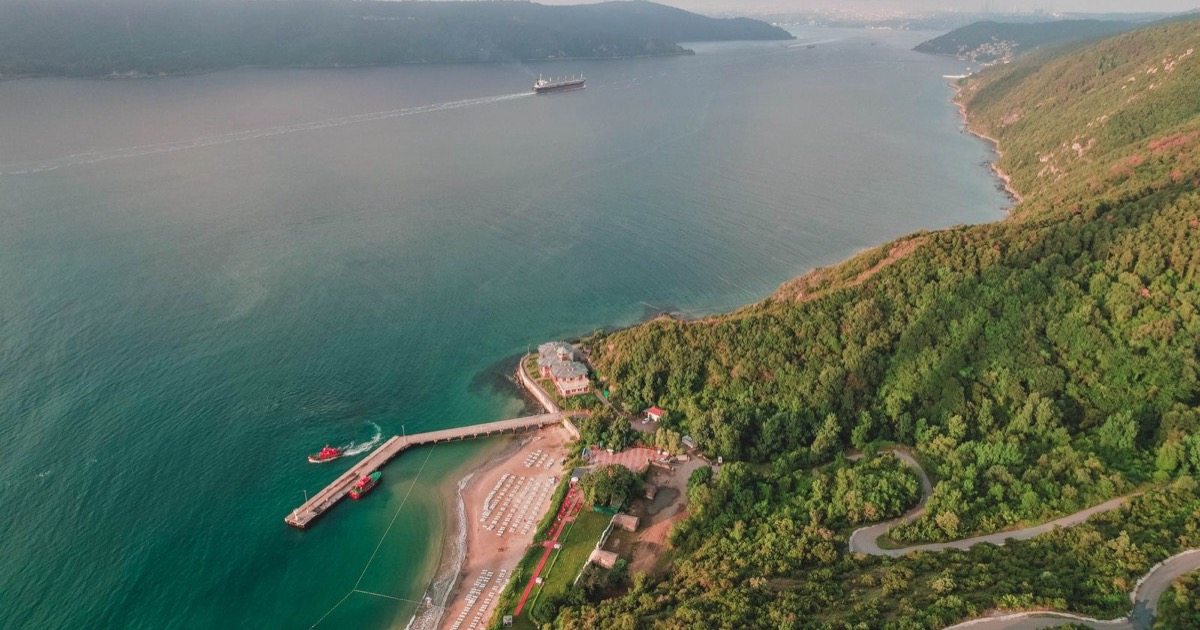

The best day-hike trails within easy reach of Istanbul — difficulty levels, how to get there by public transport, and the viewpoints that make each climb worth it.
Stretching from the European to the Asian shore, Istanbul offers a surprising variety of hiking trails near Istanbul that cater to city‑dwelling adventurers and weekend explorers alike. Within an hour’s drive you can trade bustling streets for forested ridges, lake shores, and coastal cliffs, all while staying close to public transport hubs. The region’s geography creates natural lookouts that reward hikers with sweeping cityscapes and sea horizons. Whether you have a few hours or a full day, the options are ready to be discovered.
What are the best hiking trails near Istanbul with panoramic views?
Belgrad Forest, located on the European side, hosts several marked loops that climb gently to the Kuşluk viewpoint, where the Bosphorus and the city’s skyline stretch across the horizon. The forest’s well‑maintained paths make it easy to combine a moderate hike with a rewarding vista.
Aydos Hill, the highest point on the Asian side, offers a short ascent that culminates in an open plateau overlooking the entire metropolis, including the Golden Horn and the Marmara Sea. The summit is accessible by a paved trail that is popular with both walkers and cyclists.
Polonezköy Nature Park, a historic village surrounded by oak and pine woods, features a network of trails that lead to a ridge with clear views of the Bosphorus strait. The park’s quiet atmosphere and modest elevation make it ideal for photographers seeking a city‑sea perspective.
Which trails near Istanbul are suitable for beginners and families?
For those looking for gentle terrain, the lakefront path around Büyükçekmece offers a flat, well‑marked route that follows the shoreline and passes several playgrounds and picnic areas. The trail’s length can be adjusted to suit any schedule, making it a practical choice for families with children.
Belgrad Forest’s “Low‑Intensity Loop” is another family‑friendly option, spanning roughly 4 km with minimal elevation change. Signage is clear, and the forest’s shade provides comfort during warmer months. Rest areas equipped with benches and water fountains are spaced at regular intervals.
| Trail | Distance (km) | Difficulty | Main Feature |
|---|---|---|---|
| Low‑Intensity Loop, Belgrad Forest | 4 | Easy | Shade, frequent rest spots |
| Lake Büyükçekmece Path | 5‑7 (adjustable) | Easy | Lakeside views, playgrounds |
| Polonezköy Easy Loop | 3 | Easy | Forest ambience, cultural village |
| Kilyos Coastal Walk (short section) | 2.5 | Easy | Black Sea shoreline |
Where can I find coastal hikes with sea views close to Istanbul?
The Kilyos coastal trail runs along the Black Sea’s sandy beaches north of the city, offering uninterrupted sea views and occasional stops at small fishing piers. The path is largely flat and can be combined with a visit to the nearby lighthouse for a brief historic detour.
Along the Bosphorus, the Sarıyer shoreline walk follows the water’s edge from the historic village of Rumeli Kavağı down to the bustling marina of Sarıyer. Cliffs, small coves, and the occasional passing ferry create a dynamic maritime backdrop.
On the Prince’s Islands, a series of marked walking paths encircle the main islands, providing panoramic sea vistas from elevated points such as the Aya Yorgi hill on Büyükada. Although a short ferry ride is required, the islands’ car‑free environment makes the hikes especially pleasant.
How do I access the forest trails in Belgrad and Aydos near Istanbul?
The Belgrad Forest, situated just 15 km north of the city centre, is reachable by public transport or car. From the main bus terminal (Esenler), take the 40T or 42T line toward the forest entrance; the ride lasts about 30 minutes and drops passengers at the Bahçeköy stop. From there, follow the signposted paths toward the classic routes such as the 4 km “Karaköy Loop” or the longer “Şile Trail.” If you prefer to drive, follow the O‑2 highway toward Bahçeköy, park in the designated lot, and pay the modest entrance fee at the gate.
Aydos Forest lies on the Asian side, roughly 25 km from Kadıköy. The most convenient option is the metro‑bus to Bostancı, then a short taxi ride to the Aydos entrance near the historic Aydos Castle. For those with a rental car, the D‑100 highway leads directly to the forest road; a small parking area sits at the base of the hill, and a signboard indicates the start of the “Aydos Summit” trail, a 5 km round‑trip that rewards hikers with panoramic views of the Bosphorus.
| Aspect | Belgrad Forest | Aydos Forest |
|---|---|---|
| Typical transport | Bus 40T/42T, private car | Metro‑bus to Bostancı + taxi, private car |
| Parking fee | Approximately 5 TL per vehicle | Free parking at the forest entrance |
| Trail length (popular routes) | 4 km to 12 km loops | 5 km summit loop, plus shorter forest paths |
| Facilities | Restrooms, picnic areas, water fountains | Basic rest area, limited water points |
| Best time to visit | Early morning or late afternoon to avoid crowds | Mid‑morning for clear views from the castle |
What is the recommended gear for hiking in Istanbul’s mountainous areas?
The terrain surrounding Istanbul varies from dense woodland to rocky ridges, so a balanced kit is essential. Footwear should prioritize ankle support and grip; trail‑specific hiking boots with a Vibram sole perform well on both wet pine needles and loose limestone. Layering remains the most reliable strategy: a moisture‑wicking base, an insulating mid‑layer, and a breathable, waterproof shell protect against sudden temperature shifts, especially at higher elevations such as Çamlıca or the Belgrad high points.
Navigation tools are still valuable despite widespread smartphone coverage. Carry a lightweight topographic map of the chosen forest and a compact compass as backup. A portable power bank ensures that GPS apps stay functional during longer excursions. Finally, pack a small first‑aid kit, a reusable water bottle, and a snack high in protein to sustain energy on steep ascents.
- Sturdy hiking boots with ankle protection
- Moisture‑wicking base layer (synthetic or merino)
- Insulating mid‑layer (fleece or lightweight down)
- Water‑proof, breathable outer shell
- Topographic map and compass
- Smartphone with offline maps + power bank
- Compact first‑aid kit, water bottle, and protein snack
When is the ideal season to hike the trails around Istanbul in 2026?
Spring (April to June) offers mild temperatures, abundant wildflowers, and relatively low humidity. The forest floors are still moist from winter rains, providing good footing on the softer paths of Belgrad and Aydos. Early spring can be cooler, so dressing in layers is advisable, while late May often brings clear skies ideal for photographing the Bosphorus vista from Aydos Castle.
Autumn (September to early November) presents another favorable window. Daytime highs drop to comfortable levels, and the foliage turns golden, especially on the higher slopes of the Çatalca hills. Rainfall generally decreases after the summer months, reducing the risk of slippery trails. Both seasons avoid the peak tourist influx of summer, allowing a quieter experience on popular routes such as the “Karaköy Loop” or the “Aydos Summit” trail.
Winter hikes are possible but require more preparation. Snow can accumulate on the higher ridges, turning some paths into icy corridors. If you choose to explore in December or January, ensure you have insulated footwear, gaiters, and possibly trekking poles with rubber tips for added stability. Overall, the sweet spots for most hikers in 2026 remain spring and early autumn, when weather conditions align with the diverse terrain surrounding Istanbul.
Are there any guided hiking tours available near Istanbul?
Several local operators organize day‑long and multi‑day treks that start from Istanbul and venture into the surrounding woodlands, hills, and coastal strips. Most tours are booked through online platforms or directly at the agencies’ offices in districts such as Şişli, Kadıköy, and Sarıyer. Groups typically range from four to twelve participants, allowing guides to maintain a steady pace while offering personal attention.
Guides are fluent in English and Turkish, and many also speak German, French, or Russian, which makes the experience accessible to a broad audience. The itineraries often combine a hike with brief stops at viewpoints, picnic areas, or small cafés, and they include provisions such as water, basic first‑aid kits, and a map of the trail. Some providers add optional extras like bike rentals for mixed‑terrain routes or a short boat ride along the Black Sea coast.
Booking a guided hike is straightforward: check recent reviews on travel forums, confirm the guide’s certification (most are members of the Turkish Hiking Federation), and verify the cancellation policy, especially during the shoulder seasons of spring and autumn when weather can be unpredictable.
How can I combine a hike with a visit to historic villages near Istanbul?
The region surrounding Istanbul is dotted with settlements that retain traditional architecture, local crafts, and seasonal markets. By planning a hike that passes through these villages, you can enjoy natural scenery while experiencing cultural heritage. Many trails are marked on regional maps, and the villages are usually within a short walk from the main footpaths.
Below are several combinations that work well for a single‑day outing. Each route includes a moderate hike (2–5 km) and a stop at a village where you can sample regional foods, browse handmade items, or learn about local customs.
- Belgrad Forest – Bahçeköy: Follow the forest’s interior tracks to the historic hamlet of Bahçeköy, known for its old wooden houses and a small museum of forestry.
- Aydos Hill – Aydos Village: Ascend Aydos Hill and descend toward the nearby village, where a traditional tea garden offers a view of the city’s skyline.
- Polonezköy Nature Park – Polonezköy: The park’s perimeter trail leads to the Polish‑Turkish settlement of Polonezköy, famous for its wooden cottages and a modest bakery serving rye bread.
- Kilyos Coastal Trail – Kilyos: Walk along the Black Sea shoreline and stop at the fishing village of Kilyos, where fresh seafood is grilled on open fires.
- Lake Büyükçekmece Trail – Büyükçekmece: The lakeside path reaches the historic waterfront of Büyükçekmece, featuring Ottoman‑era stone bridges and a small market.
- Prince’s Islands Walking Paths – Büyükada: A ferry ride brings you to Büyükada; the island’s network of walking routes passes by old Greek mansions and a former monastery.
- Mount Çamlıca Viewpoint – Çamlıca: After a short ascent, descend toward the Çamlıca neighborhood, where you can explore early‑20th‑century villas and a modest art gallery.
What safety precautions should I take while hiking near Istanbul?
Even though most trails are well‑maintained, the terrain can change quickly, especially after rain. Start by checking the weather forecast and avoid hiking during thunderstorms or heavy fog. Dress in layers, wear sturdy hiking shoes with good grip, and bring a lightweight rain jacket.
Carry a fully charged mobile phone, a portable power bank, and a small first‑aid kit that includes band‑aids, antiseptic wipes, and any personal medication. It is advisable to let someone know your planned route and expected return time, particularly if you are hiking alone.
Be aware of local wildlife such as snakes and stray dogs; keeping a respectful distance usually prevents any issues. If you venture onto less‑frequented sections, stay on marked paths to reduce the risk of getting lost. Finally, respect any posted signs regarding trail closures, fire bans, or protected areas, as these measures are in place to keep both hikers and the environment safe.
Which trails offer the most impressive sunrise or sunset views near Istanbul?
For early‑morning light, the ascent to Çamlıca Hill on the Asian side provides a sweeping panorama of the Bosphorus, the historic peninsula and the distant Sea of Marmara. The trail begins at the Çamlıca Metro station and follows a gentle, paved path through a small park before reaching the summit just before 6 am, when the first rays illuminate the city’s skyline.
Sunset seekers often head to the coastal walk between Kilyos and Şile on the Black Sea coast. This 12‑kilometre stretch follows the shoreline through pine‑fringed cliffs, offering unobstructed views of the sun sinking behind the horizon. The most popular spot is the small beach at Büyükada Koyu, where the sea reflects the changing colours of the sky.
A less‑crowded option is the Aydos Hill trail in the eastern suburbs. The dirt path climbs through oak forest before opening onto a clear‑cut ridge that looks directly over the Marmara Sea. Late‑afternoon hikers can pause at the stone platform near the summit to watch the sun dip behind the distant islands.
How do I navigate public transportation to reach popular hiking spots around Istanbul?
The city’s extensive public‑transport network makes most trailheads reachable without a car. For Belgrad Forest, take the M2 metro to Şişli, then transfer to the 42 bus toward Bahçeköy; the stop is a short walk to the main entrance. The bus runs every 15 minutes on weekdays and every 30 minutes on weekends.
Polonezköy Nature Park is accessible via the M4 metro to Kadıköy, followed by a ferry to Bostancı. From Bostancı, board the 129 bus toward Polonezköy; the park entrance is directly across the road. The ferry schedule aligns with the metro, allowing a smooth connection even in the evenings.
For the coastal trail between Kilyos and Şile, start at the Kabataş ferry terminal and take the Bosphorus ferry to Anadolu Kavağı. From there, catch the İETT 150 bus to Kilyos; the trailhead begins near the lighthouse. The ferry runs hourly, and the bus departs every 20 minutes during peak season.
Sources & Further Reading
Frequently Asked Questions
What is the average difficulty level of the top hiking trails near Istanbul?
Most of the well‑known routes fall into the easy to moderate range. Trails such as Çamlıca Hill and Belgrad Forest feature gentle inclines and well‑maintained paths, suitable for beginners. A few, like the Aydos Hill loop, incorporate steeper sections that may challenge hikers with limited experience, but even these remain manageable with a steady pace.
How long are the most popular hikes near Istanbul?
Day hikes typically range from 3 to 8 kilometres. The Belgrad Forest loop is about 6 kilometres and can be completed in 2‑3 hours, while the coastal walk from Kilyos to Büyükada Koyu stretches roughly 12 kilometres, requiring 4‑5 hours for most walkers. Shorter options, such as the Çamlıca Hill ascent, take less than an hour.
Can I hike near Istanbul without a car?
Yes, the public‑transport system connects directly to most trailheads. Metro, bus, ferry and even suburban train services reach locations like Belgrad Forest, Polonezköy, and the Black Sea coast. A combination of a metro ride and a single bus or ferry is usually enough to arrive at the starting point of a hike.
Are dogs allowed on the hiking trails around Istanbul?
Dogs are generally welcome on most public trails, provided they are kept on a leash and owners clean up after them. Belgrad Forest and Polonezköy Nature Park have specific signage indicating pet rules, and some coastal paths may restrict dogs during the peak summer months to protect nesting birds.
What are the best times of day to avoid crowds on Istanbul’s hiking paths?
Early mornings, especially before 8 am, tend to be the quietest on popular routes like Çamlıca Hill and Belgrad Forest. Mid‑week afternoons also see fewer visitors compared with weekends. For coastal trails, the period between 10 am and 2 pm on weekdays offers a balance between good light and lower foot traffic.
Is there any entry fee for the nature parks and trails near Istanbul?
Most municipal parks, including Belgrad Forest and Polonezköy, are free to enter. Some privately managed areas, such as certain coastal resorts, may charge a small parking or entrance fee, typically ranging from 5 to 15 Turkish lira. It is advisable to check local signage before starting a hike.
What should I pack for a day hike in Istanbul’s forests?
Carry a reusable water bottle, a lightweight rain jacket, and sturdy walking shoes with good traction. A hat, sunscreen, and a small snack like nuts or fruit will keep energy levels steady. A basic first‑aid kit and a map—either printed or on a smartphone—are also recommended.
Are there water sources available on the trails near Istanbul?
Many forested routes, such as those in Belgrad Forest, have natural springs or small fountains near the main entrances. However, water availability can be seasonal, so it is safest to bring enough for the entire hike. Coastal paths rarely have fresh water, making a full bottle essential.
How can I find up‑to‑date trail maps for hikes around Istanbul?
Digital platforms like AllTrails and Komoot provide current maps, user reviews, and GPS tracks for most local trails. For printed versions, visitor centres at Belgrad Forest and Polonezköy distribute free leaflets that are refreshed each spring. Checking recent online reviews can also alert hikers to temporary closures or detours.
Do the hiking trails near Istanbul have restroom facilities?
Restrooms are available at the main entrances of larger parks such as Belgrad Forest and Polonezköy Nature Park. Some coastal trailheads have basic toilet blocks, but facilities become sparse farther along the route. It is prudent to use available restrooms before setting out, especially on longer hikes.
Plan your route, check transport schedules, and pack according to the season to make the most of Istanbul’s diverse hiking opportunities. With a little preparation, each trail offers a rewarding glimpse of the city’s natural beauty.
Plan your trip
Book Istanbul attraction tickets
Skip-the-line tickets and guided tours for Istanbul's top sights, with mobile tickets and flexible cancellation.
See tickets on TiqetsWe may earn a commission from bookings made through this link, at no extra cost to you.
Reviewed by our editor for Türkiye & the Eastern Mediterranean
Elif DemirTürkiye & Eastern Mediterranean Editor
Travel writer covering Türkiye and the Eastern Mediterranean, from Istanbul's old city to the Aegean coast.
More articles by Elif Demir →