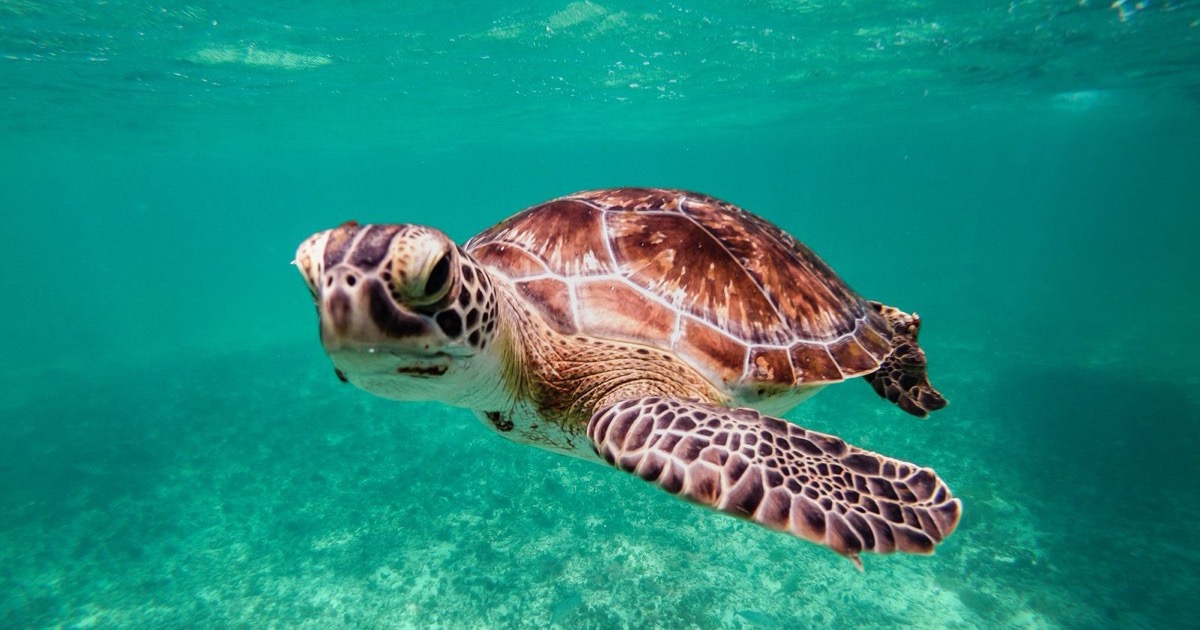

Gliding over turquoise waters while sea turtles glide beneath your mask is a highlight of any coastal adventure, and Tulum turtle snorkeling tours deliver that magic…
Gliding over turquoise waters while sea turtles glide beneath your mask is a highlight of any coastal adventure, and Tulum turtle snorkeling tours deliver that magic with unrivaled consistency. The region’s protected reefs create a natural arena where marine life thrives, making each plunge feel like a front‑row seat to an underwater ballet. Whether you’re chasing the iconic green turtle or the graceful hawksbill, the experience in Tulum is both accessible and awe‑inspiring. Below, we break down why this spot tops the list and how to pick the operator that aligns with your values and budget.
What makes Tulum a top destination for turtle snorkeling?
The marine protected area surrounding Tulum was established to safeguard coral formations and the migratory routes of several sea‑turtle species. Because fishing is restricted and reef health is actively monitored, turtles use these waters as feeding and nesting corridors year‑round. This predictable presence means that even short tours have a high likelihood of a turtle sighting.
Water clarity in the Caribbean off Tulum often exceeds 20 feet, especially during the dry season, providing crystal‑clear visibility for snorkelers of all skill levels. The gentle swell and warm temperatures create comfortable conditions that reduce fatigue, allowing you to stay in the water longer and increase your chances of encountering multiple turtles in a single outing.
Beyond turtles, the reef hosts an array of colorful fish, soft corals, and occasional reef sharks, turning a simple snorkel into a comprehensive marine wildlife showcase. The combination of protected habitats, optimal visibility, and diverse underwater life cements Tulum’s reputation as a premier turtle snorkeling locale.
Which snorkeling operators in Tulum prioritize turtle conservation?
Local operators have embraced sustainable tourism practices, integrating turtle monitoring programs and reef‑friendly policies into their daily operations. Many partner with regional NGOs to fund nest‑protecting initiatives and use biodegradable sunscreen to minimize chemical runoff. These efforts not only protect the turtles but also enhance the overall health of the reef ecosystem.
Eco‑focused companies typically limit group sizes to ensure minimal disturbance, provide thorough briefings on respectful wildlife interaction, and employ guides trained in marine biology basics. By choosing such operators, guests contribute directly to conservation funding while enjoying a responsible and immersive experience.
| Operator | Group Size | Conservation Tie‑ins | Gear Quality | Typical Tour Length |
|---|---|---|---|---|
| Sea Turtle Safaris | Maximum 8 | Portions of fees support local hatchery | Premium, regularly serviced | 2 hours |
| Eco Wave Adventures | Maximum 10 | Monthly beach clean‑ups, reef monitoring reports | Mid‑range, includes reef‑safe fins | 1.5 hours |
| Azure Reef Tours | Maximum 12 | Collaboration with marine research institute | High‑end, includes underwater camera kits | 2.5 hours |
| Sunset Snorkel Co. | Maximum 6 | Donates to turtle tagging program | Standard, well‑maintained | 1 hour |
| Green Coast Explorers | Maximum 9 | Supports sea‑turtle education in local schools | Premium, reef‑friendly masks | 2 hours |
The table highlights how each operator balances group intimacy, equipment standards, and direct contributions to turtle preservation. Selecting a provider that aligns with your environmental priorities ensures a rewarding encounter for both you and the marine residents.
How can I choose the right snorkeling tour for a turtle encounter in Tulum?
Start by defining your comfort level in the water. If you are a beginner, look for tours that limit participants to small groups and provide extensive gear orientation. Operators that offer reef‑safe snorkel kits and on‑site fitting sessions reduce the risk of equipment issues that could cut your time in the water.
Next, consider the timing of your visit. Turtle activity peaks during early morning and late afternoon when they feed near the surface. Some operators schedule departures to coincide with these windows, increasing the likelihood of sightings. Checking recent traveler reviews for recent turtle activity can also guide your decision.
Finally, weigh the cost against the added value of conservation support. While premium tours may charge more, the portion of fees directed toward hatchery programs or reef monitoring can make a meaningful impact. Balancing budget, group size, and eco‑credentials will help you select a tour that delivers both memorable wildlife moments and a sense of contribution to Tulum’s marine future.
What equipment do I need for a safe turtle snorkeling experience in Tulum?
Even a brief dip in the Caribbean can feel like a plunge into another world, but the right gear makes the difference between a comfortable glide and a rushed exit. A well‑fitted mask that creates a clear, distortion‑free view is essential; look for silicone skirts that seal without pressure points and lenses treated with anti‑fog coating. Pair it with a low‑volume snorkel that incorporates a splash guard to keep silt out of the breathing tube, especially when navigating near the reef’s crests.
Fin selection influences both propulsion and fatigue. Short, stiff fins provide quick bursts needed to keep up with turtles, while longer, flexible blades reduce effort during longer drifts. Many operators in the best turtle snorkeling tours Tulum market supply reusable fins, but bringing your own ensures a perfect fit. Finally, protect your skin with reef‑safe sunscreen (zinc‑oxide or titanium‑dioxide based) and consider a lightweight rash guard or 3 mm wetsuit for early‑morning or late‑afternoon sessions when water temperature dips.
| Item | Recommended Specs | Eco‑friendly Option |
|---|---|---|
| Mask | Silicone skirt, anti‑fog lens, 100% UV protection | Re‑usable mask with recycled frame |
| Snorkel | Low‑volume tube, splash guard, purge valve | Biodegradable snorkel made from plant‑based resin |
| Fins | Short‑stiff or long‑flex depending on style, adjustable strap | Recycled plastic fins with detachable straps |
| Sunscreen | Broad‑spectrum, SPF 30‑50, water‑resistant | Reef‑safe mineral sunscreen in refillable tube |
| Rash guard / wetsuit | UPF 50+, quick‑dry fabric, 3 mm thickness | Made from recycled polyester fibers |
Are there any age or skill requirements for snorkeling with turtles in Tulum?
Operators across the Riviera Maya design their programs to accommodate a wide range of participants, but safety guidelines remain consistent. Children under six are generally advised to stay on the beach, as their buoyancy control and breath‑holding abilities are still developing. From six to twelve years old, a brief orientation and close supervision are mandatory; many tours provide a “Junior Snorkeler” kit that includes a smaller mask and flotation aid.
For adults and teens, the primary benchmark is comfort in open water. If you can swim a comfortable distance of 25 meters without assistance and can hold your breath for at least 15 seconds, you meet the baseline for most affordable snorkeling tours Tulum. Those seeking a private turtle snorkeling Tulum experience may be asked to demonstrate basic finning techniques to ensure they can keep pace with the group without disturbing the turtles.
- Minimum age: six years (accompanied by a certified guide)
- Maximum age: no upper limit, provided health conditions are cleared
- Swimming ability: confident surface swimming, no reliance on flotation devices
- Breath control: able to exhale and inhale through the snorkel without panic
- Physical condition: no severe cardiac or respiratory issues that limit exertion
- Group size: private tours allow smaller groups, easing skill‑level matching
- Pre‑tour briefing: mandatory safety and environmental brief for all participants
What are the most common sea turtle species I can see while snorkeling in Tulum?
The coastal waters around Tulum host a quartet of sea‑turtle species that frequent the coral reefs and seagrass beds. The most frequently sighted is the Green sea turtle (Chelonia mydas), which grazes on the abundant algae that carpet the reef flats. Their calm demeanor makes them a favorite among snorkelers on the snorkeling with turtles Akumal routes, where they often surface near the surface to breathe.
Next, the Loggerhead (Caretta caretta) appears intermittently, especially during nesting season. Their larger heads and reddish‑brown shells distinguish them from the smoother‑shelled greens. The Hawksbill (Eretmochelys imbricata) is less common but highly prized for its striking, overlapping scutes that resemble a mosaic; spotting one is considered a highlight of any Tulum sea turtle snorkeling guide 2026.
Finally, the Leatherback (Dermochelys coriacea) makes occasional appearances offshore, drawn by jellyfish blooms. Though their size can be intimidating, they are gentle and rarely approach divers. Observing any of these species reinforces the importance of choosing eco‑friendly snorkeling operators Tulum that follow strict no‑touch policies and support local conservation initiatives.
How do weather and water conditions affect turtle sightings in Tulum?
Sea‑turtle activity is closely linked to temperature, wind, and visibility. During the warm months of May through October, surface waters rise above 26 °C, encouraging turtles to feed near the reef. Light breezes keep the water clear, allowing snorkelers to spot the gentle glide of green, hawksbill, and loggerhead turtles without difficulty.
Conversely, strong onshore winds can stir up silt and reduce underwater clarity, making turtles harder to locate even if they are present. Rainy periods often bring a temporary influx of plankton, which can attract turtles to feeding grounds, but the accompanying cloud cover may lower the contrast needed for easy identification. Checking a short‑range marine forecast the morning of your trip helps you choose a window when calm seas and good visibility align.
Seasonal currents also play a role. The northward flow that intensifies in late summer can carry turtles farther from the main snorkeling sites, while the milder winter currents keep them closer to the protected reef zones. Adjusting your departure time to match these patterns improves the odds of a rewarding encounter.
What is the typical cost of a turtle snorkeling tour in Tulum and what does it include?
In 2026 the average price for a group snorkeling excursion focused on sea turtles ranges from $85 to $115 per person. Prices vary based on the operator’s certification, the length of the outing, and the inclusion of additional amenities such as reef‑safe sunscreen or a post‑snorkel snack.
Most tours bundle essential items to keep the experience smooth and environmentally responsible. Below is a typical breakdown of what you can expect when you pay the standard rate.
- Professional guide with knowledge of local turtle behavior and marine ecology.
- High‑quality snorkel gear, including fins, mask, and a reef‑safe snorkel.
- Transportation from your accommodation to the designated launch point.
- Brief safety and environmental orientation before entering the water.
- Opportunity to snorkel at two or three prime turtle habitats within the marine protected area.
- Reusable water bottle and a small snack to replenish energy.
- Contribution to a local conservation fund that supports nesting beach patrols.
Can I book a private turtle snorkeling tour in Tulum and how much does it cost?
Private tours are available for individuals, couples, or small groups seeking a more personalized pace. Operators typically charge a flat fee that covers the boat, guide, and equipment, with the cost divided among participants. In 2026 the baseline fee for a private half‑day excursion sits between $300 and $450, which translates to roughly $100‑$150 per person for a party of three.
If you travel alone, many companies offer a solo‑traveler surcharge of $50‑$80 to offset the fixed costs of the charter. Booking online through the operator’s reservation portal guarantees the latest availability and often provides a modest discount for advance payment.
Private tours also allow you to request specific focus areas, such as a deeper dive at a nesting hotspot or a longer observation period at a known feeding site. Communicating these preferences when you reserve ensures the guide can tailor the itinerary to maximize turtle sightings while respecting local regulations.
What sustainable practices should I follow while snorkeling with turtles in Tulum?
Respecting the marine environment begins with a simple mindset: observe without touching. Sea turtles are easily stressed by direct contact, so keep a comfortable distance and let them move naturally. Avoid chasing or attempting to ride the animals, and refrain from collecting shells or coral fragments that may have been shed during the dive.
Choose operators that employ reef‑safe sunscreen and provide reusable gear. Conventional sunscreens contain oxybenzone and octinoxate, chemicals that can damage coral larvae. Many tours now supply zinc‑oxide or mineral‑based options, and they encourage guests to bring their own masks and fins to reduce plastic waste. When the tour ends, dispose of any trash in designated bins rather than leaving it on the beach or in the water.
Participating in local conservation initiatives amplifies your impact. Some companies allocate a portion of each booking to turtle‑monitoring programs or beach clean‑ups. If you have extra time, ask the guide about volunteer opportunities, such as helping tag hatchlings or recording sightings for scientific databases. Small actions combine to protect the fragile ecosystem for future visitors.
Where are the best snorkeling spots for turtles near Tulum?
The reef that lies just off the main beach corridor, often called Paradise Reef, is renowned for its regular turtle traffic. Its shallow ledges and sandy patches create ideal resting areas for both juvenile and adult turtles, especially during the early morning hours when the water is calm and visibility peaks.
A short boat ride northward brings you to the Akumal Bay area, a protected marine sanctuary where sea turtles have become accustomed to human presence. The bay’s clear waters and gentle currents make it a reliable spot for spotting turtles feeding on seagrass. Operators typically schedule visits here during the cooler months to avoid strong winds that can stir up sargassum.
Further south, the cenote‑linked coastal stretch near Xpu-Ha offers a quieter alternative. The reef there is less frequented by large tour groups, providing a more intimate encounter with turtles gliding over coral heads. Because the site is farther from the main highway, you’ll often enjoy fewer crowds and a more relaxed atmosphere.
Sources & Further Reading
Frequently Asked Questions
Do I need a certification to snorkel with turtles in Tulum?
No formal certification is required for snorkeling tours. Operators provide a brief safety briefing and basic equipment instruction before heading out. However, a basic level of swimming competence and comfort in open water is expected, and many guides will assess your ability during the pre‑tour check.
What is the best month to see sea turtles while snorkeling in Tulum?
Sea turtles are most active from November through March, coinciding with the cooler, dry season. During these months, water temperatures are pleasant and the likelihood of encountering turtles feeding on seagrass or resting on the reef is highest. Late spring can also yield sightings, but the frequency may be lower.
How long does a typical turtle snorkeling tour last in Tulum?
Most tours run between 2.5 and 4 hours, including travel time from the hotel zone to the reef, a safety briefing, the snorkeling segment, and a brief debrief on marine conservation. Some operators offer extended full‑day packages that combine multiple sites, but the core turtle‑focused experience usually fits within the shorter window.
Are there any hidden fees I should be aware of when booking a snorkeling tour in Tulum?
Reputable companies list all costs up front, covering gear, guide services, and transportation. Occasionally, a small surcharge may apply for optional extras such as premium reef‑safe sunscreen or a private boat charter. Always confirm the total price before confirming your reservation to avoid surprises.
Can I bring my own snorkel gear on a guided tour in Tulum?
Yes, most operators welcome personal equipment, especially masks and fins that fit you well. Bringing your own gear can improve comfort and reduce the amount of plastic used on the tour. Just be sure to inform the guide ahead of time so they can accommodate any specific requirements.
What should I do if I encounter a turtle that appears injured?
Maintain a safe distance and avoid touching the animal. Alert your guide immediately; most tours have protocols for contacting local marine rescue teams. Trained personnel can assess the situation and arrange for professional assistance if needed.
Is it safe to snorkel with turtles if I have a fear of marine life?
Guides are experienced at managing nervous participants and will keep you close to the boat while you acclimate to the water. Starting with a short, shallow session can help build confidence. Many visitors with initial apprehension report feeling more at ease after a few minutes of guided observation.
How far in advance should I book a turtle snorkeling tour in Tulum?
During peak season (December to February) it is advisable to reserve at least two weeks ahead, as tours can fill quickly. In the shoulder months, a few days’ notice is usually sufficient. Early booking also secures any preferred time slots, such as sunrise departures.
Do snorkeling operators provide transportation from Tulum hotels to the reef?
Most operators include round‑trip pick‑up and drop‑off from major hotel zones as part of the package price. Some may limit service to specific areas, so verify that your accommodation is within their coverage zone when you book.
What COVID‑19 precautions are currently in place for snorkeling tours in Tulum?
Guides typically require masks while on the boat and encourage hand sanitizing before handling equipment. Group sizes are kept modest to allow for physical distancing, and any shared gear is thoroughly rinsed with fresh water after each use. Check the latest local health advisories before travel, as requirements can evolve.
Plan your snorkeling day with a clear itinerary, bring reef‑safe sunscreen, and arrive at the meeting point a few minutes early to allow for equipment checks. By respecting the environment and following guide instructions, you’ll maximize both safety and the chance to share a memorable moment with Tulum’s graceful sea turtles.
Reviewed by our editor for the Americas & practical travel
James CarterAmericas & Practical Travel Editor
Travel writer covering the Americas plus the practical side of travel — budgets, eSIMs, visas and logistics.
More articles by James Carter →