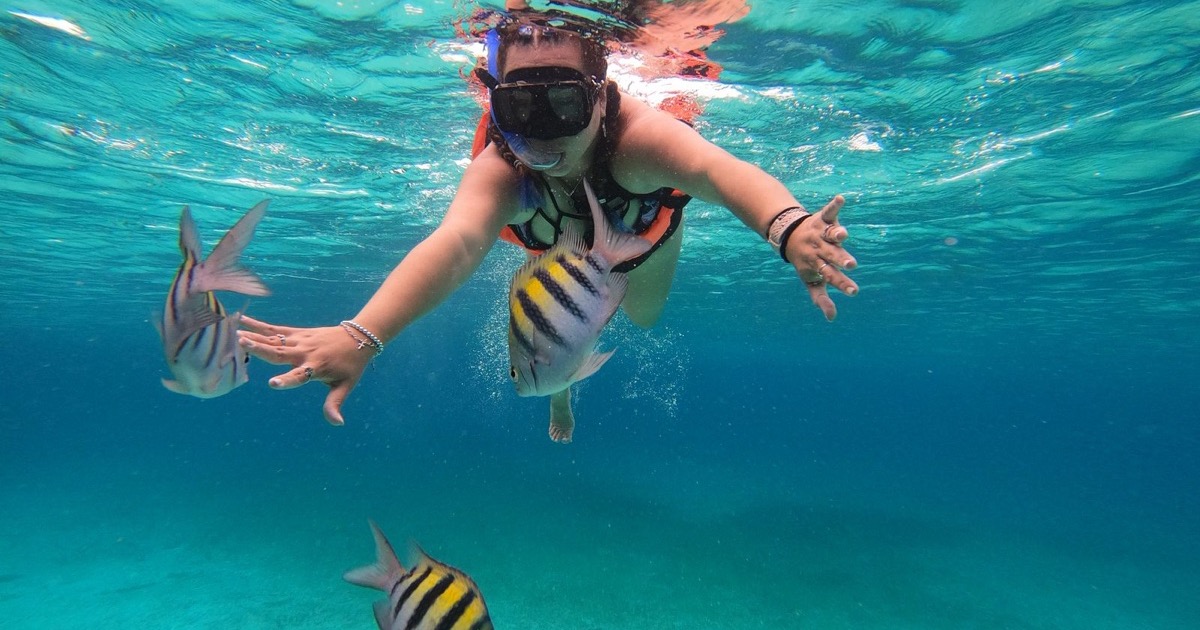

Cozumel’s crystal‑clear waters invite anyone with a mask and fins, and the island’s growing focus on coral rehabilitation means you can turn a leisurely snorkel into…
Cozumel’s crystal‑clear waters invite anyone with a mask and fins, and the island’s growing focus on coral rehabilitation means you can turn a leisurely snorkel into a meaningful conservation act. In 2026 the local marine‑biology volunteer programs have refined their snorkeling and coral planting experiences, making it easier than ever to see restoration work up close. By choosing an eco‑friendly snorkeling tour, you support sustainable tourism while adding a splash of purpose to your shore day. This guide walks you through how to blend reef restoration with reef‑seeing fun on the island’s most celebrated reefs.
How can I combine snorkeling with reef restoration in Cozumel?
Most operators now bundle a brief orientation with a hands‑on snorkeling session, allowing participants to observe and assist ongoing coral planting. The typical itinerary begins with a short classroom‑style briefing that covers basic marine biology, the goals of the Cozumel Coral Reef Restoration Program, and safety protocols for handling fragile fragments. After the briefing, you board a modest boat that takes you to a designated restoration site, often a former damage zone near the popular Palancar or Chankanaab reefs. While floating above the reef, a marine‑biology volunteer will guide you through the process of securing coral plugs onto metal frames, a task that can be completed in 30‑45 minutes before you return to open water for a free‑swim.
To make the most of the experience, bring a snorkel gear checklist that includes a well‑fitted mask, a flexible snorkel, reef‑safe fins, and a reef‑safe sunscreen (zinc‑oxide or mineral based). Water temperature in Cozumel hovers between 78°F and 84°F in the peak season, so a thin wetsuit is optional but can add comfort for early‑morning outings. The best time to snorkel for visibility and calm seas is early morning, typically before 10 am, when the trade winds are lighter and the sun sits high enough to illuminate the coral without creating harsh glare.
What are the top reef restoration tours that include snorkeling in Cozumel?
Several local dive operators have earned a reputation for integrating volunteer snorkeling with high‑quality reef tours. The most frequently recommended providers are the Cozumel Coral Reef Restoration Program (CCRRP) itself, EcoMarine Adventures, and Blue Wave Snorkel & Dive. CCRRP offers a half‑day “Coral Garden” experience that includes a brief lecture, hands‑on planting, and a guided snorkel of the restored site. EcoMarine Adventures focuses on small‑group outings, limiting each boat to eight participants to reduce impact and provide more personal instruction. Blue Wave Snorkel & Dive pairs the restoration activity with a broader reef‑hopping itinerary, allowing guests to see both restored and natural reefs in a single day.
| Operator | Tour Length | Group Size | Volunteer Hours | Additional Highlights |
|---|---|---|---|---|
| Cozumel Coral Reef Restoration Program | 4 hours | 12 | 30‑45 min planting | Certified marine‑biology guide, post‑snorkel reef briefing |
| EcoMarine Adventures | 5 hours | 8 | 45‑60 min planting | Eco‑friendly boat, reusable water bottles, reef‑safe snack pack |
| Blue Wave Snorkel & Dive | 7 hours | 15 | 30‑min planting | Includes visit to Palancar Reef, underwater photography tips |
All three operators adhere to sustainable tourism guidelines, such as limiting single‑use plastics and using boats equipped with low‑emission engines. When booking, ask about their partnership with local marine‑biology volunteers, as this ensures that the coral fragments you handle are sourced from reputable nurseries and placed in locations with the highest survival probability.
Which snorkeling spots in Cozumel are best for seeing restored coral?
The most visible restoration projects are clustered around the western side of the island, where cruise‑ship traffic has historically caused the most stress. The “Coral Garden” near the Punta Sur Marine Park is a flagship site; it features dozens of transplanted staghorn and elkhorn corals arranged on metal frames that are easily identifiable during a snorkel. Another hotspot is the Chankanaab Reef, where a series of artificial structures have been seeded with fast‑growing coral species, creating a vibrant mosaic that contrasts with the surrounding natural reef.
For those who prefer a more secluded setting, the eastern reef of Playa del Carmen offers a smaller, community‑run restoration patch that is less frequented by large tour groups. Here, volunteers often conduct night‑time monitoring, so daytime snorkelers can see the early stages of coral growth without the bustle of cruise‑ship excursions. Regardless of the site, keep an eye out for the distinctive orange‑red color of newly attached coral fragments and the protective cages that shield them from herbivorous fish while they establish.
What should I bring for a snorkeling and coral planting day in Cozumel?
Preparing for a day that mixes recreation with hands‑on conservation means thinking beyond the usual beach bag. A sturdy, reef‑safe snorkel set is the foundation: a silicone‑sealed mask that resists fogging, a split‑type snorkel with a purge valve, and fins that are short enough to maneuver around delicate structures yet powerful enough to reach the deeper planting zones used by most Cozumel reef restoration tours. Many operators provide basic gear, but bringing your own ensures a proper fit and eliminates the need to rely on shared equipment that may have been exposed to salt or sand.
Beyond the core gear, pack items that support both comfort and environmental responsibility. A reef‑friendly sunscreen (zinc‑oxide or titanium‑oxide based) protects your skin without harming coral polyps, while a lightweight rash guard shields against sunburn and the occasional sting from a sea urchin. Reusable water bottles, a small dry‑bag for personal belongings, and a biodegradable wet‑wipe are also advisable. If you plan to stay on the water for more than four hours, consider a compact, solar‑powered charger for your phone or camera, especially if you want to document the volunteer snorkeling Cozumel 2026 experience.
| Item | Beginner Recommendation | Eco‑Conscious Volunteer Recommendation | Approximate Cost (USD) |
|---|---|---|---|
| Mask & Snorkel | Standard silicone mask, basic snorkel | Full‑face reef‑safe mask, purge‑valve snorkel | $30 – $80 |
| Fins | Plastic open‑heel fins | Stiff‑flex recycled‑plastic or rubber fins | $25 – $70 |
| Sunscreen | Any SPF 30+ | Reef‑friendly mineral sunscreen | $10 – $20 |
| Rash Guard | Light cotton tee | UV‑protective polyester blend | $15 – $35 |
| Water Bottle | Disposable plastic | Stainless steel or BPA‑free reusable | $5 – $25 |
How much does a combined snorkeling and reef restoration experience cost in Cozumel?
The price of a day that blends eco‑friendly snorkeling with coral planting varies according to the operator, group size, and the depth of the restoration component. Most reputable Cozumel marine conservation tours charge a base fee that covers transportation to the reef site, professional guidance from marine biologists, and all necessary equipment. This fee typically ranges from $90 to $130 per person for a half‑day excursion, with full‑day options adding $40‑$60 for extra dive time and a more extensive planting session.
Additional costs may arise if you choose premium add‑ons such as a private guide, a certification‑oriented workshop, or a post‑snorkel lunch featuring locally sourced seafood. Group discounts are common for parties of ten or more, and some NGOs offer reduced rates for volunteers who commit to multiple days of service throughout the season. Keep an eye out for “volunteer snorkeling Cozumel 2026” promotions that bundle gear rental and a donation to the Cozumel Coral Reef Restoration Program into a single, transparent price.
- Standard half‑day snorkeling and coral planting: $90‑$130 per person.
- Full‑day extension (additional 3‑4 hours): +$40‑$60.
- Private guide or small‑group focus: +$20‑$35.
- Meal package (lunch and beverage): +$15‑$25.
- Multi‑day volunteer commitment discount: up to 20% off total.
- Equipment rental (if not bringing your own): $10‑$20.
- Optional certification workshop (e.g., Open Water Diver refresher): $50‑$80.
Are there any certification or training requirements for snorkeling with reef restoration projects?
Most Cozumel reef restoration tours welcome participants with basic snorkeling competence and a willingness to follow brief safety instructions. Formal scuba certification is not a prerequisite, but operators often require a short orientation that covers buoyancy control, reef etiquette, and the specific techniques used in coral planting. This orientation typically lasts 20‑30 minutes and is delivered by a marine biologist or certified dive instructor.
For volunteers who wish to engage more deeply—such as assisting with the attachment of coral fragments or handling propagation trays—some programs suggest completing a basic marine conservation course. These courses are usually offered on‑site and cost a modest fee; they provide a practical understanding of coral biology, the importance of genetic diversity, and the protocols for minimizing stress on the reef. If you already hold a snorkeling certification from a recognized organization, you can often skip the introductory session and move straight to the hands‑on component.
How do eco‑friendly tour operators protect the marine environment during snorkeling trips?
Responsible operators begin each outing with a concise briefing that explains the “look but don’t touch” principle, the importance of maintaining a safe distance from coral, and the correct way to handle accidental contact. Guides enforce these rules by monitoring group behavior from the water’s surface and stepping in when a snorkeler drifts too close to fragile structures.
Many companies use low‑impact vessels equipped with electric or hybrid propulsion, which reduces underwater noise and eliminates the oil‑based exhaust that can settle on reefs. Boats are also fitted with waste‑capture systems that prevent plastics and other debris from entering the lagoon. When a day includes a restoration component, operators supply reusable gloves, biodegradable cleaning solutions, and pre‑measured coral fragments that have been acclimated in a nursery.
After each snorkel, guides collect any stray sunscreen bottles, plastic wrappers, or lost equipment, ensuring that nothing is left behind. Some tours partner with local NGOs to record water‑quality measurements, contributing data that helps track the health of the reef over time. By combining education, low‑impact technology, and active stewardship, eco‑friendly operators turn a leisure activity into a tangible conservation effort.
When is the best season in 2026 to snorkel and participate in reef restoration in Cozumel?
The period from late October through early May offers the most reliable conditions for both snorkeling and hands‑on restoration work. During these months, water temperatures hover between 25 °C and 28 °C, providing comfortable exposure without the need for thick wetsuits. Visibility typically exceeds 20 meters, allowing volunteers to see the intricate work being done on coral frames.
Rainfall diminishes after the hurricane season, reducing the likelihood of sudden downpours that can stir up sediment and obscure the reef. cruise‑ship traffic slows during the off‑peak winter months, lessening the cumulative stress on the ecosystem and creating a calmer environment for volunteers.
- Late October – early November: warm water, early‑season marine life activity.
- Mid‑December – January: stable trade winds, minimal tourist crowds.
- February – early March: peak visibility, comfortable air temperatures.
- Mid‑April – early May: rising water temperature, start of the spawning season for many fish.
- Late May (if tolerating higher heat): abundant plankton, supporting coral growth.
What marine species can I expect to encounter while snorkeling near restored reefs?
Restored sections of the Cozumel reef attract a mix of resident and transient species. Small schooling fish such as sergeant majors and yellowtail damselfish often hover near the new coral structures, providing a lively backdrop for observers. Larger pelagics, including queen triggerfish and blackfin snapper, patrol the edges of the restoration zones, especially during early morning feeding periods.
Invertebrate life thrives on the fresh substrate. Branching coral colonies host colorful polyps that are home to cleaner shrimp, which can be seen darting between the tentacles of sea anemones. Giant clams, though less common, are sometimes spotted in protected nursery areas, their mantle displaying iridescent hues when filtered water passes over them.
Occasionally, sea turtles glide through the water column, drawn by the increased availability of sponges and algae on the rehabilitated reef. Their presence is a strong indicator of a healthy ecosystem, and many volunteers report sightings of both hawksbill and green turtles during restoration dives.
How can I book a volunteer snorkeling session with Cozumel’s coral restoration program?
Reservations are handled through the Cozumel Coral Reef Restoration Program’s online portal, which opens six weeks before the peak season. After selecting a date, you will choose either a half‑day (approximately 4 hours) or full‑day (around 7 hours) slot, indicate the size of your group, and confirm payment via credit card or PayPal.
Many local eco‑tour operators also act as intermediaries; they can bundle the snorkeling experience with transportation from your hotel, gear rental, and a brief classroom session led by marine biologists. It is advisable to book at least two weeks in advance during the cruise‑ship months of November to April, as slots fill quickly.
What safety guidelines should I follow during a reef restoration snorkeling excursion?
All participants receive a short safety briefing before entering the water. The briefing covers proper buoyancy control, the importance of maintaining a safe distance from marine life, and the protocol for handling equipment in case of a malfunction.
Reef‑safe sunscreen, a hat, and plenty of water are essential, as is staying within the designated snorkeling zone marked by buoys. Guides will monitor weather conditions and currents; if conditions become unsafe, the excursion will be postponed or moved to an alternate site.
Frequently Asked Questions
Do I need prior snorkeling experience to join a reef restoration tour in Cozumel?
The program welcomes beginners, but a basic comfort level in calm water is recommended. First‑time snorkelers receive a quick skills refresher from the guide, covering breathing techniques and how to clear a mask. If you have never snorkeled before, consider a short introductory session offered by many local dive shops.
How long does a typical snorkeling and coral planting session last?
Standard tours are offered in two formats: a half‑day itinerary lasting about four hours, and a full‑day itinerary of roughly seven hours. The shorter option includes a reef walk, a brief planting demonstration, and time to snorkel at two nearby sites. The longer version adds a deeper dive into the coral nursery and a post‑snorkel discussion on reef ecology.
Is there an age limit for participating in reef restoration activities?
Children aged eight and older can take part, provided they are comfortable in the water and can follow safety instructions. Participants under sixteen must be accompanied by an adult, and most operators require a signed waiver. There is no upper age limit, though individuals with mobility concerns should discuss accommodations in advance.
What is included in the price of a combined snorkeling and reef restoration tour?
Fees typically cover a certified guide, all snorkeling gear, reef‑safe sunscreen, and a brief educational session on coral biology. Meals are not included, but many tours offer a light lunch for an additional charge. The cost also supports the ongoing restoration program, with a portion of each payment allocated to coral nursery maintenance.
Can I bring my own snorkel gear or must I rent it on the island?
Bringing personal gear is encouraged, especially if you have a well‑fitted mask and snorkel. However, most operators maintain a clean, regularly serviced inventory, so rentals are readily available at the dock. If you choose to rent, you will receive a quick fitting and a brief check for leaks before boarding the boat.
Are the reef restoration tours family‑friendly?
Yes, the tours are designed to accommodate families, with activities that engage both children and adults. Guides tailor explanations to different age groups and provide hands‑on opportunities that are safe for younger participants. Some operators also offer a “family package” that includes a private boat and a group photo of the planting effort.
How do the tours contribute to the long‑term health of Cozumel’s coral reefs?
Each participant helps install coral fragments grown in the program’s nursery, directly increasing the number of living colonies on the reef. Data collected during the outings are shared with local research institutions, informing future restoration strategies. Over time, the cumulative effort of volunteers has been linked to measurable increases in coral cover at several pilot sites.
What happens if the weather is bad on the day of my snorkeling tour?
Guides monitor local forecasts and sea conditions continuously. If high winds, heavy rain, or strong currents are expected, the excursion will be rescheduled at no extra charge. Operators usually offer a flexible rebooking window of up to three days, allowing you to adjust plans without penalty.
Can I get a certificate or acknowledgment for volunteering in reef restoration?
After completing the activity, participants receive a digital certificate that outlines the number of coral fragments planted and the date of involvement. Some operators also provide a printed acknowledgment that can be displayed in a travel journal or shared on social media. These documents serve as a record of your contribution to marine conservation.
Are there any COVID‑19 or health restrictions for participating in 2026?
Current guidelines require all guests to be fully vaccinated against COVID‑19 and to complete a rapid antigen test within 48 hours of the tour. Operators also enforce standard hygiene practices, such as hand sanitizing stations on the boat and limited group sizes to ensure physical distancing. If you have a recent illness, it is best to postpone your participation until you have recovered.
Plan ahead, confirm your booking details, and pack reef‑safe sunscreen to make the most of your volunteer snorkeling adventure. The experience offers a rare chance to see coral restoration up close while enjoying Cozumel’s vibrant underwater world.
Reviewed by our editor for the Americas & practical travel
James CarterAmericas & Practical Travel Editor
Travel writer covering the Americas plus the practical side of travel — budgets, eSIMs, visas and logistics.
More articles by James Carter →