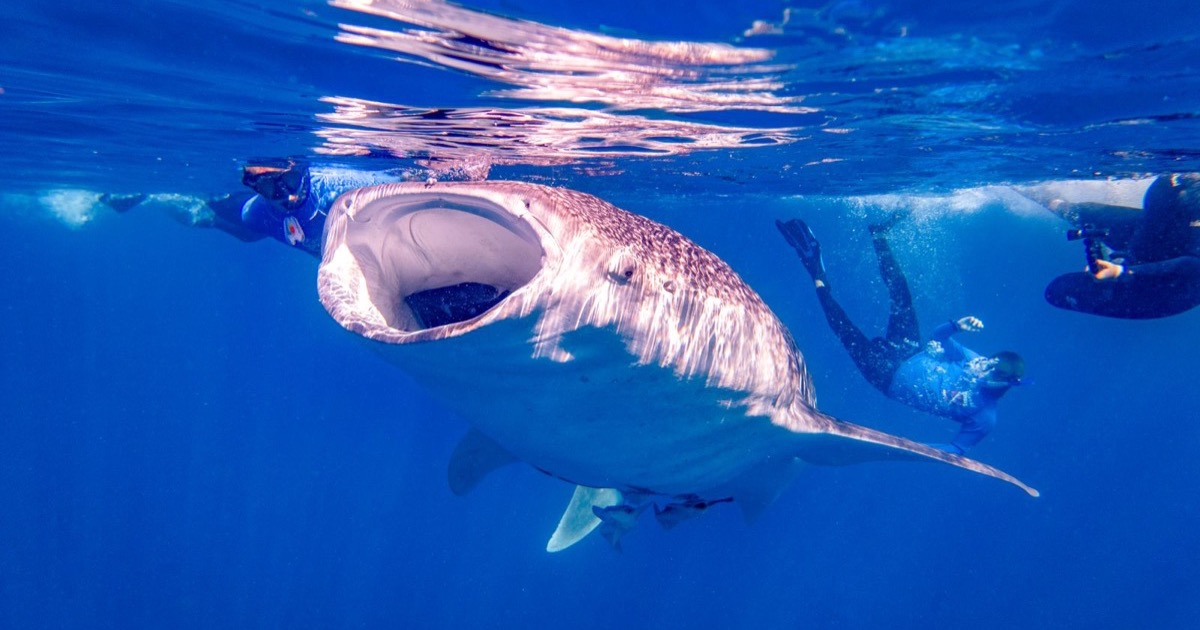

Gliding through the crystal‑clear waters of the Baja Peninsula, a gentle giant awaits: the whale shark.
Gliding through the crystal‑clear waters of the Baja Peninsula, a gentle giant awaits: the whale shark. For travelers seeking the ultimate Cabo whale shark snorkeling adventure, the season offers a rare chance to share the surface with the ocean’s largest fish. With sustainable operators now emphasizing responsible interaction, 2026 promises both excitement and conservation awareness for every snorkeler.
What is the best time of year to see whale sharks in Cabo?
The peak window for spotting whale sharks stretches from late October through early March, aligning with the migration of juvenile sharks that follow plankton blooms along the Pacific side of the peninsula. During this period, water temperatures hover between 22°C and 26°C, creating comfortable conditions for extended snorkeling sessions. The combination of calm seas and abundant food sources draws the gentle giants toward the protected reefs of Cabo Pulmo and the open waters off La Paz.
While the core months deliver the highest encounter rates, early April can still yield sightings, especially if a late‑season plankton surge occurs. Travelers should monitor local marine wildlife reports and consider the lunar cycle; a waning moon often reduces surface glare, improving visibility for underwater observation. Planning around these natural rhythms maximizes the likelihood of a successful encounter while respecting the sharks’ migratory patterns.
Which snorkeling operators offer whale shark tours in Cabo?
Several eco‑focused companies have built reputations for delivering safe, educational, and low‑impact whale shark experiences. Most tours launch from the marina in Cabo San Lucas or the nearby town of San José del Cabo, traveling to the prime feeding grounds near La Paz or the protected area of Cabo Pulmo. Operators typically limit group sizes to ten participants, provide reef‑safe sunscreen, and brief guests on proper snorkeling etiquette to avoid startling the sharks.
When choosing a provider, consider certifications such as the Marine Stewardship Council or local Baja conservation partnerships, which signal a commitment to sustainable practices. Many operators also incorporate marine biology briefings, allowing guests to learn about whale shark size, behavior, and the broader ecosystem of marine wildlife in Cabo. Below is a quick comparison of five well‑known operators that meet these standards.
| Operator | Launch Base | Typical Season | Group Size | Eco Credentials |
|---|---|---|---|---|
| Blue Horizon Eco Tours | Cabo San Lucas Marina | Oct – Mar | 8‑10 | MSC Certified, Baja Marine Reserve Partner |
| SeaVista Adventures | San José del Cabo | Nov – Feb | 6‑8 | Local NGO Collaboration, Zero‑Plastic Policy |
| Pacific Whale Shark Safaris | La Paz Port | Oct – Mar | 10‑12 | Eco‑Label Baja, Marine Biology Guides |
| Coral Reef Snorkel Co. | Cabo Pulmo Bay | Nov – Jan | 5‑7 | Marine Reserve Approved, Sustainable Gear Only |
| Sunset Marine Expeditions | Cabo San Lucas | Oct – Mar | 9‑10 | Eco‑Tourism Accreditation, Reef‑Safe Sunscreen Provided |
How do I book a whale shark snorkeling tour in Los Cabos?
Booking begins with research: visit the operators’ official websites, read recent traveler reviews, and verify that the tour includes a pre‑snorkel briefing on safety and conservation. Most companies allow online reservations up to three months in advance, with a modest deposit required to secure a spot. Early booking is advisable during the peak months, as group slots fill quickly.
After selecting a date, you will typically receive a confirmation email outlining required equipment (such as a mask, snorkel, and fins), recommended attire (rash guard and board shorts), and any health considerations. Some operators also offer optional marine biology workshops or post‑snorkel photo packages for an additional fee. Completing the payment and confirming your arrival time at the marina ensures a smooth start to your Cabo whale shark snorkeling adventure.
What should I bring for a whale shark snorkeling adventure?
Preparing the right kit can make the difference between a smooth encounter and a stressful day on the water. Most whale shark snorkeling operators in Cabo recommend a core set of items that are lightweight, quick‑dry, and designed for tropical conditions. A well‑fitted snorkel mask with a low‑volume mouthpiece reduces water intake, while a flexible fins pair helps you keep pace without exhausting your legs. Sunscreen with reef‑safe formulation protects both your skin and the marine environment, and a wide‑brimmed hat or UV‑protective shirt offers extra shade during the early‑morning launch.
Beyond the essentials, consider a few comfort and safety accessories. A dry bag keeps personal belongings safe from splashes, and a small waterproof pouch can store a waterproof camera or a GoPro for documenting the moment. Some operators suggest a lightweight rash guard to guard against sunburn and minor abrasions, especially if you plan to stay in the water for the full duration of the tour. Finally, bring a reusable water bottle; staying hydrated is critical even when the sea breeze feels cool.
| Item | Essential | Optional but Helpful |
|---|---|---|
| Snorkel mask & snorkel | ✔ | |
| Fins (flexible) | ✔ | |
| Reef‑safe sunscreen (SPF 30+) | ✔ | |
| UV‑protective shirt or rash guard | ✔ | |
| Dry bag (20 L) | ✔ | |
| Waterproof camera | ✔ | |
| Reusable water bottle | ✔ |
Are there any age or skill requirements for swimming with whale sharks in Cabo?
Most reputable tours set clear guidelines to ensure participant safety and to protect the gentle giants. Age limits typically start at eight years old; younger children may be allowed on a family‑friendly vessel but are usually required to stay seated and wear a life vest throughout the excursion. Physical fitness matters more than advanced diving credentials—operators expect guests to be comfortable in open water, able to tread water for several minutes, and capable of following basic safety briefings.
Swim ability, not certification, is the primary skill metric. If you can swim a comfortable distance without assistance, you will meet the baseline requirement. Some operators also request that participants have no open wounds or skin conditions, as these could increase the risk of infection for both swimmer and shark. Medical conditions such as severe asthma, heart problems, or recent surgeries generally disqualify a guest for safety reasons.
- Minimum age: 8 years (with parental consent)
- Maximum age: No strict upper limit, but health clearance may be required for seniors
- Basic swimming proficiency: able to tread water for at least 5 minutes
- No open cuts, rashes, or contagious skin conditions
- Good overall health: no uncontrolled chronic illnesses
- Comfort with wearing a life vest and following crew instructions
- Ability to stay calm in open‑water environments
How long does a typical whale shark snorkeling excursion last?
A full‑day whale shark tour departing from Cabo San Lucas or the surrounding Los Cabos area usually runs between six and eight hours, including travel time to the feeding grounds near La Paz or the protected waters of Cabo Pulmo. The core snorkeling segment—when you are actually in the water with the sharks—lasts roughly two to three hours, broken into several shorter swims to allow participants to rest, re‑hydrate, and receive brief educational talks from the crew.
During the peak of the Cabo Pulmo whale shark season, operators may extend the on‑water portion to maximize sightings, especially when ocean conditions are calm. Conversely, if the sea state is rough, the itinerary can be shortened, with the guide prioritizing safety and the likelihood of a successful encounter. Most operators provide a detailed schedule ahead of time, so you know when the boat will depart, when lunch is served, and when you can expect to return to the dock.
What marine life can I expect to see alongside whale sharks in Cabo?
The waters around the Cabo San Lucas marine reserve and the La Paz migration corridor host a diverse assemblage of pelagic and reef‑associated species. While the whale shark dominates the scene with its gentle, filter‑feeding presence, snorkelers often encounter manta rays gliding just below the surface, attracted by the same plankton blooms. Green and hawksbill turtles are regular visitors to the coastal seagrass beds, and their slow, graceful movements provide a striking contrast to the massive sharks. Schools of yellow‑tail amberjack, batfish, and the occasional roosterfish add flashes of color, while smaller reef dwellers such as damselfish, sergeant majors, and the iconic blue‑spotted stingray weave among the sandy patches. The average water temperature during the peak season ranges from 22 °C to 27 °C, creating comfortable conditions for extended snorkeling sessions.
Beyond the charismatic megafauna, the region’s currents bring in occasional visitors from the open ocean. Short‑fin mako sharks, though less common, may be sighted cruising at depth, while dolphin pods frequently surf the bow waves of tour vessels. Seasonal migrations also bring in schools of sardines and anchovies, which can create brief “feeding frenzies” that attract both whale sharks and their smaller companions. Observing this layered ecosystem offers insight into the interconnected food web that sustains the iconic giants of Cabo’s marine environment.
How does Cabo ensure sustainable practices for whale shark tours?
Local authorities and conservation NGOs have established a framework that balances tourism demand with the protection of whale shark populations. The Cabo San Lucas marine reserve imposes strict limits on the number of vessels allowed in the primary aggregation zones at any given time, reducing noise and physical disturbance. Tour operators must be certified as eco‑friendly, demonstrating adherence to guidelines such as maintaining a minimum distance of three meters from each shark and limiting the duration of each encounter. Seasonal closures are enforced during breeding periods to give the animals undisturbed access to critical habitats.
Education plays a central role in the sustainability model. Before each outing, guides conduct a briefing that covers species behavior, the importance of non‑contact observation, and the impact of plastic waste on marine life. Operators are required to use biodegradable sunscreen and to collect any debris encountered during the excursion. Data collected from each tour—such as sighting locations, shark sizes, and group composition—are shared with research institutions to support ongoing monitoring of the La Paz migration.
- Maintain a minimum three‑meter buffer from every whale shark.
- Limit group size to no more than eight snorkelers per vessel.
- Use only reef‑safe, biodegradable sunscreen and personal care products.
- Record and report all sightings to the regional marine research center.
- Participate in quarterly beach clean‑up events organized by local NGOs.
- Follow a no‑feeding policy to prevent alteration of natural foraging behavior.
- Adopt a “leave no trace” approach, removing all waste from the water.
What are the safety guidelines for snorkeling with whale sharks?
Snorkeling with the ocean’s largest fish demands respect for both the animal and the environment. Participants should wear a well‑fitted mask, snorkel, and a pair of fins that provide efficient propulsion without excessive splash. A wetsuit or rash guard is advisable, not only for thermal comfort in water that can dip below 22 °C early in the season, but also for protection against accidental contact with coral or jellyfish. Before entering the water, each guest must complete a safety briefing that outlines emergency procedures, the use of signal devices, and the protocol for staying within the prescribed distance.
During the encounter, keep movements smooth and avoid sudden bursts of speed that could startle the shark. If a whale shark approaches, remain calm, maintain the three‑meter distance, and let the animal pass overhead; the species is a filter feeder and poses no threat when observed responsibly. Always stay oriented to the boat and keep a hand on the side of the vessel in case a rapid return to shore becomes necessary. Hydration, sunscreen reapplication, and monitoring for signs of fatigue are essential components of a safe and enjoyable snorkeling day.
Can I see whale sharks from the shore in Cabo Pulmo?
Spotting whale sharks from land is rare because the animals prefer open water where they can feed on plankton. The shoreline at Cabo Pulmo National Marine Park is lined with rocky outcrops and coral formations, which are excellent for snorkeling but do not provide the deep, clear channels that attract the giants. If you happen to be on a boat that drifts close to the reef, you might glimpse a dorsal fin near the surface, but a reliable sighting almost always requires a guided excursion.
Most visitors who travel to Cabo Pulmo specifically to encounter whale sharks join a day‑long tour that departs from the marina. These trips position the vessel in the migratory corridor where the sharks congregate during the summer months, giving you a far better chance of swimming alongside them. Shore‑based observation is therefore not recommended if seeing the species is a primary goal.
How much does a whale shark snorkeling tour cost in Cabo?
Prices vary according to the length of the outing, the size of the group, and the level of service provided. A typical half‑day snorkel that includes transport, gear, a naturalist guide, and a light lunch falls in the range of $150 to $200 per person. Full‑day experiences that combine a morning snorkel with an afternoon reef dive or a visit to nearby La Paz can reach $250 to $300, especially during peak season when demand is highest.
Many operators offer discounts for families, groups of ten or more, and repeat customers. It is also common to see a refundable deposit that covers insurance and equipment wear; this amount is usually returned after the tour if no damage occurs. Always confirm what is included in the quoted price before booking to avoid unexpected fees.
Sources & Further Reading
Frequently Asked Questions
How many whale sharks are typically spotted during a tour in Cabo?
Guides usually report seeing between one and three individuals on an average outing. In years when ocean conditions are optimal and plankton concentrations are high, groups of five or more have been recorded. The exact number depends on the time of day, water temperature, and the specific migration route the sharks are following that season.
Do I need a scuba certification to join a whale shark snorkeling tour?
No scuba license is required for snorkeling with whale sharks. Operators provide all necessary equipment, including fins, masks, and buoyancy aids, and they conduct a brief safety orientation before entering the water. If you hold a certification and prefer to dive, some tours also offer a dive option, but it is entirely optional.
What is the peak season for whale sharks in Cabo San Lucas?
The highest concentration of whale sharks occurs from late June through early September. During this window, the warm currents bring abundant plankton, which draws the gentle giants to the coastal waters. Early May and late October can still produce sightings, but the odds are lower compared with the core summer months.
Are the whale shark tours family‑friendly?
Most operators design their trips to accommodate children as young as eight, provided they are comfortable in the water and can follow basic safety instructions. Some companies offer shorter, half‑day excursions specifically for families, with extra attention from guides and a more relaxed pace. Always check the age policy of the chosen operator before booking.
What is the cancellation policy for whale shark tours in Cabo?
Typical policies allow a full refund if cancellation is made 48 hours before departure. Cancellations made within 24 to 48 hours may incur a partial fee, often around 25 percent of the total cost. During the high‑season period, operators may require a longer notice window, so it is advisable to read the terms carefully when confirming your reservation.
Is it safe to snorkel with whale sharks during COVID‑19?
Operators have adopted several health measures, including reduced group sizes, mandatory mask use on board, and frequent sanitation of equipment. Guests are usually asked to complete a health questionnaire and may be required to show proof of vaccination or a recent negative test. These steps, combined with the open‑air nature of the activity, keep the risk low when guidelines are followed.
How are the tour operators protecting whale sharks from harm?
All reputable companies follow the international guidelines set by the International Shark Attack File and local marine authorities. This includes maintaining a minimum distance of three meters, limiting the time each swimmer spends near an individual, and prohibiting any touching or feeding. Guides also monitor the sharks for signs of stress and will abort the encounter if the animal appears agitated.
Can I photograph whale sharks underwater and what equipment is recommended?
Underwater photography is encouraged, but flash devices are prohibited because they can startle the sharks. A good-quality waterproof housing for a DSLR or mirrorless camera works best, though many visitors achieve excellent results with a modern smartphone in a protective case. Wide‑angle lenses capture the scale of the encounter, while a simple external light can improve color balance without disturbing the animal.
What is the average price for a full‑day whale shark snorkeling trip in Cabo?
Full‑day tours that combine a morning snorkel with an afternoon reef dive or a coastal cruise typically range from $250 to $300 per person. The price usually includes meals, all gear, a professional naturalist guide, and a small contribution to marine conservation projects. Prices may rise slightly during the July‑August peak, reflecting the higher demand for the limited slots available.
When planning your adventure, book early to secure a spot in the preferred time window, and double‑check the operator’s safety and conservation policies. A well‑chosen tour will give you a clear view of the ocean’s largest fish while supporting the protection of this iconic species.
Reviewed by our editor for the Americas & practical travel
James CarterAmericas & Practical Travel Editor
Travel writer covering the Americas plus the practical side of travel — budgets, eSIMs, visas and logistics.
More articles by James Carter →