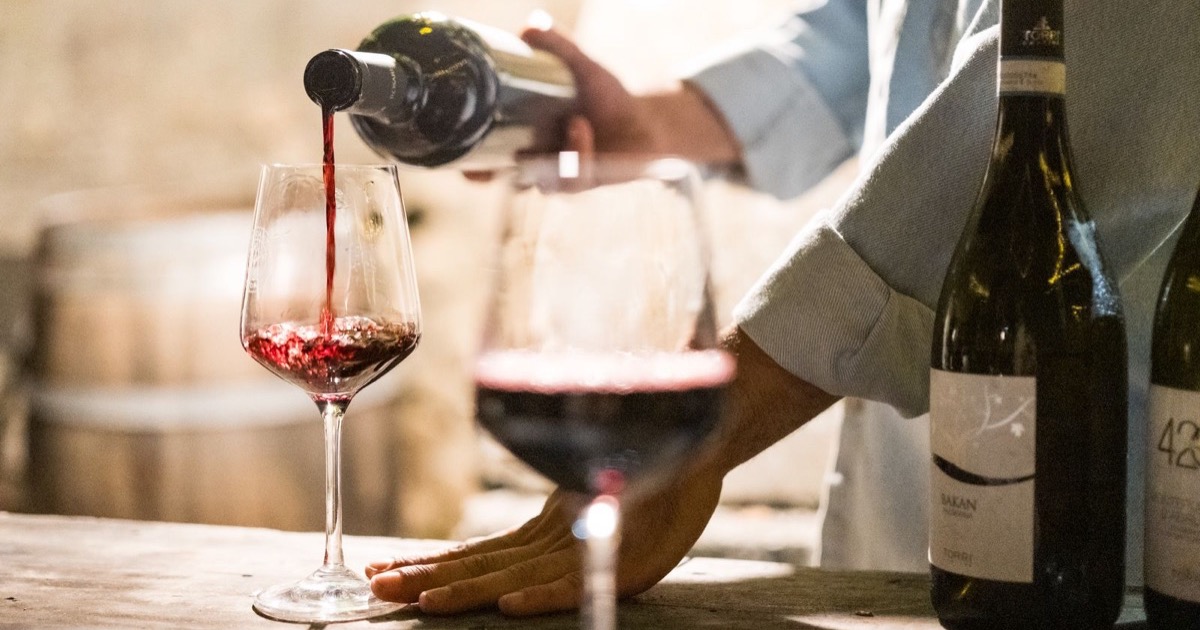

Welcome to the 2026 edition of the Bodrum wine tasting guide, where sun‑kissed vineyards meet the crystal‑clear Aegean.
Welcome to the 2026 edition of the Bodrum wine tasting guide, where sun‑kissed vineyards meet the crystal‑clear Aegean. This region’s micro‑climate, especially along the limestone slopes of Yalıkavak, creates a canvas for wines that balance freshness with a distinct minerality. Whether you’re planning a weekend escape or a longer culinary adventure, the following sections will help you navigate the best vineyard experiences, booking options, and signature wines that define Bodrum’s growing reputation.
Which vineyards in Bodrum are essential for wine tasting?
The western fringe of Yalıkavak boasts terraces of ancient limestone that reflect sunlight onto the vines, encouraging slow ripening and preserving aromatic nuance. Among the estates that fully exploit this terrain, Karnas Vineyards stands out for its late‑harvest Chardonnay, a wine that delivers bright acidity alongside a pronounced flinty edge. Visitors can explore the cellar, observe the hand‑picked process, and enjoy a curated tasting that pairs the wine with locally sourced seafood.
Another noteworthy stop is the family‑run Çiftlik Winery, where indigenous grape varieties such as Öküzgözü and Boğazkere are cultivated on modest plots. Their red blends reveal a robust structure tempered by the mineral backbone of the soil, making them ideal companions for grilled lamb or meze platters. Guided tours often include a walk through the olive groves that border the vineyards, offering insight into the integrated agricultural practices of the area.
For those interested in a more experimental palate, the boutique label Sarpay Vineyard focuses on natural fermentation techniques. Their limited‑edition Pinot Noir, harvested from vines planted on the higher limestone ridges, showcases delicate red fruit aromas with a subtle earthy finish. The winery’s intimate tasting room limits groups to ten, ensuring a personal dialogue about terroir and winemaking philosophy.
How can I book a wine tasting tour in Bodrum’s Yalıkavak region?
Booking a tour has become increasingly straightforward thanks to a mix of local operators and online platforms. Many hotels in Bodrum partner with regional tour agencies that provide half‑day itineraries, including transportation, a welcome drink, and visits to two or three vineyards. These packages often emphasize sustainable travel, using minibusses that reduce carbon emissions while allowing passengers to enjoy panoramic views of the coastline.
Independent travelers can also secure private tours through dedicated wine‑tour websites. These services typically let you customize the itinerary, selecting preferred estates, tasting times, and even pairing menus. Advanced booking is recommended during the harvest season (September to October), when demand spikes and some vineyards limit access to preserve the quality of the experience.
| Provider | Tour Type | Inclusions | Typical Cost (USD) |
|---|---|---|---|
| Local Hotel Partner | Group (12‑15 pax) | Round‑trip transport, two vineyard visits, guided tasting, light snacks | 80‑100 |
| Online Wine‑Tour Platform | Private (up to 4 pax) | Personal driver, three vineyard stops, full‑meal pairing, cellar tour | 150‑200 |
| Direct Vineyard Booking | Self‑guided | Access to tasting room, map, optional guide on request | Free‑entry (tasting fees apply) |
When selecting a provider, consider the level of interaction you desire. Group tours are cost‑effective and great for meeting fellow enthusiasts, while private arrangements allow deeper conversation with winemakers and more flexible timing. Always confirm the latest availability and any seasonal adjustments before finalizing your reservation.
Which Bodrum wines showcase the unique minerality of limestone soils?
The late‑harvest Chardonnay from Karnas Vineyards has become a benchmark for mineral expression in the region. Harvested later than usual, the grapes develop concentrated sugars while retaining a crisp acidity that highlights the underlying limestone character. On the palate, notes of green apple and citrus intertwine with a subtle chalky finish, making it a perfect companion for shellfish dishes.
Another standout is the Pinot Noir produced by Sarpay Vineyard. Grown on the higher limestone ridges, this red wine offers a delicate balance of red berry fruit and a distinct earthiness that echoes the rocky terroir. Its fine tannic structure and lingering minerality pair exceptionally well with mushroom risotto or roasted duck.
For a more robust option, the Öküzgözü‑Boğazkere blend from Çiftlik Winery delivers a deep ruby hue and a palate that marries ripe plum with a pronounced stony backbone. The blend’s acidity, derived from the limestone soils, cuts through the richness of grilled meats, ensuring a harmonious dining experience that reflects the region’s culinary traditions.
What is the best time of year to taste wines in Bodrum vineyards?
The coastal climate of Bodrum creates distinct tasting windows throughout the year. In early spring, the limestone slopes of Yalıkavak begin to awaken, and vineyards are alive with fresh green shoots. This period is ideal for visitors who enjoy strolling among budding vines while sampling the first releases of light, aromatic whites such as the 2026 late‑harvest Chardonnay that has captured attention for its pronounced minerality.
Autumn, particularly September through November, is traditionally the peak season for wine lovers. The harvest is in full swing, and many estates open their doors for hands‑on experiences that let guests watch grapes being sorted and pressed. The atmosphere is lively, and the newly pressed reds—especially the indigenous Öküzgözü and Boğazkere blends—are offered straight from the vat, providing a vivid sense of the winemaking process.
Summer brings warm days and cool evenings, perfect for relaxed tasting sessions on terrace patios overlooking the Aegean. While the vines are fully leafed out, the heat can soften tannins, making the current vintage’s medium‑bodied reds more approachable. Winter is the quietest time; most wineries limit visits to indoor cellars, where the focus shifts to aged reserves and vertical tastings that showcase the evolution of bottles over decades.
| Season | Climate & Vineyard Activity | Signature Wines to Sample | Tasting Atmosphere |
|---|---|---|---|
| Spring (Mar‑May) | Cool mornings, gentle rains; vines budding | Late‑harvest Chardonnay, early‑bloom Sauvignon Blanc | Open fields, fresh air, limited crowd |
| Summer (Jun‑Aug) | Hot days, breezy evenings; full canopy | Fresh‑style Merlot, aromatic rosés | Terrace patios, sunset views, relaxed pacing |
| Autumn (Sep‑Nov) | Harvest period; lively activity | Öküzgözü‑Boğazkere blends, new‑release reds | Vineyard walks, barrel tours, festive vibe |
| Winter (Dec‑Feb) | Cool, dry; vines dormant | Aged Cabernet Sauvignon, reserve blends | Intimate cellar tastings, focus on aging |
How do I pair local Turkish dishes with Bodrum wines?
Turkish cuisine around Bodrum is built on fresh seafood, grilled meats, and vibrant mezze. Pairing these flavors with regional wines enhances both the food and the bottle. A crisp, mineral-driven Chardonnay from Yalıkavak wine estates complements the briny notes of grilled sea bream and the citrus‑infused salad of fresh herbs and tomatoes. The wine’s acidity cuts through the oil, creating balance.
For heartier fare such as lamb kebabs seasoned with rosemary and sumac, the robust structure of a locally produced Öküzgözü‑Boğazkere blend offers the tannic backbone needed to stand up to the meat’s richness. The fruit‑forward profile of the red also mirrors the sweet‑spicy glaze often applied to the kebabs, reinforcing the dish’s flavor layers.
- Grilled octopus with lemon‑olive oil – paired with a dry, aromatic white like a 2026 Yalıkavak Sauvignon Blanc.
- Stuffed eggplant (İmam bayıldı) – matched with a medium‑bodied Merlot that highlights the dish’s earthy undertones.
- Spicy chickpea stew (Nohutlu Biber) – enjoyed alongside a light‑to‑medium rosé that tempers the heat.
- Seafood paella‑style rice (Balık Pilavı) – served with a minerally focused Chardonnay to echo the sea flavors.
- Traditional Turkish cheese platter – accompanied by a balanced Cabernet Sauvignon that complements the dairy richness.
- Honey‑glazed figs with walnuts – paired with a late‑harvest Riesling offering sweet acidity.
- Grilled halloumi with pomegranate molasses – matched with a fruit‑rich, low‑tannin red like a young Pinot Noir.
Are there private wine tasting experiences available in Bodrum?
Yes, many of the region’s estates tailor exclusive sessions for small groups or individual travelers. Private tours typically begin with a personalized introduction from the winemaker, who explains the terroir of the Yalıkavak limestone slopes and the specific viticultural techniques employed in 2026. Guests then move through the vineyards, receiving hands‑on guidance on grape selection and harvest timing.
Following the vineyard walk, the tasting takes place in a dedicated cellar or a scenic terrace reserved for the party. Selections often include a curated flight of the estate’s flagship wines, limited‑edition releases, and aged reserves that are not available during regular public visits. Some wineries also offer a bespoke food pairing menu prepared by a local chef, allowing the tasting to be fully integrated with Turkish culinary traditions.
Arrangements can be made through Bodrum vineyard tours operators or directly with the winery’s hospitality department. Early booking is advisable, especially during the harvest months, as private slots fill quickly. Travelers seeking a focused, immersive experience should specify any particular interests—such as organic practices, barrel aging, or wine‑and‑cheese pairings—to ensure the itinerary aligns with their preferences.
What transportation options are recommended for traveling between Bodrum vineyards?
Private drivers remain the most convenient way to hop from one estate to another, especially when the itinerary includes the limestone‑rich slopes of Yalıkavak and the coastal vineyards near Gümüşlük. Companies based in Bodrum town offer air‑conditioned cars with English‑speaking chauffeurs who can adjust departure times to match the opening of cellar doors or the timing of a late‑harvest Chardonnay tasting.
For travelers on a tighter budget, shared minibusses run daily from the central bus station to the main wine‑producing villages. These minibusses stop at several wineries along the route, allowing passengers to alight for a quick tasting before the vehicle continues onward. The service is reliable during the harvest season when demand peaks.
Renting a scooter or a compact car provides the greatest flexibility for self‑guided vineyard tours. The coastal roads are well‑maintained, and parking is generally available at most estates. However, drivers should be comfortable navigating narrow lanes that wind through terraced vineyards and be aware that some of the more remote plots lack paved access.
How much should I expect to spend on a wine tasting tour in Bodrum?
The overall cost of a day‑long wine experience varies according to the level of personalization, the inclusion of food pairings, and the reputation of the winery. A basic tasting at a family‑run cellar typically starts around US$30 per person and includes a selection of three to four wines, a brief overview of the local grape varieties, and a short walk through the vines.
Premium packages that incorporate a guided vineyard tour itinerary, a sit‑down lunch featuring regional cheeses and olives, and a tasting of the acclaimed late‑harvest Chardonnay can reach US$80 to US$120 per guest. Group tours booked through local operators often provide a discount, while private bespoke tours command higher rates due to the exclusive attention of the winemaker.
- Standard tasting (3–4 wines) – US$30‑$45
- Guided vineyard walk with educational talk – US$10‑$15 extra
- Food pairing menu (cheeses, charcuterie, seafood) – US$20‑$35
- Premium late‑harvest Chardonnay tasting – US$25‑$40
- Private transport and driver – US$60‑$90
- Seasonal festival ticket (Bodrum wine festivals) – US$15‑$25
- Custom bottle purchase (optional) – price varies by vintage
What are the signature grape varieties grown in Bodrum’s vineyards?
Among the most celebrated local cultivars is **Kalecik Karası**, a red grape that thrives on the mineral‑laden limestone soils of the western peninsula. Its bright acidity and subtle red‑fruit profile make it a frequent choice for food‑focused pairings, especially with grilled sea bass and mezze spreads.
Another cornerstone is **Narince**, a white variety known for its aromatic complexity and crisp minerality. When cultivated on the sun‑kissed terraces overlooking the Aegean, Narince produces wines that echo the salty breeze while retaining a clean, citrus‑driven finish.
In recent years, winemakers have experimented with **Sauvignon Blanc** and **Chardonnay** clones that benefit from the region’s micro‑climate. The 2026 late‑harvest Chardonnay, cultivated on the Yalıkavak limestone slopes, showcases an unprecedented level of minerality paired with honeyed notes, earning praise at the annual Bodrum wine festivals.
Can I visit wine cellars and learn about the winemaking process in Bodrum?
Most Bodrum wineries open their underground cellars to visitors during the tasting season. Guided walks typically begin with an overview of the vineyard’s terroir, followed by a step‑by‑step walk through fermentation tanks, oak barrels, and the bottling line. Staff explain how the region’s limestone soils and maritime breezes influence grape ripeness, and they often let guests handle a freshly pressed must to feel the texture before fermentation.
Several estates combine the cellar tour with a short workshop on sensory analysis, where participants practice identifying aroma notes such as citrus zest, stone fruit, or subtle minerality. The sessions end with a tasting of the current release, allowing you to compare the wine you just observed being made with the final product. Booking ahead is advisable, especially for smaller family‑run operations that limit group size to preserve an intimate atmosphere.
Which vineyards offer sunset wine tasting experiences in Bodrum?
The western slopes of Yalıkavak are famous for late‑harvest Chardonnay that shines under the evening sky. Vineyards perched on these limestone terraces schedule tasting flights just as the sun dips behind the Aegean, providing a natural backdrop for the glass. The cool air at dusk accentuates the wine’s acidity, while the lingering heat brings out its fruitier side.
Another popular spot lies on the southern edge of Bodrum Peninsula, where vineyards overlook the turquoise inlet of Gümüşlük. Their sunset sessions pair the region’s signature red blends with locally sourced mezze, and the gentle sea breeze adds a subtle salinity to the palate. Reservations are usually required, and many operators include a short walk through the vines before seating you on a terrace with panoramic views.
Sources & Further Reading
Frequently Asked Questions
What is the average cost of a wine tasting session in Bodrum?
Prices generally range from US$30 to US$70 per person, depending on the number of wines sampled and whether food pairings are included. Premium estates that focus on limited‑edition bottles may charge closer to the upper end, while larger cooperative wineries often offer more economical group rates. Some tours bundle transportation and a short vineyard walk, which can affect the final price.
Do I need to make a reservation for wine tours in Bodrum?
Most vineyards prefer reservations, especially during the peak months of May through September when visitor numbers rise. A phone call or online booking a few days in advance secures your spot and allows the winemaker to tailor the experience to your interests. Walk‑in tastings are still possible at larger facilities, but availability cannot be guaranteed.
Which Bodrum vineyards are family‑friendly?
Family‑oriented wineries often provide open lawns, playgrounds, and non‑alcoholic grape juice tastings for children. Several estates on the eastern side of the peninsula have picnic areas and organize short educational sessions that explain the grape‑to‑glass journey in kid‑friendly language. Checking the winery’s website or contacting them directly will confirm the amenities they offer.
Are there vegan or vegetarian food pairings available during wine tastings?
Many modern Bodrum vineyards collaborate with local chefs who design plant‑based tapas to complement the wines. Vegetarian cheese plates, grilled vegetables, and olive‑based spreads are common options. When you book, mention any dietary preferences so the staff can prepare suitable pairings ahead of time.
How long does a typical wine tasting tour in Bodrum last?
A standard tasting session, including a brief cellar walk, lasts about 90 minutes. Extended tours that incorporate a vineyard hike, a detailed winemaking workshop, or a sunset dinner can run between two and three hours. Some operators also offer half‑day packages that combine multiple vineyards with a light lunch.
What is the legal drinking age for wine tasting in Turkey?
The legal age for purchasing and consuming alcoholic beverages in Turkey is 18 years. Wineries usually request identification before allowing guests to sample wine, especially if the tasting includes higher‑alcohol vintages. Minors are welcome in most tasting rooms when accompanied by an adult, but they will be offered non‑alcoholic alternatives.
Can I purchase bottles directly from the vineyards I visit?
Yes, most estates sell their current releases on site, and many keep a small stock of older vintages for collectors. Some wineries offer discounts for on‑the‑spot purchases or provide the option to ship bottles to your home address. It is advisable to inquire about shipping regulations, as certain regions have restrictions on exporting alcohol.
Is transportation provided between vineyards on organized tours?
Several tour operators include a comfortable minibus or private car that shuttles guests from one vineyard to the next. These services often start from central Bodrum or from major hotels, allowing you to relax without worrying about navigation. If you prefer to drive yourself, most wineries have parking areas, but the roads can be narrow and winding.
What languages do tour guides speak during Bodrum wine tours?
English is the most common language for guided tastings, especially at larger or internationally focused vineyards. Many guides also speak German, French, or Russian, reflecting the diverse tourist base. Smaller family‑run wineries may offer tours only in Turkish, but they are usually happy to accommodate English speakers upon request.
Are there any wine festivals in Bodrum in 2026?
The Bodrum Wine Festival typically takes place in early September, featuring tastings, workshops, and live music across several vineyards. A smaller harvest celebration occurs in late August on the Yalıkavak slopes, highlighting late‑harvest varieties and local cuisine. Festival dates can shift slightly each year, so checking the official tourism board calendar before you travel is recommended.
Plan your itinerary with enough flexibility to fit a cellar visit, a sunset tasting, and perhaps a short workshop, and you’ll leave Bodrum with both a deeper appreciation of Turkish wines and a collection of memorable bottles. Booking key experiences in advance will ensure smooth travel days and allow you to focus on the flavors of the region.
Plan your trip
Book Istanbul attraction tickets
Skip-the-line tickets and guided tours for Istanbul's top sights, with mobile tickets and flexible cancellation.
See tickets on TiqetsWe may earn a commission from bookings made through this link, at no extra cost to you.
Reviewed by our editor for Türkiye & the Eastern Mediterranean
Elif DemirTürkiye & Eastern Mediterranean Editor
Travel writer covering Türkiye and the Eastern Mediterranean, from Istanbul's old city to the Aegean coast.
More articles by Elif Demir →