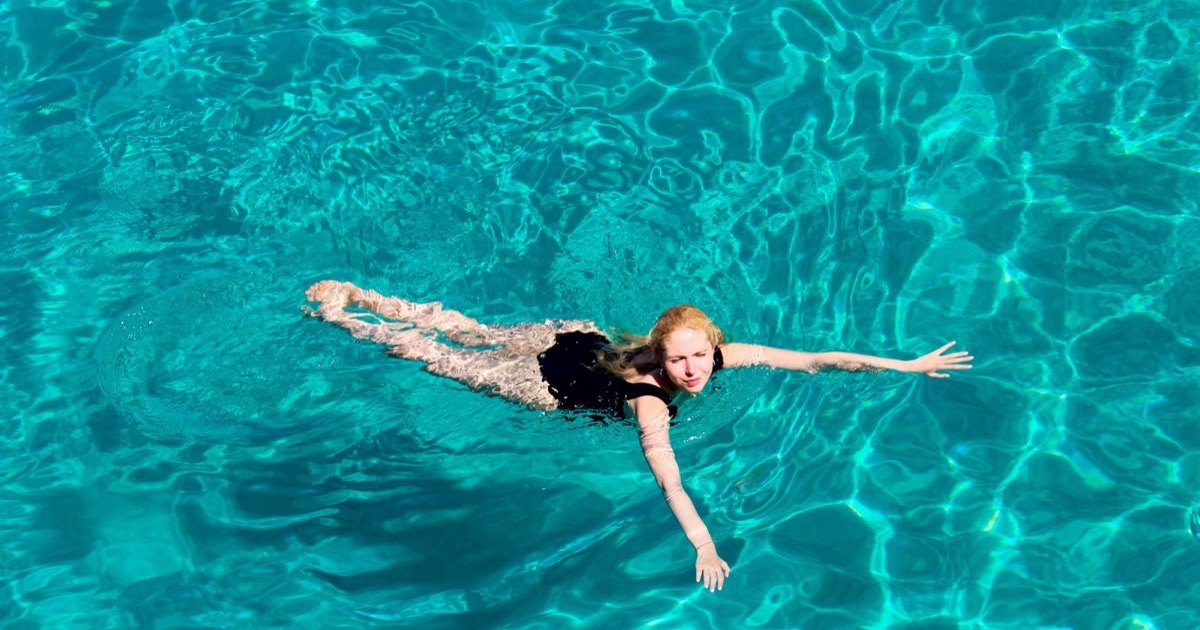

Traveling through the Yucatán with a little one can feel like a balancing act, but the right destinations make it effortless.
Traveling through the Yucatán with a little one can feel like a balancing act, but the right destinations make it effortless. In Mexico, a growing number of cenotes have been adapted for families, offering clear water, gentle slopes, and pathways that can accommodate a stroller. This guide highlights the most stroller friendly cenotes Mexico has to offer, focusing on safety, convenience, and fun for kids of all ages. Whether you are staying in Playa del Carmen or exploring deeper into Quintana Roo, you will find options that keep both parents and toddlers smiling.
What criteria define a stroller‑friendly cenote in Mexico?
First, the entrance must provide a stable, level surface. Many traditional cenotes are accessed via stone steps or uneven limestone, which can damage wheels and pose a tripping hazard. A stroller friendly cenote Mexico typically features a paved or compacted gravel trail that leads directly to the water’s edge, often with railings or low barriers to guide the path. Wide aisles, at least 1.2 meters, allow a standard stroller to turn without squeezing.
Second, water depth plays a crucial role. Shallow zones—generally no deeper than 1.5 meters—let children splash safely while parents keep a watchful eye. Clear water and good visibility help assess depth quickly, and many family‑oriented sites install depth markers or floating ropes. When the water is calm and the bottom consists of smooth limestone or sand, the risk of bruises or scraped knees drops dramatically.
Finally, supporting amenities seal the deal. Designated parking close to the entrance reduces the distance you need to carry gear. Changing stations, restrooms, and shaded picnic areas make longer visits comfortable. Some cenotes also offer guided tours that cater to families, providing safety briefings and pointing out the safest swimming spots for toddlers.
Which cenotes near Playa del Carmen offer shallow water for young children?
The Riviera Maya hosts several cenotes that combine easy stroller access with water shallow enough for kids to paddle confidently. Cenote Azul, located just off Highway 307, presents a broad, open pool with a maximum depth of about 1.2 meters in its main swimming area. A paved parking lot sits beside a wooden boardwalk, allowing a stroller to roll straight to the water’s edge. Nearby, Cenote Cristal offers crystal‑clear water and a gently sloping shoreline that stays under 1.5 meters for the first 10 meters, making it ideal for families who prefer a calm environment.
Another excellent option is Cenote Jardín del Eden, known for its lush vegetation and natural shade. The entrance is equipped with a compacted sand path that is stroller‑ready, and the water depth remains under 1.4 meters across most of the basin. For those willing to travel a short distance further south, Cenote X’Canche provides a wide, shallow lagoon with a depth of roughly 1.3 meters, plus a small café and changing facilities that cater to parents with young children.
| Cenote | Distance from Playa del Carmen | Max Depth (m) | Stroller Access | Family Amenities |
|---|---|---|---|---|
| Cenote Azul | ≈15 km | 1.2 | Yes – paved boardwalk | Parking, restrooms, snack bar |
| Cenote Cristal | ≈18 km | 1.5 | Yes – compact gravel path | Changing station, shaded area |
| Cenote Jardín del Eden | ≈22 km | 1.4 | Yes – sand‑compacted trail | Picnic tables, restroom |
| Cenote X’Canche | ≈30 km | 1.3 | Yes – wooden boardwalk | Café, lockers, guided family tours |
How can I safely navigate a stroller through a cenote’s entrance and pathways?
Start by choosing a stroller with larger, air‑filled tires that can absorb minor bumps and handle soft sand or gravel without sinking. If the path is partially wet, a stroller equipped with a protective wheel cover or a simple canvas sheet over the wheels helps keep mud from building up. Keep the stroller’s brakes engaged when moving over uneven sections to prevent accidental rolling.
When you approach the water’s edge, look for designated “stroller zones” marked by low railings or wooden planks. These areas are typically built on stable ground and keep the stroller away from slippery limestone. If the entrance includes a short set of steps, consider using a lightweight baby carrier for the infant while you push the stroller up the stairs, then lower the stroller back onto the flat surface on the other side.
Finally, always keep a hand on the stroller’s handle while walking through the cenote’s interior. The combination of humidity and occasional splashes can make surfaces slick, and a firm grip ensures you can react quickly if the ground becomes unexpectedly wet. Having a small dry bag for wipes, diapers, and extra clothing within easy reach also reduces the need to backtrack, letting you focus on enjoying the water with your little explorer.
What family amenities should I look for when choosing a cenote in the Yucatán?
When a family plans a day at a cenote, the presence of practical amenities often decides whether the outing feels relaxed or rushed. A clean changing station allows parents to freshen up toddlers after a splash, while shaded rest areas give little ones a place to cool down between swims. Look for on‑site snack bars or small cafés that serve light meals and hydration; children tend to need frequent refueling, and having food nearby reduces the need for long trips back to the hotel.
Safety services such as lifeguard patrols and first‑aid kits are especially valuable at sites that attract many visitors. Some cenotes also rent flotation devices, snorkeling gear, and even baby‑friendly float tubes, which can make the water experience more inclusive. Finally, accessible restrooms—ideally with grab bars and child‑size toilets—help families avoid uncomfortable detours.
| Cenote | Changing Station | Restroom Type | Snack Bar | Lifeguard | Rental Gear |
|---|---|---|---|---|---|
| Cenote Azul (Playa del Carmen) | Covered, stroller‑accessible | Family‑size, grab bars | Fresh fruit and juices | Present during peak hours | Inflatable rings, snorkeling sets |
| Cenote Cristalino (near Tulum) | Open‑air, near parking | Standard, wheelchair‑friendly | Light bites, water | Seasonal staff | Life jackets, child floaties |
| Cenote Jardín del Eden (Río Lagartos) | Indoor, heated | Eco‑toilets, child seats | None (bring snacks) | None | Snorkel masks only |
| Cenote Xkeken (Valladolid) | Partial shelter | Basic, no grab bars | Vending machine | Occasional patrol | Life jackets, swim shoes |
| Cenote Dos Ojos (near Playa del Carmen) | Modern, stroller‑wide | Family‑size, wheelchair‑accessible | Café with kid‑friendly menu | Full‑time | Full gear kit, infant float |
Are there any cenotes in Quintana Roo that provide stroller parking and changing facilities?
Quintana Roo has invested in visitor comfort at several popular sites, recognizing that families travel with bulky gear. Stroller parking spots are typically located close to the main entrance, allowing parents to unload without navigating steep paths. Changing facilities are often built at the same level as the parking area, which eliminates the need to carry a stroller up or down stairs.
The following cenotes have confirmed stroller‑friendly parking and dedicated changing rooms. Each location also offers additional conveniences such as shaded seating or easy‑access restrooms, making them strong candidates for a day‑trip itinerary.
- Cenote Azul (Playa del Carmen) – Paved lot with marked stroller bays; indoor changing room equipped with a diaper disposal system.
- Cenote Cristalino (Tulum corridor) – Gravel‑covered area designed for stroller wheels; separate family changing area with a sink and bench.
- Cenote Xkeken (Valladolid) – Small concrete pad beside the entrance; combined restroom and changing space that includes a baby‑size sink.
- Cenote Dos Ojos (near Playa del Carmen) – Large parking terrace with designated stroller zones; modern changing suite featuring heated floors.
- Cenote Sagrado (Cobá region) – Flat stone surface suitable for stroller placement; adjacent changing room with child‑height fixtures.
- Cenote Chikin Ha (Río Lagartos) – Open‑air parking area with low‑step ramps; portable changing station supplied by the site’s staff.
- Cenote Calavera (near Tulum) – Compact lot with curb cuts for strollers; simple changing booth with a hand‑wash basin.
Which cenotes have clear water and gentle slopes ideal for toddlers to swim?
Clear water not only showcases the limestone formations but also lets parents keep an eye on young swimmers. Gentle slopes reduce the risk of sudden drops, creating a safe environment for toddlers who are still mastering buoyancy. Among the cenotes that meet these criteria, several stand out for their combination of visibility and shallow entry points.
Cenote Azul offers a wide, sun‑lit basin where the depth gradually increases from a few centimeters to about one meter. The water’s turquoise hue remains vivid even on cloudy days, and the smooth limestone floor provides a slip‑free surface for little feet.
Cenote Dos Ojos – Upper Chamber features an expansive, crystal‑clear pool with a gradual incline that reaches only 1.2 meters at its deepest. The calm surface and soft lighting make it a favorite for families with toddlers who enjoy floating on inflatable toys.
Cenote Cristalino is known for its glass‑like water and a gently sloping shoreline that extends for roughly 30 meters. The depth stays under one meter for most of the swimming area, allowing children to paddle safely while parents stay within arm’s reach.
Cenote Chikin Ha presents a shallow lagoon surrounded by lush vegetation. The water clarity is high, and the bottom is covered with fine sand rather than sharp rocks, offering a comfortable setting for toddlers to explore.
Choosing any of these locations ensures that families can enjoy the natural beauty of the Yucatán while maintaining a secure environment for their youngest members.
How do entrance fees and guided tours differ for family‑friendly cenotes?
Most cenotes that cater to families charge a base admission that includes access to the main swimming area, restroom facilities, and a shaded picnic spot. Prices typically range from low‑cost to moderate, reflecting the level of infrastructure present. Sites with paved walkways, hand‑rails, and stroller‑grade ramps often sit at the higher end of the spectrum, while more natural‑feel locations without extensive amenities charge less.
Guided tours add another layer of expense but also bring specific advantages for parents traveling with young children. A guided group usually provides a brief safety briefing, a map of shallow zones, and a staff member who can monitor the water depth for kids. Some operators bundle a stroller‑friendly entry fee with a short educational walk, explaining the geology and local wildlife, which can be especially engaging for curious youngsters. Private tours tend to be pricier but allow families to set their own pace, skip crowds, and request extra assistance such as a portable changing station.
When budgeting, compare the standard entry fee against the total cost of a guided package. If the cenote already offers clear signage, marked shallow areas, and on‑site lifeguards, a self‑guided visit may be sufficient. Conversely, at larger cavern cenotes where pathways are uneven and water visibility varies, a guided option can reduce stress and ensure a smoother experience for both parents and children.
What safety tips are essential for taking a stroller into a cenote with kids?
Before stepping onto the path, inspect the stroller’s wheels for any debris that could catch on uneven stone. Opt for a model with sturdy, lockable brakes and a wide wheelbase; this reduces the risk of tipping on slick surfaces. If the cenote provides a dedicated stroller lane, keep the stroller within that boundary to avoid accidental entry into deeper water zones.
Once inside the water area, keep the stroller on a dry platform whenever possible. Many family‑oriented cenotes feature raised wooden decks or concrete pads that sit just above the waterline. Position the stroller on these surfaces and use the built‑in seat belt or a harness to secure the child, preventing sudden movements that could destabilize the frame.
- Check water temperature before allowing children to enter; cooler water can cause a rapid loss of body heat.
- Apply a broad‑spectrum sunscreen to both the stroller’s fabric and the child’s skin, reapplying every two hours.
- Carry a small waterproof bag for diapers, wipes, and spare clothing to keep them dry.
- Stay within arm’s reach of the stroller at all times; even shallow water can conceal slippery rocks.
- Encourage children to wear water shoes with good traction to avoid slips on wet stone.
- Never leave the stroller unattended, even for a brief moment, as sudden currents or other visitors can shift it.
- Familiarize yourself with the cenote’s emergency plan; most family‑friendly sites have a lifeguard on duty and a clearly marked exit route.
Can I rent a stroller or baby carrier at popular cenote locations?
Several cenotes that see high family traffic maintain a small rental service at the entrance desk. These rentals typically include a compact, waterproof stroller designed for easy maneuvering on stone paths and a sturdy baby carrier for situations where a stroller cannot be used, such as narrow cave entrances. Rental fees are modest and often bundled with the admission ticket, making it a convenient option for travelers who prefer not to bring their own equipment.
Availability varies by season; during peak holiday periods the inventory may be limited, so it is advisable to arrive early or contact the cenote ahead of time through their official website or social media page. Some locations also partner with nearby hotels or eco‑lodges, allowing guests to borrow a stroller or carrier at no extra cost when presenting a reservation confirmation.
If you decide to bring your own gear, ensure it meets the cenote’s cleanliness standards. Many sites request that strollers be wiped down before entry to prevent algae growth, and carriers should be free of sand and debris. Following these simple guidelines helps keep the environment pristine for future families.
Which cenotes are open year‑round and have accessible restrooms for families?
Several cenotes maintain consistent operating hours throughout the calendar year, even during the rainy season when many attractions close for maintenance. Cenote Azul, located just off Highway 307 near Playa del Carmen, offers a paved parking lot, a wide‑grip ramp that accommodates strollers, and clean, wheelchair‑accessible restrooms equipped with baby‑changing stations. Cenote Cristal, a short drive north of Tulum, features a covered entry shelter, a concrete pathway that remains dry in all weather, and a family restroom with separate stalls for children. Further inland, Cenote X’Can Che, part of a larger eco‑park near Valladolid, provides year‑round access via a gravel‑finished trail, a modern restroom block with hand‑dryers, and a shaded changing area. All three sites employ staff who monitor water safety daily, ensuring that families can plan visits without worrying about seasonal closures.
How far are the top stroller‑friendly cenotes from major tourist hubs like Cancun?
The distance from Cancun International Airport to the most convenient stroller‑ready cenotes ranges between 70 and 130 kilometres, translating to roughly one to two hours by car on well‑maintained highways. Cenote Azul sits approximately 80 km south of Cancun, reachable via the toll road (Autopista del Sol) and a brief detour onto Highway 307; the drive typically takes 1 hour 15 minutes. Cenote Cristal lies about 115 km from Cancun, with a travel time of around 1 hour 45 minutes, including a short stretch on a paved rural road that leads directly to the entrance parking area. For families staying farther west, Cenote X’Can Che is roughly 130 km from Cancun, requiring a 2‑hour journey that passes through the historic centre of Valladolid, where travelers can also stop for a quick lunch before continuing to the cenote’s dedicated family parking lot.
Sources & Further Reading
Frequently Asked Questions
Is it allowed to bring a stroller into most cenotes in Mexico?
Most cenotes that advertise stroller‑friendly access permit parents to roll a stroller right up to the water’s edge, provided the stroller has a sturdy frame and lockable wheels. Staff usually ask that the stroller be placed on a designated mat or ramp to protect the natural limestone surface. In a few cases, such as open‑air cenotes with fragile vegetation, a lightweight, foldable stroller is preferred to avoid damage.
What is the average depth of a shallow, family‑friendly cenote?
Shallow cenotes designed for young children typically have a maximum depth of 2 to 3 metres (6‑10 feet). This range allows toddlers to stand comfortably while older children can enjoy gentle splashing. Depth markers are often painted on the rocks, and lifeguards are present at the most popular family sites.
Do cenotes provide changing tables or baby‑care facilities?
Many cenotes that cater to families include a small restroom block with a changing table, a sink, and a diaper disposal bin. Facilities are usually located near the main entrance, making it easy to attend to a baby without having to walk far from the water. Some larger eco‑parks even offer a separate family lounge equipped with a high‑chair and a small fridge for snacks.
Are there any cenotes that require a guide for families with young children?
Guided access is mandatory at cenotes that sit within protected archaeological zones or private reserves. In these locations, a guide ensures that visitors follow safety protocols, stay on marked pathways, and respect cultural artifacts. The added supervision can be reassuring for families with young children, as guides often carry first‑aid kits and know the safest swimming spots.
What is the best time of year to visit stroller‑friendly cenotes in the Yucatán?
The most pleasant months for cenote visits are from November through March, when humidity is lower and daytime temperatures hover around 25‑28 °C (77‑82 °F). During this period, rain showers are infrequent, and water clarity tends to be at its highest, making it easier to spot fish and underwater formations while keeping the surrounding paths dry for stroller wheels.
How much should I expect to pay for entrance fees at family‑oriented cenotes?
Entrance fees for cenotes that emphasize family amenities usually fall between 150 and 300 Mexican pesos per adult, with a reduced rate for children under 12. Some sites offer a combined ticket that includes access to a second nearby cenote, a snack bar, and locker use for an additional modest charge.
Can I swim with my toddler in a cenote that has a stroller‑friendly entrance?
Yes, many stroller‑accessible cenotes feature shallow, gently sloping entry points that are ideal for toddlers. Parents are encouraged to keep children within arm’s reach, especially in cenotes where the floor is uneven or contains submerged rocks. Lifeguards on duty add an extra layer of safety.
Are there any restrictions on food, drinks, or diapers inside cenotes?
Most cenotes prohibit glass containers and require that all food and beverages be consumed in designated picnic areas outside the water. Diapers can be changed in the restroom facilities, but disposable diapers should be placed in the provided bins to prevent litter. Some cenotes also ask visitors to avoid using scented soaps or lotions that could affect water quality.
Stroller‑friendly cenotes make it simple for families to enjoy the natural wonder of the Yucatán without compromising comfort or safety. By checking operating hours, travel distances, and on‑site amenities in advance, parents can plan a smooth day of exploration and relaxation.Reviewed by our editor for the Americas & practical travel
James CarterAmericas & Practical Travel Editor
Travel writer covering the Americas plus the practical side of travel — budgets, eSIMs, visas and logistics.
More articles by James Carter →