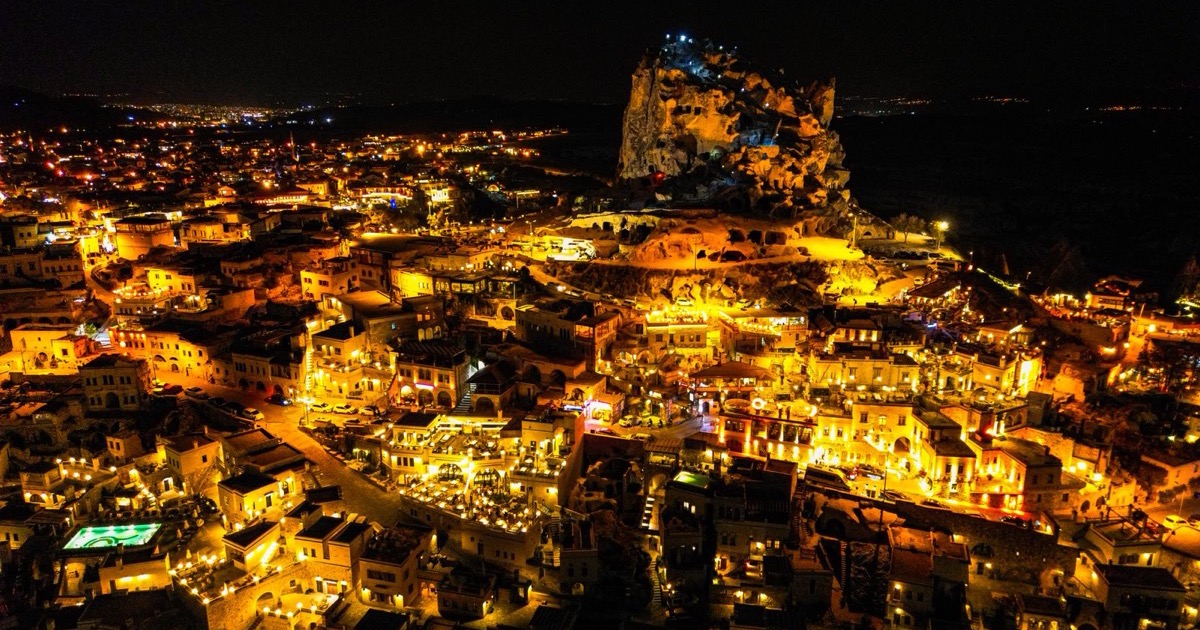

Travelers seeking a thorough Cappadocia underground city guide 2026 will find that the region’s subterranean marvels blend ancient engineering with striking scenery.
Travelers seeking a thorough Cappadocia underground city guide 2026 will find that the region’s subterranean marvels blend ancient engineering with striking scenery. Below the fairy‑tale landscape of Göreme, cave dwellings and rock‑cut architecture whisper stories of early Christian refuge and centuries‑old ventilation shafts. With the area designated as a UNESCO World Heritage site, the underground tunnels attract curious explorers from around the globe. This article lays out practical routes, first‑time recommendations, and up‑to‑date visitor information for 2026.
How can I get to Cappadocia’s underground cities using public transportation?
Most visitors arrive via Nevşehir Kapadokya Airport (NAV) or Kayseri Erkilet Airport (ASR), both serviced by regular shuttle buses to the town of Göreme, the gateway to the region’s underground sites. From Göreme, the local dolmuş (minibus) network departs every 20‑30 minutes toward the villages of Derinkuyu and Kaymaklı, stopping at designated “Underground City” signs along the road.
For those staying in Ürgüp or Avanos, intercity buses operated by the regional carrier run hourly to the central bus terminal in Nevşehir, where a short 15‑minute dolmuş ride connects to the underground city entrances. Tickets can be purchased on board, and most drivers understand basic English, making the journey straightforward for first‑time travelers.
During peak summer months, additional express shuttles are added to accommodate the higher demand generated by Cappadocia underground tours 2026. Checking the latest schedule at the Nevşehir bus station ensures you catch the most convenient departure.
Which underground city in Cappadocia is best for first‑time visitors?
Derinkuyu and Kaymaklı dominate the visitor landscape, each offering a distinct experience. Derinkuyu reaches a depth of approximately 60 meters and includes 18 levels, though only eight are open to the public. Its compact layout makes it easier to navigate for those uneasy about narrow passages, and the presence of an ancient stone door provides a dramatic illustration of historical security measures.
Kaymaklı spreads across a broader area with nine accessible levels, featuring more extensive communal rooms, wineries, and a larger network of ventilation shafts. The layout is slightly more open, allowing visitors to appreciate the scale of daily life for the historical Christian refuge without feeling confined.
| Feature | Derinkuyu | Kaymaklı |
|---|---|---|
| Maximum depth | ~60 m | ~30 m |
| Public levels | 8 | 9 |
| Average visit time | 45‑60 min | 60‑75 min |
| Accessibility | Steeper stairs, limited ramps | Gentler slopes, some ramps |
| Crowd level (peak season) | Higher | Moderate |
| Best for first‑timers | Yes, if you prefer a concise route | Yes, if you enjoy broader exploration |
Derinkuyu underground city tips often highlight arriving early in the morning to avoid the midday rush, while Kaymaklı visitors benefit from a mid‑afternoon slot when the flow of tourists eases. Both sites provide clear signage in English, but carrying a small flashlight can enhance visibility in the deeper chambers.
What are the opening hours and entry fees for Derinkuyu and Kaymaklı in 2026?
In 2026, the official opening hours for both underground cities run from 08:00 to 19:00 local time, with the last entry permitted at 18:30. Seasonal adjustments are minimal, though the sites close for a few days each year for maintenance, typically in early January.
Derinkuyu charges a standard adult fee of 100 TRY, with reduced rates for students and seniors. Children under 12 enter free when accompanied by a paying adult. Kaymaklı’s entry fee is slightly lower at 80 TRY for adults, with similar concessions for students, seniors, and young children. Group discounts apply for parties of ten or more, and many Cappadocia underground tours 2026 include the ticket price in their package, simplifying the budgeting process.
To maximize the best time to visit Cappadocia underground city attractions, aim for the first hour after opening or the final hour before closing. These windows typically see fewer visitors, allowing a more relaxed pace and clearer photography opportunities.
How can I avoid crowds when exploring Cappadocia’s underground tunnels?
Timing is the single most effective tool for sidestepping the busiest periods in Derinkuyu and Kaymakli. The official opening hours run from 08:00 to 19:00 during the high season (April – October) and 08:30 to 17:00 in the low season (November – March). Arriving right at the first opening slot gives you a quiet window before school groups and tour buses fill the chambers. If you cannot make the early slot, the last hour before closing also tends to be less congested, as most organized tours have already departed.
Weekday visits are consistently lighter than weekend trips. Local schools typically schedule field trips for Friday afternoons, so a Monday‑Thursday morning visit avoids both school groups and the weekend influx of international tourists. For those who prefer a guided experience but still want space, look for “small‑group” or “private” options advertised under Cappadocia underground tours 2026; these operators often schedule departures at off‑peak times to meet the demand for quieter tours.
| Factor | Early‑Morning (08:00‑09:30) | Mid‑Day (11:00‑13:00) | Late‑Afternoon (17:00‑19:00) |
|---|---|---|---|
| Typical Visitor Volume | Low – most tours have not started | High – school groups & large tours | Medium – fewer tours, but some late arrivals |
| Atmosphere | Calm, better lighting | Busy, louder footsteps | Quiet, softer lighting |
| Photo Opportunities | Clear, unobstructed | Crowded, limited angles | Soft shadows, atmospheric |
| Recommended for | First‑time explorers, photography enthusiasts | Guided large‑group tours | Late‑day photographers, those avoiding crowds |
What safety tips should I follow to prevent claustrophobia underground?
The underground complexes can feel confining, especially for travelers sensitive to tight spaces. Before descending, familiarize yourself with the layout by reviewing the posted maps at the entrance; knowing where the main chambers and emergency exits are located reduces anxiety. Bring a small, lightweight flashlight even though the tunnels are illuminated – the extra beam helps maintain a sense of control in dimmer sections.
Maintain a steady pace and avoid rushing. The stone steps are uneven, and a hurried stride increases the risk of slips and heightens the feeling of being trapped. If you travel with a companion, stay within sight of each other; a partner can provide reassurance and assist if a narrow passage becomes uncomfortable.
- Carry a portable water bottle – hydration helps keep nerves steady.
- Dress in layers; temperature can drop quickly below ground.
- Limit the time spent in the deepest chambers to 15‑20 minutes at a stretch.
- Practice controlled breathing: inhale for four counts, hold for two, exhale for six.
- Notify the guide or staff if you begin to feel uneasy; they can adjust the route.
- Avoid heavy meals immediately before the visit to prevent discomfort while walking.
- Consider a short pre‑visit meditation or grounding exercise to set a calm mindset.
Are guided tours worth booking for Cappadocia’s underground cities?
Guided tours add contextual depth that solitary exploration often lacks. Professional guides explain the engineering feats behind Derinkuyu’s ventilation shafts, the historical purpose of Kaymakli’s wine cellars, and the cultural significance of hidden chapels. For visitors interested in the broader narrative of Cappadocia’s subterranean heritage, the extra cost—typically included in Cappadocia underground tours 2026 packages—provides a richer understanding.
Beyond storytelling, guides enhance safety. They are familiar with the narrow passages where a misstep could occur and know the locations of emergency exits, which is especially valuable for those concerned about claustrophobia. Many tours also include a brief orientation on the Kaymakli underground city entry fee structure, ensuring you are prepared for any additional charges for special sections or audio equipment.
Ultimately, the decision hinges on personal preference. If you enjoy self‑guided discovery and have already studied the site maps, a solo visit during off‑peak hours can be rewarding. However, for first‑time visitors, history enthusiasts, or anyone seeking a structured experience that mitigates crowding and safety concerns, booking a guided tour remains a practical choice.
What equipment or clothing should I bring for an underground city visit?
Temperatures beneath the volcanic tuff remain cool year‑round, often dropping to single‑digit Celsius in winter and staying comfortably mild in summer. A lightweight, insulated jacket or a fleece layer works well in either case, especially if you tend to feel cold in subterranean spaces. Because the tunnels can be damp, a water‑resistant outer layer protects against occasional drips from ancient ventilation shafts.
Footwear is the next critical consideration. The stone steps and uneven passages demand sturdy, closed‑toe shoes with good grip; hiking boots or low‑profile trekking shoes are ideal. Avoid sandals or smooth‑sole sneakers, which can slip on the slick limestone. A small, breathable backpack holds a reusable water bottle, a compact flashlight (most sites provide basic lighting, but a personal source helps in deeper chambers), and a pack of tissues for dust‑prone areas. If you carry a camera, a neck strap or wrist‑mounted harness prevents accidental drops while navigating narrow corridors.
How long does a typical tour of an underground city take?
Guided excursions generally allocate between one and two hours to explore the main levels of Derinkuyu or Kaymaklı, the two most visited complexes. The duration includes a brief introduction to the historical context, a walk through the primary living quarters, and a stop at the communal kitchens, wine presses, and ventilation shafts. Visitors who wish to venture into the deeper, less frequented sections should expect the guide to extend the itinerary by an additional 30‑45 minutes, provided the group’s size and stamina allow it.
Self‑guided visits, which are permitted at several sites, can be shorter or longer depending on personal pace. Most travelers allocate roughly 45 minutes for a quick overview, while history enthusiasts often spend up to three hours tracing the full network of tunnels, examining ancillary chambers, and consulting on‑site informational panels. Regardless of the format, it is advisable to schedule a buffer of at least 15 minutes for unexpected crowd delays or for pausing to absorb the atmospheric details.
- Standard guided tour of main levels – 60‑90 minutes
- Extended guided tour into deeper chambers – additional 30‑45 minutes
- Self‑guided quick overview – about 45 minutes
- In‑depth self‑guided exploration – up to 180 minutes
- Time reserved for photo stops and restroom breaks – 10‑15 minutes
Can families with children safely explore Cappadocia’s underground sites?
Most underground cities are designed with narrow stairways and low ceilings, which can pose challenges for very young children or those uncomfortable in confined spaces. Tour operators typically recommend that families with children under the age of six opt for the surface attractions, such as the open‑air rock‑cut churches and fairy‑chimney valleys, before attempting a descent. For older children who are comfortable with mild claustrophobia, the guided tours are structured to maintain a steady pace, allowing frequent pauses for rest and questions.
Safety measures are in place across the major sites: illuminated pathways, clearly marked exits, and staff members positioned at key junctions. Parents should ensure that children wear appropriate footwear, keep a hand on a guide or a sturdy railing, and stay hydrated. Some operators provide child‑friendly audio headsets that narrate the history in an engaging tone, turning the visit into an educational adventure while keeping youngsters attentive and calm.
What are the most interesting historical features to look for underground?
When you step into the depths of Cappadocia’s subterranean complexes, the first thing that catches the eye is the ingenious ventilation system. Narrow shafts, often hidden behind stone blocks, rise dozens of metres to the surface and create a constant airflow that kept the inhabitants comfortable for months at a time. Look for the circular stone doors, some weighing several tonnes, that could be rolled into place to seal off entire levels during an attack. These doors are fitted with simple yet effective locking mechanisms that demonstrate the practical engineering mindset of the early Christian settlers.
Beyond the functional elements, the underground cities conceal a surprisingly rich social fabric. You will find communal kitchens equipped with large stone ovens, wine‑making installations that include grape‑pressing basins, and even small chapels adorned with faint frescoes depicting biblical scenes. Stables and animal pens are carved on lower levels, allowing livestock to be sheltered during sieges. Pay attention to the narrow “escape” tunnels that branch off from main corridors; they were designed to lead travelers out of the city without exposing them to enemy sightlines, a testament to the defensive foresight of the builders.
How do I combine an underground city visit with other Cappadocia attractions?
Most travelers find that scheduling the underground city early in the morning maximizes flexibility. After a sunrise arrival at Derinkuyu or Kaymaklı, you can surface in time for a short drive to the Göreme Open‑Air Museum, where the fairy‑chimney‑filled landscape offers a contrasting surface experience. From there, a leisurely hike through the Rose and Red Valleys provides a natural segue, allowing you to stretch your legs after navigating cramped tunnels. End the day with a panoramic view from Uchisar Castle, where the setting sun casts long shadows over the volcanic terrain.
If you prefer a guided itinerary, many local operators bundle the underground city with a hot‑air‑balloon ride, a pottery workshop in Avanos, and a sunset dinner in a cave restaurant. The key is to allocate at least two hours for the subterranean tour, including time for a guide to explain the historical context, and then leave a buffer for travel between sites. Public minibusses run regularly between the major towns, but hiring a private driver gives you the freedom to pause at lesser‑known viewpoints such as the panoramic “Three Beauties” rock formation.
Frequently Asked Questions
What is the difference between Derinkuyu and Kaymaklı underground cities?
Derinkuyu reaches a depth of about 60 metres and includes a large communal area that could shelter up to 20,000 people, while Kaymaklı spreads over a wider horizontal footprint with more visible living quarters and storage rooms. Derinkuyu features a deep well and a complex of stone‑door security systems, whereas Kaymaklı is known for its extensive network of ventilation shafts and a well‑preserved religious chamber. Both cities served as refuge during periods of persecution, but their layouts reflect slightly different priorities in terms of defense and daily life.
Is it possible to visit Cappadocia’s underground cities on a self‑guided basis?
Yes, each site has clearly marked entry points and informational signage in multiple languages, allowing independent exploration. Audio guides are available for purchase at the ticket offices, offering detailed commentary on key features. However, some sections are restricted for safety reasons, and a local guide can provide context that is not evident from plaques alone, especially regarding hidden passageways and historical anecdotes.
What is the best season to explore the underground cities in Cappadocia?
Late spring (April to June) and early autumn (September to October) provide mild temperatures above ground, which translates to a comfortable climate inside the tunnels as well. During the peak summer months, surface heat can make the descent feel cooler by contrast, but crowds tend to be larger. Winter visits are quieter, though short daylight hours require careful planning to ensure you return before closing time.
How much does a ticket cost for each underground city in 2026?
Entrance fees for Derinkuyu and Kaymaklı are set by the regional museum directorate and are modest compared with other attractions. As of 2026, a standard adult ticket is priced around 60 Turkish lira, while reduced rates apply for students, seniors, and children under twelve. Group discounts are occasionally offered by tour operators, so it can be worthwhile to inquire when booking a larger party.
Are there any accessibility options for visitors with mobility issues?
Both sites have limited accessibility due to the nature of the ancient staircases and narrow passages. Some sections near the main entrance have been reinforced with handrails, and a short, level route is available for wheelchair users at Derinkuyu, though it does not include the deeper levels. Visitors who require assistance should contact the ticket office in advance to arrange a guide who can provide additional support.
Can I bring a camera or video equipment inside the underground tunnels?
Photography is generally permitted, but flash usage is discouraged to protect delicate frescoes and to avoid disturbing other visitors. Tripods are not allowed because of the confined spaces, and professional video equipment may require a special permit from the site administration. Always respect signage that indicates restricted areas where filming is prohibited.
What should I do if I feel claustrophobic during the tour?
Guides are trained to recognize signs of discomfort and can lead you to a wider chamber or an exit point if needed. Taking slow, deep breaths and focusing on the ventilation shafts can help alleviate anxiety. If you anticipate severe claustrophobia, consider a brief visit to the upper levels only, or explore the above‑ground attractions instead.
How far in advance should I book a guided underground city tour?
During the high‑season months (June to August) it is advisable to reserve a spot at least two weeks ahead, especially if you prefer a small‑group experience with a specialist guide. In the shoulder seasons, same‑day bookings are often possible, though availability can still be limited on weekends. Online reservation platforms typically confirm your slot instantly, allowing you to plan the rest of your itinerary with confidence.
Plan your underground adventure with a clear schedule, respect the preservation rules, and you’ll leave with a deeper appreciation for the hidden ingenuity that shaped Cappadocia’s history.
Plan your trip
Book Istanbul attraction tickets
Skip-the-line tickets and guided tours for Istanbul's top sights, with mobile tickets and flexible cancellation.
See tickets on TiqetsWe may earn a commission from bookings made through this link, at no extra cost to you.
Reviewed by our editor for Türkiye & the Eastern Mediterranean
Elif DemirTürkiye & Eastern Mediterranean Editor
Travel writer covering Türkiye and the Eastern Mediterranean, from Istanbul's old city to the Aegean coast.
More articles by Elif Demir →