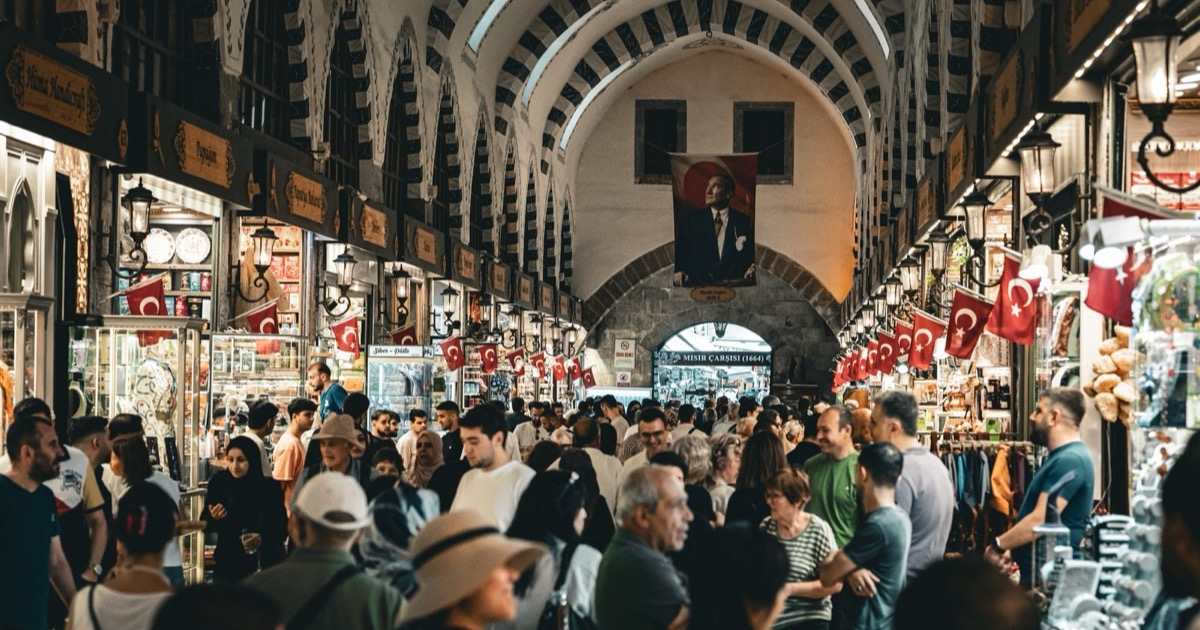

Travelers looking for the Grand Bazaar prime shopping time often wonder when the market’s rhythm aligns with their own pace.
Travelers looking for the Grand Bazaar prime shopping time often wonder when the market’s rhythm aligns with their own pace. In 2026 the historic Kapalıçarşı follows a predictable schedule, yet subtle shifts in crowd dynamics can turn an ordinary visit into a strategic advantage. Understanding the opening hours, weekday flow, and special events such as Istanbul Fashion Week will help you navigate the labyrinth with confidence.
When does the Grand Bazaar open and close during 2026?
The Grand Bazaar adheres to a consistent timetable throughout the year, opening its gates at 9:00 am and closing at 7:00 pm local time. These hours apply to all entrances, including the iconic Beyazıt and Nuruosmaniye gates, and remain stable except for official holidays when the market may close for a full day.
During Ramadan in 2026, the bazaar shortens its daily operation by one hour, typically closing at 6:00 pm to accommodate fasting schedules. Likewise, on national holidays such as Republic Day (October 29) and Victory Day (August 30), the bazaar observes a full closure, so visitors should plan around these dates.
For travelers arriving by public transport, the nearest tram stop (Beyazıt) aligns its service with the bazaar’s opening, allowing early‑morning access. Late‑afternoon shoppers can still enjoy a relaxed atmosphere until the final bell, when most stalls begin to pack up for the evening.
What are the best days of the week to shop at the Grand Bazaar?
Weekday visits generally provide a calmer environment compared with the weekend surge. Monday through Wednesday see the lowest foot traffic, offering ample space to explore narrow alleys and negotiate prices without pressure. Thursday and Friday experience a moderate rise in shoppers, especially as locals begin weekend preparations.
Saturday marks the peak of the crowd forecast, with both tourists and residents filling the corridors, which can make bargaining more competitive. Sunday remains busy but slightly less intense than Saturday, as many families take a leisurely stroll after the week’s work.
| Day | Typical Crowd Level | Ideal for Bargaining | Recommended Activities |
|---|---|---|---|
| Monday | Low | High | Explore hidden courtyards, detailed souvenir hunting |
| Tuesday | Low | High | Visit leather workshops, sample Turkish tea in quiet cafés |
| Wednesday | Low‑Medium | High | Check out antique jewelry stalls, compare carpet prices |
| Thursday | Medium | Medium | Attend live demonstrations of copperware crafting |
| Friday | Medium‑High | Medium | Shop for fashion accessories before the weekend rush |
| Saturday | High | Low | Enjoy street performances, browse pop‑up food vendors |
| Sunday | Medium‑High | Low‑Medium | Take a guided tour of historic sections, capture photo opportunities |
How does Istanbul Fashion Week affect the Grand Bazaar in March 2026?
Istanbul Fashion Week runs from March 4 to March 8 in 2026, coinciding with a special programming of designer pop‑up stalls inside the Bazaar’s Çarşı Gate corridor. These temporary showcases bring contemporary Turkish designers alongside traditional craftsmen, creating a unique blend of modern fashion and historic market culture.
The influx of fashion‑focused visitors raises the overall crowd level, particularly on March 5 and March 6, when runway shows attract media and influencers. However, the pop‑up stalls are strategically placed away from the main thoroughfares, allowing shoppers to enjoy both the new collections and the classic bargaining experience without excessive congestion.
For bargain hunters, the presence of designer stalls can serve as a benchmark for price comparisons, especially when negotiating with textile and leather vendors. Safety advice during this period emphasizes keeping personal belongings secure in crowded areas and staying aware of temporary signage directing foot traffic around the pop‑up zones.
Which sections of the Grand Bazaar host designer pop‑up stalls in 2026?
During the Istanbul Fashion Week window that falls between 4 March and 8 March 2026, the Grand Bazaar transforms several historic corridors into temporary fashion platforms. The most visible concentration appears in the Çarşı Gate corridor, where emerging Turkish designers share space with a handful of internationally‑recognized labels. These pop‑up stalls are curated to complement the Bazaar’s traditional crafts, offering limited‑edition accessories that blend contemporary silhouettes with classic Ottoman motifs.
Beyond the main corridor, the Beyazıt Gate and Nakkaş Gate also welcome specialty booths. The Beyazıt side tends to feature leather‑focused collections, showcasing hand‑stitched bags and shoes that echo the Bazaar’s long‑standing reputation for quality leatherwork. Nakkaş Gate, historically linked to textile merchants, becomes a showcase for silk scarves and embroidered garments created by designers who have partnered with the market’s long‑standing fabric vendors.
| Section | Designer Focus | Typical Products | Operating Hours (pop‑up) |
|---|---|---|---|
| Çarşı Gate corridor | Contemporary ready‑to‑wear | Limited‑edition dresses, statement jewelry | 09:00 – 18:00 |
| Beyazıt Gate | Leather & accessories | Artisan bags, handcrafted shoes | 10:00 – 17:00 |
| Nakkaş Gate | Textile collaborations | Silk scarves, embroidered shirts | 09:30 – 16:30 |
How can I avoid crowds when shopping at the Grand Bazaar?
The Grand Bazaar’s crowd forecast peaks during weekend afternoons and during the peak tourist season from May through September. For a smoother experience, aim for weekday visits during the market’s opening hours, especially the first two hours after the doors open. Early March weekdays, coinciding with the fashion‑week pop‑ups, also tend to be less congested than the surrounding weekends.
Strategic planning around the Bazaar’s schedule can further reduce wait times. The market opens at 09:00 a.m. and closes at 19:00 p.m., with a brief lunch pause between 13:00 and 14:00 for many stalls. Arriving before the lunch break or after it ends allows shoppers to navigate aisles before the mid‑day rush builds.
- Enter through the lesser‑used Kapalıçarşı Gate for a quieter entry point.
- Target the second floor’s specialty sections, such as antique jewellery, which receive fewer footfalls than the ground‑level textile rows.
- Use a handheld map or the official mobile guide to plot a route that bypasses the central “Aladdin’s Lamp” hub during peak times.
- Schedule a brief coffee break at one of the courtyard cafés; the pause often coincides with a natural dip in shopper density.
- Check the daily crowd forecast on the Bazaar’s website or social media feeds; they frequently post real‑time updates during special events.
- Consider visiting on a public holiday that falls on a weekday; many locals take the day off, but tourist traffic remains moderate.
- Dress comfortably and carry a lightweight bag; navigating narrow passages is easier when you’re not weighed down.
What items are most recommended to buy during the prime shopping period?
The convergence of Istanbul Fashion Week and the Grand Bazaar’s regular schedule creates a unique buying window. Designer collaborations released in March often feature exclusive prints on traditional Turkish silk, making scarves and shawls from this period especially collectible. Because the pop‑up stalls operate for a limited time, securing a piece before the 8 March deadline ensures you own a garment that will not be restocked.
Hand‑woven carpets remain a top recommendation, particularly those that incorporate contemporary colour palettes introduced by the fashion‑week designers. Vendors near the Nakkaş Gate have begun showcasing carpet sections that match the seasonal runway trends, offering a seamless blend of heritage craft and modern aesthetic.
Jewellery crafted from Ottoman‑inspired motifs sees a surge in demand during the fashion week, as designers often release limited‑edition pieces that echo the market’s historic metalwork. Pairing a newly‑designed necklace with a traditional silver bracelet sourced from the Bazaar’s antique dealers makes for a balanced purchase that reflects both the event’s spirit and the market’s enduring legacy.
Are there any special discounts or promotions during the Grand Bazaar’s peak season?
During the early‑March window that coincides with Istanbul Fashion Week, a number of boutique ateliers set up temporary pop‑up stalls along the Çarşı Gate corridor. These designers often launch limited‑edition collections at introductory prices that are lower than their regular shop rates. Shoppers who arrive before the midday rush can negotiate a further reduction, especially if they purchase multiple pieces from the same stall.
In addition to designer incentives, many traditional merchants participate in the “Grand Bazaar Shopping Festival” that runs from the first Monday of each month through the following Friday. The festival offers a 10‑15 % discount on selected categories such as ceramics, textiles, and leather goods. The discount is typically applied at the point of sale once a shopper presents a small voucher that can be collected from the information desk near the Beyazıt Gate.
Travelers should also keep an eye on the official Grand Bazaar social media channels, where flash‑sale alerts are posted sporadically throughout the week. These alerts often announce “hour‑long price cuts” on high‑traffic aisles, encouraging quick decisions. While the offers are time‑limited, the reduced prices can be substantial enough to justify an early‑morning visit.
What safety tips should I follow while navigating the Grand Bazaar in busy times?
The labyrinthine layout of Kapalıçarşı can become confusing when crowds swell around popular exits. Maintaining a clear sense of direction reduces the chance of getting lost and helps avoid accidental encounters with pickpockets. Carrying a lightweight, zip‑close bag that sits close to the body provides an extra layer of protection for valuables.
When bargaining, keep the transaction visible and audible. Negotiators who whisper or move away from the main thoroughfare may attract unwanted attention. It is also advisable to limit the amount of cash carried; most stalls accept credit cards, and using a card reduces the risk associated with misplaced money.
- Plan an exit route before entering a new section; note the nearest gate and a recognizable landmark.
- Use a money belt or hidden pouch for passports, extra cash, and travel cards.
- Stay alert to sudden crowd movements, especially near the main entrances where street performers gather.
- Avoid displaying large, ornate jewelry that could be mistaken for a target.
- If a stall feels overly aggressive, politely decline and move to a neighboring vendor.
- Keep your phone’s screen locked and avoid scrolling through maps while walking.
- Report any suspicious behavior to the Bazaar’s security office located near the Nuruosmaniye Gate.
How do seasonal weather patterns influence the Grand Bazaar shopping experience?
Spring brings moderate temperatures and occasional rain showers, which tend to increase foot traffic inside the covered market as visitors seek shelter from the damp streets. The humidity can make certain fabrics, such as silk scarves, feel slightly heavier, so shoppers may wish to test the drape before purchasing.
Summer heat often drives tourists to the Bazaar during early morning hours, when the interior remains cooler due to the thick stone walls and high ceilings. Vendors typically open their shutters later in the day to allow natural ventilation, creating a comfortable environment for extended browsing.
Autumn sees a gradual decline in tourist numbers, resulting in shorter queues at popular stalls. The cooler evenings are ideal for sampling tea in one of the Bazaar’s tea houses, providing a relaxed backdrop for finalizing purchases. However, occasional wind gusts can stir dust through the open arches, so keeping a light scarf handy can be practical.
Can I combine a visit to the Grand Bazaar with nearby attractions during the prime shopping days?
During the early‑March window (4 – 8 March 2026) the Bazaar’s foot traffic spikes, but the surrounding historic quarter remains easily walkable. A short stroll north leads to the majestic Süleymaniye Mosque, where you can pause for a quiet moment before the crowds swell again. To the east, the bustling Spice Bazaar offers a complementary sensory experience—its aromatic stalls are open longer on weekdays, giving you a chance to compare textiles with culinary souvenirs.
Public transport links are especially convenient at this time. The tram line that stops at Beyazıt‑Kapalıçarşı drops you within a block of the main entrance, and the nearby tram‑bus routes connect you to the iconic Hagia Sophia and Topkapı Palace. Scheduling a half‑day itinerary that alternates between the Grand Bazaar’s pop‑up designer corridors and these landmarks helps you avoid peak congestion while still soaking up the city’s layered history.
What bargaining strategies work best during high‑traffic periods at the Grand Bazaar?
When the Bazaar is filled with fashion‑week visitors, many stall owners anticipate larger sales volumes and may be more flexible on price, but they also expect quicker negotiations. Begin by showing genuine interest in the item, then wait a few seconds before making an opening offer—this silence signals that you are not in a rush. Aim for an initial discount of 20‑30 % of the listed price; sellers often counter with a smaller reduction, giving you room to meet halfway.
Leverage the presence of multiple pop‑up stalls selling similar designs. Mention that you have seen comparable pieces elsewhere in the Çarşı Gate corridor, which can prompt a vendor to match or beat a rival’s price. Always keep the tone friendly and respectful; a smile and a few polite Turkish phrases such as “lütfen” (please) and “teşekkür ederim” (thank you) go a long way in building rapport, even amid the bustle.
Sources & Further Reading
Frequently Asked Questions
What are the exact dates of the Grand Bazaar’s prime shopping period in 2026?
The prime shopping window aligns with Istanbul Fashion Week and runs from Monday, 4 March to Friday, 8 March 2026. During these days the Bazaar hosts exclusive designer pop‑up stalls, extended opening hours, and a higher concentration of international shoppers.
Is the Grand Bazaar open on public holidays in Turkey?
Yes, the Grand Bazaar remains open on most Turkish public holidays, though some stalls may close early for the holiday’s observance. It is advisable to check the specific holiday schedule a few days in advance, as individual merchants decide their own hours.
Do the designer pop‑up stalls require separate entry fees?
Access to the pop‑up areas is included in the general admission to the Grand Bazaar; there is no additional ticket. However, some special events within the pop‑up corridor may ask for a modest registration fee, which is clearly posted at the entrance.
How early should I arrive to get the best deals during Istanbul Fashion Week?
Arriving before 9 a.m. gives you a quieter environment and a better chance to negotiate before the midday rush. Early shoppers often find that stall owners are more willing to offer larger discounts, especially on items that have been displayed since the previous day.
Are credit cards accepted at all stalls in the Grand Bazaar?
Most larger shops and the pop‑up designer stalls accept major credit cards, but many traditional family‑run stalls still prefer cash. Carrying a reasonable amount of Turkish lira ensures you can complete purchases without inconvenience.
What is the best way to transport purchases out of the Grand Bazaar?
For bulky items, ask the vendor if they provide a small trolley service; many larger merchants have carts they will roll to the nearest exit. If you are using public transport, the tram stop at Beyazıt‑Kapalıçarşı is conveniently located and can accommodate bags and parcels.
Is there a dress code for visiting the Grand Bazaar during peak times?
There is no formal dress code, but modest attire is recommended out of respect for the surrounding religious sites. Comfortable shoes are essential, as you will be walking on uneven stone floors for several hours.
Can I get a guide or translator inside the Grand Bazaar?
Several licensed guide services operate from the main entrance and can be booked on the spot. They typically charge an hourly rate and can assist with translation, navigation, and bargaining tips.
How safe is it to shop at night in the Grand Bazaar?
The Bazaar stays open until 7 p.m. on weekdays and 8 p.m. on weekends during the fashion‑week period. Security personnel are present throughout the complex, and the main corridors remain well‑lit. As with any busy market, keep an eye on personal belongings and avoid isolated side passages after closing.
Are there any restroom facilities available for shoppers in the Grand Bazaar?
Public restrooms are located near the main gates, including the Beyazıt and Nuruosmaniye entrances. They are free to use during opening hours, and most are equipped with basic amenities for travelers.
Plan your itinerary to include a brief pause at a nearby mosque or café, then return to the Bazaar refreshed and ready to explore the designer stalls. By timing your arrival early and using the bargaining techniques outlined above, you’ll maximize both savings and enjoyment during this vibrant shopping window.
Plan your trip
Book Istanbul attraction tickets
Skip-the-line tickets and guided tours for Istanbul's top sights, with mobile tickets and flexible cancellation.
See tickets on TiqetsWe may earn a commission from bookings made through this link, at no extra cost to you.
Reviewed by our editor for Türkiye & the Eastern Mediterranean
Elif DemirTürkiye & Eastern Mediterranean Editor
Travel writer covering Türkiye and the Eastern Mediterranean, from Istanbul's old city to the Aegean coast.
More articles by Elif Demir →