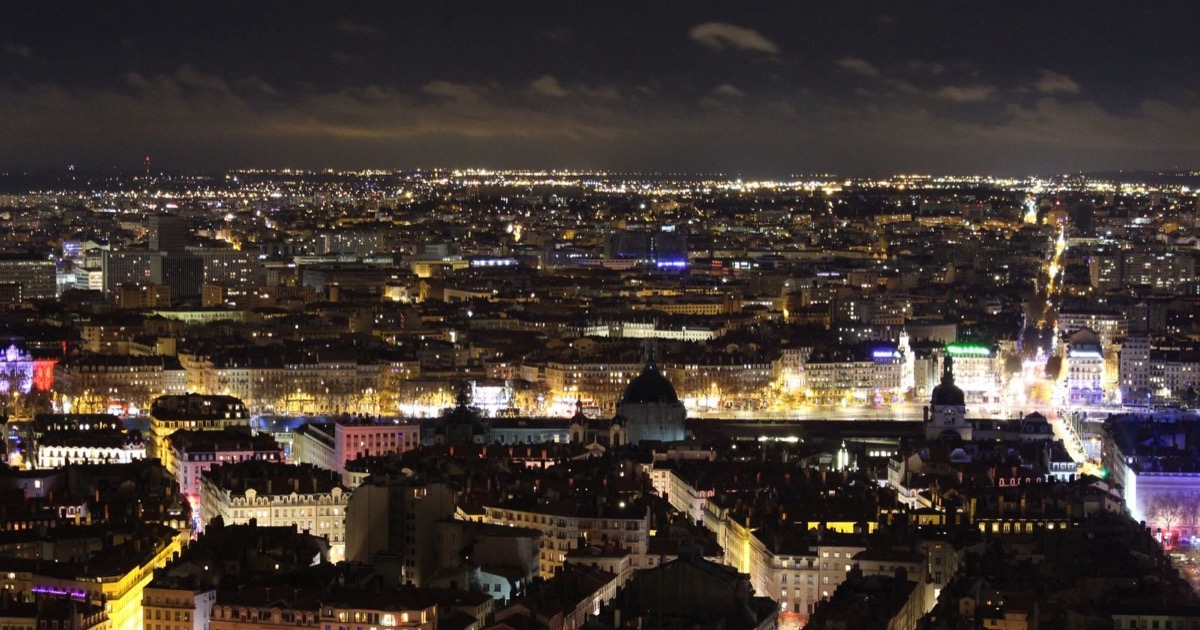

In 2026 Lyon’s night illumination will transform the city into a living canvas of color and shadow, inviting travelers to explore its famed gardens and historic…
In 2026 Lyon’s night illumination will transform the city into a living canvas of color and shadow, inviting travelers to explore its famed gardens and historic monuments after dark. From the glowing riverbanks of the Saône to the meticulously lit UNESCO heritage sites, the schedule of light installations promises a fresh visual feast each season. Knowing when the lights shine brightest and the weather cooperates can turn a simple stroll into a memorable night photography session. This guide pinpoints the optimal moments to wander Lyon’s nightlit spaces, ensuring you catch the most striking displays.
What is the ideal season to experience Lyon’s nightlit gardens and monuments?
Spring awakens the city’s botanical spaces, and the early bloom of public gardens pairs well with the soft pastel lighting that designers often use to celebrate renewal. During April and May, the temperature hovers between 12 °C and 18 °C, providing comfortable conditions for extended evening walks without the need for heavy outerwear. Light festivals in this period tend to emphasize organic motifs, projecting floral patterns onto the façades of the Basilica of Fourvière and the historic traboules.
Summer, especially June through August, delivers long twilight hours and warm evenings that enhance the vibrancy of large‑scale installations. The iconic Saône riverfront becomes a runway for kinetic light sculptures, while the Parc de la Tête d’Or hosts immersive garden lighting that highlights its water features. The combination of extended daylight and higher visitor numbers creates a lively atmosphere, perfect for guided night tours that focus on the city’s “City of Lights” reputation.
Autumn brings a cooler backdrop, with temperatures ranging from 10 °C to 16 °C, and a natural palette of amber leaves that complements the amber and gold tones often chosen for illumination projects. This season is ideal for photographers seeking contrast between the glowing monuments and the surrounding foliage. The Lyon night festivals 2026 schedule lists several heritage‑focused events in October, where UNESCO sites such as the Roman Amphitheatre receive subtle, historically inspired lighting.
How do weather conditions affect night visits to Lyon’s illuminated sites in 2026?
Rain can dampen the visual impact of light installations, as wet surfaces reflect and sometimes blur projected images. However, light designers frequently incorporate reflective water features, turning a light drizzle into an added dimension for the viewer. Clear skies are optimal for night photography, allowing the Milky Way to appear above the illuminated skyline and providing sharp contrast for the city’s light‑filled silhouettes.
Temperature influences comfort levels and the length of time visitors can comfortably remain outdoors. In winter, evenings can drop below 5 °C, prompting many to limit their visits to shorter, indoor‑adjacent experiences such as the illuminated halls of the Musée des Confluences. Conversely, the mild evenings of late spring and early autumn extend the window for leisurely exploration of public gardens and riverbanks.
| Season | Typical Evening Temp. | Daylight Hours (approx.) | Crowd Level | Key Light Events |
|---|---|---|---|---|
| Spring | 12‑18 °C | 14‑16 hrs | Moderate | Floral projection shows, early light festival kickoff |
| Summer | 20‑25 °C | 16‑18 hrs | High | River Saône kinetic installations, large‑scale garden lighting |
| Autumn | 10‑16 °C | 11‑13 hrs | Low‑moderate | Heritage‑focused illuminations, amber‑toned displays |
| Winter | 3‑7 °C | 8‑10 hrs | Low | Winter illumination guide events, indoor‑adjacent light paths |
When planning a visit, consult the Lyon light installations schedule for any weather‑related adjustments. Organizers often provide real‑time updates on social platforms, ensuring that unexpected rain or temperature shifts do not spoil the experience.
Which Lyon monuments are best illuminated during summer evenings?
The Basilica of Fourvière stands out under summer lighting, with its dome bathed in a cascade of white and gold beams that accentuate its Baroque architecture against the night sky. Guided summer night tours frequently include a stop at the basilica’s terrace, offering panoramic views of the illuminated cityscape and the shimmering Saône.
The Place Bellecour, Europe’s largest open square, transforms into a luminous arena where projection mapping outlines the historic contours of Lyon’s districts. During the July–August window, the square’s central statue of Louis XIV is surrounded by dynamic light ribbons that pulse in sync with ambient music, creating a festive atmosphere for both locals and visitors.
Along the riverfront, the Passerelle du Palais‑de‑Justice pedestrian bridge receives a series of LED installations that change color throughout the night, reflecting off the water and highlighting the adjacent Musée des Confluences. This riverside lighting complements the broader “Lyon summer night tours” program, which stitches together multiple illuminated sites into a cohesive walking route.
When do the Lyon light festivals start and end each year?
Lyon's illuminated calendar revolves around three flagship events that shape the nocturnal atmosphere. The Festival of Lights (Fête des Lumières) traditionally opens on the first weekend of December, aligning with the city's patron saint day, and runs for three consecutive nights. In 2026 the schedule is expected to mirror this pattern, with installations beginning on Friday, December 2 and concluding on Sunday, December 4. The Summer Light Trail kicks off in late June, taking advantage of longer daylight and milder temperatures; it typically lasts four weeks, ending in late July. Finally, the Winter Illumination Walk launches in early January, offering a quieter, reflective ambience that stretches through mid‑February. Each festival tailors its programming to the season, providing distinct visual narratives that attract both locals and visitors.
Comparing the three cycles reveals how timing influences crowd density, lighting themes, and ancillary activities. The December festival draws the largest audiences, with street performances, pop‑up markets, and extended opening hours for museums. The Summer Light Trail, by contrast, spreads visitors across parks and riverbanks, allowing for more relaxed strolling and outdoor dining. The Winter Illumination Walk benefits from lower foot traffic, making it ideal for photographers seeking unobstructed compositions. Understanding these temporal dynamics helps travelers choose the period that best matches their preferences.
| Festival | Typical Start | Typical End | Primary Venues |
|---|---|---|---|
| Fête des Lumières | First Friday of December | Third Sunday of December | Place des Terreaux, Basilica of Fourvière, Old Town |
| Summer Light Trail | Last weekend of June | Last weekend of July | Parc de la Tête d’Or, Confluence district, Rhône banks |
| Winter Illumination Walk | First Saturday of January | Mid‑February | Hôtel de Ville square, Croix‑Rousse hill, Musée des Confluences |
What are the opening hours for Lyon’s night gardens in 2026?
Nighttime horticultural displays follow a coordinated timetable that balances daylight fading with municipal lighting regulations. Most gardens open their gates shortly after sunset, typically around 20:00, and remain accessible until the last scheduled light show concludes, often close to 23:30. During the peak of summer, extended hours may push the final closure to midnight, especially for venues hosting live music or culinary pop‑ups. Winter schedules contract slightly, with doors closing by 22:30 to accommodate earlier darkness and reduced visitor flow. All sites enforce a strict entry cutoff 15 minutes before the official closing time to ensure safe egress.
- Parc de la Tête d’Or – 20:00 – 23:30 (extended to 00:00 in July)
- Jardin des Curiosités – 20:15 – 22:45 (seasonal lighting from June to September)
- Parc de Gerland – 20:30 – 23:00 (special night‑market evenings on Fridays)
- Jardin des Plantes – 20:00 – 22:30 (guided night tours on the first Saturday of each month)
- Confluence Green Loop – 20:45 – 23:15 (interactive light installations during the Summer Light Trail)
- Parc des Hauteurs – 20:00 – 22:00 (quiet hours after 22:00, no music)
- Rhone Riverbank Garden – 20:30 – 23:45 (boat‑linked light experience on select dates)
How can I plan a walking route to see the most iconic nightlit sites in Lyon?
Start at the historic Place des Terreaux, where the cathedral’s façade is bathed in synchronized projections. From there, head north along Rue de la République, crossing the Opera House whose glass roof reflects neighboring lanterns. A short detour to Place Bellecour offers a panoramic view of the illuminated Fourvière hill; the hill’s beacon serves as a navigational anchor for the evening. Continue westward to the Old Town (Vieux Lyon), where cobblestone alleys are lined with subtle LED accents highlighting Renaissance façades. The route culminates at the Basilica of Fourvière, accessible via the funicular or a gentle uphill stroll, where the night sky merges with a cascade of color projected onto the dome.
To optimize timing, allocate roughly 15 minutes per major stop, allowing for photo pauses and brief refreshments at nearby cafés that stay open late during festival periods. Public transport integrates smoothly: tram line T1 connects the city center to the Confluence district, while metro line B serves the Fourvière station. For those preferring a self‑guided experience, downloadable GPS tracks are available through the official Lyon tourism portal; these files automatically adjust for seasonal route variations, such as the temporary closure of certain streets during the Summer Light Trail. By syncing the walking pace with the programmed lighting sequences, visitors can experience a seamless progression from historic grandeur to contemporary light art.
Are there any special events or performances that coincide with Lyon’s night illumination?
Lyon’s calendar in 2026 includes several cultural programs that align with the city’s illuminated monuments and gardens. From early June through early September, the “Lumières d’Été” series adds temporary light installations to historic sites such as the Basilica of Notre‑Dame de Fourvière and the Roman Amphitheatre. These installations are curated by contemporary artists and often incorporate soundscapes, creating a multisensory experience that complements the permanent illumination of the Saône riverbanks.
Mid‑July marks the opening of the “Jazz au Parc” evenings in the Jardin des Curiosités, where local and international ensembles perform on a modest stage illuminated by programmable LED fixtures. The concerts are scheduled to begin just after sunset and run for two hours, allowing attendees to enjoy the garden’s night‑time lighting while listening to live music. A similar free‑entry program, “Danse sous les Lueurs,” takes place on select Fridays in August at the Parc de la Tête d’Or, featuring contemporary dance groups that choreograph routines around the park’s illuminated fountains.
For visitors who prefer a more structured event, the “Festival des Lumières et du Patrimoine” in early December offers guided night tours that combine historical narration with synchronized lighting effects on UNESCO‑listed landmarks. The festival includes occasional performances by street artists, fire‑breathers, and projection‑mapping shows on the façades of the old town, providing a cohesive narrative that links Lyon’s medieval heritage with modern visual art.
What transportation options are available for nighttime travel around Lyon?
Lyon’s public transport network remains fully operational after dark, with adjustments to frequency that reflect evening demand. The metro lines A, B, C and D run until approximately 12:30 am on weekdays and until 1:30 am on weekends, offering a reliable backbone for moving between the city centre, the Presqu’île, and the illuminated riverside promenades. Night buses, designated as “Noctilien” routes, supplement the metro by covering districts that are not directly served by underground lines, such as the southern suburbs and the Croix‑Rousse hill.
For shorter distances or a more scenic approach, the city’s Vélo’v bike‑share system operates 24 hours a day, with docking stations located near most major attractions. Electric scooters from licensed operators are also permitted on designated bike lanes, and they provide a quick way to hop between nearby light‑show venues without the need to wait for a bus. Taxis and rides‑hailing services are plentiful, especially around the Place Bellecour and the Part‑Dieu district, where demand spikes after major performances.
- Metro lines A‑D – service until 12:30 am (weekdays) or 1:30 am (weekends).
- Noctilien night bus routes – cover peripheral neighborhoods and operate hourly until 4:00 am.
- Vélo’v bike‑share – 24‑hour availability, stations near most illuminated sites.
- Licensed electric scooters – allowed on bike lanes, with charging stations at key points.
- Taxi ranks at Place Bellecour, Part‑Dieu and Lyon‑Saint‑Exupéry Airport – on‑demand service throughout the night.
- Rides‑hailing apps – surge pricing may apply after major events, but coverage is extensive.
- River shuttle “Les Bateaux‑Lumières” – limited evening runs on select weekends, offering a river‑side perspective of Saône illumination.
How safe is it to wander Lyon’s illuminated areas after dark?
Lyon consistently ranks among French cities with low violent‑crime rates, and the areas surrounding the night‑time light installations are generally well‑patrolled by municipal police. The city’s “Sécurité Nocturne” program deploys additional officers to popular tourist zones such as Vieux‑Lyon, the Presqu’île, and the banks of the Rhône and Saône during peak illumination periods. Patrols are visible, and emergency call points are installed at regular intervals along the riverwalks and within major parks.
Public lighting is designed to maintain adequate illumination on walkways, reducing the risk of accidents. The Saône riverbanks, for example, feature LED streetlights that provide uniform brightness, while the historic streets of the old town are equipped with low‑level lanterns that preserve ambience without compromising visibility. Visitors are advised to stay on well‑lit routes, especially when moving between venues that are spread out across the city.
Common sense precautions remain the most effective safeguard. Keeping personal belongings close, traveling in small groups, and checking the operating hours of transport options before leaving a venue help ensure a smooth experience. Local authorities also publish a nightly safety bulletin on the city’s official website, which includes updates on any temporary road closures or security advisories related to large gatherings.
What photography tips help capture Lyon’s nightlit monuments?
Start with a sturdy tripod; the longer exposures required for illuminated scenes become manageable when the camera is stable. Set the lens to its widest aperture to let in enough light, then raise the ISO only as much as your camera can handle without introducing grain. A slow shutter—typically between 5 and 15 seconds—will render the glow of lanterns and LED installations smoothly.
Compose with the surrounding architecture in mind. Leading lines from pathways or water features can draw the eye toward the lit focal point, while low angles often emphasize the height of towers and arches. Keep an eye on moving light sources such as traffic; a brief pause in the exposure can prevent unwanted streaks.
Use the camera’s manual white‑balance setting to match the hue of the lighting—cool for LED blues, warm for amber lanterns. If your camera offers a live‑view histogram, watch it to avoid blown highlights on the brightest parts of the monument.
Where can I find food and drink while exploring Lyon’s nightlit gardens?
Many of the city’s historic parks host pop‑up food stalls after sunset, offering quick bites like crêpes, grilled sausages, and seasonal salads. Near the Parc de la Tête d’Or, a cluster of cafés opens their terraces in the evening, serving coffee, local wines, and light tapas that pair well with the garden’s illuminated pathways.
For a sit‑down experience, look for restaurants that line the banks of the Rhône and Saône; they often keep their outdoor seating areas lit with subtle lanterns, allowing diners to enjoy river views while the surrounding gardens glow. Late‑night wine bars in the Presqu’île district also provide small plates and a curated selection of Beaujolais wines, perfect for a pause between garden strolls.
If you prefer street‑style fare, the annual night market held in the Confluence area brings together food trucks serving international dishes, from Asian noodles to Mediterranean mezze. These venues usually accept card payments and stay open until the last light installation is switched off.
Frequently Asked Questions
When does Lyon’s night illumination season begin and end in 2026?
The official illumination programme launches in early May, coinciding with the spring lantern festivals, and runs through late September when the first cooler evenings arrive. Some venues extend lighting into early October, especially those linked to cultural events, but the core schedule follows the May‑September window.
Which gardens in Lyon are illuminated at night?
Key sites include the Parc de la Tête d’Or, where pathways and the lake are lit with soft uplighting; the Jardin des Curiosités, offering panoramic city views enhanced by spotlights; and the newly renovated Jardin des Plantes, which features thematic light installations along its botanical rows. Smaller green spaces such as the Parc de la Cerisaie also receive temporary lighting during special events.
Are there any free night tours of Lyon’s monuments?
The municipal tourism office runs complimentary walking tours on select evenings, typically on the first Saturday of each month during the illumination season. These tours focus on the most iconic monuments, providing historical context and pointing out the best photo angles. Registration is recommended via the city’s official website to secure a spot.
What is the best time of day to take photos of Lyon’s illuminated landmarks?
The optimal window falls roughly between 20:30 and 22:00, when the sky is dark enough for the lights to dominate but ambient illumination from street lamps still adds depth. On clear evenings, the period just after the moon rises can also create striking silhouettes against the night sky.
How can I avoid crowds when visiting Lyon’s nightlit sites?
Plan visits on weekdays rather than weekends, and aim for the early part of the illumination window, around 20:00. Smaller gardens such as the Parc de la Cerisaie tend to be less crowded than the main riverfront promenades. Checking live foot‑traffic maps on the city’s tourism app can also help you steer clear of peak clusters.
Is public transport available late at night for tourists in Lyon?
The TCL network operates night buses (called “Nuit”) on Fridays and Saturdays, covering major routes between the city centre and peripheral districts until around 02:00. Metro lines run reduced service on weekends, with the last trains departing just after midnight. Tickets purchased during the day remain valid on these night services.
Are there any accessibility options for disabled visitors at night?
Most illuminated pathways are designed to be wheelchair‑friendly, with smooth surfaces and tactile paving. Audio guides are available in several languages and can be downloaded onto smartphones before arrival. For visitors with visual impairments, the city provides tactile maps at key entry points, and staff at major sites are trained to assist with navigation.
What safety precautions should I take while wandering Lyon at night?
Stay on well‑lit routes and keep personal belongings secure, especially in crowded market areas. Carry a charged mobile device with offline maps, as some narrow alleys may have limited signal. If you are unfamiliar with the area, consider joining a guided group or using the city’s official night‑tour app, which includes real‑time safety alerts.
Can I combine a day visit with a night illumination tour in one day?
Yes; many attractions such as the Musée des Confluences and the historic Old Town close early, freeing up the evening for illumination walks. A typical itinerary might involve a morning museum visit, a midday lunch in the Presqu’île, followed by an early evening stroll through the illuminated Parc de la Tête d’Or. Public transport links make it easy to transition between daytime and nighttime activities without needing a car.
Are there any special discounts for students or seniors for night illumination events?
Reduced‑price tickets are offered to holders of valid student or senior cards for certain paid light installations, especially those hosted in cultural venues like the Musée d’Art Contemporain. The discount usually amounts to 20 % off the standard entry fee and can be claimed at the ticket office with appropriate identification.
Plan your evenings around the illumination calendar, dress comfortably for cooler night air, and keep a lightweight bag for snacks or a warm drink. With the right timing, Lyon’s nightlit gardens and monuments become a memorable backdrop for both exploration and photography.
Reviewed by our editor for Europe
Marco BianchiEurope Editor
Europe travel writer focused on city culture, museums and historic routes across the continent.
More articles by Marco Bianchi →