
Travelers who chase fresh flavors know that timing is everything, and the Thai seasonal fruit guide for 2026 is the perfect companion for planning your culinary
Travelers who chase fresh flavors know that timing is everything, and the Thai seasonal fruit guide for 2026 is the perfect companion for planning your culinary itinerary. From the monsoon‑kissed orchards of the north to the sun‑baked groves of the south, Thailand’s fruit calendar offers a rotating cast of exotic Thai fruits that sparkle at different times of the year. Understanding Thai fruit seasonality not only enhances your palate but also helps you support local growers and find the best Thai fruits to eat at peak ripeness.
Which Thai fruits are in season during the rainy season?
The rainy season, typically spanning May to October, brings a surge of juicy harvests that dominate markets across the kingdom. This period is prime for indulging in the sweet‑tart snap of mangoes, especially the Nam Dok Mai variety, whose fragrant flesh reaches peak softness after a few days of gentle rain. Alongside mangoes, the season also showcases the creamy, custard‑like texture of durian, whose distinctive durian taste and smell become more pronounced as the humidity rises.
Rambutan thrives in the damp climate, and the bright red shells become abundant from July through September. When selecting rambutan, look for firm spines and a glossy sheen; the fruit should yield slightly under gentle pressure, indicating optimal ripeness. Another star of the monsoon is the pomelo, whose thick rind protects a juicy, slightly bitter flesh that offers notable pomelo health benefits such as vitamin C and dietary fiber.
Snake fruit, known locally as salak, also appears during the rainy months, delivering a crunchy, slightly acidic bite that contrasts beautifully with the softer tropical offerings. These fruits form the backbone of the seasonal fruit chart Thailand uses to guide vendors and consumers alike.
What are the signature flavors of Thai tropical fruits?
Thai fruit flavors are defined by a delicate balance of sweetness, acidity, and aromatic complexity. The mangosteen, often called the "queen of fruits," delivers a deep, honey‑like sweetness paired with a subtle floral note—a mangosteen flavor profile that is both refreshing and lingering. In contrast, durian offers a polarizing experience: a rich, custard‑like sweetness intertwined with an earthy, pungent aroma that can overwhelm the uninitiated.
Rambutan provides a juicy burst of honeyed nectar, while its slightly tart skin adds a gentle zing. Snake fruit contributes a crisp, apple‑like crunch with a faintly sour aftertaste, making it a favorite for those who enjoy a textural contrast. Pomelo’s mild bitterness and citrusy brightness round out the flavor spectrum, delivering a palate‑cleansing finish after richer bites.
| Fruit | Signature Flavor | Typical Season | Key Eating Tip |
|---|---|---|---|
| Durian | Creamy sweet with earthy aroma | May‑Oct | Eat chilled for a smoother texture |
| Mangosteen | Honey‑like floral sweetness | Jun‑Sep | Scoop out flesh with a spoon |
| Rambutan | Juicy honeyed nectar | Jul‑Sep | Peel gently; avoid the bitter seed |
| Snake Fruit (Salak) | Crisp, mildly acidic | Jun‑Oct | Remove skin before eating |
| Pomelo | Citrus bright with subtle bitterness | Oct‑Dec | Segment and remove the white pith |
These signature flavors guide the Thai fruit flavors guide for 2026, helping travelers anticipate the taste journey each fruit offers. Pairing fruits with local beverages—such as a cool coconut water with mango or a light jasmine tea with mangosteen—can amplify the natural notes and create a harmonious tasting experience.
Where can travelers find fresh exotic fruits in Thai markets?
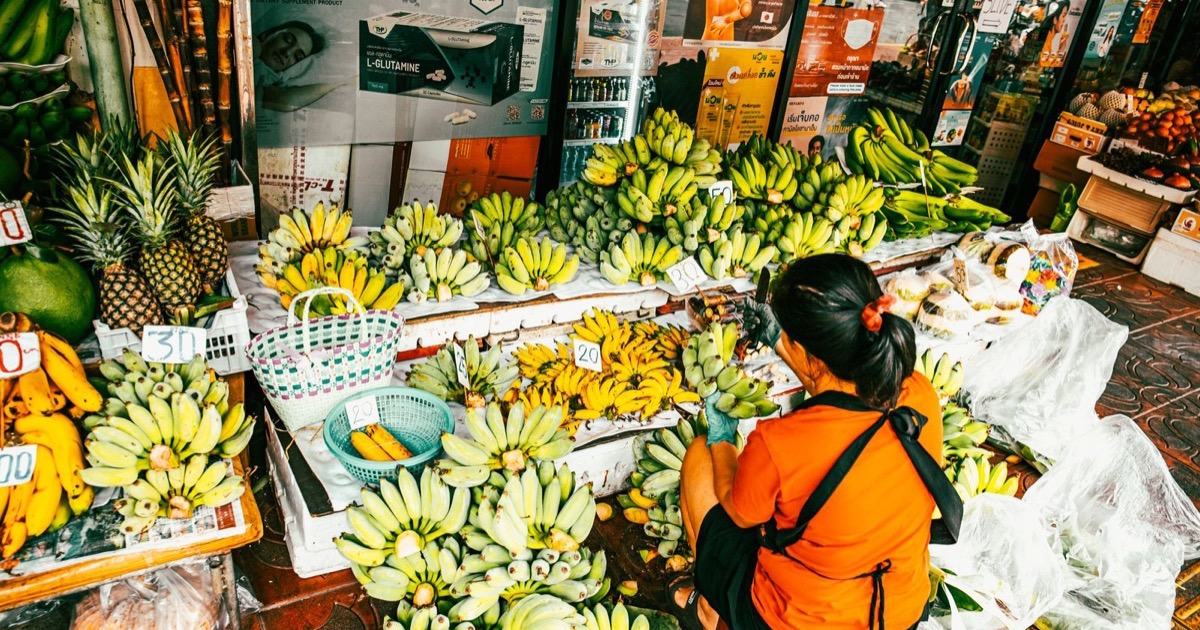
Bangkok’s busy tropical fruit markets, like the legendary Or Tor Kor Market, are renowned for their immaculate displays of fresh produce. Here, vendors arrange piles of bright orange mangoes, glossy rambutans, and spiky snake fruits, each labeled with the harvest month. Early mornings are the best time to shop, as the coolest temperatures preserve the fruit’s firmness and flavor.
Beyond the capital, regional fruit festivals in provinces such as Chiang Mai and Surat Thani showcase seasonal harvests in a celebratory setting. These fruit festivals Thailand hosts each year feature tasting stalls, cooking demonstrations, and opportunities to purchase directly from farmers. Attending a festival not only guarantees access to the freshest exotic Thai fruits but also offers insight into local customs and seasonal rituals.
For travelers seeking convenience, many supermarkets now carry a curated selection of the best Thai fruits to eat year‑round, often sourced from nearby orchards. However, the most authentic experience remains at the local wet markets, where the lively chatter of sellers and the vivid colors of the produce create an atmosphere that mirrors the country’s agricultural heartbeat.
How do I eat and prepare popular Thai fruits like durian and mangosteen?
Durian, often called the “king of fruits,” arrives in Thai markets from May to September. Its thick, spiky husk must be opened with a sturdy knife; a quick, firm cut along the natural seams releases the creamy pods inside. The flesh varies from pale yellow to deep gold, and the texture is custard‑like. To appreciate the durian taste and smell, start with a small spoonful at room temperature. Pair it with sticky rice or a cold glass of coconut water to balance the richness. Many locals also freeze the flesh for later use in smoothies or ice cream, a practical way to enjoy the fruit beyond its peak season.
Mangosteen, heralded for its delicate sweetness, is in season from March to June. The dark purple rind is easily cracked with a thumb or a small knife. Inside, the white segments resemble citrus segments and have a subtle, floral mangosteen flavor profile. For a fresh snack, rinse the segments and eat them plain. To incorporate mangosteen into a dish, blend the pulp with lime juice and a pinch of sea salt for a tangy dip that pairs well with grilled shrimp or chicken. The rind can be dried and used as a tea base, offering a mild astringent note that complements the fruit’s natural sweetness.
- Buy durian from stalls that display whole husks; a fresh aroma indicates ripeness.
- When cutting durian, wear gloves to avoid puncture wounds from the spikes.
- Store opened mangosteen segments in a sealed container in the fridge; they stay fresh for up to two days.
- Freeze excess durian flesh on a parchment sheet before transferring to a zip‑lock bag for smoothies.
- Use mangosteen rind tea as a post‑meal refresher to aid digestion.
What are the health benefits of Thailand’s most popular fruits?
Pomelo, abundant from October to February, provides a generous dose of vitamin C and dietary fiber. Regular consumption supports immune function and promotes healthy digestion. The fruit’s mild bitterness also contains flavonoids that have been linked to reduced inflammation. In Thai fruit markets of Bangkok, vendors often slice pomelo thinly and serve it with a drizzle of fish sauce and chilies, a combination that enhances nutrient absorption through the added spice.
Rambutan, peaking during the hot months of June to August, offers a juicy burst of vitamin A and iron. The bright red skin hides a translucent flesh that is low in calories yet high in antioxidants. For optimal enjoyment, gently roll the fruit in your palm to loosen the skin, then peel it back to reveal the seed. Avoid eating the seed; it contains mild toxins that can cause stomach upset.
Snake fruit (salak) appears in markets during the cooler months of November to February. Its crunchy texture and slightly acidic taste make it a good source of potassium, which helps regulate blood pressure. The fruit’s skin is scaly, resembling a snake, but it peels easily with a gentle twist. Consuming a handful of snake fruit each week can contribute to electrolyte balance, especially after long days exploring tropical climates.
Which Thai fruits are safe for first‑time visitors to try?
First‑time visitors often feel cautious about the strong aromas of durian. If you are unsure, start with a small piece from a reputable stall that offers a “sample” portion. The fruit’s creamy texture is safe, but the smell can be overwhelming in enclosed spaces, so enjoy it outdoors or in a well‑ventilated area. For those seeking milder introductions, consider mangoes, which are in season from March to May and have a sweet, fragrant flesh that rarely causes allergic reactions.
Rambutan and longan are also excellent choices for newcomers. Both have thin, edible skins that are easy to peel, and their juicy interiors are low in acidity, reducing the risk of digestive discomfort. When buying, look for fruits that are firm yet slightly yielding to the touch; overly soft fruit may be over‑ripe and cause stomach upset.
Exotic options like dragon fruit and lychee are widely accepted as safe for most travelers. Dragon fruit’s mild flavor and high water content make it a refreshing snack during the hot season, while lychee, available from May to August, offers a sweet, floral taste with a thin, edible rind. As a precaution, always wash the fruit under running water before peeling, especially when purchasing from street vendors.
When is the best time to taste seasonal fruits in Thailand?
Thailand’s climate creates distinct windows for each fruit, and timing your visit to coincide with those windows maximizes flavor and availability. The cool, dry season from November to February is ideal for citrus such as pomelo and kumquat, as the lower temperatures preserve their bright acidity. Meanwhile, the hot, wet months of March to May bring an abundance of mangoes, longans, and the infamous durian, when the heat accelerates sugar development.
Late summer, especially August and September, marks the peak for lychee, rambutan, and longan, all of which thrive on the lingering monsoon moisture. By October, the country transitions into a short fruit lull before the next cycle, but you can still find late‑season varieties like sapodilla and guava in many markets.
Because fruit ripening can vary by region—northern highlands mature a few weeks earlier than the southern coast—checking local market reports or asking vendors for the freshest pick of the day helps you capture the optimal taste.
How do fruit festivals in Thailand celebrate local harvests?
Fruit festivals serve as communal showcases of agricultural pride, combining market stalls, cooking demonstrations, and cultural performances. Organizers typically line streets with colorful banners, set up tasting booths, and invite chefs to create innovative dishes that highlight the featured fruit’s texture and aroma. Live music and traditional dances add a festive atmosphere, encouraging both locals and tourists to linger and explore.
Many festivals also incorporate competitions, such as the “Best Durian” contest in Chanthaburi or the “Golden Mango” award in the Phitsanulok Mango Festival. Winners receive recognition that can boost demand for their farms, creating a direct link between the celebration and the local economy.
| Festival | Month(s) | Featured Fruit(s) | Typical Activities |
|---|---|---|---|
| Chanthaburi Durian Festival | April–May | Durian (Monthong, Chanee) | Durian tasting booths, cooking demos, durian‑themed art |
| Phitsanulok Mango Festival | May–June | Mango (Nam Dok Mai, Keo Savoy) | Mango carving contests, smoothie workshops, live music |
| Rambutan & Longan Fair, Nakhon Ratchasima | August–September | Rambutan, Longan | Fruit‑picking tours, traditional dance, local craft stalls |
| Pomelo Celebration, Rayong | November–December | Pomelo (Kao Yao) | Pomelo slicing contests, health talks, night market |
What are the price ranges for common Thai fruits in local markets?
Prices fluctuate with seasonality, location, and whether the fruit is sold whole, pre‑sliced, or packaged. In Bangkok’s fresh‑produce markets, a kilogram of mango during peak season typically costs between 30 and 50 baht, while imported varieties can reach 80 baht per kilogram. Durian, being both prized and labor‑intensive, ranges from 120 baht for a half‑kilogram of standard Monthong to over 250 baht for premium Chanee pods.
Street vendors often sell fruit by the piece, offering a more convenient price point for tourists. A single rambutan may cost 5 baht, whereas a small bowl of mixed tropical fruits (including lychee, longan, and dragon fruit) is usually priced around 40 baht. In provincial towns, you’ll find lower rates—sometimes half of Bangkok’s—because of reduced transport costs and direct farmer sales.
Expert Opinion: Dr. Suriya Kanchana, a horticulturist at Chiang Mai University, advises travelers to “look for fruit that is fully colored and slightly soft to the touch; those indicators mean the sugars have peaked, delivering the richest flavor.”
Practical Tips for Visiting Unknown
- Seasonal Check: Before you travel, glance at a current fruit‑season calendar for Thailand to align your itinerary with the harvest you most want to taste.
- Market Timing: Arrive at markets early in the morning when vendors display their freshest picks and before crowds drive up prices.
- Sample First: Many stalls offer small free samples; use them to gauge ripeness and decide whether to purchase whole fruit or a ready‑made snack.
- Cash Ready: Small vendors rarely accept cards, so keep a supply of Thai baht in modest denominations for quick transactions.
- Carry a Bag: Bring a reusable tote or a breathable bag to protect delicate fruit like rambutans from bruising during transport.
- Ask for Recommendations: Vendors are proud of their produce; asking “What’s the best today?” often yields the most flavorful option.
- Stay Hydrated: Tropical fruit can be surprisingly sugary; balance your intake with water, especially during hot afternoons.
Sources & Further Reading
Frequently Asked Questions About Unknown
What are the top Thai fruits to try for a first‑time visitor?
The must‑try fruits include mango (especially Nam Dok Mai), sweet pomelo, fragrant rambutan, and the creamy durian for the adventurous palate. Each offers a distinct texture and flavor that showcases Thailand’s agricultural diversity. Sampling them at local markets gives a quick snapshot of the country’s seasonal bounty.
When is each Thai fruit season throughout the year?
Fruit seasons shift with the monsoon: mangoes peak from March to May, longans from June to August, and mangosteen from November to February. Pineapples and papayas are available year‑round due to multiple harvest cycles. Checking a current Thai seasonal fruit guide will help you plan visits around the freshest picks.
How can I identify ripe durian or mangosteen in a market?
Ripe durian emits a strong, sweet aroma and yields slightly when pressed on the spikes; the thorns should feel firm but not brittle. For mangosteen, look for a deep purple rind and a gentle give when squeezed near the stem. Vendors often tap the fruit; a hollow sound indicates ripeness.
Are there any Thai fruits that are considered dangerous or have strong odors?
Durian is notorious for its pungent smell, which is prohibited on many public transports, though it is safe to eat. The fruit known as "soursop" can cause mild stomach upset if consumed in excess due to its high acidity. Always wash tropical fruits thoroughly to remove any residual pesticides.
Where are the best fruit markets in Bangkok, Chiang Mai, and Phuket?
Bangkok’s Or Tor Kor Market offers high‑quality produce with organized stalls and refrigerated sections. In Chiang Mai, the Warorot Market provides a lively atmosphere and a wide range of local varieties. Phuket’s Banzaan Fresh Market near Patong is convenient for fresh island fruit and seafood pairings.
What traditional Thai dishes incorporate local fruits?
Som tam (green papaya salad) blends shredded papaya with lime, fish sauce, and peanuts for a spicy‑sweet crunch. Mango sticky rice pairs ripe mango with coconut‑infused glutinous rice, a staple dessert across the country. Some regional curries, especially in the south, include pineapple or tamarind for a tangy depth.
Can I bring Thai fruits back to my home country?
Most countries restrict fresh fruit imports to prevent pest introductions, so you will need to declare any fruit at customs. Processed forms such as dried mango, canned pineapple, or fruit jams are generally permitted. Always check the phytosanitary regulations of your destination before packing.
What are the typical prices for popular Thai fruits per kilogram?
Prices vary by season and location: mangoes can range from 30 to 80 baht per kilogram, while durian may cost 200 to 350 baht depending on quality. Rambutan and longan are often priced between 40 and 70 baht per kilogram during peak harvest. Visiting local markets rather than tourist stalls usually yields better rates.
How do I eat snake fruit and what does it taste like?
Snake fruit, or salak, is peeled by removing its scaly skin with a knife or your fingers, revealing a crisp, reddish‑brown flesh. The taste is a mix of sweet and slightly acidic, reminiscent of a blend between apple and pineapple. It is commonly enjoyed fresh or added to fruit salads for texture.
Are there vegan or vegetarian options involving Thai fruits?
Many Thai desserts are naturally vegan, such as coconut‑milk‑based sticky rice with mango or sweet pumpkin custard flavored with palm sugar. Fruit‑filled spring rolls use rice paper and fresh slices of papaya, pineapple, or dragon fruit. The Thai seasonal fruit guide highlights numerous plant‑based dishes that celebrate local harvests.
Exploring Thailand’s fruit markets and street stalls offers a vivid taste of the nation’s agricultural rhythm. By timing your visit with the seasonal calendar, you’ll encounter the freshest flavors and most authentic preparations. Use this Thai seasonal fruit guide as a roadmap to savor the country’s diverse produce, and let each bite become a memorable part of your journey.
Plan your trip
Tours, tickets & activities
Browse and book experiences, attraction tickets and day trips on Klook, with instant confirmation.
Explore experiences on KlookWe may earn a commission from bookings made through this link, at no extra cost to you.
Reviewed by our editor for Asia & the Middle East
Sarah ChenAsia & Middle East Editor
Travel writer covering Southeast Asia, East Asia and the Gulf — temples, street food and modern cities.
More articles by Sarah Chen →