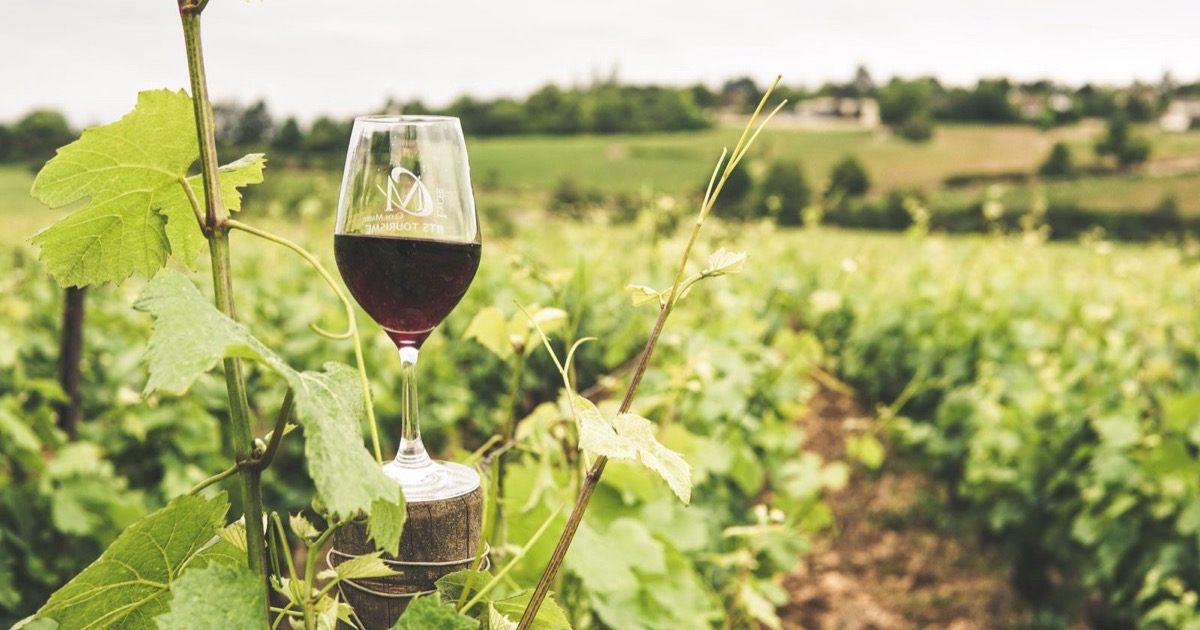

Welcome to the ultimate Cannes wine tasting guide, where the rolling vines of the French Riviera meet expert insight and practical advice.
Welcome to the ultimate Cannes wine tasting guide, where the rolling vines of the French Riviera meet expert insight and practical advice. In 2026, the region’s boutique estates and historic châteaux are more accessible than ever, offering a blend of tradition and modern flair. Whether you crave a leisurely sip on a sun‑drenched terrace or a deep dive into terroir, this guide equips you with the knowledge to taste, learn, and enjoy with confidence.
What are the top vineyards near Cannes for wine tasting?
The Côte d’Azur’s micro‑climate nurtures a variety of grapes, and a short drive from Cannes reveals several standout estates. One celebrated property specializes in rosé made from Grenache, Cinsault, and Syrah, delivering bright acidity and delicate fruit notes that echo the sea breeze. Their weekly tasting sessions include a guided walk through the vines, allowing visitors to see the careful pruning that defines the vintage.
Another highly regarded vineyard lies in the hills of Grasse, where the elevation produces fuller‑bodied reds. Here, the focus is on Mourvèdre and Carignan, crafted into structured wines with earthy undertones. The estate offers a half‑day tour that combines a cellar walkthrough, a tasting of three reserve reds, and a light cheese platter featuring local chèvre.
For those interested in organic practices, a family‑run winery near Le Cannet showcases biodynamic techniques. Their portfolio highlights a crisp, mineral‑driven white from Rolle and a fragrant rosé that benefits from minimal intervention. Visitors can join a monthly “first Friday” tasting, which includes a short shuttle from Cannes and a 15‑minute overview of the vineyard’s philosophy.
How can I book a private wine tasting tour in the Cannes region?
Private tours provide flexibility, personalized attention, and the chance to explore lesser‑known estates. The most straightforward method is to contact a local tour operator that specializes in Provence wine routes. Many companies maintain an online booking portal where you can select the date, number of guests, and preferred wine styles. Early reservations often secure complimentary upgrades such as a premium cheese selection or a short boat ride along the coast.
Another option is to arrange the experience directly with the winery. Several estates have dedicated concierge teams that handle transportation, tasting menus, and even custom pairings based on dietary preferences. When you book directly, you may receive a behind‑the‑scenes look at barrel aging or a private meeting with the winemaker, adding depth to the typical tasting itinerary.
| Provider | Group Size | Inclusions | Typical Price Range |
|---|---|---|---|
| Local Tour Operator (e.g., Riviera Wine Adventures) | 2‑12 | Private driver, 3‑estate tour, lunch, wine‑pairing guide | €150‑€300 per person |
| Estate Direct Booking (e.g., Grasse Red Estate) | 1‑6 | Personalized tasting, cellar tour, optional winemaker Q&A | €120‑€250 per person |
| Luxury Concierge Service | 1‑4 | Helicopter transfer, exclusive barrel tasting, gourmet dinner | €500‑€900 per person |
When choosing a service, consider the Cannes wine tasting etiquette emphasized by most hosts: arrive on time, keep phones on silent, and limit conversation during the pour to allow the aromas to develop. Communicating any allergies or preferences ahead of time ensures a seamless experience, especially for the more elaborate private tours.
Which wines should I taste when exploring the Cannes vineyards?
The region’s signature rosé dominates summer menus, but a comprehensive tasting itinerary includes whites, reds, and even dessert wines. Start with a classic rosé from the Var, characterized by strawberry and citrus aromas, light body, and a crisp finish—perfect for a sunny afternoon on the promenade. Follow with a white from the Bellet appellation, where Rolle grapes produce a mineral‑driven profile that pairs beautifully with seafood.
Red wine lovers should seek out Mourvèdre‑rich blends from the foothills of the Esterel. These reds often display notes of black pepper, dried herbs, and a firm tannic structure that improves with a few years of bottle age. For a sweet finale, look for a vin doux made from Muscat, offering honeyed flavors and a lingering finish that complements the region’s pâtisseries.
Pairing advice is integral to the Cannes wine tasting guide. A light Provençal tapenade pairs well with the crisp rosé, while grilled bouillabaisse enhances the acidity of the Bellet white. Hearty lamb stew brings out the depth of the Mourvèdre reds, and a cheese plate featuring aged goat cheese rounds out the tasting journey. By selecting a range of styles, you capture the full spectrum of the French Riviera’s winemaking heritage.
What are the best food pairings for Cannes’ local wines?
The Côte d’Azur’s vineyards produce a range of rosés, whites and light reds that thrive alongside the region’s Mediterranean cuisine. A classic rosé from the Bellet appellation, with its bright acidity and subtle citrus notes, pairs beautifully with grilled sea bass drizzled in olive oil and a squeeze of lemon. The wine’s freshness cuts through the fish’s richness while echoing the herbaceous aromatics of rosemary and thyme often used in the preparation.
For a more robust experience, try a small‑batch red from a boutique estate near Grasse. Its soft tannins and notes of ripe plum complement a Provençal lamb tagine spiced with cumin, coriander and dried apricots. The fruit‑forward profile of the wine mirrors the sweetness of the apricots, creating a harmonious balance that enhances both the dish and the sip. Incorporating these pairings into a Cannes wine tasting itinerary adds depth to each stop on a wine tours Cannes adventure.
| Wine Type | Recommended Dish | Why It Works |
|---|---|---|
| Bellet Rosé | Grilled sea bass with lemon‑olive oil | Bright acidity mirrors citrus, while light fruit notes complement the fish’s delicate flavor. |
| Bellet Blanc | Salade Niçoise with tuna, olives, and hard‑boiled egg | Mineral backbone matches salty olives; crisp finish balances tuna richness. |
| Provence‑style Red | Lamb tagine with apricots and spices | Soft tannins soften spice heat; plum notes echo apricot sweetness. |
| Grenache‑based Rosé | Herb‑marinated goat cheese crostini | Fruit‑forward palate lifts creamy cheese, while herbal hints echo the garnish. |
| Viognier | Roasted chicken with figs and hazelnuts | Perfumed aromatics enhance fig sweetness; slight oak supports nutty crunch. |
When is the ideal season to experience wine tasting around Cannes?
The vineyards surrounding Cannes follow a rhythm dictated by the Mediterranean climate. Late spring, from mid‑April to early June, offers blooming vines and moderate temperatures, allowing visitors to walk the rows without the heat of summer. During this window, many estates open their doors for special harvest‑preview tastings, giving a glimpse of the upcoming vintage before the crowds arrive.
Autumn, particularly September and October, marks the official harvest period. The air carries a faint scent of crushed grapes, and winemakers are eager to share freshly pressed samples. This season also aligns with the traditional “vendange” festivals, where local producers celebrate the bounty with music, market stalls and extended tasting sessions. Planning a best wine tasting Cannes trip during these months maximizes both sensory enjoyment and cultural immersion.
- Mid‑April to early June: vine blossom, cool mornings, limited tourist flow.
- Late June to August: warm weather, full‑court tours, occasional heat‑related closures.
- Early September: start of harvest, vibrant activity in cellars.
- Mid‑September to early October: peak harvest, freshest wines available.
- Late October: post‑harvest tasting, calmer atmosphere, occasional rain.
- November to March: limited tastings, focus on barrel aging tours.
How do I master wine tasting techniques during a Cannes vineyard visit?
Begin each tasting by observing the wine’s color against a white background. The hue of a Bellet rosé, for example, can indicate its age and level of oxidation; a pale salmon suggests youth, while a deeper amber may hint at extended skin contact. Note the intensity of the color, as it often correlates with concentration and body.
Next, engage the sense of smell. Swirl gently to release aromatics, then inhale deeply. Identify primary notes such as citrus, white peach or herbaceous rosemary, followed by secondary nuances like minerality or subtle oak. Training your nose to distinguish these layers will improve your ability to articulate flavors during a guided Cannes wine tasting tour.
Finally, taste with intention. Take a small sip, let it coat the palate, and assess the balance between acidity, sweetness, tannin and alcohol. A well‑structured rosé should display crisp acidity that lifts fruit flavors, while a red from the hinterland should reveal soft tannins that soften after a few minutes. Practice the “three‑step” method—look, smell, sip—at each stop on your Cannes wine tasting itinerary to develop confidence and a refined palate.
What etiquette should I follow during a wine tasting in Cannes?
When you arrive at a tasting room or a private estate, greet the host with a polite “Bonjour” and a brief introduction. A firm handshake and a smile set a respectful tone, especially in the close‑knit community of French Riviera wine producers. If the tasting is part of a scheduled tour, arrive a few minutes early; punctuality shows you value the winemaker’s time.
During the session, hold the glass by the stem to keep heat from your hand away from the wine. Swirl gently, inhale the aromas, then take a modest sip. It is acceptable to discuss the flavors, but keep comments constructive and avoid loud laughter. If you are unsure about a particular note, a simple “I notice a hint of citrus” is sufficient. Remember that many estates provide a small plate of local cheeses or olives; feel free to taste, but do not finish everything in one sitting unless the host offers a refill.
When the tasting concludes, thank the host and ask if a bottle can be purchased. In Cannes, it is customary to leave a modest tip of around five percent of the total price, especially for private tours where the guide has shared personal stories about the vineyard’s history.
How can I get to the vineyards around Cannes using public transport?
The Provence wine routes are well‑served by a combination of regional trains, buses, and occasional ferry connections. Start from Cannes’ main train station, Gare de Cannes, where frequent TER services head east toward Grasse and west toward Antibes. From these hubs, local bus lines reach the smaller villages that host the most celebrated estates.
Plan your journey with the Lignes d'Azur network app or website; real‑time schedules help you avoid long waits, especially on weekends when market crowds increase. For a scenic approach, consider the coastal bus that runs along the Boulevard de la Croisette before turning inland toward the hills where the vineyards sit.
- Take the TER train from Cannes to Grasse (approximately 20 minutes) and transfer to Bus 400 toward Le Bar-sur-Loup; alight at the “Les Vignes” stop.
- Board Bus 200 from Cannes Centre to Mougins; the stop “Mougins‑Vignobles” is a short walk to several boutique estates.
- Use the coastal Bus 10 from Cannes to Antibes, then switch to Bus 130 that climbs to the village of Valbonne, a gateway to the “Côte d’Azur” wine trail.
- Catch the ferry from Cannes Port to the island of Lérins; the island’s small bus service connects to the vineyard of Île Sainte‑Marguerite, known for its seasonal wine tasting Cannes events.
- From the train station, ride the night bus N1 to the hilltop hamlet of La Colle; this line operates on Fridays and Saturdays during the harvest season.
Are there affordable wine tasting tours for budget travelers in Cannes?
Several operators offer group tours that keep Cannes wine tasting prices low without sacrificing quality. Look for itineraries that combine a short bus ride with visits to two or three family‑run wineries; the shared transport cost is spread across the participants, often resulting in a per‑person fee under €30. These tours typically include a brief overview of wine tasting techniques, a tasting of three to four wines, and a light snack of local bread and olives.
Another option is the “first Friday” program highlighted by local tourism boards. On the first Friday of each month, many vineyards open their doors to the public for a reduced fee that includes a guided walk through the vines, a tasting of the estate’s flagship wine, and a short talk on seasonal wine tasting Cannes trends. Advance online reservation is recommended, as spots fill quickly.
For the most economical experience, consider joining a “wine and food pairing Cannes” workshop hosted by community centers in the suburbs of Cannes. These events charge a modest entry fee and pair a selection of regional wines with simple dishes such as ratatouille or tapenade, giving you practical insight into how flavors interact without the premium price tag of private tours.
What hidden boutique wineries offer exclusive tastings near Cannes?
Just a short drive north of the promenade, a handful of family‑run estates open their cellars to small groups on a limited schedule. These properties focus on single‑varietal rosés and low‑intervention reds, allowing visitors to experience the terroir without the crowds of larger domaines. Many of them reserve the first Friday of each month for a curated tasting that includes a 15‑minute guided walk through the vines, a brief history of the winemaking philosophy, and a tasting of three to four reserve bottles that are not shipped elsewhere.
For travelers seeking a more intimate setting, private appointments can be arranged through local wine tour operators. A typical private session lasts about an hour and pairs each pour with a small plate of Provençal charcuterie, olives, and fresh goat cheese. Because the estates keep production volumes low, the staff can answer detailed questions about vineyard practices, barrel selection, and the impact of the Mediterranean micro‑climate on acidity and aromatics. Booking ahead guarantees a spot and often includes the option to purchase the tasted bottles directly from the cellar at a modest discount.
How do I combine a wine tasting tour with a day trip to nearby villages?
The Côte d’Azur’s interior villages are easily reachable by a short shuttle or rental car, making it simple to blend viticulture with cultural exploration. Begin the morning with a scheduled tasting in the hills above Cannes, then head east toward Grasse, the historic perfume capital, where you can wander the scented streets and visit a museum before lunch. After a leisurely meal of Provençal cuisine, continue north to the medieval hill‑top town of Saint‑Paul‑de‑Vence, where art galleries and cobblestone squares provide a relaxed backdrop for an afternoon stroll.
Most organized tours include transportation in a climate‑controlled vehicle, a knowledgeable guide fluent in French and English, and a flexible itinerary that allows extra time in each village. If you prefer to travel independently, consider purchasing a day‑pass for the regional bus network; the routes connect Cannes with Valbonne, Mougins, and the surrounding vineyards, and the stops are timed to align with typical tasting windows. Remember to schedule your return to Cannes in the early evening to avoid rush‑hour traffic and to give yourself enough time to enjoy a sunset dinner by the sea.
Sources & Further Reading
Frequently Asked Questions
How far are the vineyards from the city centre of Cannes?
The most frequently visited boutique estates sit between 10 and 25 kilometres from the centre of Cannes. A typical drive takes 20 to 40 minutes depending on traffic, while organized shuttle services often depart from the main promenade and return after the tasting session.
Do I need a wine license to participate in tastings in Cannes?
No special licence is required for visitors. All tastings are open to adults over the legal drinking age, and the staff will verify identification on site. Licences are only relevant for professionals who intend to sell wine commercially.
Can I bring my own food to a wine tasting tour in Cannes?
Most private tours allow you to bring a small snack, but the standard group tours provide a selection of local bites that complement the wines. If you have dietary restrictions, it is advisable to inform the operator when you book so they can accommodate you.
What is the typical cost of a wine tasting session in the Cannes area?
Group tastings generally range from €25 to €45 per person, covering a guided tour, three to four wine pours, and light accompaniments. Private sessions are priced higher, often between €70 and €120, reflecting the exclusive nature of the experience and the inclusion of a personalized tasting menu.
Are there family‑friendly wine tasting options near Cannes?
Several estates host weekend afternoons where children are welcome to explore the vineyard grounds while adults enjoy the tasting. These sessions often replace alcoholic pours with fresh grape juice or non‑alcoholic spritzers and include activities such as grape‑stomping demonstrations.
How early should I book a wine tasting tour for the 2026 season?
Because the first‑Friday calendar fills quickly and private appointments are limited, the safest approach is to reserve at least three months in advance. For peak months like July and August, many operators recommend booking six weeks ahead to secure the desired time slot.
What languages are the wine tour guides in Cannes fluent in?
Guides commonly speak French and English, and many also offer basic Spanish or German introductions for international groups. When arranging a private tour, you can request a guide who is fluent in a specific language to ensure a smooth experience.
Is it possible to purchase bottles directly from the vineyards after tasting?
Yes, most boutique wineries allow guests to buy the wines they have sampled on the spot. Some estates keep a limited stock of reserve bottles that are only available at the cellar, and they often provide a modest discount for on‑site purchases.
What transportation options are recommended for a safe return after wine tasting?
Organized tours typically include a driver who remains sober and ready to transport the group back to Cannes. If you are travelling independently, consider hiring a local taxi service or using a ride‑sharing app that offers a “designated driver” option. Public buses run regularly, but they may be less convenient if you have purchased several bottles.
By planning your vineyard visits around the first‑Friday schedule, reserving private tastings early, and pairing each sip with a nearby village adventure, you can enjoy a well‑rounded day that showcases both the flavors and the culture of the Cannes region. A final toast at a seaside café will cap the experience, leaving you with vivid memories of Provençal wines and the charming towns that surround them.
Reviewed by our editor for Europe
Marco BianchiEurope Editor
Europe travel writer focused on city culture, museums and historic routes across the continent.
More articles by Marco Bianchi →