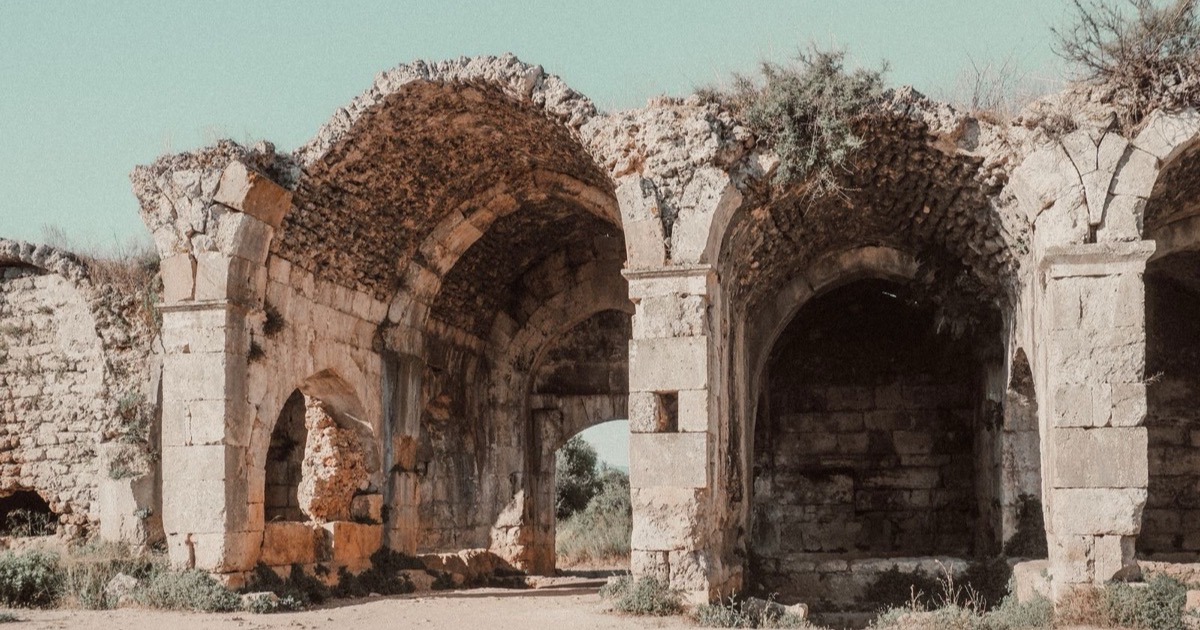

Side Turkey ancient city guide offers a compact yet thorough roadmap for anyone eager to trace the footsteps of Greeks and Romans along the Mediterranean coast.
Side Turkey ancient city guide offers a compact yet thorough roadmap for anyone eager to trace the footsteps of Greeks and Romans along the Mediterranean coast. The town’s blend of sun‑kissed beaches and stone‑carved monuments creates a unique backdrop for a walking adventure. With the 2026 travel climate in mind, you’ll find practical tips on routes, timing, and local amenities. Let’s start the journey through time, one cobblestone at a time.
What are the must‑see ancient ruins in Side, Turkey?
The centerpiece of Side’s archaeological landscape is the Temple of Apollo, perched on a hill overlooking the sea. Built in the 2nd century BC, the marble columns still frame a view that once guided sailors to safe harbor. Inside the temple precinct, you can spot remnants of a podium and the original altar stone, offering a tangible sense of the city’s Hellenic origins.
A short walk downhill leads to the Roman theater, a semi‑circular arena that once held up to 15,000 spectators. The tiered stone seating is remarkably intact, and the stage wall still bears traces of ancient frescoes. During summer evenings, the theater occasionally hosts open‑air performances, letting visitors experience the acoustics that thrilled audiences two millennia ago.
Beyond these headline sites, the Antique City of Side stretches along the coastline, where you’ll encounter the agora, the Nymphaeum, and a series of mosaics hidden beneath modern pathways. The Side Museum, housed in a restored Ottoman building, curates artifacts excavated from the surrounding area, including marble statues, pottery, and inscriptions that illuminate daily life in the ancient port.
How can I explore Side’s archaeological sites on foot?
Walking through Side’s historic quarter is straightforward, thanks to well‑marked stone lanes and clear signage in both Turkish and English. The most flexible approach is a self‑guided walking tour, where you follow a printed map or a downloadable PDF that highlights each ruin, suggested viewing times, and short historical notes. This method lets you set your own pace and linger at spots that capture your interest.
If you prefer audio commentary, several reputable travel apps offer a location‑based guide that triggers recordings as you approach each landmark. The cost is modest, and the audio is narrated in several languages, providing context without the need to read signs. For those who enjoy a structured narrative, local tour agencies run daily group walks led by licensed guides who weave together myth, architecture, and practical anecdotes.
| Option | Cost (approx.) | Duration | Highlights |
|---|---|---|---|
| Self‑guided map | Free‑to‑download or €2 for printed copy | 2–4 hours | Complete freedom, ability to skip sites |
| Audio‑guide app | €5 for 48‑hour access | 2–3 hours | Multilingual narration, GPS‑triggered |
| Group walking tour | €15–€20 per person | 3 hours | Professional guide, group insights |
| Private guide | €40–€60 per hour | Custom | Personalized itinerary, deeper details |
Regardless of the option you choose, wear comfortable shoes, bring a bottle of water, and apply sunscreen—Side’s climate in 2026 remains warm and sunny for most of the year. Early morning or late afternoon walks also help you avoid the midday heat while providing softer lighting for photography.
When is the best time of year to visit Side’s ancient city?
Side enjoys a Mediterranean climate, with hot, dry summers and mild, rainy winters. For archaeological exploration, the shoulder months of April to early June and September to October strike a balance between pleasant temperatures and lower visitor numbers. Daytime highs hover around 22–27 °C (72–81 °F), making the stone surfaces comfortable to touch and the surrounding gardens lush.
July and August bring temperatures that often exceed 30 °C (86 °F), which can be taxing during extended walks. If you travel during this period, plan to start your site visits early, then retreat to the beach or a shaded café for a midday break. The winter months, especially December through February, see occasional rain and cooler days, but the reduced crowds can make for a more contemplative experience among the ruins.
Side Turkey weather 2026 forecasts suggest that the spring months will remain the most reliable for clear skies, while the autumn period may see occasional breezes from the sea that add a refreshing element to your tours. Aligning your itinerary with these windows ensures that you can fully appreciate the ancient city without weather‑related interruptions.
What hidden historical spots most tourists miss in Side?
Beyond the well‑known Temple of Apollo and the Roman theater, Side hides several quieter corners that reveal different layers of its past. The bilingual Greek‑Latin inscription, set into a low wall near the old market, records a decree from the 2nd century CE and offers a glimpse of civic life under Roman administration. Its stone surface is weathered but still legible, and the site is often overlooked because it sits just a short stroll away from the main promenade, away from the crowds that gather at the larger monuments.
Further inland, the remains of an early Christian baptistery lie beneath a modest garden. Discovered during recent excavations, the octagonal basin and surrounding mosaic fragments suggest that a modest community practiced their faith here before the town’s conversion to Islam. The site is not signposted, so a short walk past the municipal parking lot and a turn onto a narrow lane will bring you to a low‑lying platform where the foundations are visible.
Another spot that rarely appears on standard itineraries is the Roman bridge that once spanned the ancient riverbed now dry for most of the year. The stone arches, though partially collapsed, still convey the engineering skill of the era and frame a tranquil spot where locals sometimes gather for evening tea.
| Site | Era | Key Feature | Typical Visitor Flow |
|---|---|---|---|
| Bilingual Inscription | 2nd century CE | Greek‑Latin decree on limestone | Low |
| Early Christian Baptistery | 4th century CE | Octagonal basin and mosaic fragments | Very low |
| Roman Bridge | 1st century CE | Three‑arch stone construction | Low |
How do I get to the Temple of Apollo and the Roman theater in Side?
The two principal ancient sites sit on a small peninsula that projects into the Mediterranean. From the central parking area near the beach, follow the paved promenade eastward; the Temple of Apollo rises on a low hill just before the shoreline curves. Signage at the entrance points toward the temple’s stone platform, and a short, gently sloping path leads visitors to the altar area.
Continuing along the same promenade for roughly 300 meters brings you to the Roman theater, which is built into the natural slope of the peninsula. The theater’s tiered stone seats are visible from the sea, and a set of stairs descends from the modern walkway down to the orchestra level. Both sites are accessible on foot, and the route is flat enough for most travelers, though a pair of sturdy sandals is advisable for uneven stone.
- Park in the public lot adjacent to the beach; free parking is available after 10 am.
- Head east on the main promenade marked “Antik Bölge.”
- Turn left at the first information board; a short path leads up to the Temple of Apollo.
- After visiting the temple, retrace steps to the promenade and continue eastward.
- Follow the coastal railings for about 300 meters; the Roman theater entrance is indicated by stone arches.
- Use the side stairs to reach the seating area; handrails are present for safety.
- Exit the theater by the same stairs and return to the promenade for onward travel.
Which local guides or tours are recommended for a walking tour of Side’s ruins?
Several locally operated groups specialize in walking tours that blend archaeological insight with practical navigation tips. One popular option is the “Side Heritage Walk,” a half‑day itinerary led by a licensed guide who holds a degree in classical archaeology. The guide explains the historical context of each monument, points out subtle architectural details, and provides anecdotes from ancient texts that reference the city.
Another well‑reviewed service is the “Sun‑lit Ruins Trek,” which pairs a knowledgeable guide with a small group of up to ten participants. This tour includes a brief stop at the lesser‑known bilingual inscription and the early Christian baptistery, offering a broader picture of Side’s multicultural layers. The guide also shares tips on the best times of day to photograph the theater’s stone backdrop without crowds.
For travelers who prefer a more flexible schedule, many independent guides advertise “custom walking routes” that can be adjusted to focus on specific interests, such as Roman engineering or Hellenistic art. These guides typically meet at the main information kiosk near the beach and can arrange a meeting point that fits your arrival time.
Are there any entrance fees or tickets needed for Side’s ancient attractions?
The archaeological zone that includes the Temple of Apollo, the Roman theatre and the surrounding colonnaded streets operates under a single admission system. As of the 2026 season, a standard adult ticket costs roughly €12, while students and seniors benefit from a reduced rate of about €6. Children under the age of 12 enter free of charge when accompanied by a paying adult.
Visitors who wish to explore multiple sites in a single day can purchase a combined pass at the main ticket office near the entrance to the ancient city. This pass grants unlimited access to the museum, the theatre, and the temple area for a 24‑hour period, making it a practical choice for those planning a relaxed itinerary. Ticket counters accept euros and Turkish lira, and credit‑card facilities are widely available.
Special rates apply during the low‑season months of November through March, when the Ministry of Culture offers a 30 % discount on the standard price to encourage off‑peak tourism. Group discounts are also on offer for parties of ten or more, provided the reservation is made at least three days in advance through the official tourism portal.
What safety tips should I know when walking through Side’s historic sites?
The ancient stonework is centuries old and can be uneven, especially after recent rains. Wearing sturdy, closed‑toed shoes with good grip reduces the risk of slips and protects your feet from stray fragments. Sun protection is essential during the summer months; a wide‑brimmed hat, sunscreen of at least SPF 30 and a reusable water bottle will help you stay comfortable while you wander the ruins.
Pickpocketing is uncommon within the archaeological area, but crowded moments near the entrance or the museum café can attract opportunistic thieves. Keep valuables in a zippered bag close to your body and avoid leaving bags unattended. If you notice any damaged railings, broken steps or loose stones, report them to the site staff; they monitor safety conditions and can guide you around hazardous sections.
- Carry a lightweight, waterproof map or download an offline navigation app before you arrive.
- Check the weather forecast; sudden thunderstorms can make the stone surfaces slick.
- Respect all posted signage; barriers are placed for structural preservation and visitor safety.
- Stay hydrated, especially if you plan to climb the theatre’s steep seating tiers.
- Use the designated rest areas for breaks; benches are positioned away from fragile archaeological zones.
- If you have mobility concerns, inquire about wheelchair‑friendly routes at the ticket office.
- In case of an emergency, dial 112 for immediate assistance; site personnel are trained to coordinate with local authorities.
How can I combine a beach day with a visit to Side’s ancient city?
A practical approach is to start early, explore the temple and theatre before the midday heat, and then head to the sandy shoreline for relaxation. The ancient city sits just a short walk—approximately 800 meters—from Side’s main beach promenade, so you can transition between cultural sightseeing and seaside leisure without needing a vehicle. Pack a small day‑bag with a towel, swimwear and a light snack; many cafés along the promenade offer quick bites and fresh fruit juices.
If you prefer a reverse schedule, spend the morning on the beach when the water is calm, then make your way to the ruins in the early afternoon. The site remains open until sunset, allowing you to experience the dramatic lighting on the columns as the sun dips toward the horizon. Evening visits often feel quieter, giving you space to linger among the marble fragments while the temperature drops to a comfortable level.
Both the beach and the archaeological zone share common facilities such as public restrooms and changing rooms, which are maintained by the municipality. Lockers are available near the beach entrance for storing valuables while you swim, and the ticket office provides a small storage area for backpacks if you wish to keep them safe during your dip. By aligning your timing with the local ferry schedule, you can also enjoy a short boat ride that circles the coastline, offering a unique perspective of the ruins from the sea.
What dining options are near the archaeological sites in Side?
Just a short stroll from the Temple of Apollo and the ancient theatre, the promenade along the harbor offers a variety of eateries that cater to different tastes. Seaside cafés serve fresh‑caught fish, simple salads and citrus‑infused drinks, allowing you to enjoy a meal with a view of the Mediterranean while the ruins stand nearby. For a quicker bite, street‑side stalls provide grilled kebabs, flatbreads and locally roasted nuts, perfect for refueling during a long walking circuit.
If you prefer a sit‑down atmosphere, the old town quarter hosts several family‑run tavernas tucked behind stone arches. These establishments often feature outdoor terraces shaded by vines, where you can sample traditional meze plates and regional wines. Many of the venues accept card payments and offer English menus, making the dining experience smooth for international visitors.
Which nearby towns offer additional historical sites to explore from Side?
A short bus ride northward brings you to the coastal town of Manavgat, where the impressive Manavgat Waterfall frames a Roman bridge and a modest museum that displays artifacts from the surrounding region. The town’s market square also contains remnants of an ancient agora, giving a glimpse into daily life during the Roman period.
Further inland, the town of Perge lies within easy reach of Side and presents one of the most extensive classical city layouts on the Turkish Riviera. Its well‑preserved stadium, colonnaded streets and intricate mosaics provide a deeper understanding of Roman urban planning. Guided tours often combine Side’s seaside ruins with a half‑day visit to Perge, creating a comprehensive historical itinerary.
Sources & Further Reading
Frequently Asked Questions
Is Side’s ancient city walkable for seniors?
The main archaeological zone is relatively flat, with paved pathways that connect the major monuments. Some sections feature uneven stone steps, but most attractions are accessible via short, gentle inclines. If mobility is a concern, consider using a wheelchair‑friendly shuttle that circulates between the temple, theatre and museum during the high season.
What are the opening hours of the Side archaeological museum?
The museum typically welcomes visitors from 9:00 am until 7:00 pm, with a short closure for a lunch break between 1:00 pm and 2:00 pm. During the winter months the final entry may be limited to 5:30 pm, so it is advisable to verify the schedule on the official tourism portal before planning your day.
Can I rent audio guides at the ruins in Side?
Audio guide devices are available for rent at the entrance of the ancient theatre and the Temple of Apollo. The rental fee includes a multilingual commentary that lasts for the duration of your visit. Devices are returned to the same kiosk, and a small deposit is refunded upon return.
Are there any free walking tours in Side?
Local tourism offices organize complimentary walking tours on weekdays, usually beginning at the central square near the harbour. Guides work on a tip‑based system, allowing participants to contribute what they feel the experience was worth. Reservations can be made online or on the spot, depending on availability.
How far is Side from Antalya airport?
The distance between Side and Antalya International Airport is roughly 75 kilometres. By car or shuttle, the journey takes about 1 hour and 15 minutes, depending on traffic conditions. Several transfer companies operate regular services that align with flight arrivals and departures.
What is the cost of entry to the Temple of Apollo?
Admission to the Temple of Apollo is included in the combined ticket for the archaeological park, which covers the theatre, the agora and the museum. The combined ticket price is modest, with discounted rates for students, seniors and groups of ten or more. Exact pricing is posted at the ticket office and on the municipal website.
Which month offers the least crowds at Side’s historic sites?
Late autumn, particularly November, tends to see the lowest visitor numbers while the weather remains mild enough for comfortable exploration. Early spring also provides a quieter atmosphere, though occasional rain showers can occur.
Is it possible to visit Side’s ruins in a single day?
A focused itinerary that starts early in the morning can cover the main highlights—Temple of Apollo, ancient theatre, museum and the nearby agora—within a single day. Allocate at least two hours for each major site and include a short break for refreshments to keep the pace relaxed.
What clothing should I wear when exploring the ancient city?
Light, breathable fabrics are advisable during the summer months, paired with a wide‑brimmed hat and comfortable walking shoes that have good grip on stone surfaces. In cooler seasons, a light jacket and closed‑toe shoes protect against occasional wind and uneven ground.
Are there any local festivals related to history in Side?
Each summer, Side hosts a cultural festival that celebrates its Roman heritage with reenactments, classical music concerts held in the ancient theatre, and artisan markets displaying traditional crafts. The event usually spans a weekend in July and attracts both locals and visitors interested in the city’s past.
Plan your schedule around opening times, consider a light snack before heading to the ruins, and allow extra minutes for unexpected discoveries that often appear off the main paths.
Plan your trip
Book Istanbul attraction tickets
Skip-the-line tickets and guided tours for Istanbul's top sights, with mobile tickets and flexible cancellation.
See tickets on TiqetsWe may earn a commission from bookings made through this link, at no extra cost to you.
Reviewed by our editor for Türkiye & the Eastern Mediterranean
Elif DemirTürkiye & Eastern Mediterranean Editor
Travel writer covering Türkiye and the Eastern Mediterranean, from Istanbul's old city to the Aegean coast.
More articles by Elif Demir →