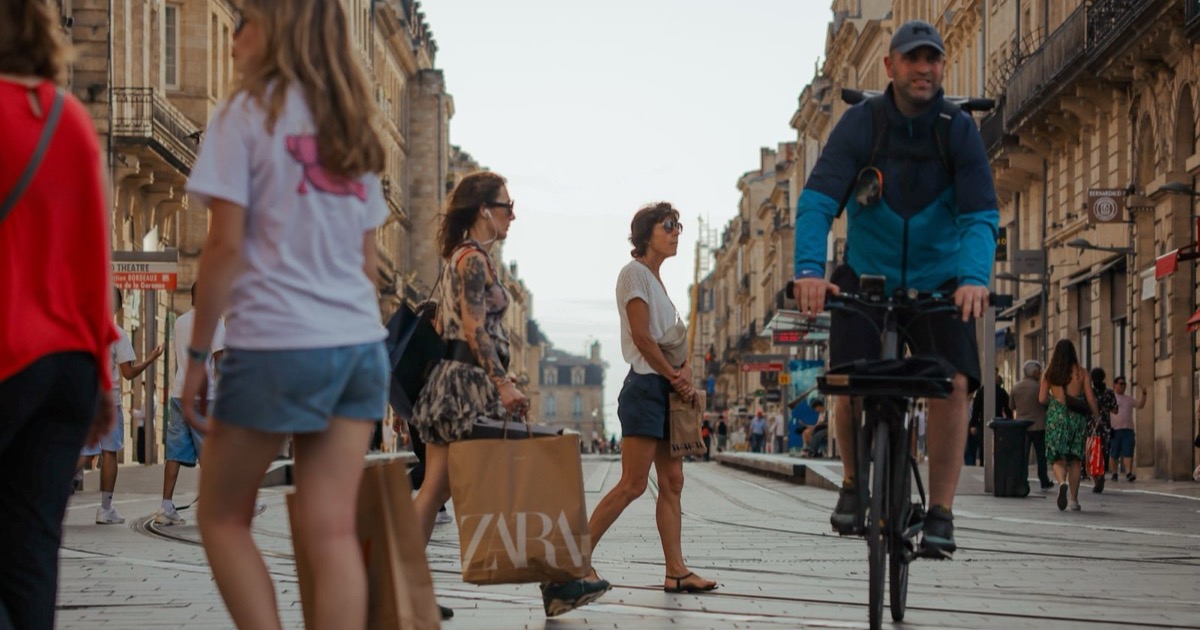

Pedaling beside the flowing Garonne offers a fresh perspective on Bordeaux’s historic streets, modern riverfront, and nearby vineyards.
Pedaling beside the flowing Garonne offers a fresh perspective on Bordeaux’s historic streets, modern riverfront, and nearby vineyards. A well‑planned Bordeaux Garonne bike tour lets you combine urban culture with the calm of the waterway, all while staying active. With clear routes, reliable bike‑share stations, and plenty of stopping points, the experience fits both casual riders and seasoned cyclists. This guide walks you through timing, routes, and rental options so you can start your ride with confidence.
What is the best time of year to bike along the Garonne River in Bordeaux?
The most pleasant months for a Garonne river ride fall between late April and early October. During this window daytime temperatures usually sit between 15 °C and 25 °C, providing enough warmth for a comfortable ride without the heat stress that can appear in midsummer. Spring brings blossoming trees along the banks, while early autumn offers golden light and quieter streets after the peak tourist season.
Rainfall in Bordeaux is spread fairly evenly throughout the year, but the dry spells of May, June, and September tend to have the fewest interruptions. Checking a short‑term forecast before you head out can help you avoid sudden showers that make the river paths slippery. If you prefer cooler air, early May or late September are ideal, as the river’s breeze keeps the ride refreshing.
Beyond weather, consider local events. The annual Bordeaux Wine Festival in June draws crowds to the waterfront, which can add lively atmosphere but also increase pedestrian traffic. Planning your ride on a weekday during the festival week can let you enjoy the festivities without the weekend rush.
Which bike routes along the Garonne offer the most scenic views?
The river corridor features several well‑marked paths that highlight different aspects of the region. The Quais de Bordeaux stretch runs from the Pont de Pierre eastward to the Cité du Vin, offering open water vistas, historic bridges, and occasional glimpses of vineyards across the water. This segment is paved, flat, and integrates with the city’s public bike network, making it ideal for a relaxed urban ride.
Further downstream, the Canal de Garonne Greenway follows the historic canal that parallels the river for several kilometres. Lined with plane trees, the route passes small villages, wine estates, and open fields, providing a contrast to the cityscape. The surface here varies between compacted gravel and asphalt, suitable for hybrid or touring bikes.
For riders seeking a blend of river and countryside, the Vignoble Loop combines a short river segment with a detour onto the vineyards of Saint‑Émilion’s northern edge. The loop adds rolling hills and vineyard rows, rewarding cyclists with occasional winery viewpoints and the scent of vines.
| Route | Distance (km) | Surface | Key Highlights |
|---|---|---|---|
| Quais de Bordeaux | 8 | Paved | Riverfront promenades, historic bridges, Cité du Vin |
| Canal de Garonne Greenway | 15 | Gravel / Asphalt | Plane‑tree canopy, small villages, wine estates |
| Vignoble Loop | 22 | Mixed (paved + light gravel) | Vineyard views, gentle climbs, optional winery stops |
How can I rent a bike for a Garonne River tour in Bordeaux?
Bordeaux’s public bike‑share system, Vélôcité, operates dozens of stations along the riverbanks, especially near the Pont de Pierre, the Quai des Chartrons, and the Cité du Vin. A short‑term subscription can be purchased at any kiosk using a credit card; the process takes under five minutes and provides a smart card that unlocks bikes automatically.
If you prefer a bike equipped for longer rides or mixed surfaces, local rental shops near the city centre offer hybrid, gravel, and electric models. These shops typically include a basic helmet, a map of the river routes, and optional accessories such as pannier bags. Prices are usually set per half‑day or full‑day, with discounts for multi‑day rentals.
For those staying in hotels, many boutique accommodations partner with nearby bike providers to arrange rentals directly at the front desk. It’s advisable to reserve the bike a day in advance, especially during the high tourist season, to guarantee the model you need for the chosen route.
What are the essential safety tips for cycling the Garonne Canal?
Before you set off on the Bordeaux river bike route, take a moment to check that your bike is in good working order. Inflate the tires to the pressure indicated on the sidewall, verify that the brakes engage smoothly, and make sure the drivetrain shifts without hesitation. If you are renting a bike in Bordeaux, most shops will perform a quick safety inspection, but a personal visual check adds confidence, especially on longer stretches where assistance may be farther away.
The Garonne canal corridor is shared with pedestrians, joggers, and occasional boat traffic. Keep to the designated bike lane whenever it is marked; on unmarked sections, ride on the right side of the path and stay visible to others. Use a bright front light and a red rear reflector after sunset, and consider a lightweight helmet with a reflective strip. Carry a small repair kit—multitool, spare tube, and a mini‑pump—to handle punctures without delaying your Bordeaux cycling itinerary.
| Safety Element | What to Do | Why It Matters |
|---|---|---|
| Helmet | Wear a certified bike helmet at all times. | Reduces risk of head injury in a fall. |
| Lights & Reflectors | Attach a front white light and a rear red reflector. | Improves visibility for motorists and other cyclists. |
| Bike Maintenance | Check tire pressure, brakes, and chain before each ride. | Prevents mechanical failures on the canal path. |
| Road Rules | Obey local traffic signs, give way to boats at bridges. | Avoids collisions with river traffic. |
| First‑Aid Kit | Carry band‑aids, antiseptic wipes, and any personal medication. | Enables quick response to minor injuries. |
Which vineyards and châteaux can I visit while biking the Garonne?
The canal side is dotted with historic estates that welcome cyclists for a brief tasting or a stroll through the vineyards. Many of these properties have modest parking areas for bikes, allowing you to explore without disrupting the flow of traffic. While the primary focus of a Bordeaux bike rental Garonne adventure is the scenery, a stop at a local winery adds a cultural layer to the ride.
Most châteaux operate on a reservation basis for larger groups, but solo riders can usually drop in during midday hours. Look for signs indicating “Visite Vignoble” or ask at the local tourist office for the latest opening times. Some estates also provide complimentary water and a slice of local cheese, which can be a pleasant refreshment after a few kilometres of pedalling.
- Château de la Brède – Known for its crisp white blends, offers a short guided walk through the rows of Sauvignon Blanc vines.
- Château de Langoiran – Features a modest tasting room where you can sample a red blend of Merlot and Cabernet Franc.
- Château du Grand Barrail – Situated near the river bend, provides a panoramic view of the canal and a tasting of their flagship red.
- Domaine de la Hume – Family‑run estate with a focus on organic practices; offers a quick tasting of their rosé.
- Château de la Roussellière – Historic property with a small museum of winemaking tools; wine tasting includes a light-bodied white.
- Château de la Garonne – Directly adjacent to the bike path, known for its aromatic whites and a short self‑guided tour.
- Château des Quatre Vents – Slightly off the main route but reachable via a quiet side trail; offers a tasting of a limited‑edition red.
How long does it take to complete a full‑day bike ride on the Garonne River?
A typical full‑day Bordeaux cycling itinerary covers roughly 45 to 55 kilometres, depending on detours to vineyards or historic sites. At a comfortable cruising speed of 15‑18 km/h, the riding portion will consume about three to four hours of active time. Adding short stops—coffee in a riverside café, a 20‑minute tasting, or a brief photo pause—extends the day to six or seven hours, which fits comfortably within daylight hours from spring to early autumn.
If you prefer a more relaxed pace, you can split the route into two segments, using the canal’s well‑marked rest areas as natural break points. Many bike rental shops in Bordeaux provide maps that highlight these spots, along with information on nearby amenities. Planning your departure early in the morning maximizes daylight and reduces the likelihood of encountering heavier river traffic on the bridges.
Remember to factor in the time needed to return the bike if you are using a rental service. Most locations allow a flexible drop‑off window, but confirming the exact deadline helps avoid unexpected fees. With a clear schedule and realistic expectations, a full‑day ride along the Garonne River can be both enjoyable and manageable.
Where can I find free bike maps and navigation apps for Bordeaux?
The Bordeaux municipal office distributes printable cycle maps at the main tourist information points, including the one on Place de la Bourse and the kiosk near the Pont de Pierre. These sheets highlight the Garonne riverside lanes, the Canal de Garonne branch, and the network of dedicated bike boulevards that weave through the city centre. Copies are also available at most public bike‑share stations operated by Vélos Métropole, making it easy to grab a map while you pick up a bike.
For digital navigation, the city’s open‑data portal hosts a downloadable GPX file that aligns with the official cycle routes. Popular free apps such as Komoot, Ride with GPS, and the cycling layer of Google Maps recognize these tracks and provide turn‑by‑turn guidance. The Strava heatmap can help you spot the most frequented paths, while the OpenStreetMap community contributes regular updates specific to Bordeaux’s bike infrastructure.
What are the hidden stops and local cafés along the Garonne bike path?
The riverside promenade offers a series of quiet alcoves that are easy to miss if you ride straight through. Near the Quai des Chartrons, a modest espresso bar set back behind a row of plane trees serves freshly ground coffee and a selection of croissants, perfect for a mid‑morning break. A short distance downstream, close to the Pont de Pierre, a family‑run tea house with outdoor seating overlooks the water and provides a view of passing barges.
Further along, the path skirts a small public garden where a seasonal market stalls artisanal pastries and local cheeses during the summer months. A converted warehouse near the Bassins à Flot now houses a relaxed wine bar that offers tasting flights of nearby Bordeaux appellations, allowing cyclists to sample the region without straying far from the route.
- A riverside espresso stand near the Chartrons quay, known for its strong, single‑origin brew.
- A tea house beside the Pont de Pierre offering light snacks and panoramic river views.
- A seasonal garden market in the public park adjacent to the Garonne, featuring local pastries.
- A converted warehouse wine bar in the Bassins à Flot district, with short tasting sessions.
- A quiet picnic area under a canopy of plane trees near the Quai de la Douane, ideal for a rest stop.
Are there guided bike tours or boat‑bike combos on the Garonne River?
Several operators organize structured rides that combine cycling with short river cruises. Backroads Active Travel runs a multi‑day program that starts with a guided bike tour of the Garonne banks, followed by a brief boat segment that transports the group across the river to explore vineyards on the opposite shore. The itinerary includes stops at historic châteaux and provides a local guide who explains the winemaking traditions of the region.
For a shorter experience, La Garonnaise offers a “bike‑and‑cruise” package where participants board a passenger vessel for a 30‑minute glide along the river, then disembark at a designated dock to continue cycling on a mapped loop that highlights the city's industrial heritage sites. Reservations can be made online, and most tours include a safety briefing, a basic repair kit, and a map of optional detours for independent exploration.
How do I connect the Garonne bike route to the Canal de Garonne trail?
The most direct link lies at the Pont‑de‑Pierre, where the urban riverside path meets the quieter tow‑path that follows the Canal de Garonne. After crossing the historic stone arches, look for the blue‑marked signage that directs cyclists toward “Canal de Garonne – Bordeaux‑Toulouse”. A short detour through the Jardin Public provides a smooth transition, allowing you to swap city traffic for the tree‑lined canal corridor without losing momentum.
If you prefer a scenic approach, ride eastward from the Place de la Bourse along the Quai des Chartrons. This stretch runs parallel to the river and gradually merges with the canal’s left bank near the Bassins à Flot. The area has dedicated bike lanes, ample bike‑share stations, and gentle gradients that make the hand‑off feel natural for riders of all skill levels.
For those starting farther downstream, the tram line A stop at “Berges de la Garonne” places you within a few minutes’ walk of the canal entrance. From there, follow the painted arrows that lead to the “Véloroute du Canal” signpost. The connection is well‑maintained, with regular resurfacing and clear wayfinding, ensuring a seamless shift from the bustling river promenade to the tranquil canal experience.
What public transport options are available for accessing the Garonne bike trail?
Bordeaux’s tram network offers the quickest entry points to the bike route. Lines A and B intersect the riverfront at multiple stations, including “Gare Saint‑Jean”, “Quinconces”, and “Berges de la Garonne”. Each tram stop is equipped with bike racks, allowing you to secure a personal bike or pick up a rental from nearby kiosks before heading onto the path.
The city bus system also serves the waterfront, with routes C and E running along the Quai des Chartrons and stopping close to the Canal de Garonne access points. Buses feature front‑loading racks that accommodate two bicycles per vehicle, making it easy to combine public transit with a ride along the river.
For travelers arriving by train, the SNCF station at Gare de Bordeaux‑Saint‑Jean is a short walk from the bike trail’s western gateway. The station’s bike‑share hub provides a fleet of hybrid bicycles, and signage guides passengers directly to the riverside cycleway. Night service on both tram and bus lines ensures that late‑arrival visitors can still reach the trail without a car.
Sources & Further Reading
Frequently Asked Questions
Do I need a bike helmet to ride the Garonne River in Bordeaux?
Local regulations recommend wearing a helmet, especially for cyclists under 18, but they do not impose a legal requirement for adults. Many rental shops include helmets in the price, and wearing one enhances safety on mixed‑traffic sections near the city centre. Even experienced riders find the extra protection useful on the occasional gravel stretch along the canal.
Is the Garonne bike path suitable for beginners?
The route is largely flat and well‑paved, with separate lanes that keep cyclists away from motor vehicles in most sections. Signage is clear, and the distance between major attractions is short enough to allow frequent rests. Beginners can comfortably complete the core loop of about 12 kilometres before tackling longer extensions.
Can I bring my own bike on the Bordeaux river cruise?
Most river cruise operators allow passengers to board with a personal bike, but space is limited and a reservation is usually required. The vessels are equipped with secure bike racks on deck, and staff assist with loading and unloading. It is advisable to confirm the policy when booking, as some tours focus exclusively on walking excursions.
How much does a bike rental cost in Bordeaux?
Daily rates for a standard hybrid bike typically range from €15 to €25, while electric models may cost €30 to €45 per day. Many shops offer half‑day or multi‑day discounts, and a credit card deposit is standard practice. Rental locations are concentrated near the tram stops at Quinconces and along the Quai des Chartrons.
Are there any bike repair stations along the Garonne route?
Yes, the city has installed several self‑service repair kiosks equipped with basic tools, pump stations, and spare tubes. The most frequented spots are near the Jardin Public, the Bassins à Flot, and the Pont‑de‑Pierre. In addition, many cafés along the river side carry a small selection of puncture kits for emergency use.
What is the distance between the main attractions on the Garonne bike tour?
The central loop connects the Place de la Bourse, the Miroir d’eau, the Cité du Vin, and the historic port area within roughly 10 kilometres. Each landmark sits about 2 to 3 kilometres apart, allowing riders to stop for a coffee or a quick photo without losing the sense of progress. Extending the ride toward the Canal de Garonne adds another 5 kilometres of scenic countryside.
Are there any seasonal events that affect the Garonne cycling route?
During the summer months, the riverfront hosts open‑air concerts and food festivals that may temporarily close sections of the bike lane for pedestrian use. Spring and autumn see fewer interruptions, though occasional river clean‑up initiatives can restrict access for a few hours. Checking the city’s event calendar before departure helps avoid unexpected detours.
Is it possible to combine a wine tasting tour with a bike ride on the Garonne?
Several operators offer packages that pair a short ride along the river with a stop at a nearby vineyard, such as those in the Bordeaux‑Lac area. The rides are designed to be leisurely, with the wine venue located within a 5‑kilometre radius of the bike path. Participants are usually required to leave their bikes at a secure rack while the tasting takes place.
What are the parking options for cyclists in Bordeaux city centre?
Designated bike parking zones are marked with the blue “Vélo” symbol and are found near major squares, tram stations, and shopping streets. Some locations provide covered racks, while others are open‑air but monitored by CCTV. Most are free of charge, though a few premium spots near tourist attractions may require a small fee.
How safe is night cycling along the Garonne River?
The illuminated sections of the riverfront path are well‑lit and regularly patrolled, making night riding relatively safe for confident cyclists. However, some quieter stretches near the canal entrance have limited lighting, so a front and rear light is essential. Keeping to the designated lane and staying aware of occasional river traffic ensures a secure experience after dark.
Plan your ride according to the weather forecast, keep a spare tube handy, and make use of the city’s tram connections for quick exits if needed. With these practical steps, the Garonne bike route becomes an accessible and rewarding way to explore Bordeaux’s waterfront and beyond. Enjoy the ride and let the river guide your discovery.
Reviewed by our editor for Europe
Marco BianchiEurope Editor
Europe travel writer focused on city culture, museums and historic routes across the continent.
More articles by Marco Bianchi →