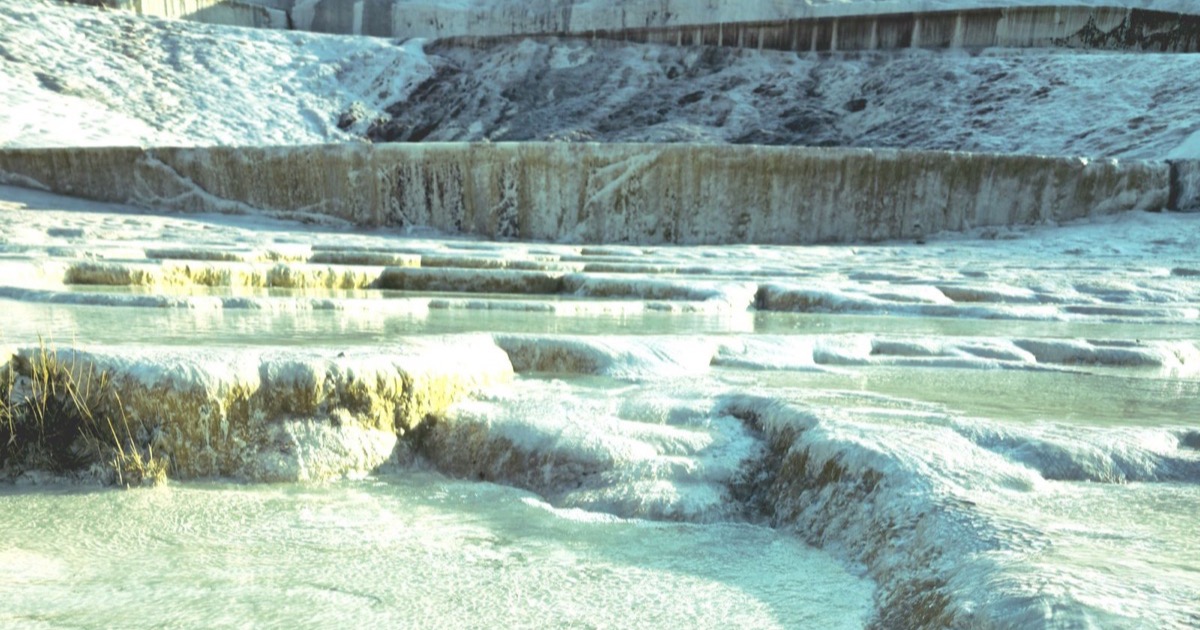

Travelers who flock to Pamukkale for its iconic white terraces often leave with a lingering curiosity about what lies beyond the famous travertine steps.
Travelers who flock to Pamukkale for its iconic white terraces often leave with a lingering curiosity about what lies beyond the famous travertine steps. The region offers a blend of geological wonders, ancient stonework, and thermal waters that extend far past the main promenade. In this Pamukkale beyond the terraces guide, you’ll discover routes and experiences that turn a short stopover into a full‑day adventure. Keep reading for practical insights that fit into any Pamukkale travel guide 2026 itinerary.
What hidden gems can I explore near Pamukkale’s white terraces?
Just a short walk north of the terraces, the ancient Roman theatre of Hierapolis rises from the limestone, offering panoramic views of the surrounding valley. Its tiered seating, still intact, provides a tangible link to the city’s thriving cultural life in antiquity. Adjacent to the theatre, the well‑preserved necropolis showcases a collection of sarcophagi and tombs, each carved with distinctive motifs that hint at the diverse beliefs of the city's former inhabitants.
Beyond the archaeological core, the nearby village of Karahüyük presents a quiet contrast with its stone houses and narrow lanes. Strolling through the village allows a glimpse of traditional Denizli Province architecture, while local artisans display hand‑woven textiles and pottery that reflect centuries‑old techniques. The surrounding hills are dotted with ancient olive groves, and a short hike leads to modest viewpoints where the turquoise river cuts through the landscape.
For those interested in natural formations, the Pamukkale plateau hides a series of smaller travertine terraces that receive far fewer visitors. These secondary cascades, often called “cotton castles” by locals, are formed by mineral‑rich water seeping through fissures in the limestone. Their muted tones and secluded setting make them ideal for quiet contemplation or a brief photo session without the crowds.
How can I visit the ancient city of Hierapolis while staying in Pamukkale?
The most flexible method is to explore the site on foot from your accommodation near the terraces. A well‑marked pathway leads directly into the heart of the ancient city, allowing you to set your own pace and linger at points of interest such as the Temple of Apollo or the historic baths. This approach works best for travelers who enjoy independent discovery and have a moderate level of stamina for walking on uneven stone.
Guided bus tours operate from the main parking area and typically include a professional narrator who provides context for the ruins, from the Roman aqueducts to the early Christian martyrdom sites. These tours run on a fixed schedule, often lasting two to three hours, and are convenient for visitors who prefer a structured overview without the need to navigate the site themselves.
Private car hires are available through local agencies and can be arranged for a half‑day or full‑day excursion. This option combines comfort with the ability to customize the itinerary, such as adding a stop at the nearby Pamukkale Museum or extending the visit to include the surrounding countryside. It is especially useful for groups or families with children who may need more frequent breaks.
| Option | Duration | Typical Cost | Highlights |
|---|---|---|---|
| Self‑guided walk | 2–3 hours | Free (entry fee only) | Flexible pacing, direct access to theatre and necropolis |
| Guided bus tour | 2.5 hours | Moderate (includes guide fee) | Professional commentary, covers major monuments |
| Private car hire | Half‑day to full‑day | Higher (transport plus driver) | Custom itinerary, comfortable transport, optional museum stop |
Which natural hot springs are worth a dip beyond the main pools in Pamukkale?
The Cleopatra pool, situated within the ancient ruins, offers a unique experience where warm, mineral‑laden water laps against submerged marble columns. Legend claims the queen herself bathed here, and the pool’s temperature remains comfortably warm year‑round, making it a soothing contrast to the cooler terrace pools.
Further east, the village of Karahayıt is renowned for its red‑colored thermal waters, which owe their hue to iron deposits. The town’s spa facilities provide a range of treatments, from simple soaking pools to therapeutic mud wraps. The combination of mineral content and the surrounding pine forest creates a relaxing environment that many visitors rank among the top Pamukkale hot springs experiences.
Another worthwhile stop is Gözler, a small settlement famed for its bubbling sulfur springs that emerge from natural vents. The water’s distinct scent is a reminder of its therapeutic properties, and local bathhouses allow guests to enjoy prolonged immersion. Because Gözler is less commercialized than the main site, it often feels like a private retreat.
What cultural experiences are available in Pamukkale beyond the tourist trail?
Beyond the marble‑white terraces, Pamukkale offers a series of authentic encounters that reveal everyday life in Denizli Province. The town’s weekly market, held on Fridays, is a lively showcase of regional produce, hand‑woven kilims, and copperware. Vendors set up stalls along the main boulevard, allowing visitors to watch artisans shape brass bowls or dye wool using traditional techniques. Engaging directly with the craftsmen provides insight into centuries‑old patterns that have survived the rise of mass‑produced souvenirs.
For those interested in culinary heritage, several family‑run cooking workshops operate out of restored stone houses near the ancient city walls. Participants learn to prepare dishes such as çöp şiş (marinated lamb skewers) and gözleme (thin flatbread filled with spinach or cheese). The sessions usually conclude with a shared meal, giving travelers a chance to taste the flavors that have defined the region’s palate for generations.
Music and dance remain integral to local celebrations. During the spring and autumn festivals, open‑air stages appear in the town square, where folk ensembles perform the zeybek dance, characterized by slow, deliberate movements followed by rapid footwork. Observing these performances offers a glimpse into the communal rituals that have marked weddings, harvests, and religious holidays for centuries.
Two cultural sites merit particular attention for their contrasting approaches to heritage preservation. The first is a traditional workshop complex that focuses on hands‑on demonstrations of carpet weaving and pottery. The second is a modern cultural centre that hosts rotating exhibitions of contemporary Turkish art and multimedia installations. The table below highlights the main differences between these venues.
| Aspect | Traditional Workshop Complex | Modern Cultural Centre |
|---|---|---|
| Primary focus | Live craft demonstrations, visitor participation | Curated art shows, educational talks |
| Typical audience | Travelers seeking tactile experiences | Visitors interested in current artistic trends |
| Location | Adjacent to the ancient city gates, within walking distance of the terraces | Set on the outskirts of Pamukkale, near the hot‑spring parking area |
| Admission | Modest fee covering materials for a short workshop | Ticketed entry, often includes a guide booklet |
| Operating hours | Morning sessions, especially on weekdays | Afternoon and evening openings, with occasional night events |
How do I plan a day trip from Pamukkale to Karahayıt and Gözler?
The thermal villages of Karahayıt and Gözler lie roughly 15 kilometers east of Pamukkale, reachable by local minibusses (dolmuş) or a rented scooter. Departing early—around 08:00—maximises the chance to enjoy the springs before the midday crowds arrive. The route follows a gently curving road that offers occasional panoramic glimpses of the surrounding limestone plateau, making the journey itself a pleasant prelude to the day’s activities.
Both villages are famed for their mineral‑rich pools, yet each presents a distinct atmosphere. Karahayıt’s “Red Springs” display a striking copper‑tinged hue due to higher iron content, while Gözler’s terraces retain the classic milky white of Pamukkale but on a smaller scale. Visitors can soak in the warm waters, then stroll through the narrow lanes to explore modest mosques, stone houses, and small cafés that serve locally sourced tea and pastries.
- Check the latest dolmuş schedule at the Pamukkale bus terminal; departures to Karahayıt run every 30 minutes.
- Purchase a combined entry ticket for the thermal pools at either village; the price includes locker use and a towel.
- Allocate at least 90 minutes for soaking in each location to benefit from the therapeutic minerals.
- Bring swimwear, a change of clothes, and a reusable water bottle; public facilities are basic but clean.
- Consider a short hike from Gözler to the nearby “White Valley” viewpoint for an additional photo opportunity.
- Plan a light lunch at a family‑run eatery; grilled fish and seasonal vegetables are common options.
- Return to Pamukkale before sunset to catch the cooler evening air and avoid traffic on the main road.
Where can I find secluded viewpoints of Pamukkale’s limestone formations?
Most visitors congregate on the main terraces that line the central promenade, but several less frequented spots provide quiet perspectives. One such location lies at the western edge of the travertine platform, where a narrow stone stair descends to a hidden clearing behind a cluster of ancient columns. From this perch, the terraces unfold in a gentle curve, framed by the distant silhouette of the Hierapolis theatre.
A second viewpoint is accessible via a short, unmarked path that starts near the parking area for the “Cleopatra” pool. The trail leads uphill to a rocky outcrop that overlooks the entire basin. Because the ascent requires a modest climb, only a handful of tourists reach it, making it ideal for sunrise photography or a moment of contemplation.
The third option involves a viewpoint located within the archaeological site itself. After exiting the main gate of Hierapolis, a side corridor runs parallel to the ancient streets and opens onto a raised platform that looks out over the white terraces and the surrounding valley. This spot offers a layered perspective: the ruins in the foreground, the mineral terraces in the middle distance, and the rolling hills beyond.
What is the best time of year to explore Pamukkale’s off‑beat attractions?
The most comfortable months for wandering beyond the white terraces are April through early June and again from September to early November. During these periods daytime temperatures typically stay between 20 °C and 28 °C, which is ideal for walking the ancient streets of Hierapolis, hiking the surrounding hills, and soaking in the thermal pools without the oppressive heat of midsummer.
Rainfall is modest in spring and autumn, so pathways remain dry and the famous travertine formations retain their crisp appearance. The shoulder seasons also bring fewer tourists, allowing a quieter experience at sites such as the ancient theatre, the Necropolis, and the nearby hot‑spring villages. If you prefer a warmer climate for the Cleopatra pool, late May offers pleasant water temperatures while still avoiding the peak‑season crowds.
Winter months (December to February) can be chilly, especially after sunset, and occasional frost may form on the terraces, creating a striking contrast but limiting access to some outdoor attractions. For travelers who do not mind cooler weather, the reduced visitor numbers provide an almost private encounter with the landscape.
Which local restaurants serve authentic Turkish cuisine near Pam Pamukkale’s terraces?
Just a short walk from the main entrance, several eateries focus on regional flavors using locally sourced ingredients. Many of these establishments feature open‑air seating that lets diners enjoy the view of the terraces while tasting dishes such as testi kebabı (clay‑pot stew), fresh‑caught fish from the nearby river, and a variety of meze plates.
The culinary scene blends traditional Ottoman recipes with contemporary twists. Expect generous portions of slow‑cooked lamb, hand‑rolled gözleme stuffed with spinach and feta, and desserts like künefe served hot with aromatic syrup. Vegetarian options are plentiful, with dishes built around seasonal vegetables, lentils, and bulgur.
- A family‑run tavern on the road to Hierapolis, known for its slow‑roasted pork and homemade ayran.
- A stone‑built restaurant overlooking the thermal pools, offering a daily set menu that includes grilled sea bass and a selection of seasonal salads.
- A modest café near the parking area, popular for its breakfast spread of menemen, fresh olives, and locally baked simit.
- A garden‑style eatery in the town centre, specializing in stuffed vine leaves, chickpea soup, and a variety of regional wines.
- A rooftop venue atop a boutique hotel, where the evening menu highlights lamb chops with rosemary and a selection of Turkish delight desserts.
How can I combine a visit to Pamukkale with nearby Denizli attractions?
Denizli Province offers a range of experiences that complement a day at the terraces. A short drive north brings you to the bustling city of Denizli, where the textile market provides an opportunity to see the region’s famous silk production and pick up handcrafted fabrics.
For nature enthusiasts, the Dazkırı Lake area lies a little farther east and presents a peaceful setting for birdwatching and light hiking. The lake’s shoreline is dotted with picnic spots, and early morning visits often reveal flocks of migratory waterfowl.
Another worthwhile addition is the ancient city of Laodicea, located roughly 30 km southeast of Pamukkale. Its well‑preserved stadium, agora, and early‑Christian churches make it a compelling stop for history lovers. Guided tours typically combine Laodicea with a brief drive through the surrounding olive groves, offering a glimpse of rural Turkish life.
Finally, the thermal village of Karahayıt, famous for its red‑hued hot springs, lies just a few kilometres away. A short soak in its mineral‑rich waters provides a contrast to the white terraces and adds a therapeutic dimension to the itinerary.
What wildlife and flora can I expect to see around Pamukkale’s thermal area?
The thermal plateau is fringed by a mosaic of pine and juniper woodlands that thrive on the mineral‑rich soils. In spring, the slopes burst with yellow rock‑rose, white poppies and low‑growing thyme, creating a subtle splash of colour against the white terraces. These plants are adapted to the warm micro‑climate created by the constantly flowing hot water, and they provide shelter for a variety of small mammals.
Birdwatchers will notice raptors such as the lesser kestrel and the booted eagle circling the cliffs, while ground‑dwelling species like the Anatolian ground squirrel and several lizard varieties dart among the rocks. In the cooler evenings, fireflies illuminate the meadow edges, offering a gentle reminder that the area supports a surprisingly diverse ecosystem despite its fame for stone and steam.
Are there any guided tours that focus on Pamukkale’s lesser‑known sites?
Local operators in Denizli and Pamukkale run small‑group excursions that go beyond the main terraces. These tours often include a walk through the ancient necropolis of Hierapolis, a stop at the Roman bathhouse of Apollonium, and a visit to the nearby hot‑spring villages of Karahayıt and Gözler, where the water takes on a vivid red hue from iron deposits. Guides usually share stories about the region’s Ottoman‑era caravan routes and the agricultural terraces that were carved into the limestone hills centuries ago.
For travelers seeking a more immersive experience, there are specialist hikes that explore the limestone canyon of the Honaz Mountains, where you can see prehistoric cave paintings and rare endemic orchids. Booking can be done through the visitor centre in Pamukkale or via reputable online platforms that list certified guides with fluency in several languages. These options let you discover the cultural layers that sit just a short distance from the tourist‑crowded pools.
Sources & Further Reading
Frequently Asked Questions
Is it possible to swim in the Pamukkale terraces?
Officially, swimming is prohibited on the main travertine terraces to preserve the delicate mineral deposits. However, the adjacent Cleopatra Pool—filled with warm, mineral‑rich water and surrounded by ancient columns—remains open for bathing. Visitors are asked to shower before entering and to avoid using soap in the water.
How long should I spend in PamPamukkale to see both the terraces and Hierapolis?
A half‑day is sufficient to walk the terraces and explore the most prominent ruins of Hierapolis, such as the theater and the Temple of Apollo. If you want to include the Cleopatra Pool, the on‑site museum, and a leisurely lunch, allocating a full day provides a more relaxed pace.
What are the entry fees for Pamukkale and its surrounding attractions?
The combined ticket for the travertine terraces and the Hierapolis archaeological site is priced for adults, with reduced rates for students and seniors. Separate admission is required for the Pamukkale Natural Park and the Cleopatra Pool, each carrying a modest fee. Prices are posted at the entrance and can be paid in cash or by card.
Are there any accommodation options near the hidden spots of Pamukkale?
While most hotels cluster around the main tourist zone, a few family‑run guesthouses are situated on the road to Karahayıt and Gözler. These lodgings often provide easy access to the lesser‑known hot‑spring villages and are praised for their quiet atmosphere and home‑cooked meals. Booking in advance during the peak summer months is advisable.
What clothing should I bring for visiting Pamukkale’s hot springs?
Light, breathable fabrics are ideal for walking on the terraces, but bring a swimsuit if you plan to use the Cleopatra Pool. A pair of sturdy sandals with good grip protects your feet on the slippery limestone, and a light jacket can be useful for early mornings when the air is cooler.
Can I visit Pamukkale in a single day from Istanbul?
High‑speed flights from Istanbul to Denizli take about an hour, followed by a 30‑minute transfer to Pamukkale. With an early departure and a late return, a day trip is feasible, though you will have limited time for the surrounding villages. For a fuller experience, an overnight stay is recommended.
Are there any restrictions for photography at Pamukkale’s terraces and nearby sites?
Photography for personal use is allowed throughout the site, but the use of tripods, drones, or professional lighting equipment requires a special permit from the park authorities. Flash photography is discouraged inside the museum and certain archaeological interiors to protect artifacts.
What safety tips should I follow when exploring Pamukkale’s thermal pools?
Always test the water temperature before stepping in, as some pools can exceed 40 °C. Keep an eye on slippery surfaces, especially after rain, and avoid running. If you have heart conditions or skin sensitivities, consult a medical professional before entering the hot springs.
Is there public transportation to Karahayıt and Gözler from Pamukkale?
Local minibusses (dolmuş) run regularly from the Pamukkale bus station to both Karahayıt and Gözler, with departures every 30‑45 minutes during the high season. Tickets are inexpensive and can be purchased on board. Schedules may be reduced in winter, so checking the latest times at the information desk is wise.
How do I book a private guide for Pamukkale’s off‑the‑beaten‑path locations?
The visitor centre in Pamukkale maintains a list of licensed guides who offer private tours tailored to specific interests, such as archaeology, geology, or local cuisine. You can arrange a guide on the spot or reserve one in advance through reputable travel agencies online. Providing details about the sites you wish to see helps the guide craft an itinerary that maximizes your time.
Plan your arrival early to catch the sunrise over the terraces, and keep a reusable water bottle handy for the walks between sites. With a mix of natural wonder and ancient history, Pamukkale rewards those who look beyond the crowds and explore its quieter corners.
Plan your trip
Book Istanbul attraction tickets
Skip-the-line tickets and guided tours for Istanbul's top sights, with mobile tickets and flexible cancellation.
See tickets on TiqetsWe may earn a commission from bookings made through this link, at no extra cost to you.
Reviewed by our editor for Türkiye & the Eastern Mediterranean
Elif DemirTürkiye & Eastern Mediterranean Editor
Travel writer covering Türkiye and the Eastern Mediterranean, from Istanbul's old city to the Aegean coast.
More articles by Elif Demir →