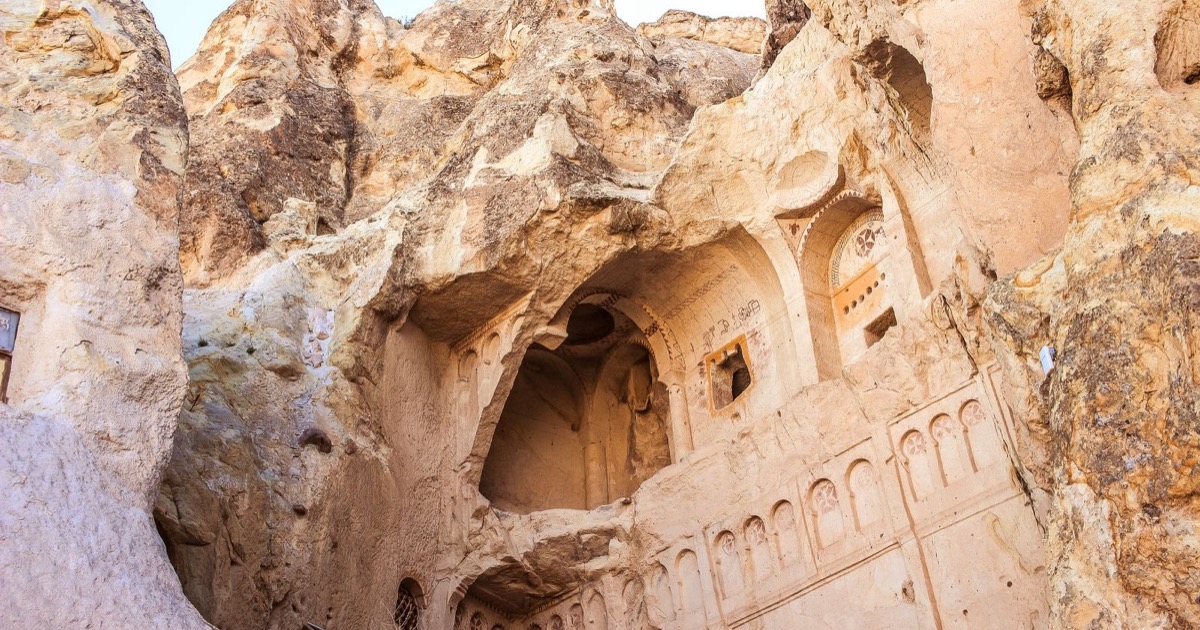

Travelers who think they have seen everything Cappadocia has to offer often miss the most intriguing chapter of its stone‑carved narrative.
Travelers who think they have seen everything Cappadocia has to offer often miss the most intriguing chapter of its stone‑carved narrative. The Cappadocia dark churches guide uncovers a network of dimly lit sanctuaries where centuries‑old frescoes survive in near‑original hue. Far from the crowded balloon‑launch sites, these hidden sanctuaries invite a quieter, more contemplative exploration of the region’s Byzantine heritage.
What makes the Dark Churches of Cappadocia unique compared to other cave churches?
The defining characteristic of the dark churches is their intentionally limited exposure to natural light. Builders sealed most windows and created narrow slits, allowing only shafts of filtered sunlight to touch the walls. This controlled illumination has acted as a natural preservative, keeping the vivid Byzantine frescoes far less faded than those in more open cave chapels.
Architecturally, the dark churches often feature deeper vaults and a higher degree of stone carving precision. While many rock‑cut churches rely on simple barrel ceilings, the dark sanctuaries incorporate intricate ribbed arches that distribute weight while adding a sense of verticality. The result is a space that feels both intimate and monumental, a contrast to the airy interiors of the better‑known fairy‑chimney churches.
From a cultural perspective, the dark churches were typically reserved for monastic communities seeking seclusion. Their remote locations, combined with the subdued lighting, created an environment suited for extended prayer and manuscript work. This spiritual intent is reflected in the iconography, which often emphasizes contemplative scenes rather than the more narrative frescoes found elsewhere in the Göreme Open Air Museum.
How can I access the hidden Dark Churches in Cappadocia without a guide?
Self‑guided visits are increasingly feasible thanks to improved signage and downloadable GPS tracks. The most straightforward approach is to start from the main parking area of the Göreme Open Air Museum, where a marked trail leads directly to the famed Dark Church (Karanlık Kilise). From there, a series of lesser‑known footpaths branch toward adjacent valleys, each marked with simple stone cairns.
For travelers preferring a faster pace, renting a bicycle or an electric scooter provides flexibility to hop between trailheads. Local rental shops in Göreme and Ürgüp offer hourly rates and basic helmets, and many routes are flat enough for casual riders. Public minibusses (dolmuş) also stop at key valley entrances such as the Zemi and Rose Valleys, allowing a quick drop‑off before a short hike.
| Option | Cost (approx.) | Difficulty | Required Gear | Typical Time |
|---|---|---|---|---|
| Walking from Göreme Museum | Free (museum entry fee applies) | Easy to moderate | Sturdy shoes, water bottle | 2–3 hours |
| Bicycle rental | €5–€10 per day | Moderate | Bike, helmet, sun protection | 1.5–2 hours |
| Electric scooter | €8–€12 per day | Easy | Scooter, helmet | 1–1.5 hours |
| Dolmuş + short hike | €2 per ride | Easy | Comfortable shoes, map | 2–3 hours |
Regardless of the chosen method, visitors should carry a compact map or a loaded offline GPS file, as mobile signal can be spotty in the deeper valleys. Early morning or late afternoon visits reduce the chance of crowds and provide cooler temperatures for climbing the steeper sections.
Which valleys contain the most well‑preserved Dark Churches in Cappadocia?
The Göreme Valley remains the primary hub, housing the original Dark Church within the UNESCO World Heritage‑listed Open Air Museum. Its proximity to other rock‑cut sanctuaries, such as the St. Barbara and St. John churches, creates a concentrated cluster of well‑preserved interiors.
Just south of Göreme, the Rose Valley offers a series of lesser‑known dark chapels tucked behind the iconic fairy chimneys. Their frescoes benefit from the same limited lighting strategy, and the valley’s reddish stone provides a striking backdrop that enhances the visual contrast of the painted scenes.
Further east, the Zemi Valley presents a quieter alternative. Here, a handful of monastic cells and a small dark sanctuary have escaped extensive restoration, allowing visitors to experience the raw ambience of early Byzantine worship. The valley’s gentle slopes make it accessible for most hikers, while still delivering a sense of isolation that many popular sites lack.
What is the best time of year to visit the secret churches of Cappadocia in 2026?
The shoulder months of April – May and September – October provide the most balanced conditions for Karanlık Kilise travel. Daytime highs hover between 15 °C and 22 °C, allowing comfortable exploration of rock‑cut churches without the fatigue that extreme heat can cause. Light entering the narrow apertures is softer, which enhances the visibility of Byzantine frescoes that have survived centuries of concealment.
Summer (June – August) draws the largest crowds to the Göreme Open Air Museum, yet many of the lesser‑known chapels remain relatively quiet. Temperatures can exceed 30 °C, and the sun can create harsh contrasts inside the dim interiors, sometimes obscuring delicate pigment work. If you prefer a lively atmosphere and do not mind early‑morning departures to avoid the heat, this period still fits within a Cappadocia cave churches itinerary.
Winter (November – March) offers a quiet, almost surreal experience. Snow‑capped fairy chimneys frame the valleys, and the low visitor density grants unrestricted access to many off‑the‑beaten‑path sites. However, daylight is limited and some remote passages may be icy, requiring sturdy footwear and a flexible schedule. For photographers seeking dramatic contrasts, the low winter sun can illuminate frescoes in a way that summer cannot.
| Season | Typical Months | Average Day Temp | Visitor Density | Light Quality for Frescoes |
|---|---|---|---|---|
| Spring | April‑May | 15‑22 °C | Medium | Soft, even illumination |
| Summer | June‑August | 25‑32 °C | High | Bright, high contrast |
| Autumn | September‑October | 16‑23 °C | Medium | Warm, gentle shadows |
| Winter | November‑March | 2‑12 °C | Low | Low angle, dramatic highlights |
Are photography restrictions in place inside Cappadocia’s Dark Churches?
Preservation authorities enforce a set of rules to protect the fragile frescoes that adorn the interior walls of the rock‑cut sanctuaries. Flash photography is strictly prohibited because sudden bursts of light can accelerate pigment fading. Many sites also limit the use of tripods and monopods, as the equipment can damage the uneven stone flooring.
Guided tours often include a brief orientation on acceptable photographic practices. Visitors are encouraged to use a handheld camera or smartphone with a low‑light setting, and to keep the shutter speed moderate to avoid excessive exposure. Some of the most remote churches require a separate permit for professional equipment, which can be arranged through local cultural offices.
- No flash devices are allowed inside any Karanlık Kilise.
- Tripods may be used only in designated areas that have reinforced flooring.
- Professional‑grade lenses larger than 35 mm are subject to a permit fee.
- Photography is limited to a maximum of 30 seconds per composition to reduce light exposure.
- Commercial filming requires advance authorization from the regional heritage board.
- All images must be stored on personal devices; copying or distributing without permission is prohibited.
- Respect quiet zones where worship or conservation work is taking place.
How do I combine a hot‑air‑balloon ride with a tour of the hidden cave churches?
Start the day with a pre‑dawn balloon launch from the Göreme launch field. Most operators schedule the flight to last about one hour, concluding just before sunrise when the first light begins to illuminate the valleys. After landing, most companies provide a light breakfast and a brief debrief, after which you can transfer to a local guide who specializes in Cappadocia off the beaten path itineraries.
The guide will typically meet the balloon group at a nearby café or directly at the launch site. From there, a short drive takes you to the first of the concealed chapels, often located in the Ihlara or Soganli valleys. By arranging the balloon flight early, you avoid the midday heat that can make navigating narrow passages uncomfortable, and you benefit from the cooler ambient temperature that improves visibility of fresco details.
When planning the combined experience, allocate at least four hours for the church circuit. This timeframe allows for a relaxed pace, time to photograph interiors within the restrictions outlined above, and a brief stop at a local winery or tea house for refreshments. Many travel agencies now offer bundled packages that include balloon transport, a private guide for the hidden churches, and a modest lunch, ensuring a seamless transition from soaring above the fairy chimneys to stepping inside centuries‑old sanctuaries.
What historical periods are reflected in the frescoes of the Dark Churches?
The wall paintings inside the Dark Churches span several centuries of Byzantine art, beginning with the early 10th‑century iconography that emphasizes stylized, flat figures and a limited palette of ochre and deep red. These early works often depict Christ Pantocrator in a solemn, frontal pose, surrounded by saints rendered with minimal background detail. The emphasis on symbolic representation rather than naturalism reflects the theological priorities of the period, when monastic communities used visual media to reinforce doctrinal teaching.
By the late 11th and early 12th centuries, a shift toward more expressive compositions becomes evident. Frescoes from this era introduce richer blues and greens, and the figures gain a subtle sense of volume through shading. Scenes such as the Nativity and the Baptism of Christ display narrative depth, with secondary characters placed in peripheral spaces to suggest movement. This stylistic evolution aligns with the Komnenian renaissance, a time when artistic patronage expanded under imperial and local aristocratic support.
Later additions, dating to the 13th‑14th centuries, reveal the influence of the post‑Iconoclastic revival that swept through Anatolia. The palette brightens, and the depiction of human emotion becomes more pronounced. Saints are shown with individualized facial features, and architectural elements like arches and columns appear in the background, hinting at the growing interaction between Cappadocian monastic art and the broader Byzantine world.
Which local tours specialize in off‑the‑beaten‑path church visits in Cappadocia?
Several small‑group operators focus exclusively on the lesser‑known cave churches, offering guided walks that begin in the early morning to avoid crowds. These tours typically include a professional guide fluent in both English and Turkish, a portable audio system for clear narration, and a detailed map of the subterranean routes. Participants receive a brief briefing on respectful behavior inside the sacred spaces, as well as recommendations for appropriate footwear.
Many of these providers partner with local historians who have conducted recent research on the frescoes, ensuring that visitors receive up‑to‑date interpretations of the artwork. The itineraries often combine visits to the Dark Churches with short hikes through adjacent valleys, allowing travelers to experience the geological context that shaped the rock‑cut architecture. Booking can be arranged through reputable guesthouses in Göreme or Ürgüp, many of which act as liaison points for these niche excursions.
- Guided Dark Church Walk – a half‑day trek covering five secluded churches, with emphasis on fresco analysis.
- Sunrise Valley & Secret Churches Tour – starts before dawn, includes a brief balloon‑viewing spot, then proceeds to three off‑map sites.
- Monastic Life Experience – a full‑day program that visits a hidden chapel, a nearby hermitage, and concludes with a traditional tea session.
- Art Historian’s Insight Tour – led by a specialist in Byzantine painting, focusing on stylistic transitions across centuries.
- Family‑Friendly Hidden Churches Walk – shorter distances, suitable for children, with interactive storytelling.
- Photography‑Focused Exploration – provides guidance on lighting and composition inside dimly lit interiors.
- Eco‑Conscious Cave Exploration – emphasizes minimal impact, includes a brief clean‑up activity at each site.
How safe are the underground passages of Cappadocia’s secret churches for solo travelers?
The subterranean corridors that connect many of the Dark Churches were originally carved for defensive purposes, resulting in narrow passages, low ceilings, and occasional uneven flooring. In recent years, the regional heritage authority has undertaken stabilization projects, reinforcing weak points with discreet concrete supports and installing low‑level lighting where natural illumination is insufficient. These measures have significantly reduced the risk of structural collapse.
Solo travelers should still exercise caution. It is advisable to wear sturdy, closed‑toe shoes with good grip, and to carry a small flashlight in case the installed lighting fails. The routes are generally well‑marked, but some sections lack handrails, so maintaining a steady pace and using a trekking pole can improve balance. Visitors with limited mobility may find certain chambers inaccessible due to steep steps or narrow doorways.
Local guides recommend informing a hotel or guesthouse of your intended itinerary, especially if you plan to explore without a group. Emergency contact numbers are posted at the main entry points of the Göreme Open Air Museum, and a short walk to the nearest staffed visitor center is possible from most of the secret sites. With these precautions, solo exploration of the Dark Churches can be both rewarding and secure.
What amenities are available near the Dark Churches for rest and refreshments?
The valleys that conceal the Karanlık Kilise are dotted with modest village cafés that open early and stay busy until dusk. These establishments serve strong Turkish tea, freshly baked simit, and light meals such as gözleme, providing a comfortable pause after navigating the narrow passages. Many of them feature outdoor seating with views of the surrounding rock formations, allowing visitors to relax while still feeling connected to the landscape.
For travelers seeking a longer break, a handful of family‑run guesthouses in the nearby towns of Göreme and Ürgüp offer simple rooms and communal lounges. Their kitchens often prepare regional dishes like pottery‑cooked testi kebab, and some host evening gatherings where locals share stories about the ancient sites. While the amenities are intentionally low‑key, they are reliable and welcoming.
How can I respect the religious significance of the hidden churches while exploring?
The Dark Churches were originally carved by monastic communities and retain a quiet, contemplative atmosphere. Visitors should keep voices low, avoid sudden movements, and refrain from using flash photography, which can damage the fragile fresco pigments that have survived for centuries. If a church is still used for occasional worship, a respectful distance should be maintained and any signs indicating restricted access obeyed.
Dress modestly by covering shoulders and knees, even though the sites are not active parish churches. This simple gesture acknowledges the sacred purpose of the spaces. When walking through narrow corridors, stay on marked pathways to protect both the ancient stonework and any remaining liturgical objects that may be present.
Sources & Further Reading
Frequently Asked Questions
Do I need a special permit to enter the Dark Churches in Cappadocia?
Access to most of the hidden cave churches is included in the standard entry ticket for the Göreme Open Air Museum, but a few off‑site sites require a separate permit issued by the regional cultural heritage office. These permits are inexpensive and can be obtained on the spot in the nearby visitor centre. It is advisable to check the latest regulations before traveling, as occasional conservation work may temporarily close certain chambers.
Can I visit the hidden churches on my own or is a guide required?
Self‑guided visits are possible for the better‑known locations, especially those marked on official trail maps. However, many of the more secluded churches lack clear signage, and a local guide can provide historical context, point out subtle fresco details, and ensure you do not stray into fragile areas. Guided tours typically last between two and three hours and often include transportation between dispersed sites.
What clothing should I wear when exploring the rock‑cut churches?
Comfortable, layered clothing is recommended because interior temperatures can be cool even on warm days, while the exterior sun may be intense. Sturdy walking shoes with good grip are essential for uneven stone steps and occasional loose debris. Covering shoulders and knees respects the religious nature of the spaces and protects you from dust that settles on the floor.
Are there any wheelchair‑accessible options for the secret cave churches?
Most of the Dark Churches were carved centuries ago and feature narrow doorways and steep inclines, making wheelchair access impractical. Nevertheless, a few larger monastic chambers have been adapted with ramps and handrails as part of recent preservation projects. Visitors requiring assistance should contact the Göreme visitor centre ahead of time to arrange the most suitable route.
How long does a typical visit to the Dark Churches take?
A focused tour of the main hidden churches—such as the Dark Church of St. Basil, the Church of St. George, and the Chapel of the Virgin—generally occupies two to three hours, including time to examine frescoes and rest between sites. If you plan to explore additional valleys or combine the visit with nearby underground cities, allocate a half‑day to ensure a relaxed pace.
What nearby attractions can I pair with a tour of the hidden churches?
After exploring the subterranean sanctuaries, many travelers head to the nearby Love Valley for its distinctive rock pillars, or to the town of Avanos to watch traditional pottery making along the Kızılırmak River. The Göreme Open Air Museum remains a convenient next stop, offering a broader overview of Cappadocian monastic art. Evening hikes to Sunset Point provide panoramic views that complement the day’s discoveries.
Is it possible to book a private night‑time tour of the Dark Churches?
Several local operators offer after‑dark tours that illuminate the interiors with soft, battery‑powered lighting, creating a unique atmosphere while protecting the frescoes. These tours are limited in size, usually to ten participants, and must be booked at least a week in advance. Night visits often include a brief talk about the symbolism of light in Byzantine worship, adding depth to the experience.
Are there any local legends or stories associated with the Karanlık Kilise?
Folklore surrounding the Dark Churches speaks of hermits who sought solitude within the stone, leaving behind hidden prayer chambers that were later discovered by shepherds. One popular tale tells of a secret tunnel connecting two distant chapels, used by monks to evade invading forces in the 13th century. While archaeological evidence for some of these stories remains inconclusive, they enrich the cultural narrative of the region.
What safety precautions should I take when navigating the narrow passages?
The interiors can be dim and uneven, so carrying a small flashlight or headlamp is advisable, even during daylight visits. Keep an eye on low ceilings and watch for loose stones that may shift under weight. If you feel uneasy in confined spaces, consider joining a guided group where a leader can assist with navigation and provide immediate assistance if needed.
How do the Dark Churches differ from the main sites at Göreme Open Air Museum?
While the Göreme museum showcases larger, well‑preserved frescoes in relatively spacious chambers, the Dark Churches are often smaller, more intimate spaces that retain a subdued lighting quality due to limited openings. Their artwork tends to feature deeper, earth‑tone pigments that have survived in a protected environment, offering a contrast to the brighter colors seen in the museum’s principal churches. Visiting both provides a comprehensive view of Cappadocian monastic art across different scales.
Plan your itinerary with realistic travel times between valleys, and remember that many of the hidden churches close early for conservation. Allowing extra moments for quiet reflection will enhance your appreciation of these centuries‑old sanctuaries.
Plan your trip
Book Istanbul attraction tickets
Skip-the-line tickets and guided tours for Istanbul's top sights, with mobile tickets and flexible cancellation.
See tickets on TiqetsWe may earn a commission from bookings made through this link, at no extra cost to you.
Reviewed by our editor for Türkiye & the Eastern Mediterranean
Elif DemirTürkiye & Eastern Mediterranean Editor
Travel writer covering Türkiye and the Eastern Mediterranean, from Istanbul's old city to the Aegean coast.
More articles by Elif Demir →