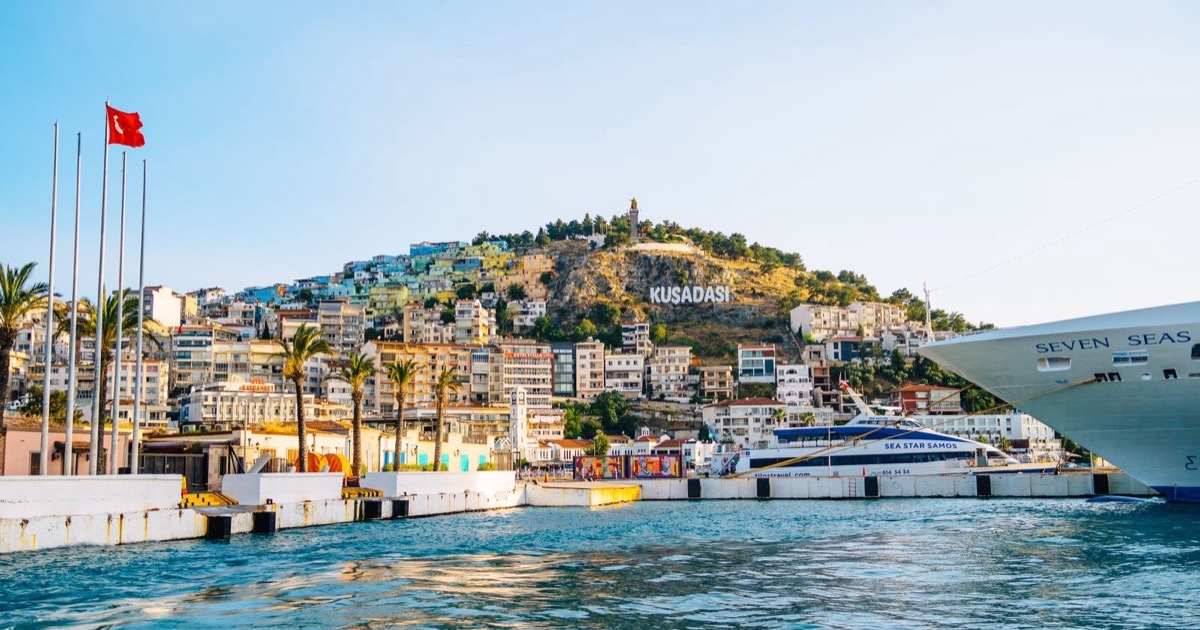

Moving to the Aegean coast can feel like stepping into a new chapter, and a well‑crafted Kusadasi expat moving checklist is the first tool to keep that transition smooth.
Moving to the Aegean coast can feel like stepping into a new chapter, and a well‑crafted Kusadasi expat moving checklist is the first tool to keep that transition smooth. From visa paperwork to finding a quiet street near the sea, every detail matters when you decide to call this Turkish seaside town home. Below you’ll find the essential steps, practical tips, and up‑to‑date figures that will help you settle in confidently in 2026.
What documents are required for the 2026 Aegean Sustainable Residency visa in Kusadasi?
The Aegean Sustainable Residency visa, introduced to attract long‑term foreign residents who support environmental projects, demands a specific set of documents. First, applicants must submit a valid passport with at least six months remaining, a completed visa application form, and two recent passport‑size photos that meet Turkish biometric standards. A notarised letter confirming participation in an approved eco‑certification program—such as a renewable‑energy initiative or coastal clean‑up partnership—is also mandatory.
Financial proof is another cornerstone of the process. The authorities require bank statements covering the previous three months, showing a minimum balance equivalent to the Turkish minimum wage multiplied by twelve, or evidence of a steady income stream from abroad. Health insurance that provides coverage within Turkey is compulsory; a policy issued by a recognized international insurer will satisfy this requirement. Finally, a clean criminal record certificate issued by your home country, translated into Turkish and apostilled, completes the dossier.
Once gathered, these documents are submitted to the Turkish consulate in your country of residence or directly to the Provincial Directorate of Migration Management in Aydın. Processing time averages four to six weeks, so aligning the submission with your planned arrival date is advisable.
How can I find affordable and safe neighborhoods to rent in Kusadasi?
Researching the rental market begins with identifying districts that balance cost, security, and access to everyday amenities. Neighborhoods such as Kordon, Güzelçamlı, and the historic Old Town each offer distinct advantages. Kordon, located along the waterfront promenade, tends to have higher rents but provides immediate proximity to restaurants, cafés, and public transport links. Güzelçamlı, a short bus ride from the city centre, is popular among retirees and families for its quieter streets, lower price points, and well‑maintained community parks.
Online platforms, local real estate agencies, and expat forums are valuable resources for current listings and resident feedback. When evaluating a property, ask for a copy of the rental contract in both Turkish and English, verify that utilities (electricity, water, internet) are included or clearly outlined, and confirm the landlord’s registration with the local municipality. Visiting the area at different times of day can reveal traffic patterns, noise levels, and the presence of nearby services such as supermarkets and medical clinics.
| Neighborhood | Average Monthly Rent (1‑bedroom) | Safety Rating | Key Amenities |
|---|---|---|---|
| Kordon | €600‑€750 | High | Seafront cafés, tram stop, gyms |
| Güzelçamlı | €450‑€580 | High | Supermarkets, parks, weekly market |
| Old Town | €500‑€650 | Medium‑High | Historic sites, boutique shops, ferry access |
What is the average cost of living for expats in Kusadasi in 2026?
Living expenses in Kusadasi remain lower than many Western European coastal cities, yet they have risen modestly due to inflation and increased tourism demand. A single expatriate can expect to spend between €1,200 and €1,500 per month on basic necessities, while a couple’s budget typically ranges from €1,800 to €2,300. These figures include rent, utilities, groceries, transportation, and a modest entertainment allowance.
Utilities—electricity, water, heating, and internet—average €100‑€150 per month for a standard apartment. Public transport, consisting of dolmuş minibusses and city buses, costs around €30 per month for an unlimited pass. Groceries are affordable, with local markets offering fresh produce at prices up to 30 % lower than imported goods. Dining out at a mid‑range restaurant usually costs €10‑€15 per person.
Health insurance premiums, if purchased through an international provider, add roughly €50‑€80 per month. For those opting into the Turkish public health system after obtaining residency, contributions are based on income and can be significantly lower. Overall, careful budgeting and taking advantage of local markets keep the Kusadasi expat lifestyle comfortably within reach.
Which healthcare facilities are available to foreign residents in Kus Aldı?
Medical care in Kus Aldı blends public hospitals with a growing number of private clinics that cater specifically to expatriates. The public İzmir State Hospital – Kus Aldı Branch offers emergency services, general surgery, obstetrics and a modest radiology department. While the cost is heavily subsidised for Turkish citizens, foreign residents with a Social Security registration (SGK) receive coverage at a reduced co‑pay rate. For those preferring English‑speaking staff and shorter waiting periods, the private Kus Aldı International Medical Center provides a full suite of specialties, including cardiology, orthopaedics and dental care. Many expats also rely on the nearby Selçuk Hospital, a 150‑bed facility known for its modern imaging equipment and a dedicated expatriate liaison office.
Choosing between public and private options often hinges on the type of insurance you hold. International health policies typically reimburse private clinic fees, while the Turkish compulsory health insurance (SGK) is mandatory for long‑term residents and grants access to the public system. It is advisable to register with the local SGK office within the first month of obtaining your residence permit to avoid gaps in coverage.
| Facility | Services | Typical Wait Time (Emergency/Out‑patient) | Public / Private |
|---|---|---|---|
| İzmir State Hospital – Kus Aldı Branch | Emergency, General Surgery, Maternity, Radiology | 30 min / 2‑3 weeks | Public |
| Kus Aldı International Medical Center | Cardiology, Orthopaedics, Dentistry, English‑speaking staff | 15 min / 3‑5 days | Private |
| Selçuk Hospital | Imaging, Oncology, Physiotherapy, Expatriate liaison | 20 min / 1‑2 weeks | Public (with private wing) |
How do I open a bank account and transfer money in Turkey as an expat?
Banking in Turkey has become more streamlined for newcomers, especially after the 2026 “Aegean Sustainable Residency” visa introduced an electronic verification channel for foreign investors and retirees. Most major banks—such as İşbank, Garanti BBVA and Akbank—offer English‑language portals and dedicated expat desks. The process generally takes one to two business days once you have gathered the required documentation.
- Obtain a Turkish Tax Identification Number (Vergi Kimlik Numarası) at the local tax office; this is mandatory for any financial transaction.
- Secure a valid residence permit and passport; the residence permit must be active at the time of account opening.
- Provide proof of address, which can be a rental contract from the Kus Aldı rental market or a utility bill dated within the last three months.
- Choose the account type that matches your needs—current (vadesiz) for daily transactions, or a savings (vadeli) account if you plan to hold Turkish Lira long‑term.
- Visit a branch in person to complete the KYC (Know Your Customer) form; many banks now accept the form online but still require a signature on site.
- Activate online banking and request an International Bank Account Number (IBAN) for seamless cross‑border transfers.
- Set up a recurring transfer schedule if you receive pension or rental income; most banks allow you to link the account to your home‑country bank for automatic currency conversion at competitive rates.
What are the steps to register for utilities and internet in a Kus Aldı rental?
Connecting utilities in Kus Aldı is a relatively quick affair once you have a signed lease. The city’s municipal water and electricity provider, İzmir Electricity Distribution Company (İZEL), requires a copy of the rental agreement, your Turkish ID or passport, and the property’s meter number. Registration can be completed online or at the nearest İZEL office; most newcomers finish the process within a day, and the first bill is usually prorated based on the move‑in date.
For gas, many apartments are still connected to the national natural gas grid managed by TürkGaz. The activation request follows the same documentation pattern as electricity, but a technician may need to visit the unit to verify the safety valve and ensure the stove is functional. The visit is typically scheduled within 48 hours of the request.
Internet service providers such as Turkcell Superonline and Vodafone Turkey dominate the broadband market. They offer fiber‑optic packages ranging from 100 Mbps to 1 Gbps, with promotional rates for the first six months. To subscribe, present your passport, residence permit, and a recent utility bill as proof of address. Installation appointments are usually set within three to five business days, and most providers include a Wi‑Fi router at no extra charge.
Which schools and language courses are recommended for expat families in Kusadasi?
International families often choose the bilingual programs offered by private academies in the town centre. These schools combine the Turkish national curriculum with English‑medium instruction, allowing children to transition smoothly between the two systems. Many of the institutions partner with the local municipality to provide after‑school tutoring and cultural activities, which helps newcomers integrate into the Turkey expat community.
For parents seeking a more traditional setting, several public schools in Kusadasi safe neighborhoods such as the districts near the harbor and the western residential area accept foreign students on a rolling basis. Enrollment requires a residency permit and a basic Turkish language assessment, but the schools provide intensive language support during the first semester.
Adults who wish to improve their Turkish can enrol in specialised language centres that focus on conversational skills and business terminology. The most popular language schools Kusadasi offer flexible evening classes, weekend immersion workshops, and certification courses aligned with the CEFR framework. Many of these centres also organise cultural outings—museum visits, market tours, and cooking sessions—to reinforce classroom learning.
How can I arrange international moving and shipping of my belongings to Kusadasi?
Start by obtaining a detailed inventory of the items you plan to ship. Turkish customs requires a clear description, approximate value, and the original purchase receipts for any high‑value goods. Once the list is ready, request quotes from at least three freight forwarders that specialise in Mediterranean routes; the cheapest offer is not always the most reliable, so check online reviews and ask for references within the Turkey expat community.
When the carrier is selected, schedule a pick‑up at least two weeks before your intended arrival date. Most companies provide door‑to‑door service, which includes packing, loading, customs clearance, and final delivery to your new address. Be sure to confirm that the forwarder offers insurance coverage for loss or damage, and keep the policy documents handy for any future claims.
- Gather all necessary paperwork: passport copy, residence permit, and a signed customs declaration.
- Choose sturdy, stackable containers and label each box with both English and Turkish descriptions.
- Arrange for a professional packing service if you have fragile or valuable items such as artwork or electronics.
- Notify your current utility providers of the move date to avoid overlapping bills.
- Register the shipment with the Turkish Ministry of Trade’s online portal to receive a tracking number.
- Plan for a short stay in a temporary accommodation while the shipment clears customs and is delivered.
- Inspect the delivered goods promptly and sign the receipt only after confirming that everything is in order.
What essential items should I pack when moving to Kusadasi?
The climate on the Aegean coast features hot, dry summers and mild, rainy winters. Pack lightweight clothing for the warm months—linen shirts, breathable trousers, and a wide‑brimmed hat—while also including a light jacket, a few sweaters, and waterproof footwear for the cooler season. A reusable water bottle is useful, as tap water is safe to drink in most parts of the city.
Electrical appliances require a Type F plug and a 230 V supply. Bringing a universal adapter and a small surge protector will prevent the need for multiple purchases after arrival. If you rely on prescription medication, bring a sufficient supply to cover the first few months and a copy of the prescription in both English and Turkish.
Important documents should travel with you in a secure, waterproof folder. Include passports, birth certificates, marriage certificates, academic transcripts, and any paperwork related to the Aegean Sustainable Residency visa. A portable scanner or a smartphone app for digitising documents can be handy for quick uploads to Turkish government portals.
How do I obtain a Turkish driver’s license and register my vehicle in Kusadasi?
New residents who already hold a valid EU or US driver’s licence can exchange it for a Turkish licence after a short health‑check and a written test on local traffic rules. The application is submitted at the local Traffic Registration Office (Trafik Şube Müdürlüğü) in Aydın Province; you will need your passport, residence permit, proof of address, and the original foreign licence. Expect a waiting period of one to two weeks for the provisional paper licence, followed by a photo licence card.
If you are bringing a car from abroad, the vehicle must be cleared through customs and receive a Turkish registration plate within 30 days of arrival. Required documents include the original foreign registration certificate, purchase invoice, customs clearance form, and a valid road‑worthiness inspection (Ruhsat). After payment of the registration tax and a small environmental fee, the vehicle will be entered into the national database and you will receive a Turkish registration certificate.
For those purchasing a car locally, dealers typically handle the paperwork, but you will still need to provide a copy of your residence permit and a tax identification number (Vergi No). Insurance is mandatory; a basic third‑party policy can be arranged on the spot, while comprehensive coverage is advisable for newer models.
What cultural tips help expats adapt to life in Kusuşadi?
Greetings are often accompanied by a warm handshake or a light cheek kiss among acquaintances; learning the simple phrase “Merhaba” (hello) and “Teşekkür ederim” (thank you) goes a long way toward building rapport. Turkish people value hospitality, so accepting an invitation for tea or a home‑cooked meal is seen as a sign of respect, even if you can only stay briefly.
Business hours differ from many Western schedules: many shops close for a mid‑day siesta from 12:30 pm to 2:30 pm, and restaurants may stay open later into the evening. Adjusting your routine to these patterns helps avoid frustration and shows cultural awareness. Public spaces such as the market (pazar) are lively on Saturdays; arriving early ensures the best selection of fresh produce.
Finally, modest dress is appreciated in more traditional neighborhoods and when visiting mosques. Women should cover shoulders and knees, and men are expected to avoid sleeveless tops in these settings. Respecting these norms makes daily interactions smoother and demonstrates sensitivity to local customs.
Sources & Further Reading
Frequently Asked Questions
Do I need a visa to live in Kusuşadi long‑term?
Most nationals must obtain a residence permit before staying beyond 90 days, but the visa‑free entry period varies by country. Citizens of the EU, the UK, the US, Canada, and Australia can enter Turkey with a tourist e‑visa and then apply for a “Family or Long‑Term Residence” permit within the first 30 days. The permit grants the right to work, study, or simply reside in Kusuşadi for up to two years, renewable upon expiration.
How long does the residency permit process take in Kusuşadi?
The online application through the Ministry of Interior’s portal typically takes 5–7 business days for initial approval, after which you schedule an appointment at the local Göç İdaresi office. The in‑person interview, document verification, and fingerprinting usually add another 10–14 days. In total, most applicants receive their residence card within three weeks, though peak seasons can extend the timeline.
What is the typical rent for a one‑bedroom apartment in Kusuşadi?
Rental prices fluctuate by neighborhood and proximity to the sea. In central areas such as the Old Town or near the marina, a furnished one‑bedroom unit averages between 6,000 and 8,000 Turkish lira per month. More residential districts like Güzelçamlı or Çeşme Road offer similar spaces for 4,500 to 6,500 lira, often with utilities included. Seasonal demand can push rates higher during the summer months.
Are there international schools in Kusuşadi?
The town itself hosts a few bilingual primary schools that follow the Turkish curriculum with English immersion. For families seeking a full international program (IB or British), the nearest options are in nearby Selçuk or İzmir, both a short drive away. Many expat families arrange private tutoring or enroll children in weekend language schools to supplement local education.
Can I use my private health insurance in Turkish hospitals?
Most major private insurers have partnerships with reputable hospitals in Aydın Province, allowing direct billing for treatments. You will need to present your insurance card and a copy of your residence permit at the admission desk. For emergencies, Turkish public hospitals accept foreign insurance but may require upfront payment, after which you can claim reimbursement from your provider.
What are the best neighborhoods for families in Kusuşadi?
Family‑friendly districts combine safety, green spaces, and easy access to schools. Güzelçamlı offers a quieter coastal vibe with playgrounds and weekly markets, while the area around the university campus provides convenient public transport and proximity to medical facilities. The western side of the town near the marina also features well‑maintained parks and a growing expat community.
How do I set up internet and mobile phone service after moving?
National providers such as Turkcell, Vodafone Turkey, and Türk Telekom operate storefronts throughout Kusuşadi. After registering your residence permit, you can purchase a prepaid SIM or a contract plan that includes data, calls, and SMS. For home broadband, fiber optic connections are available in most urban zones; installation typically requires a one‑time fee and a 12‑month service contract.
Is it expensive to ship furniture to Kusuşadi?
Shipping costs depend on volume, origin, and the chosen logistics company. A standard 20‑foot container from Western Europe averages between 1,200 and 1,800 euros, inclusive of port handling and customs clearance. Consolidated sea freight, where your items share space with other shipments, can reduce expenses but adds a longer transit time. Many expats opt to rent furniture initially and purchase locally once settled.
What taxes do expats have to pay while living in Kusuşadi?
Residents are subject to personal income tax on worldwide earnings, with rates ranging from 15 % to 40 % based on income brackets. Property owners must pay an annual real‑estate tax, calculated as a percentage of the assessed value. there is a small municipal service tax (belediye vergisi) on utilities and a value‑added tax (VAT) on most goods and services at 18 %.
How can I learn Turkish quickly after moving?
Language schools in Kusuşadi offer intensive courses that meet three to five times a week, focusing on conversational skills and everyday vocabulary. Many expats also join community groups or language exchange meet‑ups at local cafés, which provide informal practice with native speakers. Online platforms and mobile apps complement classroom learning, especially for grammar drills and pronunciation.
With the checklist complete, you can approach each step methodically, allowing time for paperwork, cultural adjustment, and practical setup. Taking advantage of local resources and staying organized will make your transition to Kusuşadi smoother and more enjoyable. Good luck with your new chapter on the Aegean coast.
Plan your trip
Book Istanbul attraction tickets
Skip-the-line tickets and guided tours for Istanbul's top sights, with mobile tickets and flexible cancellation.
See tickets on TiqetsWe may earn a commission from bookings made through this link, at no extra cost to you.
Reviewed by our editor for Türkiye & the Eastern Mediterranean
Elif DemirTürkiye & Eastern Mediterranean Editor
Travel writer covering Türkiye and the Eastern Mediterranean, from Istanbul's old city to the Aegean coast.
More articles by Elif Demir →