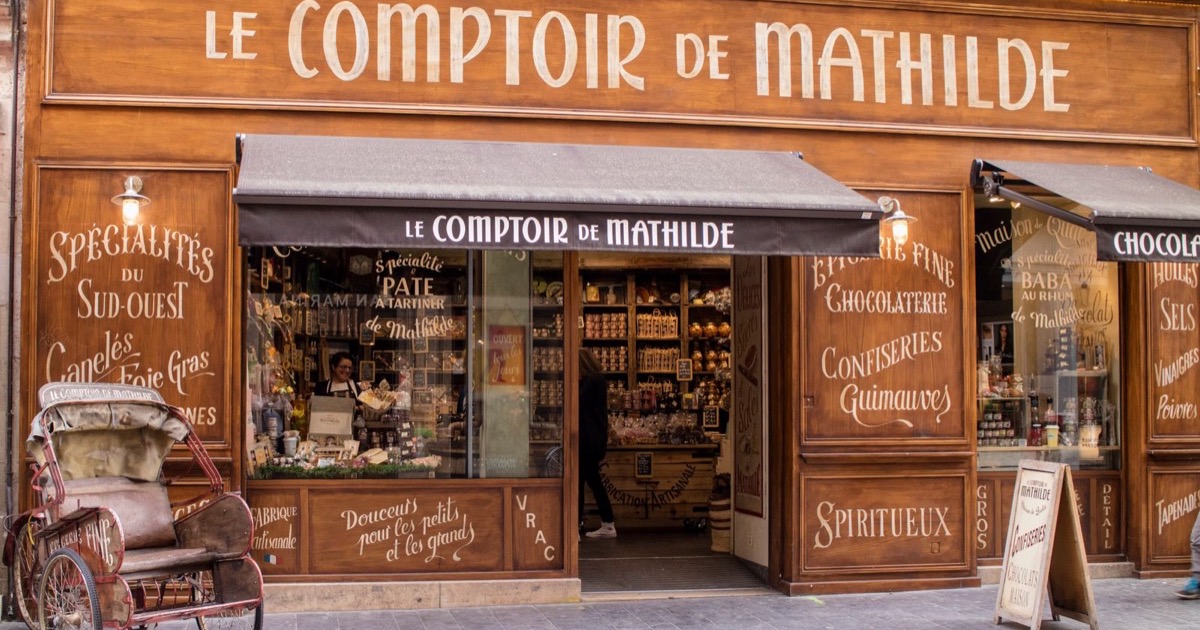

Planning a Bordeaux food tour 2026 means stepping into a city where wine and cuisine have been refined for centuries.
Planning a Bordeaux food tour 2026 means stepping into a city where wine and cuisine have been refined for centuries. From the salty tang of Arcachon oysters to the caramel‑crusted bite of a fresh canelé, each plate tells a story of the region’s terroir. Modern chefs are adding inventive twists while still honoring time‑honored techniques, giving travelers a dynamic palate experience. Use this guide to map out the flavors that define Bordeaux today.
What are the must‑try dishes on a Bordeaux food tour?
Start with oysters from the Arcachon basin. Served on a bed of ice with a squeeze of lemon, these shellfish capture the briny essence of the Atlantic and are a staple on many waterfront bistros. Pair them with a crisp white from the nearby Entre‑Deux‑Mers for a classic Bordeaux wine and food pairing.
The region’s signature dessert, the canelé, deserves a dedicated tasting. Its caramelized crust and tender, rum‑infused interior showcase the skill of local pâtissiers. Look for versions baked in traditional copper molds, which provide the characteristic contrast of textures.
For a hearty main, try entrecôte à la bordelaise, a rib steak drenched in a sauce of red wine, butter, shallots, and herbs. The sauce draws on the same grape varieties that dominate the surrounding vineyards, creating a seamless link between the plate and the glass. Accompany the dish with a side of pommes sarladaises—thinly sliced potatoes sautéed in duck fat and garlic—for a true taste of southwestern French cooking.
Which neighborhoods host the best culinary experiences in Bordeaux?
The historic quarter around Place de la Bourse offers a concentration of fine dining establishments where chefs blend classic techniques with contemporary flair. Walking the cobblestones, you’ll encounter restaurants that emphasize seasonal produce sourced from the surrounding vineyards and farms.
Just across the Garonne, the Chartrons district has transformed from an old wine‑trading hub into a foodie hotspot. Here, art galleries sit beside bistros that serve inventive small plates, and the weekly market provides fresh ingredients for spontaneous tasting sessions.
For a more relaxed vibe, head to the Saint‑Michel neighborhood. Its bustling market square hosts stalls offering regional cheeses, cured meats, and street‑style snacks like duck confit tacos. Evening lights reveal a variety of wine bars where locals gather to sample natural wines alongside tapas‑style bites.
| Neighborhood | Key Culinary Highlights | Typical Atmosphere |
|---|---|---|
| Place de la Bourse | Michelin‑rated restaurants, classic bordelaise sauces | Elegant, historic |
| Chartrons | Art‑inspired bistros, seasonal small plates | Creative, lively |
| Saint‑Michel | Market stalls, street‑food concepts, natural wine bars | Casual, community‑focused |
Where can I find authentic canelés and other local pastries in Bordeaux?
Traditional bakeries tucked along Rue du Loup are renowned for their canelés, often baked fresh multiple times a day. The aroma of caramelized sugar wafts through the streets, guiding you to a counter where the pastries are still warm from the oven.
For a broader selection of regional sweets, visit the covered market on Rue du Parlement. Vendors display a variety of pastries, from flaky almond croissants to fruit‑filled galettes, each prepared with locally sourced butter and eggs.
Specialty patisseries near the waterfront experiment with modern twists on classic recipes, offering canelés infused with flavors such as violet or dark chocolate. Pair any of these treats with a glass of chilled white Bordeaux for a perfect afternoon indulgence.
How do I combine wine tasting with food tours in Bordeaux?
Pairing Bordeaux’s celebrated wines with its culinary staples works best when the itinerary moves at a comfortable pace. Begin with a short walking tour that introduces local charcuterie, cheese, and freshly baked canelés, then transition to a nearby wine bar where a sommelier can suggest a matching red or white. This progression lets the palate adjust from savory to nuanced, highlighting the acidity of a crisp Sauvignon Blanc alongside oysters or the tannic structure of a Merlot paired with duck confit.
For travelers who prefer a deeper dive, a half‑day excursion that visits a vineyard on the outskirts of the city followed by a market‑focused lunch provides a clear contrast between terroir and terroir‑inspired cuisine. Reserve a spot on a tour that includes a guided tasting of three vintages, then enjoy a chef‑prepared plate featuring seasonal vegetables and locally sourced seafood, each paired with the appropriate wine from the same estate.
| Tour Type | Focus | Typical Duration | Ideal For |
|---|---|---|---|
| Wine & Cheese Walking Tour | Urban tasting of regional cheeses, charcuterie, and boutique wines | 2‑3 hours | Visitors seeking a relaxed introduction |
| Gourmet Market & Wine Pairing | Guided market visit followed by a curated wine pairing lunch | 4‑5 hours | Food enthusiasts who enjoy market atmosphere |
| Full‑Day Vineyard & Gastronomy | Vineyard tour, cellar walk, and multi‑course dinner with wine pairings | 7‑8 hours | Guests wanting an immersive experience |
What are the top farmers’ markets to visit in Bordeaux in 2026?
Bordeaux’s markets bring together producers from the surrounding wine country, the Atlantic coast, and the rolling hills of Aquitaine. Seasonal stalls showcase everything from freshly shucked oysters to hand‑crafted pastries, providing a vivid snapshot of the region’s culinary diversity. Early mornings are the best time to explore, as vendors replenish their displays and the air carries the scent of ripe fruit and baked goods.
Each market carries its own personality. Some emphasize organic produce, while others specialize in seafood or artisanal cheeses. Visitors can sample local delicacies on the spot, chat with farmers about cultivation methods, and gather ideas for home‑cooked meals that reflect the flavors of southwestern France.
- Marché des Capucins – Often called “the belly of Bordeaux,” this historic market offers a wide array of oysters, foie gras, and regional sweets alongside fresh produce.
- Marché de la Place Gambetta – Known for its vibrant flower displays and abundant selection of organic vegetables, it’s a favorite among health‑conscious shoppers.
- Marché Bio des Chartrons – Dedicated to certified organic products, this market highlights sustainable farming practices and features a rotating roster of local bakers.
- Marché des Quais – Situated along the Garonne River, it specializes in seafood, particularly mussels and scallops, complemented by a selection of crisp white wines.
- Marché de la Bastide – Located on the right bank, it offers a blend of traditional market fare and contemporary food stalls, including gourmet cheese tastings.
- Marché du Triporteur – A mobile market that appears in different neighborhoods each week, focusing on artisanal products such as cured meats and handmade chocolates.
Which restaurants offer a true taste of Bordeaux’s regional cuisine?
For an authentic encounter with Bordeaux’s culinary heritage, diners should look for establishments that prioritize locally sourced ingredients and classic preparation methods. Restaurants that have earned recognition for preserving regional recipes often feature dishes like entrecôte à la bordelaise, where a prime cut of beef is simmered in a rich red wine sauce, or magret de canard served with a sweet‑sour fruit reduction.
Several venues stand out for their dedication to the terroir. One historic restaurant, housed in a 19th‑century townhouse, combines an elegant dining room with a menu that highlights seasonal produce, aged Bordeaux wines, and traditional desserts such as canelés with a caramelized crust. Another family‑run eatery in the Chartrons district focuses on rustic preparations, offering a daily “plat du jour” that rotates between seafood stews, duck confit, and hearty bean dishes, each paired with a thoughtfully selected local vintage.
Modern interpretations also thrive. A contemporary bistro near the riverbank reimagines classic flavors using sous‑vide techniques and inventive plating, while still serving a perfectly executed côte de bœuf accompanied by a full‑bodied Cabernet Sauvignon from the nearby Médoc. These restaurants demonstrate how Bordeaux’s culinary identity continues to evolve without losing its connection to the land and sea.
Are there affordable food tour options for budget travelers in Bordeaux?
Travelers watching their expenses can still sample the depth of Bordeaux gastronomy without splurging. The city’s public markets, such as Marché des Capucins, offer guided tastings for a modest fee; a short walk through the stalls paired with a local guide’s commentary on seasonal produce typically costs under €15 per person. These “market immersion” tours focus on street‑food staples—think fresh oysters of Arcachon served on a half‑shell, toasted baguette with pâté, and a bite‑size canelé pastry—allowing participants to taste a variety of items while staying within a tight budget.
Another low‑cost alternative is the “self‑guided tasting walk” available through several tourism apps. The digital itinerary highlights four to five stops where travelers can purchase a single dish or a small portion, keeping the total outlay around €20. The route often includes a stop at a traditional brasserie for a classic French cuisine Bordeaux plate, a quick bite at a food‑truck serving regional cheese, and a final pause at a café offering a mini‑dessert tasting menu.
For those who prefer a more structured experience, several hostels and budget hotels partner with local chefs to run evening “tasting menu nights.” These events feature a three‑course selection that showcases the region’s freshest ingredients, with prices typically ranging from €25 to €30 per guest. Booking in advance through the accommodation’s front desk guarantees a seat and often includes a brief introduction to the chef’s inspiration and technique.
How can I book a private food tour with a local guide in Bordeaux?
Private tours provide flexibility to focus on personal culinary interests, whether that means a deep dive into Bordeaux street food, a curated tasting of the city’s best canelé pastries, or a behind‑the‑scenes look at a Michelin‑starred kitchen. The booking process is straightforward and can be completed entirely online or in person at the city’s tourism office.
Begin by identifying a reputable platform that connects travelers with vetted local guides. Once a guide is selected, discuss the desired length of the tour, preferred neighborhoods, and any dietary restrictions. Most guides will propose a custom itinerary that balances market visits, restaurant stops, and optional cooking demonstrations. Finalizing the agreement usually involves a deposit, after which the guide will send a confirmation email outlining meeting points and a brief overview of the culinary highlights.
- Choose a platform that lists guides with verified reviews and clear pricing.
- Check the Bordeaux market schedule to ensure the tour coincides with market days.
- Specify the types of dishes you want to explore, such as oysters of Arcachon or traditional duck confit.
- Agree on a price that includes any tasting menus, transportation, and gratuities.
- Confirm the meeting location, time, and any required equipment (e.g., comfortable walking shoes).
- Provide the guide with any food allergies or preferences at least 48 hours before the tour.
- Leave feedback after the experience to help future travelers and the guide improve their service.
What seasonal specialties should I look for during a Bordeaux food tour?
Seasonal produce drives the menu in Bordeaux, and each quarter brings its own signature flavors. In spring, tender white asparagus (asperges blanches) appears at markets, often served with a light vinaigrette or incorporated into a delicate omelet. Lamb dishes, such as a rosemary‑infused rack of lamb, also become prominent, reflecting the region’s pastoral heritage.
Summer highlights the coastal bounty of the nearby Atlantic. Fresh oysters of Arcachon are harvested at their peak, typically enjoyed with a squeeze of lemon and a glass of chilled Muscadet. The heat also brings ripe tomatoes, zucchini, and sweet corn, which local chefs pair with herbs de Provence in simple yet flavorful plates. A must‑try sweet treat during this period is the caramelized canelé pastry, whose crisp crust contrasts with a soft, custard interior.
Autumn introduces earthier notes. Truffles begin to surface, adding an aromatic depth to mushroom risottos and pâtés. Duck confit, slow‑cooked to achieve a melt‑in‑the‑mouth texture, is a staple on many tasting menus, often accompanied by a reduction of local red wine. The season also sees the first releases of the region’s celebrated vintages, making wine‑pairing experiences especially rewarding.
Winter cuisine leans toward hearty comfort. Cassoulet, a slow‑cooked bean stew with pork, sausage, and duck, provides warmth on chilly evenings. Chestnut purées and roasted root vegetables appear alongside robust cheeses from the surrounding countryside. Many restaurants close the year with a festive tasting menu that showcases the full range of French cuisine Bordeaux, culminating in a dessert that may feature a modern twist on the classic canelé.
Which restaurants provide vegetarian or vegan options in Bordeaux?
Bordeaux’s culinary scene has expanded well beyond its famed red wines, and a growing number of establishments now feature dedicated plant‑based menus. In the historic centre, several bistros around Place de la Bourse serve creative vegetable‑forward dishes such as beetroot tartare, mushroom ragout, and seasonal vegetable gratins, often paired with local organic wines. The Chartrons district hosts a handful of cafés that specialize in vegan pastries, offering classics like canelés made with oat milk and almond‑based chocolate mousse.
For diners seeking a full‑course experience, a few upscale restaurants have introduced tasting menus that are entirely plant‑based, highlighting ingredients from nearby farms in Aquitaine. These menus typically rotate weekly, allowing chefs to showcase the freshest produce while accommodating gluten‑free or raw preferences upon request. Booking a table in advance is advisable, especially on weekend evenings when the demand for vegetarian cuisine peaks.
How do I navigate Bordeaux’s food tour routes using public transport?
The city’s tram network provides the quickest way to reach most culinary hotspots. Line A runs north‑south through the city centre, stopping close to the famous market on Rue du Lait, while Line B connects the Chartrons neighbourhood with the waterfront where many oyster bars are located. A single ticket is valid for all trams and buses for up to two hours, making it easy to hop between stops without worrying about multiple fares.
Bus routes complement the tram lines, especially for destinations such as the Marché des Capucins in the Saint‑Michel area, which is best accessed via bus line 1 or 21. For travelers who prefer a more flexible pace, the city’s bike‑share system places stations near most tour departure points, allowing a short ride to hidden alleys where local cheese shops and chocolate makers reside. Always check the latest schedule on the TBM app, as weekend frequencies can differ from weekday services.
Sources & Further Reading
Frequently Asked Questions
What is the average cost of a food tour in Bordeaux?
Most guided food tours in Bordeaux fall between 60 and 120 euros per person, depending on the length of the itinerary and the number of tasting stops included. Tours that focus on premium wine pairings or specialty seafood tend to sit at the higher end of the range, while shorter walking tours that sample market stalls are usually closer to the lower figure. Group sizes also affect price, with private tours commanding a premium.
Do I need to make reservations for popular restaurants in Bordeaux?
Reservations are strongly recommended for well‑known eateries, especially those located near the waterfront or in the historic centre. Many of these venues fill up weeks in advance for dinner service, and walk‑ins are often turned away after the early evening rush. Using online booking platforms or calling the restaurant directly the day before your visit will secure a table and avoid disappointment.
Are food tours in Bordeaux suitable for families with children?
Several operators design family‑friendly tours that include kid‑approved tastings such as mini‑croissants, fruit‑filled pastries, and mild cheese selections. Guides typically adjust the pacing to keep younger participants engaged, and many tours provide a brief introduction to Bordeaux’s culinary heritage that is accessible to all ages. It is advisable to inform the tour company of any dietary restrictions or allergies in advance.
How long does a typical Bordeaux food tour last?
The majority of walking food tours run for three to four hours, covering a concentrated area of the city and allowing participants to sample five to seven different foods or drinks. Longer excursions that combine market visits, cooking demonstrations, and wine tastings can extend to six or eight hours, often including a short transit segment to a nearby vineyard or seafood dock. Choose the duration that matches your energy level and schedule.
Can I customize a food tour to focus on wine, seafood, or desserts?
Many tour providers offer themed itineraries that concentrate on a specific culinary element. A wine‑focused tour might include tastings at several boutique cellars and a brief overview of the local terroir, while a seafood tour typically visits the fish market, a traditional oyster bar, and a restaurant known for grilled fish. Dessert‑centric tours often highlight patisseries serving canelés, chocolate truffles, and seasonal fruit tarts. Customization usually requires a modest additional fee and should be arranged at the time of booking.
What is the best time of year to experience Bordeaux’s culinary scene?
Late spring through early autumn offers the most abundant produce, with farmers’ markets bursting with fresh strawberries, cherries, and stone fruits. This period also aligns with the harvest season for many regional wines, providing opportunities for special tasting events. Winter brings a focus on hearty stews and seafood, and the city’s indoor markets remain lively year‑round, so there is always something to discover regardless of the month.
Are there any food tours that include transportation from the airport?
Several operators bundle airport transfers with their culinary itineraries, using either a private shuttle or a shared minibus to bring travelers directly to the city centre before the tour begins. These packages simplify logistics, especially for visitors arriving on late flights, and often include a welcome snack or beverage. Verify the pickup location and schedule when you book to ensure a smooth connection.
How do I tip a guide on a Bordeaux food tour?
Guides generally appreciate a gratuity of around 10 % of the tour price if they have provided a knowledgeable and engaging experience. Tipping can be given in cash at the end of the tour or added to the payment if the company offers an online tip option. While not mandatory, a modest tip acknowledges the extra effort put into sourcing local specialties and sharing insider stories.
With a clear plan for transport, reservations, and dietary preferences, you can weave together a seamless culinary adventure that showcases Bordeaux’s diverse flavors and vibrant market culture. Enjoy the journey through each bite and sip, and let the city’s food scene guide your itinerary.
Reviewed by our editor for Europe
Marco BianchiEurope Editor
Europe travel writer focused on city culture, museums and historic routes across the continent.
More articles by Marco Bianchi →