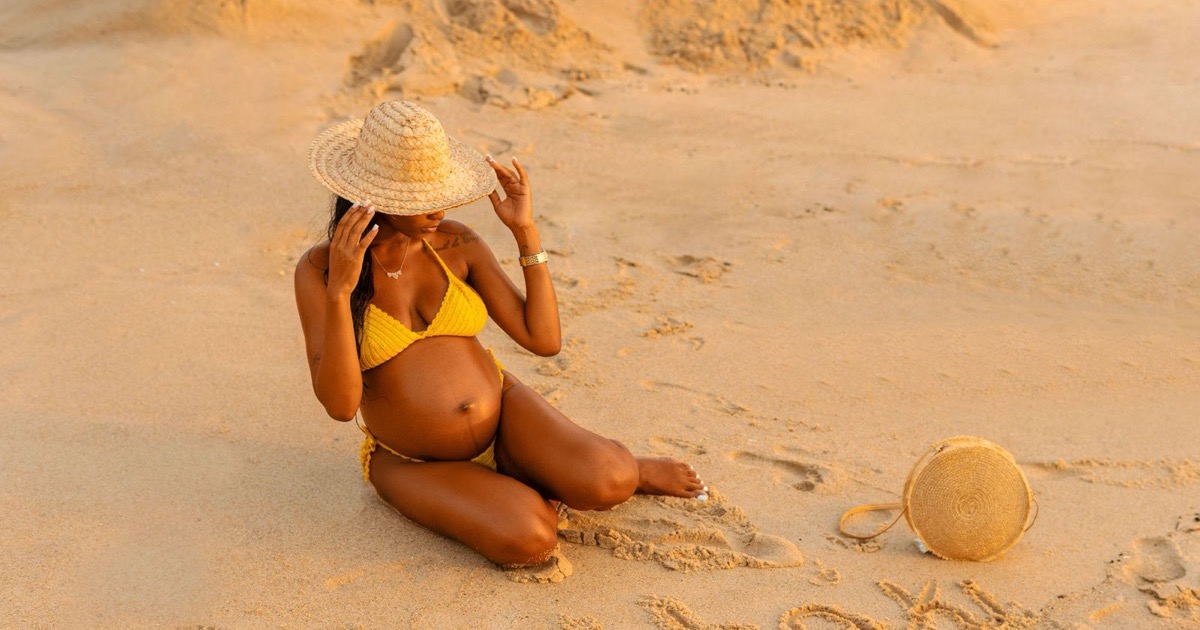

Planning a getaway while expecting a baby can feel like walking a tightrope, but Phuket offers a surprisingly supportive environment for pregnant travelers.
Planning a getaway while expecting a baby can feel like walking a tightrope, but Phuket offers a surprisingly supportive environment for pregnant travelers. This pregnancy friendly Phuket guide highlights the practical steps you need to feel confident, from medical support to comfortable accommodations and low‑impact adventures. By focusing on safety, comfort, and local resources, you can enjoy the island’s charm without compromising your wellbeing.
What medical facilities and emergency services are available for pregnant travelers in Phuket?
Phuket hosts several internationally accredited hospitals that provide obstetric care, prenatal monitoring, and emergency services. The main public institution, Phuket Hospital, operates a dedicated maternity wing with ultrasound, blood‑test labs, and a 24‑hour obstetrics unit. Private options such as Bangkok Hospital Phuket and Vachira Phuket Hospital feature English‑speaking staff, private rooms, and access to specialist consultants for high‑risk pregnancies.
For urgent situations, the island’s emergency medical service (EMS) is reachable by dialing 1669, and most hospitals maintain rapid transport links to Bangkok’s tertiary centers via air ambulance if advanced care is required. It is advisable to carry a copy of your prenatal records and a list of any medications you are taking, as Thai pharmacies will request this information before dispensing certain drugs.
Many hotels partner with local clinics to arrange on‑call midwives or nurse practitioners for routine check‑ups during a stay. Before you travel, verify whether your travel insurance covers maternity‑related care in Thailand, and confirm that the policy includes evacuation coverage should you need to be transferred to a larger facility.
Which neighborhoods and resorts in Phuket are considered pregnancy‑friendly?
Beachfront districts such as Patong, Kata, and Karon have a concentration of resorts that label themselves as “pregnancy‑friendly,” offering features like low‑step entry, on‑site medical rooms, and in‑room amenities such as extra pillows and blackout curtains for better rest. In the quieter north, areas like Mai Khao and Nai Yang provide resort complexes with spacious grounds, shaded swimming pools, and easy access to the airport medical clinic.
When evaluating a property, look for clear statements about prenatal support, such as complimentary prenatal vitamins, flexible meal times, and the availability of a quiet lounge for relaxation. Resorts that provide shuttle services to nearby pharmacies and hospitals add an extra layer of convenience, especially during the first trimester when frequent restroom breaks and hydration are essential.
| Neighborhood | Resort Example | Pregnancy‑Friendly Features |
|---|---|---|
| Patong | Large beachfront resort | Ground‑level rooms, on‑site clinic, shuttle to hospital |
| Kata | Family‑focused resort | Extra‑wide beds, prenatal massage services, nearby pharmacy |
| Karon | Mid‑range beachfront hotel | Elevator access, quiet garden lounge, daily health‑check assistance |
| Mai Khao | Luxury resort | Private villas with step‑free entry, in‑room air‑conditioning, dedicated wellness staff |
| Nai Yang | Boutique resort | Shaded pool, on‑site nutritionist, proximity to airport medical centre |
What types of activities and excursions are safe for expectant mothers in Phuket?
Low‑impact beach walks are ideal, especially during cooler morning hours when humidity is lower. Choose shaded sections of Patong, Kata, or Surin Beach, and bring a wide‑brimmed hat and plenty of water to stay cool. Gentle yoga classes tailored for pregnant participants are offered at several wellness centres; these sessions focus on stretching, breathing, and core stability without deep twists or inversions.
Island hopping can remain comfortable if you select larger, air‑conditioned ferries rather than small speedboats that generate strong vibrations. Day trips to nearby islands such as Koh Racha or Coral Island provide opportunities for snorkeling in calm bays, but limit underwater time to short intervals and avoid deep‑water dives. Always inform the boat captain of your pregnancy so they can accommodate a stable seating area.
Exploring cultural sites like the Big Buddha, Wat Chalong, or Old Phuket Town involves moderate walking on paved paths and occasional stairs. Renting a motor‑bike is discouraged; instead, use reputable taxi services or ride‑hailing apps that offer vehicles with ample legroom and air‑conditioning. For a relaxed afternoon, consider a guided mangrove kayak tour on the Phang Nga Bay side—many operators provide double‑hull kayaks that are stable and require minimal paddling effort.
How can I manage heat and humidity while traveling pregnant in Phuket?
Phuket’s tropical climate means daytime temperatures often hover between 28 °C and 34 °C with humidity levels that can exceed 80 %. For a pregnant traveler, prolonged exposure to such conditions may increase fatigue, dehydration, and the risk of heat‑related discomfort. The most effective strategy is to structure your day around the island’s natural temperature cycle. Begin activities early, before the sun climbs, and reserve the hottest midday hours for indoor rest or gentle pursuits such as spa treatments, museum visits, or a leisurely lunch in an air‑conditioned café.
Staying hydrated is essential, but the type of fluid matters. Water should be your primary source, complemented by electrolyte‑rich drinks that contain low sugar and no caffeine. Carry a reusable bottle with a built‑in filter if you plan to refill from hotel taps, which are generally safe in Phuket. Avoid sugary sodas and excessive fruit juices, as they can contribute to rapid spikes in blood sugar—a concern during pregnancy.
When you must be outdoors, protect yourself with lightweight, breathable clothing that covers the arms and legs. Wide‑brimmed hats, UV‑blocking sunglasses, and sunscreen with at least SPF 30 are non‑negotiable. Consider a portable, battery‑operated fan or a cooling towel that can be re‑wetted throughout the day. If you feel any sign of overheating—dizziness, excessive sweating, or a rapid heartbeat—seek shade immediately and sip fluids.
| Time of Day | Recommended Activity | Heat‑Management Tips |
|---|---|---|
| 05:00 – 09:00 | Beach walk, sunrise yoga, market visits | Wear a hat, apply sunscreen, drink water before leaving |
| 09:00 – 12:00 | Guided cultural tours, temple visits | Choose shaded routes, carry a cooling towel |
| 12:00 – 15:00 | Hotel pool, spa, indoor museums | Stay air‑conditioned, limit exposure to 30 minutes max if outdoors |
| 15:00 – 18:00 | Evening market stroll, sunset cruise (well‑ventilated) | Dress in light layers, keep a water bottle handy |
What food and beverage precautions should pregnant women take in Phuket?
Thai cuisine is celebrated for its fresh herbs, aromatic spices, and vibrant flavors, yet certain ingredients can pose risks during pregnancy. Raw or undercooked seafood, including sushi‑style dishes and some street‑food salads, may contain harmful bacteria or parasites. Likewise, dishes that rely on unpasteurized dairy—such as certain desserts made with fresh coconut milk—should be approached with caution. Opt for meals that are cooked thoroughly, and ask servers to confirm that any sauces or broths have been boiled.
Street vendors are a hallmark of Phuket’s culinary scene, but hygiene standards vary. Choose stalls that display clean preparation areas, use fresh ingredients, and serve food hot and steaming. If you are uncertain, it is safer to dine in established restaurants that advertise “pregnant‑friendly” menus or have visible food safety certifications. When ordering fruit, request it to be peeled or cut in front of you to avoid exposure to contaminated surfaces.
- Consume only fully cooked meats, eggs, and seafood; avoid “rare” or “medium” preparations.
- Steer clear of unpasteurized dairy products, including certain soft cheeses and fresh coconut milk desserts.
- Limit intake of high‑mercury fish such as shark, king mackerel, and certain tuna varieties.
- Prefer bottled or filtered water; avoid ice cubes unless you are certain they are made from safe water.
- Watch out for excessive chili heat, which can trigger heartburn—a common pregnancy symptom.
- Choose fruit that can be peeled or is served pre‑cut in a clean environment.
- Ask for sauces and soups to be served hot, ensuring any potential bacteria are destroyed.
Do I need special travel insurance for pregnancy when visiting Thailand?
Standard travel insurance policies often exclude coverage for pregnancy‑related complications, especially after a certain gestational age. Before purchasing a plan, verify whether it includes prenatal medical care, hospitalisation for labour, and emergency evacuation. Policies that specifically list “pregnancy” as a covered condition typically require a medical certificate confirming a low‑risk pregnancy and may limit coverage to the first 28 weeks of gestation.
If you are beyond the first trimester, look for insurers that offer “pregnancy extensions” or supplemental riders. These add‑ons can provide peace of mind for unexpected situations such as preterm labour, severe nausea requiring IV fluids, or a need for a specialist obstetrician while abroad. Always read the fine print regarding exclusions, claim filing timelines, and the network of approved medical facilities in Phuket.
How early in pregnancy is it safe to fly to Phuket and what airline accommodations exist?
Most airlines allow travel up to 36 weeks for a single pregnancy, but the safest window for long‑haul flights is generally between 14 and 28 weeks. During the first trimester the risk of nausea, fatigue and blood‑clotting issues is higher, while the third trimester brings concerns about sudden labor. Booking a flight after the initial eight weeks gives the body time to settle, and staying under the 28‑week mark reduces the likelihood of medical complications that could require an unscheduled stop.
Air carriers have expanded services for expectant mothers. Seat‑selection tools now highlight bulkhead rows with extra legroom, and many airlines provide complimentary wheelchair assistance at the airport. In‑flight, you can request a pillow for lumbar support and a small blanket to keep comfortable if cabin temperature feels cool. Some carriers also allow a pre‑flight medical certificate to be uploaded through their mobile app, which can smooth the check‑in process and avoid extra screening delays.
When planning the journey, add a “pregnancy travel restrictions” note to your maternity travel checklist. Verify the airline’s policy on carrying prenatal vitamins while traveling, as some security checkpoints may flag liquid supplements. If you have a history of blood‑clotting disorders, request a seat near the aisle to enable regular walking and calf‑stretching exercises during the flight.
What prenatal care options are there if I need a check‑up while in Phuket?
Phuket’s medical landscape includes several facilities that cater specifically to expectant mothers. Public hospitals host obstetrics departments with English‑speaking staff, while private clinics often feature “pregnant‑friendly” packages that combine routine scans with on‑site nutrition counseling. Many of these centers have short waiting times for walk‑in appointments, which is useful if you develop a sudden concern such as dehydration from the heat.
When you arrive, locate the nearest “antenatal care Phuket” provider and keep their contact details in your travel wallet. Most clinics accept international health insurance, but it’s wise to confirm coverage before the appointment. If you need a lab test, ask whether the facility can process samples on site or if they partner with a local laboratory that offers same‑day results.
- Bangkok Hospital Phuket – offers comprehensive obstetric services and a dedicated maternity lounge.
- Phuket International Hospital – has a multilingual obstetrics team and 24‑hour emergency care.
- Vachira Phuket Hospital – public option with affordable prenatal visits and ultrasound facilities.
- Samui Women’s Health Clinic (Phuket branch) – focuses on low‑risk pregnancies and provides dietary advice for tropical climates.
- International Medical Center – private clinic with same‑day blood‑type testing and vitamin supplementation guidance.
- Thai‑American Medical Center – offers tele‑consultations with overseas obstetricians for continuity of care.
- Phuket Maternal Wellness Center – specializes in prenatal yoga and heat‑safety counseling.
Before any appointment, bring a copy of your most recent prenatal records, a list of medications, and a note about any food safety concerns you have encountered in Thailand. This helps the provider tailor advice about local dishes and the safest ways to stay hydrated in the humid climate.
Are there any cultural or legal considerations for pregnant visitors in Thailand?
Thai culture places a high value on modesty and respect for elders, which extends to interactions in medical settings. When visiting a clinic or hospital, dress conservatively—long sleeves and trousers are advisable—and address staff with a polite “khun” followed by their name if known. This simple courtesy can smooth communication, especially when discussing sensitive topics such as pregnancy symptoms.
Legally, Thailand does not restrict pregnant tourists from entering most public spaces, but certain activities are regulated. For example, scuba diving and high‑altitude zip‑lining are prohibited for women beyond 20 weeks gestation, as the change in pressure can affect fetal circulation. Local tour operators are required to ask for a health declaration before enrolling guests in adventure programs, so be prepared to present a brief medical note if asked.
Food safety during pregnancy is taken seriously by many Thai vendors, yet street food can still pose a risk of bacterial contamination. Choose stalls that cook food to order, avoid raw salads that have not been washed with boiled water, and ask for dishes to be served without added raw herbs if you are unsure. Carrying a small supply of prenatal vitamins while traveling is permissible, but keep them in their original packaging to avoid confusion at customs.
What transportation methods are most comfortable for pregnant travelers in Phuket?
Airport transfers that provide a climate‑controlled cabin and a driver who can adjust the route for a smooth ride are ideal. Many hotels partner with reputable car services that offer spacious sedans equipped with seat‑belt reminders and ample legroom, allowing you to stretch gently during the journey.
Ride‑hailing apps such as Grab are widely used and let you select “family” or “premium” vehicle categories, which tend to have newer suspension and quieter interiors. If you prefer a more scenic option, short‑duration boat taxis between the mainland and nearby islands are generally stable, but it’s wise to choose operators that limit travel to calm sea conditions and provide shaded seating.
How can I pack a pregnancy‑friendly travel kit for a Phuket vacation?
Start with the essentials: prenatal vitamins, any prescribed medications, and a printed copy of your obstetrician’s contact information. Include a small, insulated bag for snacks that are low in sugar and high in protein, such as nuts, cheese sticks, or dried fruit, to keep blood sugar steady between meals.
Comfort items make a big difference. Pack compression socks, a supportive pillow for long flights, and breathable, loose‑fitting clothing that can be layered as temperatures shift. A travel‑size sunscreen with SPF 30 or higher, a pregnancy‑safe insect repellent, and a basic first‑aid kit (band‑aids, antihistamine, anti‑nausea tablets) round out a well‑prepared kit.
Sources & Further Reading
Frequently Asked Questions
Is it safe to travel to Phuket during the first trimester?
Travel in the first trimester is generally considered safe for most expectant mothers, provided there are no pregnancy complications and you have clearance from your healthcare provider. The main concerns are fatigue, nausea, and the risk of dehydration in a hot climate, so plan for frequent rest breaks and plenty of fluids. Keep a copy of your prenatal records handy in case you need medical attention.
What are the recommended hotels in Phuket that offer pregnancy‑friendly amenities?
Many upscale resorts now label rooms as “pregnancy‑friendly,” featuring features such as extra‑large beds, low‑step showers, and on‑call nursing staff. Look for properties that advertise in‑room air conditioning, complimentary bottled water, and the option to request a pillow for lumbar support. Booking through a reputable travel platform allows you to filter for these amenities before confirming.
Can I take a boat tour around the islands while pregnant?
Short, day‑long boat excursions that stay close to the coast are usually acceptable for pregnant travelers, especially if the vessel is a modern catamaran with a stable hull. Avoid tours that involve long periods of open‑sea travel, rough waters, or activities that require significant physical exertion, such as snorkeling in deep water. Always inform the tour operator of your pregnancy so they can accommodate any needed adjustments.
What vaccinations are required or recommended for pregnant women visiting Thailand?
There are no mandatory vaccinations for entry into Thailand, but health authorities advise that pregnant travelers be up to date on routine immunizations such as tetanus‑diphtheria‑pertussis and influenza. The hepatitis A vaccine is often recommended for those planning to eat street food, while the Japanese encephalitis vaccine may be considered for extended stays in rural areas. Discuss any vaccine plans with your obstetrician well before departure.
How do I find a reputable obstetrician or clinic in Phuket in case of an emergency?
International hospitals in Phuket, such as those affiliated with major university medical centers, maintain obstetrics departments staffed by English‑speaking physicians. You can also contact your embassy for a list of vetted medical facilities. It is prudent to identify the nearest clinic to your accommodation before you arrive, and keep the contact details stored both digitally and on paper.
What foods should I avoid while eating in Phuket during pregnancy?
Raw or undercooked seafood, including sushi and certain shellfish, carries a higher risk of bacterial contamination and should be avoided. Unpasteurized dairy products, such as some local cheeses and fresh coconut milk sold in street stalls, may also pose a risk. Choose dishes that are cooked thoroughly, served hot, and prepared with fresh ingredients, and ask vendors about the cooking process if you are unsure.
Are there any restrictions on flying to Phuket after the 28th week of pregnancy?
Airlines typically require a medical certificate for passengers beyond 28 weeks gestation, confirming that travel is safe and that the expected due date is at least two weeks beyond the planned return. Some carriers impose a maximum of 36 weeks for domestic flights and 32 weeks for international routes. Check the specific policy of the airline you intend to use and arrange the required documentation in advance.
What are the best ways to stay hydrated and cool in Phuket’s tropical climate?
Carry a reusable water bottle and refill it frequently; many hotels provide complimentary filtered water. Opt for drinks with electrolytes, such as coconut water, to replace minerals lost through sweating. Schedule outdoor activities for early morning or late afternoon, and seek shade or air‑conditioned venues during the hottest midday hours.
Do Thai airlines provide special seating or assistance for pregnant passengers?
Most Thai carriers offer priority boarding for pregnant travelers, allowing extra time to settle without rushing. You can request an aisle seat for easier access to the restroom and to stretch your legs during the flight. If you have specific mobility concerns, contact the airline ahead of time to arrange a seat with additional legroom or a wheelchair at the airport.
What relaxation treatments are safe for expectant mothers in Phuket’s spas?
Prenatal‑focused massages that avoid deep pressure on the abdomen are widely available and can help alleviate back pain and swelling. Aromatherapy should be limited to essential oils approved for pregnancy, such as lavender or citrus blends, and always performed by a therapist trained in prenatal care. Steer clear of treatments that involve heat exposure, such as hot stone therapy or sauna sessions, as they may raise core body temperature.
Plan each day with flexibility, allowing time for rest and hydration, and keep your medical information easily accessible. By choosing comfortable transport, packing thoughtfully, and staying informed about health considerations, you can enjoy Phuket’s attractions while maintaining peace of mind throughout your pregnancy.
Plan your trip
Tours, tickets & activities
Browse and book experiences, attraction tickets and day trips on Klook, with instant confirmation.
Explore experiences on KlookWe may earn a commission from bookings made through this link, at no extra cost to you.
Reviewed by our editor for Asia & the Middle East
Sarah ChenAsia & Middle East Editor
Travel writer covering Southeast Asia, East Asia and the Gulf — temples, street food and modern cities.
More articles by Sarah Chen →