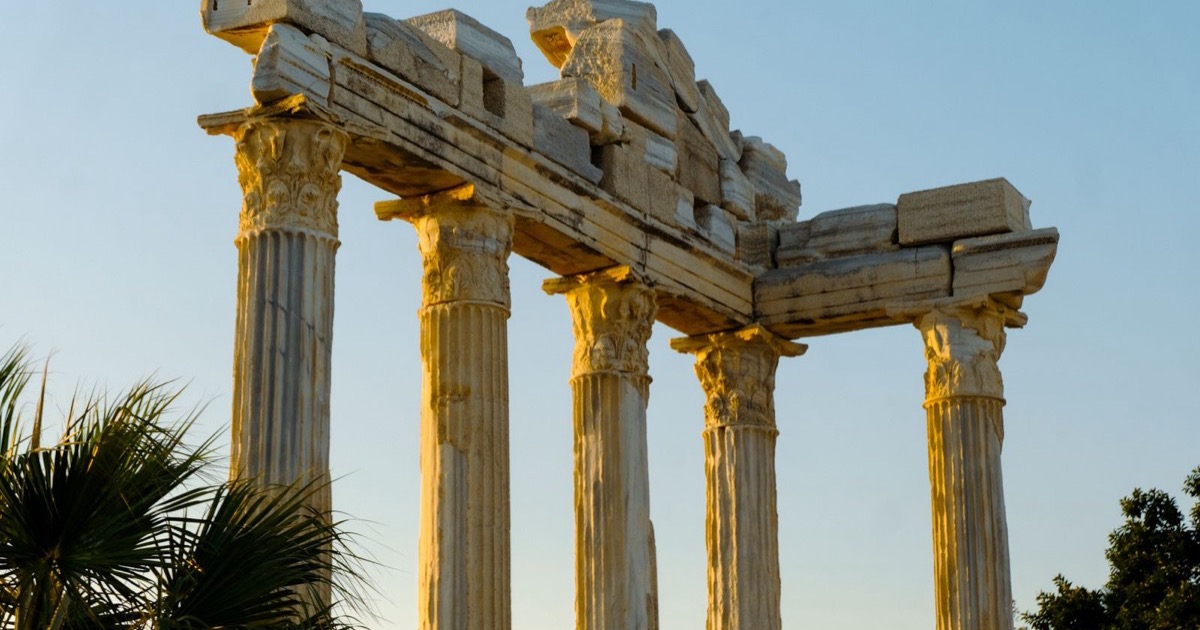

For photographers chasing the perfect glow, the ancient streets of Ephesus provide a rare blend of stone, sky, and history.
For photographers chasing the perfect glow, the ancient streets of Ephesus provide a rare blend of stone, sky, and history. Timing your visit to the golden hour unlocks a warm, diffused light that brings out the texture of marble columns and the subtle hues of the Aegean horizon. This guide focuses on Ephesus golden hour photography, offering clear directions and technical tips to help you capture the site at its most radiant.
What are the top golden hour photography locations at Ancient Ephesus?
The Library of Celsus stands out as the premier spot, especially when the sun sets behind its ornate façade. Facing west, the building catches the last rays, highlighting the intricate carvings and the iconic columns. Position yourself a few meters back on the main colonnade to include both the library and a slice of the surrounding courtyard in the frame.
A close second is the lower tier of the Great Theatre on its eastern side. As the sun climbs, the light pours over the stone seats, casting long shadows that emphasize the theatre’s scale. From the aisle nearest the stage, you can frame the horizon behind the ancient arches, creating a dramatic silhouette effect.
The third hotspot is the Marble Road leading toward the Temple of Hadrian. Early morning golden light bathes the pathway, producing a warm tunnel effect that guides the viewer’s eye toward the distant temple ruins. Arriving before sunrise allows you to capture both the road’s texture and the soft sky in a single exposure.
How can I capture the Library of Celsus façade during golden hour?
Start by scouting the site at least 30 minutes before sunset. The west‑facing façade will be illuminated from the right, creating a natural rim light around the upper arches. Use a tripod to keep the camera steady as the light fades, and consider a low ISO (100‑200) to preserve detail in the stone.
For depth of field, a mid‑range aperture (f/8‑f/11) works well, keeping the entire façade sharp while gently blurring the foreground. If you prefer a more artistic approach, experiment with a wider aperture (f/4) to isolate the central columns against the glowing sky.
| Setting | Recommendation | Why it works |
|---|---|---|
| ISO | 100‑200 | Minimizes noise in low‑light conditions |
| Aperture | f/8‑f/11 | Ensures sharpness across the façade |
| Shutter Speed | 1/125‑1/250 s | Freezes subtle movement of visitors |
| White Balance | Shade or Cloudy | Enhances warm golden tones |
| Lens | 24‑70 mm or 70‑200 mm | Provides flexibility for wide and tight compositions |
Consider adding a polarizing filter to reduce reflections on the marble and deepen the sky’s color. When the sun dips below the horizon, switch to a slightly slower shutter (1/60 s) and raise the ISO if needed, but keep the tripod steady to avoid blur.
Which side of the Great Theatre offers the best golden hour lighting?
The eastern tier receives the most flattering light during the early golden hour, roughly 30 minutes after sunrise. Sunlight strikes the stone seats from the left, producing a gradient of warm tones that accentuate the theatre’s depth. Position yourself near the central aisle to capture the rows receding toward the stage, with the sunrise spilling over the distant hills.
Later in the day, around sunset, the western side becomes viable, but the light often creates harsh contrasts that can wash out details. If you prefer a softer look, use a reflector or a small LED panel to fill shadows on the western tier, though this adds complexity and may draw attention from other visitors.
Regardless of the side you choose, keep an eye on crowd movement. Arriving early gives you space to set up a tripod and compose a clean shot before the main tour groups fill the aisles. A quick scan of the seating levels will help you locate empty rows that frame the horizon without interruption.
When is the optimal time for golden hour shots at Ephesus in 2026?
The ancient streets of Ephesus greet the sky with a warm glow that shifts dramatically during the golden hour. In 2026, the most reliable window for soft, directional light occurs roughly 45 minutes after sunrise and 45 minutes before sunset. Early spring (March–April) offers a cooler palette, while late summer (July–August) produces richer amber tones that accentuate the stone columns of the Library of Celsus. Planning your shoot around these periods maximizes contrast without the harsh shadows that appear later in the day.
Because the site sits on the Aegean coast, the horizon is unobstructed to the west, making the Library façade an ideal subject for sunset silhouettes. Conversely, the eastern slope of the Great Theatre captures the first rays of dawn, ideal for Ephesus sunrise photography. Aligning your arrival with the precise golden‑hour start time for each month ensures the light falls evenly across the ruins, highlighting texture and depth.
| Month | Sunrise Golden Hour Start | Sunset Golden Hour Start | Typical Duration |
|---|---|---|---|
| March | 06:15 AM | 05:45 PM | ≈45 min |
| June | 05:45 AM | 07:30 PM | ≈50 min |
| September | 06:40 AM | 06:55 PM | ≈45 min |
What camera settings should I use for golden hour photography at ancient ruins?
During the brief golden window, the ambient light is soft yet sufficiently bright to allow lower ISO values, preserving detail in the stone surfaces. Begin with ISO 100–200 to keep noise at a minimum, then adjust aperture to balance depth of field with the desired background blur. A mid‑range aperture such as f/8 often renders the intricate carvings of the Library of Celsus while keeping the distant theater steps in focus.
Shutter speed must be managed to avoid motion blur, especially when shooting handheld. If you employ a tripod, slower speeds (1/30 s or slower) become viable, giving you the flexibility to fine‑tune exposure without raising ISO. White balance set to “Shade” or a custom Kelvin temperature around 5600 K typically reproduces the warm golden hue without oversaturation. Below is a concise checklist for the most common scenarios encountered on the Ephesus site.
- ISO 100–200 for clean, low‑noise images.
- Aperture f/8–f/11 to capture architectural detail across the frame.
- Shutter speed 1/125 s (handheld) or 1/30 s (tripod) as a starting point.
- White balance: Shade preset or 5600 K custom setting.
- Focus mode: Single‑point AF aimed at the nearest architectural element.
- Use a sturdy tripod for night‑time or low‑light follow‑up shots.
- Consider a circular polarizer to reduce surface glare on marble columns.
How can I avoid crowds while photographing Ephesus during golden hour?
Timing your visit just before the official opening hour is a practical way to secure a clear view of the Library façade before the bulk of tourists arrive. The site opens at 8:30 AM, but the sunrise golden hour begins earlier; positioning yourself near the eastern entrance at 6:30 AM lets you capture the first light with minimal foot traffic. Bring a small, discreet backpack to move quickly between locations without drawing attention.
Another strategy involves using the lesser‑known side passages that lead to the Great Theatre’s lower tier. These pathways are often overlooked by large groups, providing a quieter platform for Great Theatre Ephesus photography. If you are willing to walk a short distance, the hilltop overlook near the Temple of Hadrian offers an elevated perspective that stays clear of the main crowd flow while still benefiting from the same golden lighting conditions.
Are drones allowed for capturing golden hour views of Ephesus?
Flying a drone over the ancient site is subject to strict oversight by the Turkish Ministry of Culture and Tourism. As of 2026, a special permit is required for any aerial activity within the protected perimeter, which includes the Library of Celsus, the Great Theatre, and the Marble Street. Applications can be submitted online or at the local cultural affairs office in Selçuk, and approval typically takes 48 hours. The permit outlines the maximum altitude (generally 120 meters), restricted zones where flight is prohibited (such as directly above the Temple of Artemis ruins), and a mandatory safety briefing.
During the golden hour, the low‑angle light creates dramatic shadows that are perfect for drone composition, but the same period also attracts the largest number of visitors. To avoid crowd interference and to respect the site’s integrity, most authorities require operators to keep the drone within a 200‑meter radius of the designated launch area and to maintain a visual line of sight at all times. Violating these rules can result in fines or confiscation of equipment, so it is prudent to plan the flight well in advance and to carry a copy of the permit while on site.
What are the best accessories for golden hour photography in Kusadasi?
Golden hour light is soft yet directional, demanding tools that help you control exposure and enhance color rendition. A sturdy, lightweight tripod is essential for longer exposures when you want to capture the warm glow on stone façades without introducing camera shake. Pair the tripod with a remote shutter release or the camera’s built‑in timer to eliminate any subtle movement caused by pressing the shutter button.
Filters play a decisive role during the fleeting moments before sunset. A 0.6 or 0.9 neutral density (ND) filter allows you to use wider apertures or slower shutter speeds while preserving the natural hue of the sky. A circular polarizer can deepen the blue of the Aegean backdrop and reduce glare on marble surfaces, especially when the sun is low on the horizon. Finally, extra batteries and high‑capacity memory cards ensure you won’t miss a frame when the light changes rapidly.
- Carbon‑fiber tripod – balances stability with portability for early‑morning hikes.
- Wireless remote shutter – minimizes vibration for sharp, low‑light shots.
- Variable ND filter (0.6‑0.9) – grants flexibility in exposure while retaining color fidelity.
- Circular polarizer – enhances sky contrast and reduces reflections on stone.
- Extra Li‑ion batteries – crucial for extended sessions as temperatures drop.
- High‑speed UHS‑II SD card (≥64 GB) – supports rapid burst shooting without buffering delays.
- Lens cleaning kit – keeps glass free of dust that can catch the low sun’s rays.
How do I get to Ancient Ephesus from Kusadasi for a sunrise shoot?
The most reliable way to reach the ruins before dawn is to hire a private taxi or use a rideshare service that operates 24 hours. A typical early‑morning fare from Kusadasi to the Ephesus entrance is modest, and drivers are accustomed to waiting for photographers who need to set up equipment. Arrange the pickup for at least 45 minutes before sunrise; the drive takes roughly 20 minutes via the D550 highway, and the route is well‑lit even in the pre‑dawn hours.
If you prefer public transport, the local dolmuş (minibus) runs a limited schedule that starts just before sunrise on weekdays. Board the line heading toward Selçuk and alight at the “Ephesus” stop, which is a short walk to the main gate. Buying a ticket the night before guarantees you a seat and saves time queuing in low light. For those who enjoy flexibility, renting a compact car for the day provides the freedom to scout multiple viewpoints—such as the eastern terrace of the Great Theatre—while still arriving at the optimal moment for the first light.
What are common mistakes to avoid when photographing Ephesus at golden hour?
Many visitors rush to the most famous façades as soon as the light softens, only to find crowds already filling the frame. Arriving at least fifteen minutes before the official golden‑hour window gives you a chance to scout composition, adjust angles, and capture the site with fewer people. Patience also helps you wait for the sun to dip just enough to illuminate columns without washing out delicate stone details.
Another frequent error is relying solely on the camera’s auto‑mode. The changing quality of light during golden hour can trick metering systems, leading to blown highlights on marble surfaces. Switching to manual exposure, lowering ISO, and using a small aperture (f/8‑f/11) preserve texture while keeping the warm glow intact. Finally, overlooking the direction of shadows can flatten the scene; positioning yourself so that shadows fall across arches and reliefs adds depth and visual interest.
Can I photograph the Temple of Artemis during golden hour and where is the best spot?
The ancient site of the Temple of Artemis, though largely reduced to foundations, still offers striking silhouettes when the sun rises or sets behind the hill. The optimal viewpoint is the low terrace just east of the main column bases, where the horizon opens to the Aegean Sea. From this angle, the early light paints the stone outlines in amber while the distant sea reflects the same hue, creating a layered composition.
Because the area is open and unguarded, you can set up a tripod without a permit, but be mindful of local visitors and any temporary archaeological work. A wide‑angle lens captures the expansive sky, while a moderate zoom (24‑70mm) lets you isolate individual column fragments as the light shifts. Arriving early ensures you have space to frame the scene before the site attracts larger groups.
Sources & Further Reading
Frequently Asked Questions
When does golden hour occur at Ancient Ephesus throughout the year?
Golden hour in Ephesus typically starts about 45 minutes before sunrise and ends roughly 45 minutes after sunset. In winter, the window begins around 06:30 AM and finishes near 06:00 PM, while in summer it stretches from roughly 05:45 AM to 08:15 PM. Checking a reliable sunrise‑sunset calculator for your travel dates will give you precise times.
Is photography allowed inside the Library of Celsus?
Visitors may take photographs inside the Library of Celsus, but flash usage is prohibited to protect the ancient marble. Hand‑held cameras are fine, though tripods are not permitted within the interior chambers. Respect the signage and keep a respectful distance from any delicate decorative elements.
Do I need a permit to use a tripod at Ephesus?
For most open‑air locations, such as the Great Theatre or the outer façade of the Library of Celsus, a tripod can be used without special permission. However, inside enclosed structures like the interior of the Library, staff may ask you to remove the tripod. If you plan a professional shoot that involves large equipment or extended setup, it is safest to contact the site administration in advance.
What is the best day of the week to photograph Ephesus with fewer visitors?
Mid‑week days, especially Tuesday through Thursday, tend to see the lowest attendance. Early morning visits on these days combine reduced crowds with optimal lighting, allowing you to compose shots without having to wait for people to clear the frame.
Can I rent photography equipment in Kusadasi?
Several camera shops in Kusadasi offer short‑term rentals of DSLR bodies, mirrorless cameras, lenses, and lightweight tripods. Most rentals require a passport deposit and a brief written agreement. Prices are reasonable for daily use, making it convenient if you travel light and need a specific focal length for architectural detail.
Are there any hidden photo spots near Ephesus that are not crowded?
Just beyond the main excavation zone, a short footpath leads to a small hill overlooking the ancient streets. From this elevated spot, you can capture sweeping views of the marble terraces framed by olive trees, with the Aegean coastline visible in the distance. The area receives far fewer visitors, especially during the early golden‑hour minutes.
How long does it take to walk between the main golden hour locations?
The Library of Celsus, the Great Theatre, and the lower tier of the theatre are spaced within a 15‑minute walking circuit. Adding the nearby terrace for the Temple of Artemis adds another five minutes. In total, a relaxed pace between all prime spots takes roughly twenty minutes, leaving ample time for composition and exposure adjustments.
What are the recommended camera lenses for capturing Ephesus architecture?
A versatile zoom covering 24‑70 mm works well for most façades, allowing you to frame both wide street scenes and tighter details. For dramatic perspective shots of arches and columns, a 35‑50 mm prime provides minimal distortion. If you want to isolate distant reliefs or capture the surrounding landscape, a lightweight telephoto in the 70‑200 mm range is useful.
Is flash photography prohibited at any sites in Ancient Ephesus?
Flash is not allowed inside the Library of Celsus and the interior chambers of the Great Theatre, as the sudden burst can damage pigments and stone. Outdoor areas have no flash restrictions, but using natural light yields more harmonious results during golden hour.
How can I protect my gear from the coastal humidity in Kusadasi?
The Aegean climate can introduce moisture that settles on lenses and camera bodies. Carry a microfiber cloth and a silica‑gel packet inside your camera bag to absorb excess humidity. When moving between indoor and outdoor environments, allow your equipment to acclimate for a few minutes before changing lenses to prevent condensation.
Plan your arrival times around the sunrise and sunset schedules, keep your gear dry, and move deliberately between the highlighted spots to make the most of the fleeting golden light at Ephesus.
Plan your trip
Book Istanbul attraction tickets
Skip-the-line tickets and guided tours for Istanbul's top sights, with mobile tickets and flexible cancellation.
See tickets on TiqetsWe may earn a commission from bookings made through this link, at no extra cost to you.
Reviewed by our editor for Türkiye & the Eastern Mediterranean
Elif DemirTürkiye & Eastern Mediterranean Editor
Travel writer covering Türkiye and the Eastern Mediterranean, from Istanbul's old city to the Aegean coast.
More articles by Elif Demir →