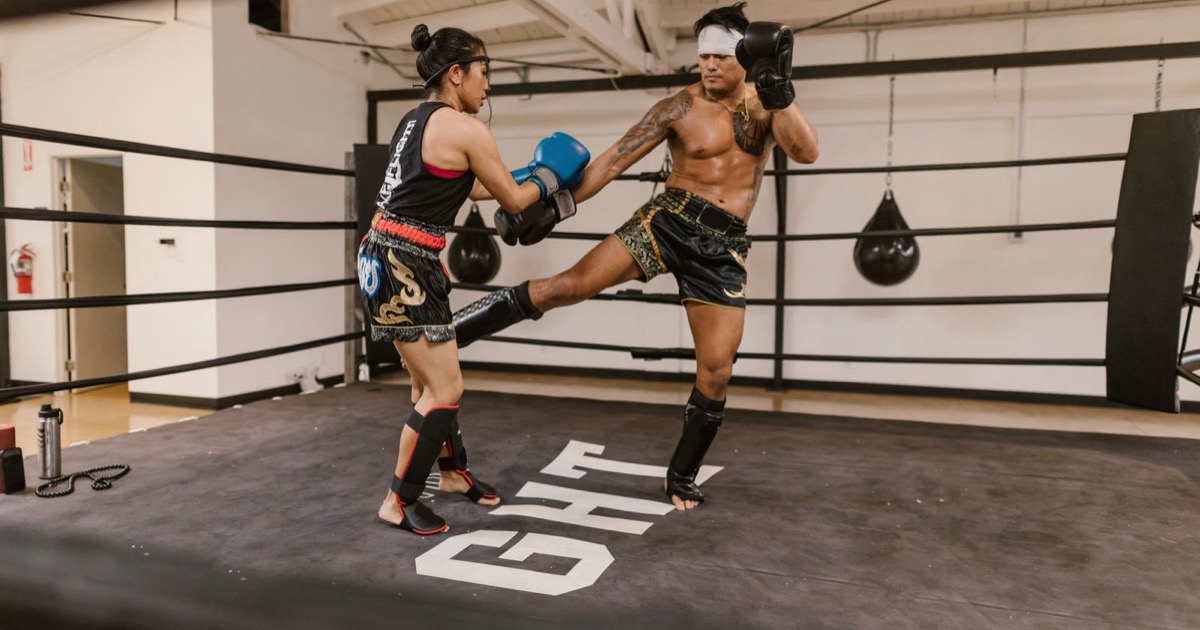

Travelers seeking authentic Thai boxing training often start by comparing Pattaya Muay Thai camp prices, because the city blends beachfront convenience with a t
Travelers seeking authentic Thai boxing training often start by comparing Pattaya Muay Thai camp prices, because the city blends beachfront convenience with a thriving fight culture. In 2026 the market offers everything from budget Muay Thai camps to luxury retreats, each promising a week‑long Muay Thai program that fits different training goals and wallets. Understanding the cost structure helps you choose a package that delivers value without compromising on the quality of instruction.
What factors influence the price of a week‑long Muay Thai camp in Pattaya?
Location is the first driver of cost. Gyms situated on the Pattaya beach front, commonly referred to as Pattaya beach gym venues, charge a premium for the scenic setting and easy access to accommodation options. Inland facilities, especially those in quieter neighborhoods, often present lower Pattaya Muay Thai gym fees, making them attractive for budget‑focused travelers.
Another key element is the level of instruction. Camps that employ former champions or highly experienced Muay Thai trainers typically price their week‑long packages higher. These trainers bring deep technical knowledge and can tailor the training schedule to individual skill levels, which is reflected in the overall price.
Included amenities also shape the final bill. An all‑inclusive Muay Thai camp may bundle daily meals, air‑conditioned rooms, and recovery services such as massages or physiotherapy. When these extras are bundled, the Pattaya Muay Thai accommodation cost rises, but the overall outlay can still be lower than arranging each component separately.
How do boutique Muay Thai gyms in Pattaya compare to large‑scale facilities on cost?
Boutique gyms usually operate with fewer students per class, offering a more personalized experience. Their pricing structure often falls between budget camps and the higher end of large‑scale gyms. For example, a boutique facility might charge a moderate fee for a week‑long program while still providing a comfortable training environment and modest accommodation.
Large‑scale gyms such as Venum Training Camp Pattaya or Fairtex Pattaya have the capacity to host many fighters simultaneously. This scale allows them to spread fixed costs across a larger client base, which can result in competitive Venum training camp Pattaya price points for standard packages. However, premium options like the luxury Muay Thai camp at Fairtex often include additional services—private lockers, advanced strength‑and‑conditioning equipment, and premium lodging—that raise the Fairtex Pattaya weekly price.
| Feature | Boutique Gym | Large‑Scale Facility |
|---|---|---|
| Class size | 5‑10 fighters | 15‑30 fighters |
| Trainer‑to‑student ratio | 1:5 | 1:10 |
| Typical weekly price (USD) | 350‑500 | 300‑650 |
| Accommodation type | Shared rooms or nearby guesthouses | On‑site dorms or partner hotels |
| Included meals | Basic Thai meals | All‑inclusive buffet or meal plan |
| Additional services | Limited (e.g., occasional massage) | Full recovery suite, strength labs, language support |
What is included in the typical weekly training package at Pattaya Muay Thai camps?
A standard week‑long Muay Thai program usually comprises two to three daily sessions, each lasting 90‑120 minutes. The training schedule balances technical drills, pad work, sparring, and conditioning. Most camps also allocate time for theory—such as fight strategy and nutrition—especially in higher‑priced packages.
Beyond the ring, the package often covers basic amenities. Budget Muay Thai camps typically include shared showers, a locker, and a simple Thai breakfast. Mid‑range and luxury camps add air‑conditioned dormitories, a wider selection of meals, and optional services like sports massage or physiotherapy. These extras are reflected in the overall Pattaya Muay Thai accommodation cost.
Some gyms differentiate themselves with specialized Thai boxing training packages. For instance, a package may combine Muay Thai with strength and conditioning classes, or even cross‑train in MMA or BJJ for a more holistic approach. When evaluating Muay Thai camps Pattaya 2026, check whether the advertised price includes these add‑ons or if they are billed separately.
Which Pattaya Muay Thai camps offer the best value for a week of training?
Value in a Muay Thai camp is a balance of training quality, facility standards, and what is bundled into the weekly price. In 2026, camps such as the Venum Training Camp Pattaya price includes three daily sessions, a pair of sparring rounds, and a nutrition plan, all for a mid‑range fee. The program is designed for fighters who want a structured curriculum without paying for each class individually. Trainers at Venum hold national competition experience, and the gym’s proximity to the beach adds a pleasant atmosphere for post‑workout recovery.
Fairtex Pattaya weekly price is slightly higher, but the package often contains access to a full‑size ring, strength‑conditioning equipment, and a complimentary massage each week. The trainers are former world champions, and the camp’s reputation for producing professional athletes justifies the extra cost for serious practitioners. Guests also receive a welcome kit that includes branded gloves and a training log, which helps track progress over the seven days.
For travelers on a tighter budget, several budget Muay Thai camps in Pattaya provide a solid week‑long Muay Thai program for a fraction of the price. These gyms typically charge a lower base rate and allow trainees to rent equipment rather than purchase it. While the facilities may be more modest, the coaching staff often includes former gym members who have competed regionally. The key is to verify that the weekly fee covers at least three training sessions per day and a basic locker room.
- Confirm the number of daily sessions included in the advertised price.
- Ask whether sparring, conditioning, and recovery services are part of the package.
- Check if equipment rental or purchase is required beyond the base fee.
- Read recent trainee reviews to gauge consistency of coaching quality.
- Ensure the camp’s schedule aligns with your personal travel itinerary.
How much does accommodation cost when staying at a Muay Thai camp in Pattaya?
Accommodation rates vary widely depending on the camp’s location, room type, and level of service. Basic dormitory‑style rooms at budget camps often start around a modest daily rate, which includes a shared bathroom, fan or basic air‑conditioning, and a simple breakfast. This setup is ideal for solo travelers focused on training intensity rather than luxury.
Mid‑range camps typically offer private rooms with en‑suite bathrooms, a small balcony, and sometimes a mini‑fridge. The weekly cost for these rooms generally falls in the middle tier, reflecting the added privacy and comfort without the premium price tag of high‑end facilities. Many of these camps bundle the room price with the training fee, simplifying budgeting for a week‑long stay.
Luxury Muay Thai camps provide resort‑style suites, often located near the beachfront. These accommodations feature air‑conditioned rooms, high‑speed Wi‑Fi, and access to a pool or spa. The weekly price for such suites includes premium amenities and sometimes additional services like personal trainers or private nutrition consultations. Travelers seeking a balance between high‑quality training and upscale living should compare the total cost of the suite plus the training package against separate hotel and gym bookings.
Are there any hidden fees or extra charges for week‑long Muay Thai training in Pattaya?
Some camps advertise a low weekly price but later add fees for essential items such as gloves, hand wraps, and shin guards. While many gyms provide these items for a nominal rental fee, others require a purchase, which can increase the overall expense. It is advisable to ask about equipment costs before committing to a program.
Another common extra charge is a transportation fee for airport pickups or shuttle services to the gym. Some camps include this in the package, while others treat it as an optional add‑on. If you plan to travel between the beach and the gym multiple times a day, factor in possible taxi or motorbike rental costs.
Finally, some camps levy a small administrative fee for processing payments or issuing receipts, especially for international travelers using credit cards. This fee is usually a fixed amount and is disclosed at the time of booking. By clarifying all potential charges upfront, you can avoid surprise expenses and keep your budget on track.
What are the payment options and refund policies for Pattaya Muay Thai camps?
Most camps accept credit cards, bank transfers, and popular e‑wallets. Some smaller gyms still prefer cash on arrival, especially for last‑minute bookings. When you pay online, the receipt usually includes a reference number that the camp can match to your reservation, which speeds up check‑in.
Refund rules vary by camp but follow a common pattern: a full refund is offered if you cancel at least two weeks before the start date, a 50 % refund for cancellations made between one and two weeks, and no refund for cancellations within a week of the program. A few premium camps allow you to reschedule without penalty, provided you give at least five days’ notice. Always read the fine print before you confirm payment.
How do the training schedules differ between beginner and advanced week programs in Pattaya?
Beginner courses focus on fundamentals: stance, basic punches, kicks, and simple pad work. Sessions are shorter, typically 90 minutes, and include more technical explanation and conditioning drills that are low impact. The week often ends with a light sparring session to build confidence.
Advanced programs increase intensity and volume. Classes can run up to three hours, featuring complex combinations, high‑level clinch work, and multiple sparring rounds. Conditioning includes plyometrics, heavy bag circuits, and strength training. The schedule also allocates time for tactical video review and personalized feedback.
| Aspect | Beginner (1‑Week) | Advanced (1‑Week) |
|---|---|---|
| Daily class length | 90 minutes | 180 minutes |
| Technical focus | Basic strikes & footwork | Complex combos & clinch |
| Sparring | Light, controlled | Full‑intensity rounds |
| Conditioning | Body‑weight circuits | Plyometrics & weight work |
| Video analysis | Optional | Included |
Can I combine a week of Muay Thai training with beach activities in Pattaya?
Most camps are located within a short walk or bike ride of Pattaya’s main beach strip, making it easy to slip into a surf session or a beach run after training. Early morning runs along the shoreline are popular because the temperature is cooler and the sea breeze helps with recovery.
Evening options include beachside yoga, sunset paddle‑boarding, or a casual walk through the night market. Some gyms partner with local tour operators to arrange snorkeling trips, island hopping, or even a day‑long kite‑surfing lesson. Just be sure to schedule low‑impact activities on days when the training load is highest to avoid overexertion.
Practical Tips for Visiting Pattaya
- Currency Exchange: Change a small amount of money at the airport and use reputable banks or ATMs in the city for larger withdrawals.
- Transport: Motorbike taxis are cheap and quick, but always wear a helmet and agree on a price before you ride.
- Hydration: Carry a reusable water bottle; many gyms provide filtered water stations, and staying hydrated is essential for intense workouts.
- Dress Code: Wear breathable, moisture‑wicking clothing for training, and bring modest beachwear for temple visits.
- Connectivity: Purchase a local SIM card at the airport for reliable internet access, which helps with navigation and staying in touch with your camp.
- Health Precautions: Bring a basic first‑aid kit and any personal medication, as pharmacies may not stock specialized items.
- Respectful Behavior: Bow slightly when entering a gym, remove shoes if requested, and follow the trainer’s instructions closely.
Editor's Note: The refund policies outlined above reflect the most common practices among Pattaya gyms in 2026, but individual camps may have unique clauses. Confirm all details directly with the camp before you pay.
Recommended Pattaya Activities
Frequently Asked Questions About Pattaya
What is the average price for a one‑week Muay Thai camp in Pattada?
In 2026 most camps charge between $250 and $450 USD for a seven‑day training package. The exact figure depends on whether you select shared or private lodging, the inclusion of additional amenities, and the reputation of the gym. Camps that focus on elite competition often sit at the higher end of the range, while community‑oriented gyms tend to be more affordable. These figures give a realistic benchmark for budgeting your stay.
Do Pattaya Muay Thai camps provide meals with the weekly fee?
Many camps bundle three meals per day into the weekly fee, especially those that cater to international students. The menus usually consist of Thai staples such as rice, noodles, grilled protein, and fresh vegetables, with options for dietary restrictions if requested in advance. Some gyms operate on a “room‑only” model, charging extra for meals or offering a cafeteria where you can purchase food. Always verify the meal plan before you commit.
Is there a minimum age requirement for week‑long Muay Thai training in Pattaya?
Most camps set the minimum age at 12 years, although a few elite facilities require trainees to be at least 15. Younger participants are typically placed in junior classes that focus on technique, conditioning, and safety. Parental consent forms and a brief medical questionnaire are standard for all minors. If your child is under the age limit, some gyms will recommend a short‑term trial program instead.
Can I get a discount if I book a week of training in advance?
Early‑bird discounts are common, with many camps offering 5‑10 % off the total price when payment is received at least 30 days before arrival. Some gyms also provide group rates if you register with two or more friends at the same time. Discounts are usually applied to the base tuition and do not affect optional services such as private coaching or equipment rental. Check the camp’s website for the specific deadline and terms.
What is the typical class size for a week‑long Muay Thai program in Pattaya?
Classes are generally kept small to ensure personalized feedback, with groups ranging from five to twelve students per session. Larger gyms may split participants into skill‑based sub‑groups, allowing beginners to train alongside peers of similar ability. Smaller class sizes help coaches monitor technique and reduce the risk of injury. If you prefer a more intimate environment, look for camps that advertise “limited enrollment.”
Are there English‑speaking coaches at Pattaya Muay Thai camps?
Most reputable camps employ at least one bilingual instructor who can explain drills and terminology in English. Many foreign coaches have competed internationally and bring a mix of Thai tradition and Western training methods. English‑speaking staff are usually listed on the camp’s staff page, along with their fighting background. If clear communication is a priority, confirm the language abilities of the head coach before you book.
How do I book a week‑long Muay Thai camp in Pattaya online?
The process typically begins on the gym’s official website, where you select the desired start date and package. After filling out a short registration form, you will be asked to pay a deposit—often 30 % of the total—via credit card, PayPal, or a secure bank transfer. Once the payment is processed, the camp sends a confirmation email with arrival instructions, a packing list, and a waiver to sign. Keep a copy of the email for reference when you travel.
What safety measures are in place for beginners during a week of training?
All camps start each session with a thorough warm‑up and mobility routine to prepare the body for impact. Protective gear such as gloves, shin guards, and mouthguards is mandatory during sparring, and coaches closely supervise every drill. Many facilities keep a first‑aid kit on site and have staff trained in basic emergency response. Beginners are usually paired with more experienced partners to ensure a controlled learning environment.
Do I need to bring my own gloves and gear for a week‑long camp?
While most gyms provide rental equipment, bringing your own gloves, hand wraps, and mouthguard is strongly recommended for hygiene and comfort. Some camps require personal shin guards for sparring, especially for advanced classes. If you travel light, check whether the gym offers a discounted rental package that includes all essential items. Having your own gear also allows you to maintain consistency in fit and performance throughout the week.
What is the cancellation policy for a week‑long Muay Thai course in Pattaya?
Cancellation terms vary, but a common policy refunds the deposit if you cancel at least two weeks before the start date. If you withdraw between one and two weeks, most camps retain 50 % of the deposit as an administrative fee. Cancellations made less than a week prior are usually non‑refundable, though some gyms may offer a credit toward a future session. Always read the fine print and keep any correspondence for proof of cancellation.
Choosing the right program hinges on understanding Pattaya Muay Thai camp prices, the services included, and the flexibility each gym offers. By reviewing these FAQs you can match your budget, skill level, and travel plans with a camp that meets your expectations. Safe training and enjoy your time in this vibrant coastal city.
Plan your trip
Tours, tickets & activities
Browse and book experiences, attraction tickets and day trips on Klook, with instant confirmation.
Explore experiences on KlookWe may earn a commission from bookings made through this link, at no extra cost to you.
Reviewed by our editor for Asia & the Middle East
Sarah ChenAsia & Middle East Editor
Travel writer covering Southeast Asia, East Asia and the Gulf — temples, street food and modern cities.
More articles by Sarah Chen →