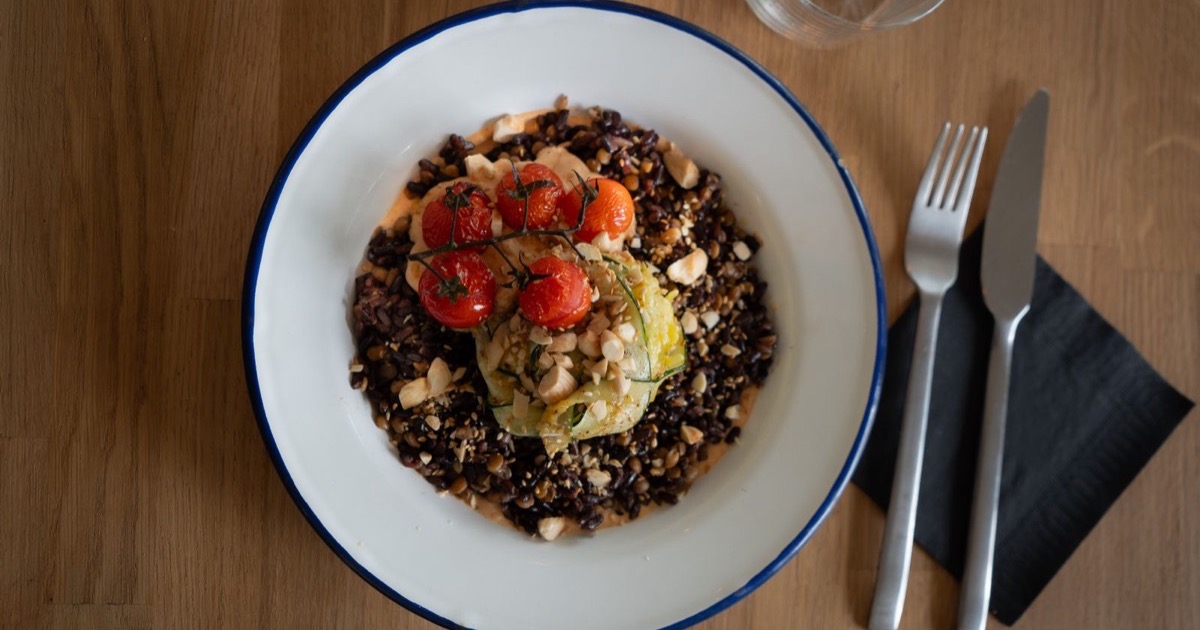

Welcome to the definitive Paris vegan restaurant guide for 2026, where the City of Light meets plant‑based innovation.
Welcome to the definitive Paris vegan restaurant guide for 2026, where the City of Light meets plant‑based innovation. From cobblestone cafés serving hearty bowls to Michelin‑starred venues redefining French gastronomy, this guide equips budget‑savvy travelers and luxury seekers alike with practical choices. Dive into the neighborhoods, discover hidden markets, and learn which dishes deserve a spot on your itinerary, all while staying true to a cruelty‑free palate.
Which vegan restaurants in Paris offer the best value for travelers on a budget?
Backpackers and students gravitate toward the Marais district, where several vegan bistros keep prices low without compromising flavor. One popular spot serves a rotating menu of falafel‑filled wraps, seasonal salads, and a daily “soup du jour” that changes with the market’s freshest produce. Expect most mains to sit comfortably under €12, and the casual atmosphere encourages lingering over a cup of fair‑trade coffee.
Further west, the 11th arrondissement hosts a compact burger joint known for its thick plant‑based patties, sweet potato fries, and a selection of homemade sauces. The menu is straightforward, making it easy to pair a burger with a locally brewed kombucha for under €10. A small but lively bar area often hosts vegan trivia nights, adding extra entertainment value to an already affordable meal.
For those craving French classics, a modest café near the Latin Quarter offers vegan versions of croque‑monsieur, quiche, and ratatouille, each prepared with organic tofu and dairy‑free cheese. Lunch specials are typically priced around €9, and the venue doubles as a community hub, offering flyers for nearby vegan cooking classes and information on the city’s best plant‑based grocery stores.
Where can I find upscale vegetarian fine dining experiences in Paris?
Luxury vegan dining in Paris blends meticulous technique with seasonal ingredients, often presented in sleek, minimalist settings. One acclaimed restaurant near the Champs‑Élysées curates a tasting menu that showcases French terroir through vegetable‑forward dishes, such as beetroot tartare with smoked almond crumble and a delicate mushroom consomme paired with a vegan Bordeaux. The price point reflects the craftsmanship, with tasting menus starting around €85 per person.
Another elegant option resides in the 7th arrondissement, where a chef known for reinterpreting traditional French cuisine offers a la carte choices like truffle‑infused cauliflower steak and a dairy‑free cheese platter sourced from artisanal producers across Europe. The wine list includes organic and biodynamic selections, and the sommelier can suggest vegan wine pairings that enhance the subtle flavors of each course.
For a more intimate setting, a boutique bistro tucked away in Saint‑Germain‑des‑Prés offers a refined plant‑based menu featuring dishes such as saffron‑scented risotto with black truffle shavings and a silky cashew‑based crème brûlée. The ambiance is accentuated by soft lighting and a curated art collection, making it a perfect venue for a romantic evening or a celebratory dinner.
| Restaurant | Price Range | Signature Dish | Atmosphere |
|---|---|---|---|
| Champs‑Élysées Tasting House | €85‑€120 | Beetroot Tartare with Smoked Almond Crumble | Modern, panoramic views |
| 7th Arrondissement Fine Dining | €70‑€110 | Truffle‑Infused Cauliflower Steak | Elegant, classic French décor |
| Saint‑Germain Boutique Bistro | €60‑€95 | Saffron Risotto with Black Truffle | Intimate, art‑filled space |
What are the must‑try plant‑based dishes unique to Parisian cuisine?
Parisian bakeries have embraced vegan pastries, offering flaky croissants made with plant‑based butter that rival their traditional counterparts. Pair one with a café au lait crafted from oat milk for a quintessential Parisian breakfast that respects a vegan lifestyle.
The city’s street food scene includes a popular stall serving “vegan socca,” a chickpea flour pancake seasoned with rosemary and sea salt, cooked on a hot stone and served hot. It’s a quick, satisfying snack that captures the spirit of French market fare while staying entirely plant‑based.
For a heartier experience, seek out a vegan “steak frites” at a dedicated bistro. The “steak” is typically crafted from seitan or soy, seasoned with classic French herbs, and accompanied by crisp, twice‑fried potatoes. A side of caramelized onions and a drizzle of mushroom jus complete the dish, delivering comfort without compromise.
Are there vegan bakeries in Paris that serve traditional French pastries?
Parisian patisseries have long been celebrated for buttery croissants, flaky pain au chocolat and delicate macarons. In recent years, a growing number of bakeries have embraced plant‑based techniques, replacing dairy and eggs with alternatives such as oat milk, aquafaba and vegan butter. The result is a menu that respects classic French techniques while offering fully vegan versions of beloved treats. Expect a crisp, layered croissant that retains its airy interior, a silky éclair filled with coconut‑based pastry cream, and a tart lemon tart where the curd is made from cashew and lemon juice. Many of these shops also label allergens clearly, making it easier for travelers with multiple dietary restrictions.
When choosing a bakery, consider both the quality of the pastries and the overall experience. Some locations focus on a minimalist, modern aesthetic that highlights the food, while others preserve the historic ambience of a traditional boulangerie. Prices typically range from €2 for a single croissant to €6 for a more elaborate dessert. Many bakeries also offer seasonal specials, such as a vegan galette des rois in January or a pumpkin‑spiced tart in the autumn months. Sampling a variety of items across a few establishments can provide a comprehensive view of how Paris is adapting its iconic pastries to vegan standards.
| Bakery | Signature Pastry | Price Range | Atmosphere |
|---|---|---|---|
| Vegan Pâtisserie de la Rue | Almond‑croissant | €3‑€5 | Bright, contemporary space with communal tables |
| Bio Boulangerie du Marais | Chocolate‑filled pain au chocolat | €2.5‑€4.5 | Classic French boulangerie feel, wooden benches |
| Le Petit Vegan | Lemon‑coconut éclair | €4‑€6 | Cozy café style, pastel décor |
How can I locate vegan‑friendly cafés near major tourist attractions in Paris?
Most visitors rely on digital tools to pinpoint plant‑based options within walking distance of landmarks. Mapping applications now include filters for “vegan” or “vegetarian,” allowing you to set a radius around sites such as the Eiffel Tower, Musée d’Orsay or Notre‑Dame. In addition, dedicated vegan guidebooks and community forums frequently update lists of cafés that cater to the diet, often rating them on factors like menu variety, Wi‑Fi availability and proximity to public transport. When planning a day of sightseeing, identify the attractions you will visit and then search for cafés that fall within a 10‑minute walk, ensuring you can refuel without deviating from your itinerary.
Physical signage can also be a clue. Many cafés display a small leaf or “V” symbol in their window, indicating at least a partial vegan offering. If you are near a museum district, look for cafés that advertise plant‑based milks for coffee, as this often signals a broader vegan menu. Finally, consider ordering a simple dish such as a avocado toast or a seasonal soup; these items are commonly available and can serve as a quick, satisfying meal while you explore the surrounding sights.
- Near the Eiffel Tower: a café on the Champ de Mars serving oat‑latte cappuccinos and vegan quiche.
- Close to the Louvre: a small bistro offering a chickpea‑based falafel wrap and fresh fruit bowls.
- Adjacent to Notre‑Dame: a riverside spot with vegan croissants and herbal teas.
- In the Montparnasse area: a modern café featuring plant‑based smoothies and grain‑based salads.
- Around the Sacré‑Cœur: a rooftop venue with vegan pancakes and seasonal jams.
- Near the Musée d’Orsay: a historic café that now includes a vegan cheese board and organic coffee.
- By the Centre Pompidou: a minimalist space offering avocado toast and cold‑pressed juices.
Which neighborhoods in Paris have the highest concentration of vegetarian eateries?
The Marais district stands out for its dense mix of vegetarian and vegan establishments. Its narrow streets host a variety of concepts, from upscale plant‑based bistros to casual sandwich shops. The area’s popularity among international travelers contributes to a competitive culinary scene, encouraging chefs to experiment with innovative meat‑free dishes while maintaining a distinctly French flavor profile. Walking through the Marais, you will encounter several options within a short block, making it easy to compare menus and atmospheres in a single afternoon.
Further north, the Canal Saint‑Martin neighborhood has emerged as a hotspot for eco‑conscious diners. The canal’s promenade is lined with cafés that prioritize organic ingredients and seasonal produce, many of which provide fully vegan menus. This area attracts a younger crowd, and its eateries often feature communal tables and a relaxed vibe. In addition to dedicated vegetarian spots, several traditional brasseries have added plant‑based plates to their offerings, reflecting a broader shift in the local dining culture.
On the Left Bank, the Latin Quarter maintains a strong presence of vegetarian-friendly cafés, largely due to its student population. The neighborhood’s historic streets are dotted with budget‑oriented options that serve hearty lentil stews, tofu‑based croque‑monsieur and a variety of fresh salads. The combination of affordable pricing and diverse menu choices makes the Latin Quarter an ideal destination for travelers seeking both convenience and authenticity in plant‑based French cuisine.
What are the best options for vegan brunches in Paris on a Sunday morning?
For a leisurely Sunday brunch that stays completely plant‑based, start at Wild & The Moon in the Marais. The menu blends cold‑pressed juices, avocado toast on sourdough, and a rotating selection of seasonal bowls. Their “Breakfast Power Bowl” combines quinoa, roasted sweet potato, kale, and a tahini‑lemon drizzle, delivering both flavor and sustenance. The airy, communal setting makes it easy to linger over coffee while watching the neighborhood wake up.
Another standout is VG Pâtisserie near the 9th arrondissement. Though primarily a bakery, its weekend brunch spread includes vegan croissants, almond‑milk lattes, and a hearty “Tofu Benedict” topped with a cashew‑based hollandaise. The pastries are crafted with plant‑based butter, giving them a flaky texture that rivals traditional French viennoiseries. Pair the dishes with a glass of organic orange juice for a bright start to the day.
If you prefer a more upscale vibe, head to Café Pinson in the 10th. Their brunch plate features a “Mushroom & Spinach Tart” made with a chickpea‑flour crust, alongside a chilled chia pudding topped with fresh berries. The interior is filled with natural light and indoor plants, creating a calm backdrop for a relaxed meal. All dishes are clearly marked as vegan, making ordering straightforward.
Can I find gluten‑free vegan meals at Paris restaurants and where?
Parisian chefs have responded to the dual demand for plant‑based and gluten‑free fare, and several neighborhoods now host dedicated spots. In the Latin Quarter, Le Potager de Charlotte offers a concise gluten‑free menu that includes a lentil‑based “Bolognese” served over rice pasta, as well as a seasonal vegetable terrine. Their kitchen is certified gluten‑free, so cross‑contamination is carefully avoided.
Near Canal Saint‑Martin, Hank Vegan Burger has introduced a gluten‑free bun option made from rice flour. The “Black Bean Deluxe” burger pairs the bun with a house‑made beetroot patty, avocado, and a tangy mustard sauce. The staff notes that the bun is prepared in a separate area to maintain strict gluten standards.
- Gentle Gourmet – offers a tasting menu with a dedicated gluten‑free vegan tasting; dishes include cauliflower “steak” and a pistachio‑scented sorbet.
- Cloud Cakes – a vegan patisserie that provides gluten‑free macarons, cupcakes, and a savory quiche made with chickpea flour.
- La Guinguette d’Angèle – a casual bistro serving a gluten‑free falafel bowl with quinoa, roasted vegetables, and a tahini drizzle.
- Le Tricycle – a street‑food stall near the Eiffel Tower that serves a gluten‑free corn‑tortilla taco filled with jackfruit and slaw.
- Merci – a boutique café in the Marais offering gluten‑free vegan soups and salads, with clear allergen labeling on every plate.
How do I navigate Paris public transport while carrying vegan food?
The Métro and RER systems are the fastest way to zip between neighborhoods, but space for food can be limited during rush hour. Carry a compact, insulated lunch bag that fits under the seat or in the front of a carriage. Reusable silicone containers seal tightly, preventing spills on seats or floors. If you’re traveling during peak times, consider boarding at the end of the train where there is more room for personal items.
Eating is officially allowed on most buses and on the newer MP 05/89 Métro trains, though many locals prefer to keep the carriage clean. To avoid any awkward looks, limit consumption to snacks such as fruit, nuts, or a small sandwich. Larger meals are best enjoyed at a nearby park or at one of the many “aires de repos” (rest areas) located at larger stations like Châtelet or Gare de Lyon, where benches and vending machines provide a convenient pause.
For those who plan to bring a full brunch or picnic to a museum or garden, the RER lines that serve outer districts (e.g., RER C to the Musée d’Orsay or RER A to Parc des Princes) have more spacious carriages with dedicated luggage racks. Buying a “carnet” of tickets in advance speeds up entry, and the contactless “Navigo” pass works across all modes, reducing the need to fumble with paper tickets while handling food.
What sustainable and ethical dining practices do Paris vegan restaurants follow?
Most vegan eateries in the capital prioritize locally sourced produce, often partnering with farms within a 50‑kilometre radius. Seasonal menus reduce the carbon footprint of transportation and storage, while organic certification is common among establishments that want to avoid synthetic pesticides. By emphasizing plant‑based proteins such as lentils, chickpeas, and beans, they lower water usage compared with animal‑based alternatives.
Zero‑waste policies are visible throughout the city’s vegan scene. Restaurants frequently use compostable containers, glass jars for take‑away sauces, and refill stations for staples like almond milk or oat yogurt. Many kitchens compost food scraps on‑site or collaborate with municipal compost programmes, turning waste into nutrient‑rich soil for urban gardens.
Staff training often includes education on allergen handling and vegan certification standards. Some venues display seals from recognised vegan societies, assuring diners that no hidden animal products are present. Ethical sourcing also extends to fair‑trade coffee, responsibly harvested seaweed, and cruelty‑free cosmetics used in open‑kitchen areas.
Are there vegan cooking classes or food tours available for visitors in Paris?
Several culinary schools and independent chefs offer hands‑on workshops focused on vegan French classics, from plant‑based pâté to dairy‑free croissants. Sessions typically last two to three hours and include a market visit to select fresh ingredients before returning to the kitchen for preparation and tasting. Beginners appreciate the step‑by‑step guidance, while more experienced cooks can explore advanced techniques such as vegan cheese ageing.
Guided food tours have expanded to cater specifically to plant‑based travellers. Small groups walk through neighbourhoods like Le Marais or Canal Saint‑Martin, stopping at bakeries, street‑food stalls, and upscale restaurants that highlight vegan menus. Tours are offered in English, French, and often Spanish, with options ranging from a single afternoon to a full‑day itinerary that includes a cooking demonstration.
For those seeking a deeper immersion, some providers combine a market tour with a cooking class, allowing participants to purchase their own produce and then prepare a complete meal under the chef’s supervision. Booking in advance is advisable during peak tourist seasons, and many programmes provide vegetarian alternatives for mixed‑diet groups.
Sources & Further Reading
Frequently Asked Questions
Is Paris considered a vegan‑friendly city for tourists?
Paris ranks among the most accommodating European capitals for plant‑based visitors. Over the past few years, the number of dedicated vegan restaurants has multiplied, and many traditional bistros now feature clearly marked vegan options. Public transportation and tourist information points frequently list vegan‑friendly venues, making it easy to plan meals without extensive research.
Do I need to speak French to order vegan meals in Paris restaurants?
While basic French phrases are helpful, most vegan establishments have English menus or bilingual staff. Even in mixed‑language settings, the word “vegan” (vegan) is widely understood, and servers are accustomed to explaining dishes. Carrying a small card with common vegan terms can smooth communication in quieter neighbourhood cafés.
What is the typical price range for a vegan meal in Paris?
Budget‑friendly vegan cafés often charge between €8 and €12 for a main course, while mid‑range spots range from €13 to €20. Fine‑dining vegan experiences can start around €30 and climb higher depending on the tasting menu and wine pairing. Prices are comparable to non‑vegan equivalents, reflecting the city’s overall cost of living.
Can I find vegan options at traditional French bistros in Paris?
Many classic bistros now list at least one vegan entrée, such as ratatouille, mushroom‑based terrines, or vegetable‑focused gratins. Chefs are increasingly willing to adapt dishes on request, substituting butter with olive oil or dairy cheese with plant‑based alternatives. It is advisable to ask the server for the “plat végétalien” to ensure no hidden animal products.
Are there any vegan food festivals or events happening in Paris this year?
Paris hosts several annual celebrations that spotlight plant‑based cuisine, including a spring vegan street market and a summer food festival dedicated to sustainable cooking. These events feature pop‑up stalls, cooking demonstrations, and panel discussions with chefs and activists. Checking the city’s cultural calendar a few months ahead provides the most up‑to‑date schedule.
How can I identify vegan dishes on a French menu?
Look for the term “vegan” (vegan) or the symbol of a leaf next to the dish name. Words such as “sans produits laitiers” (without dairy) or “sans œufs” (without eggs) indicate partial vegan suitability, but may still contain hidden animal ingredients like butter or stock. When in doubt, ask the staff to confirm that the preparation is completely free of animal products.
Do Parisian supermarkets carry a good selection of plant‑based products?
Major chains such as Monoprix, Carrefour, and Bio c’Bon stock a wide array of plant‑based milks, yogurts, cheeses, and meat alternatives. Dedicated health‑food stores expand the range with specialty items like fermented tofu, vegan pâtés, and cruelty‑free chocolate. Shelf‑life and packaging information are usually displayed in French, but icons and colour coding make navigation straightforward.
What tips help me stay within a budget while eating vegan in Paris?
Choose neighbourhood bakeries and street‑food vendors, which often offer filling vegan sandwiches for under €7. Shopping at local markets and preparing simple meals—such as a chickpea salad or a vegetable‑filled quiche—can reduce dining costs dramatically. many restaurants provide “plat du jour” options that are cheaper than à la carte selections.
By planning ahead, using public transport, and mixing self‑cooked meals with occasional restaurant visits, you can enjoy Paris’s rich culinary scene without straining your wallet. Keep an eye on seasonal produce and local promotions to make the most of each bite.
Reviewed by our editor for Europe
Marco BianchiEurope Editor
Europe travel writer focused on city culture, museums and historic routes across the continent.
More articles by Marco Bianchi →