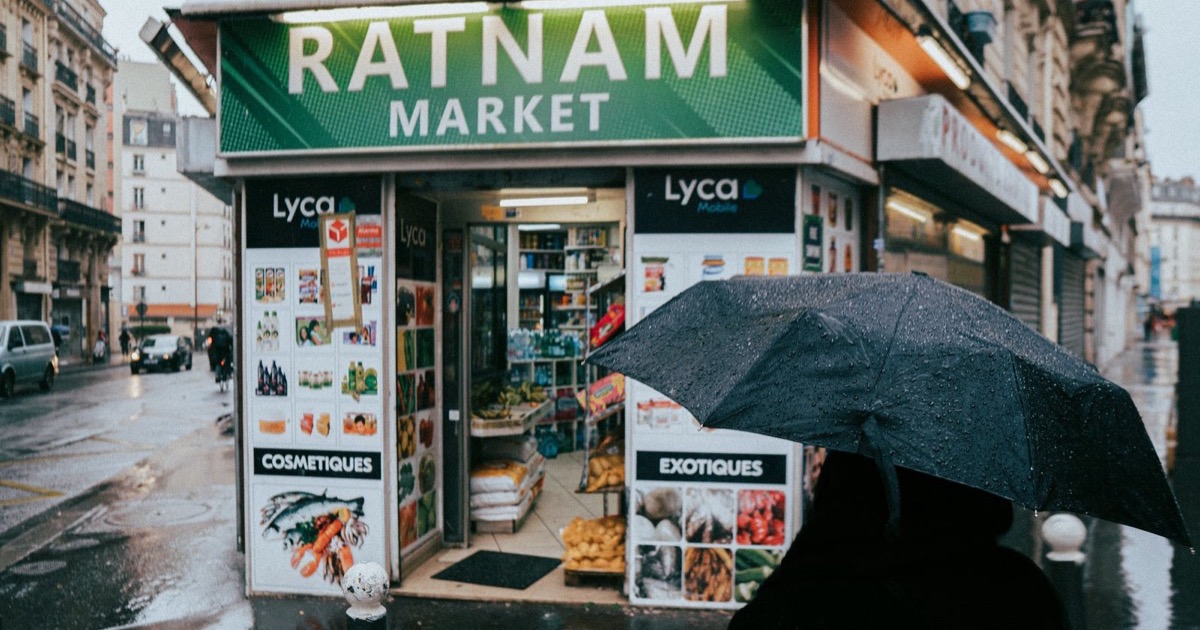

Paris offers a dazzling array of food markets where locals and visitors alike can sample fresh produce, regional specialties, and inventive street‑food creations.
Paris offers a dazzling array of food markets where locals and visitors alike can sample fresh produce, regional specialties, and inventive street‑food creations. This Paris local food markets guide highlights options for every wallet, from thrifty stalls to polished gourmet emporiums, and shows how to navigate the city’s public‑transport network to reach them. Whether you’re planning a quick snack between museums or a full‑day culinary expedition, the following sections will help you map out the most rewarding market experiences in 2026.
What are the must‑visit budget food markets in Paris?
For travelers watching their expenses, the Marché d'Aligre in the 12th arrondissement stands out as a bustling hub of affordable delights. Open daily except Mondays, the market blends a covered food hall with an open‑air flea market, offering everything from seasonal fruits and vegetables to inexpensive cheese and cured meats. Prices are consistently lower than in tourist‑heavy districts, and the lively atmosphere encourages friendly haggling.
Another wallet‑friendly option is the Marché des Enfants Rouges, the city’s oldest covered market, located in the Marais. Its modest stalls serve a mix of international street‑food dishes—Moroccan tagines, Japanese bento boxes, and classic French crêpes—at prices that rival local cafés. The market’s compact layout makes it easy to sample several dishes without spending a fortune.
For a true taste of Parisian daily life, head to the Marché Bastille on Thursdays and Sundays. The open‑air layout showcases a colorful selection of seasonal produce, fresh seafood, and bakery items. Because the market primarily serves neighborhood residents, you’ll often find farmers offering “prix du jour” discounts on ripe tomatoes, strawberries, or heirloom carrots.
Which Paris markets offer luxury gourmet products?
High‑end shoppers should explore the Marché Raspail, a weekly organic market that gathers certified bio producers from across France. Located near the Musée d’Orsay, the market’s emphasis on sustainable farming translates into premium quality fruits, vegetables, and artisanal cheeses that command higher price points but guarantee traceable origins.
The Marché Saint‑Quentin, tucked under the historic covered passages of the 10th arrondissement, blends traditional market stalls with boutique specialty shops. Here you’ll encounter imported truffles, aged foie gras, and a curated selection of fine wines and champagnes, all presented in an elegant, climate‑controlled environment.
For a refined blend of food and design, the Marché Saxe‑Buren on the Île de la Cité offers a curated roster of gourmet producers. The market’s limited vendor list focuses on premium items such as heritage pork, hand‑crafted pâtés, and small‑batch preserves, making it a favorite among chefs seeking inspiration.
| Market | Luxury Focus | Typical Products | Price Range |
|---|---|---|---|
| Marché Raspail | Organic, sustainable | Bio fruits, vegetables, artisanal cheese | €3‑€12 per kg |
| Marché Saint‑Quentin | Gourmet & specialty | Truffles, foie gras, fine wines | €15‑€80 per kg |
| Marché Saxe‑Buren | Curated premium | Heritage pork, pâtés, preserves | €10‑€50 per kg |
How can I reach Paris food markets using the metro or bus?
Most major markets are conveniently situated near metro stations, allowing you to hop on a line and arrive within minutes. The Marché d'Aligre is a short walk from the Aligre (stop on line 5) and the Ledru‑Rollin (stop on line 8). A single ticket covers the entire journey, and the stations are equipped with elevators for easy luggage handling.
To get to the Marché des Enfants Rouges, take line 1 to Saint‑Paul or line 8 to Filles du Calvaire; both exits place you directly on the market’s Rue de Beauvais. The market’s central location also makes it accessible via several bus routes, including the 57 and 69, which stop at nearby intersections.
For the upscale Marché Saint‑Quentin, the closest metro stop is Gare de l’Est (on lines 4 and 5). From there, a brief walk along Rue du Faubourg Saint‑Martin leads you to the covered hall. Bus 31 and 46 serve the same corridor, offering an alternative for those preferring surface transport.
When is the best time of day to shop at Paris’s farmers markets?
Most Paris farmers markets open early, typically between 7 a.m. and 8 a.m., and close around 1 p.m. If you arrive at the first stall, you’ll encounter the peak of freshness: vegetables are still crisp from the night’s harvest, and fishmongers have just received the day’s catch. Early visits also mean shorter lines, which is especially helpful when you’re navigating the market with a small budget.
Mid‑morning, around 10 a.m., the atmosphere changes. Vendors begin to restock popular items, and the selection of baked goods expands as boulangeries bring out fresh baguettes and pastries. This window is ideal for tasting a variety of products without the rush of the opening crowd, and it aligns well with the opening hours of many luxury food markets that schedule specialty demonstrations later in the morning.
By early afternoon, the stalls start to wind down. While some items may be less abundant, you’ll find discounted produce and cheese that vendors are eager to move before closing. This period suits travelers who prefer a more relaxed pace and are looking for budget‑friendly deals.
| Time of Day | Product Freshness | Crowd Level | Ideal Purchases |
|---|---|---|---|
| Early Morning (7‑9 a.m.) | Peak freshness; just harvested | Low to moderate | Seasonal veg, fish, artisan breads |
| Mid‑Morning (9‑11 a.m.) | Very fresh; restocked | Moderate | Cheeses, charcuterie, pastries |
| Late Morning (11 a.m.–1 p.m.) | Good, but some items may be reduced | Higher | Discounted produce, last‑minute snacks |
What local specialties can I find at traditional Paris markets?
Paris markets are a showcase of regional flavors that have shaped French cuisine for centuries. Walking through the stalls, you’ll encounter a curated selection of items that reflect both the city’s culinary heritage and contemporary trends. From the creamy depths of Normandy cheese to the bright tang of Provençal olives, each product tells a story of terroir and tradition.
Many vendors focus on artisanal preparation, offering small‑batch items that you won’t see in standard supermarkets. This emphasis makes the markets a prime destination for those seeking authentic taste experiences, whether you’re planning a picnic along the Seine or a home‑cooked dinner. The range spans budget‑friendly staples to high‑end delicacies, ensuring that every palate can find something memorable.
- Camembert and other soft cheeses from Normandy, often sold with a slice of fresh baguette.
- Charcuterie selections such as saucisson sec, pâté de campagne, and rillettes, perfect for a quick snack.
- Seasonal fruit, especially strawberries in spring and apples in autumn, sourced from nearby orchards.
- Freshly baked baguettes and pain aux raisins, delivered to the market by local boulangeries each morning.
- Escargot prepared with garlic‑herb butter, a classic French delicacy.
- Artisan macarons in a spectrum of flavors, ranging from traditional pistachio to inventive matcha.
- Olives and tapenades from the south of France, often accompanied by rosemary‑infused olive oil.
Are there any evening or night food markets in Paris?
While most traditional markets close by early afternoon, the city’s culinary scene has embraced evening concepts that cater to night‑time explorers. Seasonal pop‑up markets appear in neighborhoods such as the Marais and Canal Saint‑Martin, offering street‑style stalls that serve everything from gourmet crêpes to international street food. These events usually run from 6 p.m. until midnight, providing a lively backdrop for after‑dinner drinks.
In addition, several luxury food markets host curated tasting evenings where chefs demonstrate the use of premium ingredients like truffle, foie gras, and rare oysters. These gatherings often include wine pairings and are advertised as exclusive experiences within the best Paris markets 2026. Reservations are typically required, and the price point reflects the upscale nature of the offerings.
For travelers on a tighter budget, there are also community‑run night markets that focus on affordable, locally sourced fare. Vendors set up tables with simple dishes such as falafel wraps, grilled corn, and seasonal salads. These markets are a great way to discover where to eat at Paris markets after dark without breaking the bank.
How do Paris food markets change with the seasons?
Spring awakens the stalls of Marché des Enfants Rouges and Marché d'Aligre with an abundance of tender asparagus, early strawberries, and fresh herbs such as chervil and sorrel. Vendors often showcase locally‑grown goat cheese paired with these new greens, and the scent of blooming flowers drifts through the aisles, making the experience feel especially lively.
Summer brings a riot of colour at Marché Bastille, where tomatoes, zucchini, and heirloom peppers dominate the displays. Ice‑cream carts and chilled rosé appear alongside the produce, and many stalls add seasonal specialties like chilled gazpacho or watermelon salads. This period also sees a surge in street‑food stalls offering grilled fish, crêpes, and fresh fruit smoothies, perfect for a quick bite between market visits.
Autumn shifts the focus to heartier items: pumpkins, chestnuts, and a variety of mushrooms appear at the larger markets, while the scent of freshly baked baguettes and roasted chestnuts fills the air. Vendors often promote locally sourced game and duck confit, reflecting the French tradition of preparing richer dishes as the weather cools. Winter markets, though smaller, highlight root vegetables, citrus fruits, and artisanal preserves, and many stalls offer warming drinks such as mulled cider or spiced hot chocolate.
What tips help me haggle and save money at Paris markets?
Negotiating prices is acceptable at many open‑air markets, especially when buying in bulk or purchasing items that are close to the end of the day’s display. Approach the stall with a friendly smile, and ask politely if the price can be reduced for a larger quantity. Vendors appreciate respectful conversation and are often willing to adjust their rates.
Timing also influences the likelihood of a discount. Arriving early ensures the best selection, while visiting late in the afternoon can yield lower prices as sellers aim to clear remaining stock. Keep a few euros in small denominations to make exact change, which can smooth the transaction.
- Buy seasonal produce; it is cheaper and fresher than out‑of‑season imports.
- Combine purchases of complementary items (e.g., cheese and bread) and request a bundle price.
- Show genuine interest in the vendor’s story; personal connection often leads to a better deal.
- Carry a reusable bag; some stalls offer a small discount for reducing waste.
- Compare prices across nearby stalls before committing; competition keeps prices reasonable.
- Ask if the vendor has a “day‑end” discount for items that will not be sold later.
- Pay in cash rather than card; many small sellers prefer cash and may lower the price slightly.
Which markets are best for organic and vegan options in Paris?
For shoppers focused on organic produce, Marché Biologique des Batignolles offers a dedicated selection of certified organic fruits, vegetables, and pantry staples. The market’s layout groups items by category, making it easy to locate seasonal greens, heirloom tomatoes, and ethically sourced legumes. Vendors often provide information about farming practices, allowing buyers to make informed choices.
Vegan travelers will find a strong presence at Marché d'Aligre, where several stalls specialize in plant‑based cheeses, nut‑based spreads, and freshly made falafel. The market’s proximity to the historic Les Halles district means a variety of vegan street‑food vendors operate nearby, serving items such as vegan crêpes, tofu‑filled baguettes, and seasonal fruit tarts.
Another noteworthy location is the Marché des Enfants Rouges, which has embraced the growing demand for plant‑based options. Here, you can locate stalls offering organic tofu, tempeh, and a rotating menu of vegan soups that reflect the season’s harvest. The market’s intimate atmosphere encourages conversations with producers, often leading to recommendations for nearby organic bakeries or vegan-friendly cafés.
Is it safe for tourists to shop at Paris’s food markets?
Paris’s open‑air markets are generally well‑patrolled and benefit from a strong police presence, especially in the larger venues such as Marché d’Aligre and Marché des Enfants Rouges. Vendors are accustomed to international visitors, and most stalls keep their produce covered or refrigerated, reducing the risk of spoilage or contamination. As with any crowded public space, keep an eye on personal belongings, use a bag that closes securely, and avoid leaving valuables unattended while you sample cheese or pastries.
Food safety standards in France are strict, and market sellers must comply with hygiene inspections carried out by the city’s health department. Look for signs indicating that a stall has passed recent checks; these are typically displayed near the cash register. If you have concerns about a particular item—such as raw fish or unpasteurized dairy—don’t hesitate to ask the vendor about its origin, storage conditions, and the date it was delivered.
What else should travelers know about Paris?
Public transportation remains the fastest way to move between markets, with most major sites reachable within a 10‑ to 20‑minute metro ride. Purchasing a carnet of ten tickets or a weekly Navigo pass can save both time and money, and many stations now feature contactless turnstiles that accept bank cards. If you prefer to explore on foot, wear comfortable shoes; cobblestone streets can be uneven, especially after rain.
Paris’s climate in 2026 continues to show a mild spring and early autumn, making these seasons ideal for market visits. Pack a reusable water bottle and a lightweight rain jacket, as sudden showers are common. Finally, remember that many markets close for a short lunch break, typically between 12:30 pm and 2:00 pm, so plan your itinerary accordingly to avoid missing your favorite stalls.
Sources & Further Reading
Frequently Asked Questions
Do I need cash to shop at Paris food markets?
While an increasing number of vendors accept contactless cards and mobile payments, cash remains the most universally accepted method, especially at smaller or family‑run stalls. It’s wise to carry a modest amount of euros for purchases that require exact change, such as fresh baguettes or individual pastries. Having cash also speeds up transactions, allowing you to spend more time sampling and less time waiting at the register.
What are the opening days and hours for the most popular Paris markets?
Most of the city’s major markets operate six days a week, closing on Mondays or Tuesdays depending on the location. Typical hours run from early morning—around 7 am—to early afternoon, with many stalls winding down by 2 pm. Some specialty markets, like those focusing on organic produce, may open later in the morning and stay open until dusk during the summer months.
Can I find gluten‑free or allergy‑friendly foods at Paris markets?
Vendors increasingly label products that are gluten‑free, dairy‑free, or nut‑free, reflecting growing consumer demand. Look for dedicated sections or ask stallholders directly; many will gladly point you to safe options or even prepare a custom order. If you have a severe allergy, it’s prudent to carry a small card in French describing your restriction, as language barriers can sometimes lead to misunderstandings.
How far in advance should I arrive to avoid crowds at popular markets?
Arriving early—ideally before 8 am—offers the best chance of navigating the aisles without large crowds and securing the freshest items. The first wave of shoppers usually consists of locals buying ingredients for the day’s meals, so you’ll find peak selection and lower prices. If you prefer a more relaxed atmosphere, aim for the mid‑afternoon window after the lunch rush, when the market is quieter but some stalls may have already closed.
Are there guided tours that focus on Paris’s food markets?
Several local tour operators offer half‑day excursions that combine market visits with culinary tastings and cooking demonstrations. These tours typically include a knowledgeable guide who explains the history of each market, introduces you to seasonal specialties, and helps you navigate language nuances when ordering. Booking in advance is advisable, especially during peak tourist seasons, to guarantee a spot.
What etiquette should I follow when shopping at a Paris market?
Politeness goes a long way: greet vendors with a simple “Bonjour” or “Bonsoir” before asking about products. Avoid touching items that are clearly marked as “display only,” and use a clean bag or basket for any purchases. If you’re sampling food, keep the portion small, thank the seller, and move on promptly to allow others a chance to try.
Do Paris markets accept credit cards or only cash?
Credit and debit cards are accepted at most larger stalls, particularly those selling prepared foods or higher‑priced items like seafood. However, many smaller vendors still rely on cash, so it’s wise to have both options available. Contactless payments have become more common after recent upgrades to payment terminals across the city.
Which Paris markets are best for buying fresh seafood?
For the freshest catch, head to the markets located near the Seine’s banks, such as Marché d’Aligre’s fish section or the market at Quai de la Rapée. These venues receive daily deliveries from coastal suppliers, and you’ll find a range of fish, shellfish, and crustaceans displayed on ice. Ask the fishmongers for recommendations on preparation methods; many are happy to share quick cooking tips.
How can I identify the freshest produce at a Paris market?
Look for bright, firm colors and a crisp texture; leaves should be unblemished, and fruits should feel heavy for their size. Vendors often arrange the newest arrivals at the front of the stall, so start there. If you’re unsure, ask the seller when the produce was delivered and whether it has been stored in a temperature‑controlled environment.
Are there any markets that specialize in artisanal cheese and charcuterie?
Yes, several markets feature dedicated cheese and charcuterie sections where independent artisans showcase regional specialties. Notable examples include the cheese hall at Marché des Enfants Rouges and the charcuterie rows at Marché d’Aligre. Stallholders are usually passionate about their products and can guide you through tasting notes, pairing suggestions, and proper storage techniques.
When you finish your market tour, take a moment to enjoy a coffee at a nearby café and watch the neighborhood’s rhythm. This simple pause lets you absorb the atmosphere and plan your next culinary adventure in the city.
Reviewed by our editor for Europe
Marco BianchiEurope Editor
Europe travel writer focused on city culture, museums and historic routes across the continent.
More articles by Marco Bianchi →