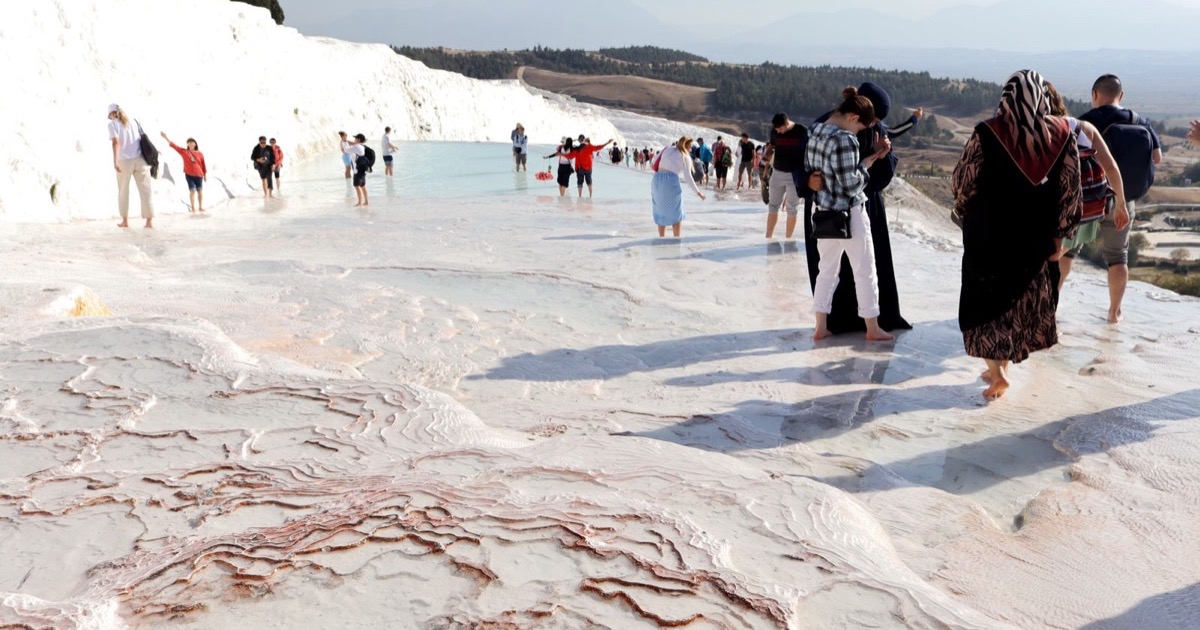

Adventure seekers who follow the latest Pamukkale white terraces guide discover a landscape that feels almost otherworldly.
Adventure seekers who follow the latest Pamukkale white terraces guide discover a landscape that feels almost otherworldly. The stark white calcite terraces cascade over the hillside, fed by mineral‑rich thermal spring water that has been forming for millennia. As a UNESCO World Heritage site, Pamukkale blends natural wonder with the ancient ruins of Hierapolis, offering a blend of geology, history, and active recreation. This 2026 overview highlights why the Cotton Castle draws explorers from every corner of the globe.
What makes Pamukkale’s white terraces a must‑see for adventure travelers?
The terraces themselves are a product of calcium‑laden water that emerges from the earth at temperatures between 35 °C and 100 °C, then cools and deposits travertine layers. Walking across the shallow basins feels like stepping on polished marble, while the surrounding cliffs reveal a network of natural mineral pools that change hue with the sun’s angle. For hikers, the contrast between the bright terraces and the rugged limestone of the nearby cliffs creates a dynamic visual that is especially striking during the early morning and late afternoon.
Beyond the geological spectacle, the site sits atop the ancient city of Hierapolis, a Roman‑era spa town whose marble columns and well‑preserved theatre overlook the terraces. Exploring the ruins adds a cultural dimension that many adventure itineraries overlook, turning a day trip into a multi‑layered experience. The combination of thermal pools, historic arches, and the chance to trek along the ancient stone pathways satisfies the curiosity of travelers who crave both physical activity and a sense of stepping back in time.
From a practical standpoint, Pamukkale’s accessibility makes it a hub for eco‑friendly activities. The surrounding plateau offers marked trails for mountain biking, bird‑watching spots for migratory species, and designated zones where visitors can practice low‑impact photography. The site’s management has introduced boardwalks that protect the delicate calcite surfaces while allowing explorers to get close enough to feel the warm mist on their skin.
How can I experience sunrise yoga on the white terraces responsibly?
Sunrise yoga sessions have become a popular eco‑friendly sunrise yoga offering on the terraces, drawing groups that value mindfulness in a natural setting. To keep the experience sustainable, organizers require participants to arrive before the first light, use biodegradable mats, and limit group size to preserve the integrity of the boardwalks. Booking through certified local operators ensures that a portion of the fee supports terrace maintenance and the preservation of the Hierapolis archaeological zone.
When choosing a session, consider the following factors: the exact location on the terraces (upper vs. lower platforms), the type of instruction (guided meditation vs. vigorous flow), and the environmental guidelines each provider follows. Early‑season mornings in May typically provide clear skies and moderate temperatures, making them ideal for a comfortable practice without the heat that arrives later in the summer.
| Option | Location | Group Size | Eco‑Policy | Typical Cost (USD) |
|---|---|---|---|---|
| Guided Flow | Upper platform, near the main boardwalk | 10‑12 | Biodegradable mats, no plastic bottles, proceeds to terrace upkeep | 30‑40 |
| Meditation Sunrise | Lower basin, quieter corner | 6‑8 | Reusable mats, waste‑free, volunteer‑led cleanup | 20‑30 |
| Private Session | Custom spot on the terraces (subject to permit) | 1‑4 | All eco‑requirements same as group, plus optional tree‑planting donation | 80‑120 |
Regardless of the option you select, respect the boardwalks by staying on designated paths and avoid stepping onto the bare travertine. Carry a refillable water bottle, and dispose of any waste in the collection points provided near the visitor center. By following these guidelines, you contribute to the long‑term preservation of the site while enjoying a serene start to the day.
When is the best time of year to visit Pamukkale’s thermal pools in 2026?
Climate data for Pamukkale weather 2026 indicates that the region experiences mild winters, hot summers, and a brief rainy period in late winter. The most favorable window for the thermal pools runs from late April to early June, when daytime temperatures hover between 20 °C and 28 °C. During this period, the water retains its therapeutic warmth while the air remains comfortable for extended outdoor activity.
July and August bring temperatures that often exceed 35 °C, which can make the open‑air pools feel overly hot, especially for those who prefer a gentle soak rather than a quick dip. If you plan to combine pool time with hiking or exploring the Hierapolis ruins, the cooler shoulder months of September and October provide a balanced climate and fewer crowds, allowing for a more relaxed pace.
Travelers aiming for a low‑impact visit should also consider the seasonal flow of tourists. The peak summer months attract large groups, which can increase strain on the boardwalks and surrounding ecosystems. By targeting the shoulder seasons, you benefit from shorter lines at the visitor center, more availability at Pamukkale accommodation options, and a greater chance to engage with local guides who can share up‑to‑date Pamukkale travel tips 2026.
What are the top eco‑friendly activities near Pamukkale’s white terraces?
Morning light casts a gentle glow over the travertine steps, making it an ideal backdrop for a low‑impact yoga session. Local operators now offer sunrise yoga classes that begin before the first visitor crowds arrive. Participants roll out biodegradable mats, follow a guided flow that respects the fragile surface, and conclude with a brief meditation that encourages mindfulness of the surrounding geology.
For those who prefer to stay on solid ground, the nearby Göynük Canyon presents a series of guided hikes that emphasize “leave no trace” principles. Trails are marked with reclaimed wood signs, and guides provide insight into native flora such as the endemic Anatolian thyme. Water‑sipping stations are stocked with filtered water, eliminating the need for single‑use plastic bottles.
A third option is the eco‑kayak excursion on the Kızıldere River. Small, electric‑assist kayaks glide silently through the clear water, allowing paddlers to observe birdlife without disturbing habitats. All equipment is maintained with biodegradable cleaning agents, and the route avoids sensitive nesting zones.
| Activity | Primary Eco Feature | Typical Duration | Best Season (2026) |
|---|---|---|---|
| Sunrise Yoga on Terraces | Biodegradable mats, limited group size | 1 hour | April‑October |
| Göynük Canyon Hike | Leave‑no‑trace signage, reusable water stations | 2‑3 hours | May‑September |
| Eco‑Kayak on Kızıldere | Electric assist, biodegradable cleaning | 1‑2 hours | June‑August |
How do I purchase tickets and avoid crowds at Pamukkale’s UNESCO site?
The official ticket portal now supports a “skip‑the‑line” option that reserves a timed entry slot. Selecting a slot early in the morning—between 07:00 and 08:30—offers the quietest experience, as most tour groups arrive later. The platform also allows travelers to bundle a museum pass with the terrace entry, reducing the number of separate transactions.
Another strategy is to take advantage of the off‑season discount period, which runs from late November through early March. During these months, visitor numbers drop dramatically, and the site remains fully accessible. Although water temperature in the thermal pools is cooler, many travelers appreciate the reduced foot traffic and the chance to photograph the terraces without background movement.
- Book the timed entry directly through the official website rather than third‑party vendors.
- Choose the earliest available slot; mornings are consistently less crowded.
- Travel during the shoulder months of May or September for moderate weather and lighter crowds.
- Combine the terrace ticket with the Hierapolis Museum pass to streamline entry.
- Use the “digital ticket” option on your smartphone to avoid paper handling.
- Arrive at least 15 minutes before the scheduled time to allow for security checks.
- Consider a guided “early‑bird” tour that begins at opening and includes a brief orientation.
Which nearby ruins and attractions can I combine with a visit to Pamukkale?
Just a short walk downhill lies the ancient city of Hierapolis, a sprawling archaeological complex that includes a well‑preserved theater, a massive necropolis, and the famed “Plutonium”—a natural gas vent that was once believed to have healing properties. The site is part of the same UNESCO designation, so a single ticket grants access to both the terraces and the ruins.
Further along the main road, the ancient settlement of Laodicea offers a glimpse into a once‑prosperous Roman trading hub. Highlights include the marble stadium, the agora, and a series of water‑distribution channels that illustrate sophisticated engineering. Laodicea is reachable by a 20‑minute bus ride, making it a convenient half‑day addition to a Pamukkale itinerary.
For a change of pace, the Aphrodisias Museum, located about an hour’s drive south, houses marble sculptures and inscriptions from the city dedicated to the goddess Aphrodite. The museum’s modern exhibition spaces are designed with energy‑saving lighting and climate control, aligning with the region’s growing emphasis on sustainable tourism.
What are the recommended hiking routes around the white terraces?
One of the most rewarding ways to experience Pamukkale’s landscape is to follow the marked trails that wind above the calcite terraces and descend toward the ancient city of Hierapolis. The “Upper Ridge Loop” begins at the main visitor entrance, climbs gently along a limestone ridge, and offers panoramic views of the cascading pools. Along the way, interpretive signs explain the geological process that creates the thermal spring water’s milky sheen. The loop returns to the starting point via a shaded path that passes a series of natural mineral pools, providing a cool contrast on warm days.
A second popular option is the “Thermal Valley Trail,” which starts near the lower terraces and follows the natural drainage channel that once fed the historic baths of Hierapolis. Hikers encounter remnants of Roman cisterns, stone steps carved into the travertine, and occasional bursts of steam from underground vents. The trail is relatively flat, making it suitable for early‑morning walks when Pamukkale weather 2026 is typically mild and the light is soft. For those seeking a longer trek, the “Cotton Castle Ridge to Karahayit” route adds a climb to the nearby red‑colored hot springs, creating a contrast between the white terraces and the iron‑rich waters of Karahayit.
How can I capture the perfect photos of Pamukkale’s cotton‑castle landscape?
Timing and composition are the two pillars of successful photography at this UNESCO site. The first light of sunrise casts long shadows across the terraces, highlighting the intricate patterns formed by centuries of mineral deposition. Position yourself on the western overlook a few minutes before the sun breaks the horizon; the warm glow will illuminate the white travertine without washing out its texture. Midday visits can still produce striking images if you focus on the interplay between the turquoise pools and the surrounding limestone cliffs, using a polarizing filter to reduce glare.
Lens choice also influences the story you tell. A wide‑angle lens captures the sweeping scale of the terraces, while a medium‑telephoto lens isolates individual basins and reveals the delicate ripples caused by thermal spring water. Keep an eye on the weather forecast—light rain can enhance the reflective surface of the pools, adding depth to your shots. Finally, respect the preservation guidelines; stay on designated walkways to protect the fragile calcite formations and avoid disrupting other visitors.
- Arrive at least 30 minutes before sunrise to secure a clear view of the horizon.
- Use a tripod for stability during low‑light conditions and to enable longer exposures.
- Incorporate foreground elements such as stone steps or wooden railings to add scale.
- Experiment with black‑and‑white conversion to emphasize texture over color.
- Take advantage of the occasional mist from the hot springs to create atmospheric layers.
- Respect signage that limits access to certain pools to preserve the natural mineral pools.
- Review your images on the camera’s LCD screen and adjust exposure if the whites appear blown out.
Where can I stay for easy access to Pamukkale’s terraces and sunrise sessions?
Accommodations that sit within a short walking distance of the main entrance provide the most convenient base for early‑morning activities. Many boutique guesthouses occupy restored stone buildings that blend modern comforts with traditional Turkish architecture, offering terraces that overlook the white slopes. Selecting a room on the upper floor often grants an unobstructed view of the sunrise, eliminating the need for a separate commute.
If you prefer a larger property, several mid‑range hotels feature on‑site spas that reuse the same thermal spring water found in the natural pools, allowing guests to extend the experience after a day of hiking. These establishments typically include shuttle services that run at dawn and dusk, timing departures to align with the sunrise yoga sessions that have become popular in 2026. Booking during the shoulder seasons—late spring or early autumn—usually results in lower occupancy, making it easier to request a room with a terrace or a quiet garden spot for sunrise contemplation.
What safety tips should I follow when swimming in Pamukkale’s mineral pools?
Begin each visit by checking the posted temperature gauge; water can reach 38 °C (100 °F) in midsummer and may be too intense for prolonged exposure. If you feel light‑headed or notice skin irritation, step out immediately and hydrate with fresh water. The terraces are built on a limestone slope, so the surfaces become slick when wet—wear non‑slip sandals or water shoes and avoid running along the edges.
Children under ten should be supervised at all times, as the shallow basins can hide sudden drop‑offs. Many pools have a maximum occupancy sign; respect it to prevent overcrowding, which can increase the risk of slips. Refrain from diving or performing flips; the water depth varies and the travertine edges are fragile.
Before entering, shower briefly with the provided cold‑water taps. This removes oils and helps the mineral layers stay intact, protecting both the terraces and your skin. If you have open cuts, eczema, or a recent sunburn, skip the soak—high mineral concentrations can sting and delay healing.
How does the water’s mineral composition affect the terraces and my skin?
The springs that feed Pamukkale are rich in calcium carbonate, magnesium, and sulphate ions. As the hot water cascades over the slope, carbon dioxide escapes, causing the calcium carbonate to precipitate and form the iconic white travertine terraces. Over centuries, this natural process has built the step‑like pools that attract visitors from around the globe.
When you bathe, the mineral‑laden water acts as a gentle exfoliant, loosening dead skin cells and leaving a smoother surface. Some travelers report a temporary tightening sensation, which is typical of calcium‑rich baths. To avoid dryness, rinse with fresh water after your soak and apply a light moisturizer. Those with sensitive skin or respiratory conditions should limit their time, as inhaling mineral vapors can provoke irritation.
Sources & Further Reading
Frequently Asked Questions
Is it safe to swim in Pamukkale’s white terraces?
Yes, the pools are designed for public bathing, but safety depends on following local guidelines. Observe temperature signs, stay within designated swimming zones, and keep an eye on personal limits. The water’s mineral content is generally harmless, though individuals with open wounds or severe skin conditions should avoid contact.
Do I need to bring my own yoga mat for sunrise sessions?
Most eco‑friendly sunrise yoga organizers provide biodegradable mats on a first‑come, first‑served basis. Bringing a personal mat is optional and appreciated if you prefer a specific thickness or material, but it is not required for participation.
How long does a typical visit to Pamakkale’s terraces take?
A comfortable itinerary includes a brief walk along the terraces, a 20‑minute soak, and time for photos, totaling about two hours. If you add a guided tour of the nearby ruins, plan for three to four hours to avoid feeling rushed.
Are there any age or health restrictions for entering the thermal pools?
Visitors under five are generally discouraged from entering the pools due to safety concerns. People with cardiovascular problems, severe hypertension, or recent surgeries should consult a physician before bathing, as the warm mineral water can affect circulation.
Can I visit Pamukkale in a single day from nearby cities?
Yes, day trips from Denizli, Selçuk, or Afyon are common, with regular buses departing early in the morning and returning late afternoon. A well‑planned schedule allows you to experience the terraces, the ancient city of Hierapolis, and a quick lunch without overnight accommodation.
What are the ticket prices for adults and children in 2026?
In 2026 the standard adult entry fee is modest, while children under twelve receive a reduced rate. Prices are adjusted annually for maintenance, so checking the official site or local ticket office before arrival ensures you have the latest figures.
Are there guided tours that include both the terraces and Hierapolis?
Many local operators offer combined tours that cover the travertine pools, the well‑preserved Roman theater, the ancient necropolis, and the thermal baths within Hierapolis. These tours typically include a knowledgeable guide, entrance fees, and optional transportation from nearby towns.
What is the best time of day for photography at Pamukkale?
Early morning, just after sunrise, provides soft, angled light that highlights the terraces’ texture without harsh shadows. Mid‑day can cause glare on the white surfaces, while late afternoon offers warm tones but more crowds. Planning a quick shoot at dawn often yields the most striking images.
How do I get to Pamukkale using public transportation?
The nearest major hub is Denizli Airport, which connects to several domestic cities. From Denizli, frequent minibusses (dolmuş) run to Pamukkale’s entrance, taking roughly 30 minutes. Alternatively, regional trains stop at Pamukkale Station, a short walk from the main visitor area.
Are there any vegan or vegetarian dining options near the terraces?
Several cafés and small restaurants around the site cater to plant‑based diets, offering dishes such as lentil soup, grilled vegetables, and fresh fruit salads. Menu boards typically indicate vegan choices, and staff are accustomed to accommodating dietary preferences.
Plan your arrival early, stay hydrated, and respect the delicate environment to make the most of Pamukkale’s unique blend of natural wonder and ancient history. A mindful approach ensures both personal safety and the preservation of this remarkable landscape for future explorers.
Plan your trip
Book Istanbul attraction tickets
Skip-the-line tickets and guided tours for Istanbul's top sights, with mobile tickets and flexible cancellation.
See tickets on TiqetsWe may earn a commission from bookings made through this link, at no extra cost to you.
Reviewed by our editor for Türkiye & the Eastern Mediterranean
Elif DemirTürkiye & Eastern Mediterranean Editor
Travel writer covering Türkiye and the Eastern Mediterranean, from Istanbul's old city to the Aegean coast.
More articles by Elif Demir →