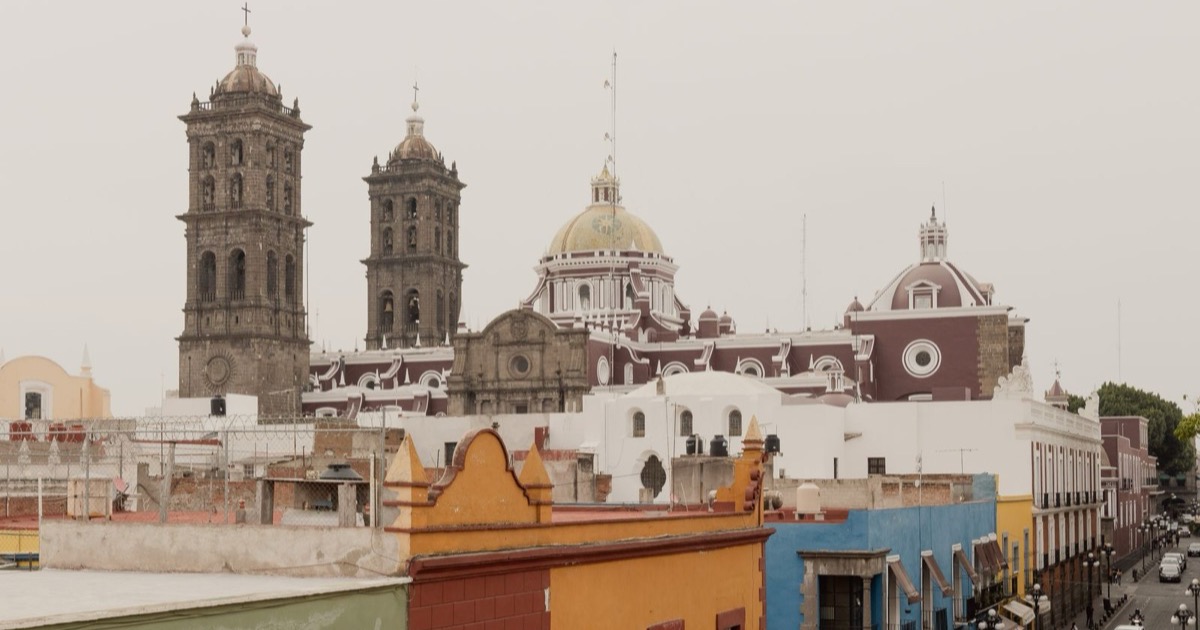

Planning a Mexico City Puebla day trip gives you the chance to contrast two of central Mexico’s most dynamic urban landscapes in a single outing.
Planning a Mexico City Puebla day trip gives you the chance to contrast two of central Mexico’s most dynamic urban landscapes in a single outing. From the sprawling capital’s museums and markets to Puebla’s baroque churches and culinary legacy, the journey packs diverse experiences into a manageable timeframe. This guide breaks down the practical choices, travel times, and must‑see sites so you can decide which itinerary aligns with your interests and budget.
What are the main differences between a Mexico City day trip and a Puebla day trip?
A Mexico City day trip typically focuses on neighborhoods that are easily reached by metro or short taxi rides, such as the historic center, Coyoacán, or the modern art district of San Juan Los Ángeles. The emphasis is on urban museums, contemporary galleries, and street food stalls that showcase the capital’s eclectic culture. Because the city’s attractions are densely packed, you can often visit three or four sites without leaving the metropolitan area.
In contrast, a Puebla day trip takes you out of the megacity and into a smaller, more compact colonial town where the layout is designed around a central plaza. The highlight is the concentration of UNESCO‑listed baroque architecture, such as the Puebla Cathedral and the Rosary Chapel, which can be explored on foot within a few hours. The journey also includes a stop in nearby Cholula, where the world’s largest church‑filled pyramid adds an archaeological dimension that you rarely find in a Mexico City‑only itinerary. The shift from a sprawling metropolis to a historic town changes the rhythm of the day, allowing for a deeper dive into regional traditions and regional cuisine like mole poblano.
How long does it take to travel from Mexico City to Puebla by bus or train?
The most common public‑transport option is the ADO highway bus, which departs from the Terminal de Autobuses de Pasajeros de Oriente (TAPO) and arrives at Puebla’s Central Bus Station in roughly 2 hours, depending on traffic. Buses run every 30 minutes during peak hours and every hour off‑peak, making it easy to fit a round‑trip schedule into a single day. The fare in 2026 typically ranges from 180 MXN for a basic service to 300 MXN for a premium, air‑conditioned coach with Wi‑Fi.
A limited rail service operates on the Mexico City–Puebla corridor, primarily aimed at commuters rather than tourists. Trains leave from the Buenavista station and take about 1 hour 45 minutes, with a frequency of four departures each day. Tickets are slightly higher than the standard bus fare, averaging 250 MXN, but the rail option offers a smoother ride and a predictable schedule that is less affected by road congestion. Both modes provide round‑trip transportation, but the bus remains the most flexible for day‑trip planners who need to coordinate with guided tour start times.
| Mode | Duration (one way) | Cost 2026 (MXN) | Frequency | Comfort Level |
|---|---|---|---|---|
| ADO Highway Bus | ≈ 2 h | 180 – 300 | Every 30 min (peak) | High (air‑conditioned, Wi‑Fi) |
| Commuter Train | ≈ 1 h 45 min | ≈ 250 | 4 times daily | Medium‑High (reserved seats) |
| Guided Tour Bus | ≈ 2 h | Included in package | Fixed departure (usually 7 am) | High (certified guide, door‑to‑door) |
| Car Rental (self‑drive) | ≈ 1 h 30 min | ≈ 800 (daily) | On‑demand | Variable (depends on vehicle) |
Which attractions should be included in a one‑day itinerary for Puebla and Cholula?
Begin at Puebla’s historic centre, where the Zócalo offers a panoramic view of the Cathedral of Our Lady of the Immaculate Conception and the adjacent Biblioteca Palafoxiana, the oldest public library in the Americas. A short walk brings you to the Church of Santo Domingo, home to the stunning Chapel of the Rosary, a masterpiece of Mexican baroque art. Allocate about two hours for these sites to appreciate the intricate stonework and to sample a quick bite of regional pastries from a nearby bakery.
After the city centre, head to Cholula, just a 15‑minute drive north. The main attraction is the Great Pyramid of Cholula, topped by the striking Iglesia de Nuestra Señora de los Remedios. Visitors can climb the pyramid’s terraces for sweeping views of the volcanoes Popocatépetl and Iztaccíhuatl, then descend into the archaeological museum that explains the site's pre‑Hispanic origins. Conclude the day with a traditional lunch featuring mole poblano at a family‑run restaurant, allowing you to experience the regional cuisine that defines the area’s culinary reputation.
What is the average cost of a guided day‑trip package from Mexico City to Puebla in 2026?
In 2026 the market for organized excursions between the capital and Puebla has settled around three price tiers. A basic group tour that includes round‑trip transportation on a modern ADO coach, a certified guide, and a single lunch stop typically ranges from 1,200 MXN to 1,500 MXN per person (approximately US$65‑80). These tours often follow the most popular route: Puebla historic centre, the Great Pyramid of Cholula, and a brief visit to the Talavera workshops.
Mid‑range packages add a few upgrades: climate‑controlled minibusses, a gourmet regional buffet, and optional entry tickets to the Amparo Museum or the Biblioteca Palafoxiana. Prices for this tier sit between 1,800 MXN and 2,300 MXN (US$95‑120). Travelers who prefer a more personalized experience can book a private vehicle with a guide; the cost then depends on group size but averages 3,500 MXN to 4,200 MXN (US$185‑225) for up to six passengers.
For those comfortable arranging transport and admission independently, the “DIY” cost can be dramatically lower. A one‑way ADO ticket costs about 180 MXN (US$9.50); a return ticket is 360 MXN. Adding museum fees (typically 70‑100 MXN) and a modest lunch of 150‑200 MXN brings the total to roughly 700 MXN (US$37) per person. The table below summarizes the typical price points.
| Package Type | Includes | Price (MXN) | Price (USD) |
|---|---|---|---|
| Basic Group | Coach, guide, standard lunch, main sites | 1,200 – 1,500 | 65 – 80 |
| Mid‑Range | Minibus, gourmet buffet, museum tickets, guide | 1,800 – 2,300 | 95 – 120 |
| Private/Custom | Private vehicle, personalized itinerary, guide | 3,500 – 4,200 | 185 – 225 |
| DIY | Round‑trip bus, museum fees, lunch on own | ≈ 700 | ≈ 37 |
Are there any family‑friendly or accessible day‑trip options from Mexico City to Puebla?
Travel agencies have responded to demand for inclusive experiences by tailoring itineraries that accommodate strollers, wheelchairs, and younger travelers. Most major operators now provide low‑floor coaches equipped with ramps and designated seating, ensuring a smooth boarding process at both the Mexico City and Puebla terminals.
Guides receive brief training on assisting families with children and guests with mobility needs. This results in a pace that balances thorough site coverage with enough downtime for restrooms, snack breaks, and photo opportunities. Many museums along the route have audio guides in multiple languages and tactile exhibits that engage visitors of all ages.
- Wheelchair‑compatible coach with on‑board ramp and secure wheelchair tie‑down.
- Child‑friendly guide who offers simplified historical narratives and interactive quizzes.
- Stroller‑friendly walking routes at the Puebla Cathedral and the Cholula pyramid base.
- Early‑departure departure (7:00 am) allowing families to return before typical bedtime.
- Lunch featuring mild regional dishes and optional allergen‑free options.
- Priority entry tickets to museums that reduce queue time for families.
- Portable rest‑room facilities on the bus for convenience during longer stretches.
How can I experience authentic Puebla cuisine on a short day‑trip from Mexico City?
Puebla’s culinary reputation rests on a handful of signature dishes that travel well within a day‑trip schedule. The most celebrated is mole poblano, a complex sauce of chilies, chocolate, nuts, and spices, traditionally served over chicken. Many tour operators include a tasting of mole at a local restaurant, allowing travelers to sample the dish without committing to a full dinner.
For a quicker bite, look for chalupas—small corn tortillas topped with shredded pork, salsa, and fresh cheese—often sold from street stalls near the historic centre. Cemitas, a type of sesame‑seed bun filled with meat, avocado, and pickled onions, provide a portable lunch option that fits neatly into a tight itinerary. If you have a brief window between museum visits, a stop at a Talavera market offers a chance to try sweet empanadas filled with pumpkin or cajeta.
To keep the culinary experience authentic, ask the guide to arrange meals at establishments that source ingredients from local farms and use traditional preparation methods. Pairing a beverage of atole or a small glass of mezcal from the region can round out the tasting without extending the schedule. Even a short exposure to these flavors gives a vivid sense of Puebla’s gastronomic identity.
What are the best transportation options for a day‑trip to Puebla from Mexico City?
For travelers who prefer a direct, door‑to‑door experience, the most reliable choice is the ADO highway bus. Departing from Terminal de Autobuses de Pasajeros de Oriente (CAPU) and the Terminal Central de Autobuses, these buses run every 30 minutes from early morning until late evening. The journey takes roughly 1 hour and 45 minutes, and tickets are priced around 180 MXN for a standard seat. Modern coaches offer air‑conditioning, Wi‑Fi, and onboard restrooms, making the ride comfortable even during the hotter months of the year. Reservations can be made online or at the terminal, and most services include a brief stop in Cholula for passengers who wish to disembark and explore the pyramid complex before re‑boarding.
For those who enjoy a bit more flexibility, the collective “colectivo” system provides an inexpensive alternative. These shared vans leave from the Tacubaya and Buenavista metro stations, following the MEX‑150D toll highway toward Puebla. Fares typically range between 120 MXN and 150 MXN, and the travel time can vary from 1 hour 30 minutes to 2 hours depending on traffic conditions. While colectivos lack the amenities of premium coaches, they allow passengers to request short detours—such as a quick visit to the Talavera pottery workshops in the outskirts of Puebla—without needing a separate vehicle.
Driving a rental car remains the most autonomous option, especially for groups larger than four people. The toll road (MEX‑150D) is well‑maintained, and the total cost of fuel plus tolls usually stays under 600 MXN for a round‑trip. Navigation apps provide real‑time traffic updates, helping drivers avoid congestion around the Cuautitlán and Tepepan interchanges. Remember to carry a valid driver’s license, insurance documentation, and a printed copy of the rental agreement, as police checkpoints are common on the highway.
Which day‑trip packages offer a certified guide and round‑trip transportation?
Many operators design their itineraries around the same core attractions—Puebla’s historic centre, the Great Pyramid of Cholula, and the decorative churches of the surrounding towns. What differentiates a package is the level of service, the expertise of the guide, and the inclusions such as meals or museum tickets. Certified guides hold a national accreditation, which guarantees they can provide accurate historical context, answer questions in both Spanish and English, and accommodate accessibility needs.
- Classic Puebla & Cholula Tour – Includes ADO bus transport, a 2‑hour guided walk through Puebla’s colonial centre, entry to the Biblioteca Palafox, and a lunch featuring mole poblano.
- Artisan Trail Experience – Uses a climate‑controlled van, visits Talavera workshops, provides a hands‑on pottery session, and offers a certified guide specialized in local crafts.
- Religious Heritage Day‑Trip – Features round‑trip transport on a premium coach, visits to the Church of Santo Domingo and the Capilla del Rosario, and a guide with a background in colonial art history.
- Gastronomy & History Combo – Offers a private minibus, a culinary demonstration of traditional sweets, and a guide who can narrate the evolution of Puebla’s cuisine alongside the city’s architecture.
- Eco‑Friendly Shuttle Package – Operates a low‑emission vehicle, includes a guide trained in sustainable tourism, and provides reusable water bottles and waste‑reduction tips throughout the day.
How do I avoid crowds and plan a smart visit to Puebla’s historic sites?
Timing is the simplest lever for reducing foot traffic. Most major attractions—such as the Puebla Cathedral, the Rosary Chapel, and the Cholula pyramid—experience peak visitor numbers between 10 am and 2 pm. Arriving at the first opening hour (typically 8 am) or scheduling a late‑afternoon slot (after 4 pm) can dramatically lower wait times. If you are traveling during a holiday weekend, consider a weekday departure from Mexico City; the reduced commuter flow on the highway also shortens travel time.
Another effective strategy is to purchase skip‑the‑line tickets in advance where available. Several museums and churches now partner with online platforms that issue QR‑coded passes, allowing you to bypass the ticket booth entirely. Pair this with a pre‑downloaded map of the historic centre, and you can navigate the narrow streets without relying on a smartphone signal. Finally, keep an eye on local event calendars—festivals, university graduations, and political rallies can temporarily swell crowds at otherwise quiet sites. Adjusting your itinerary by a few hours on such days preserves the sense of calm that makes Puebla’s baroque architecture feel intimate.
What safety tips should I follow when traveling from Mexico City to Puebla for a day?
Start by securing a reliable mode of transport. The ADO intercity buses that depart from Terminal Central de Autobuses del Norte are monitored by a reputable company and offer scheduled departures every half hour. Keep your ticket and a copy of your ID in a secure pocket, and consider using a money belt for cash and cards. While the highway (MEX‑150D) is well‑maintained, traffic can be heavy during rush hours, so leaving early helps you avoid congested stretches where accidents are more likely.
When you arrive in Puebla, stay aware of your surroundings, especially in crowded markets or near popular attractions where pickpocketing can occur. Keep your phone on silent and avoid displaying large amounts of cash. If you are traveling alone, let a friend or family member know your itinerary and check in via a quick message when you reach each major stop. Public Wi‑Fi is common in cafés, but use a VPN or limit sensitive transactions to mobile data to protect personal information.
Can I combine a visit to Cholula’s pyramid with a Puebla day‑trip itinerary?
Yes, the Great Pyramid of Cholula fits neatly into most day‑trip schedules because it lies only about 15 kilometers north of Puebla’s historic centre. Many guided tours allocate a 90‑minute slot for the site, allowing time to explore the archaeological platform, the church of Nuestra Señora de los Remedios perched atop the pyramid, and the surrounding mural‑covered tunnels. If you prefer a self‑guided approach, you can catch a local colectivo from Puebla’s central bus station that drops you off within walking distance of the pyramid.
When you combine the two locations, plan your lunch in Puebla’s downtown area, where traditional mole poblano is served in a variety of eateries. After eating, head back north to Cholula, then return to Puebla in time for an afternoon stroll through the Zócalo before catching your return bus. This rhythm keeps travel time efficient and ensures you experience both the colonial charm of Puebla and the pre‑Hispanic grandeur of Cholula without feeling rushed.
Sources & Further Reading
Frequently Asked Questions
Is it possible to do a day trip to Puebla and return to Mexico City the same day?
Yes, the distance of roughly 130 kilometers can be covered in under two hours by bus or car, making a round‑trip feasible within a single day. Most operators schedule morning departures around 7 am and return services after 7 pm, giving travelers a full afternoon to explore the city’s main sights. Just be mindful of traffic on the highway during peak periods, which can add 30‑45 minutes to each leg.
What is the most affordable way to travel from Mexico City to Puebla for a day trip?
The cheapest option is the ADO “Economy” bus, which costs around 180 MXN each way and includes a comfortable seat and air‑conditioning. Tickets can be purchased online or at the bus terminal, and the service runs frequently throughout the day. Car‑sharing or rideshare apps can be cheaper if you are traveling with a group, as the cost can be split among passengers.
Which day‑trip tours include lunch and entrance fees to Puebla’s attractions?
Many reputable operators bundle a traditional Mexican lunch and entry to sites such as the Puebla Cathedral, the Amparo Museum, and the Great Pyramid of Cholula into a single price. These packages typically range from 1,200 to 1,500 MXN per person, covering transportation, a bilingual guide, and a meal at a local restaurant that serves regional specialties.
How far is the Great Pyramid of Cholula from Puebla’s city center?
The pyramid sits approximately 15 kilometers north of Puebla’s historic centre, a drive of about 20 minutes on the main highway. Public transport options, including colectivos and local buses, stop near the site, making it easy to reach without a private vehicle.
Are there any public transport routes that allow a self‑guided day trip to Puebla?
Yes, the ADO bus network connects Mexico City’s Terminal Norte with Puebla’s Central Bus Station, where you can transfer to city‑run trolleybuses or minibusses that serve major attractions. The Puebla trolleybus line 1 runs along the historic centre, stopping near the cathedral, the market, and the Biblioteca Palafoxiana, enabling a flexible, self‑paced itinerary.
What time should I leave Mexico City to maximize my day in Puebla?
Departing between 6:30 am and 7:00 am gives you a comfortable arrival in Puebla before 9:00 am, allowing you to start with the city’s main square before the crowds build. This schedule also provides ample time for a midday meal and a visit to Cholula before the last return buses depart in the evening.
Is it safe to travel alone on a day trip from Mexico City to Puebla?
Traveling solo is generally safe, especially when using reputable bus services and staying in well‑lit, populated areas. Keep your belongings secure, avoid isolated streets after dark, and rely on official taxi stands or rideshare apps for any late‑night transport back to the bus terminal.
Can I visit Tonantzintla’s historic churches on a standard day‑trip itinerary?
Tonantzintla is located about 30 kilometers southeast of Puebla and can be added as an optional stop on a private or small‑group tour. Some operators include the churches in their extended itineraries for an extra fee, while self‑guided travelers can reach the town by renting a car or hiring a local driver.
What documents or tickets do I need for a guided Puebla day‑trip package?
Typically you will need a printed or electronic reservation confirmation, a valid photo ID, and any special tickets for attractions that require pre‑booking, such as the Amparo Museum. Most tour companies handle entrance fees on your behalf, but it’s wise to carry a small amount of cash for incidental expenses.
How do I book a last‑minute day‑trip to Puebla from Mexico City?
Last‑minute bookings are possible through online platforms that aggregate tour operators, as well as directly at the ADO terminal where several agencies sell seats for same‑day departures. Arriving early at the terminal increases your chances of securing a spot, and many providers will still include a guide and basic itinerary even with short notice.
Traveling from Mexico City to Puebla for a day offers a compact yet rich cultural experience; with careful planning you can see colonial architecture, pre‑Hispanic sites, and enjoy regional cuisine without feeling rushed. Keep safety basics in mind, choose a transport option that fits your budget, and you’ll return to the capital with a deeper appreciation of central Mexico’s heritage.Reviewed by our editor for the Americas & practical travel
James CarterAmericas & Practical Travel Editor
Travel writer covering the Americas plus the practical side of travel — budgets, eSIMs, visas and logistics.
More articles by James Carter →