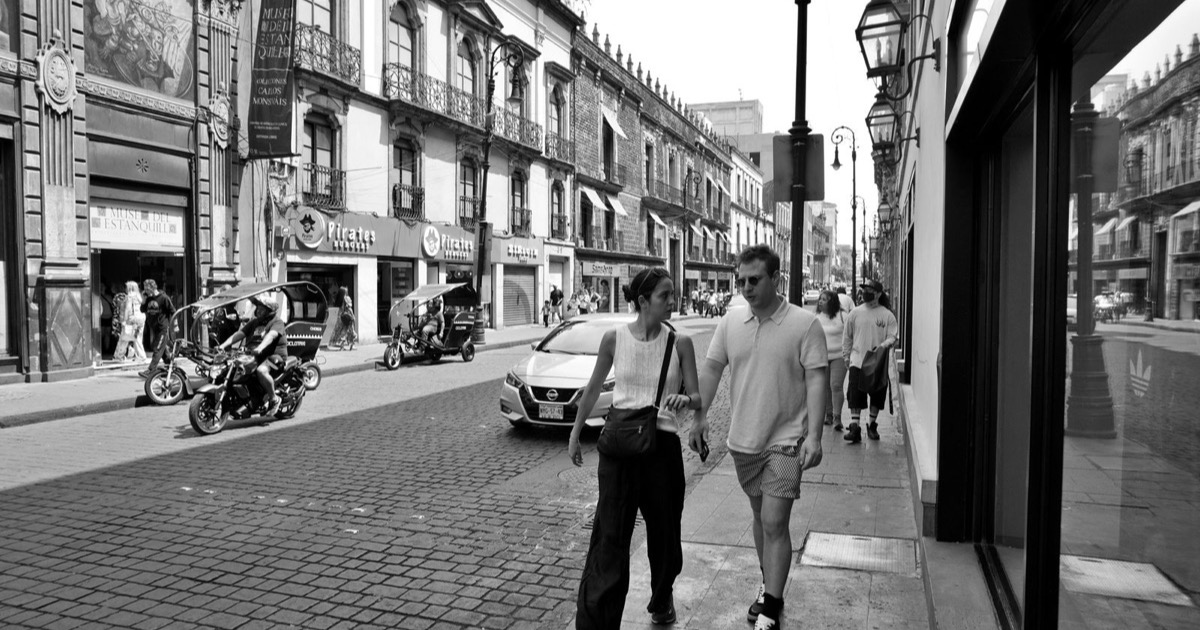

Exploring the capital’s layered past with a seasoned professional turns a simple stroll into a deep dive into centuries of culture.
Exploring the capital’s layered past with a seasoned professional turns a simple stroll into a deep dive into centuries of culture. A Mexico City private historic walking tour lets you move at your own pace while a bilingual guide deciphers the stories behind every stone. From the bustling Zócalo to the quiet courtyards of the Metropolitan Cathedral, the experience blends academic insight with street‑level charm. In 2026, these tours have become a top choice for travelers who want both accuracy and flexibility.
What does a private historic walking tour in Mexico City include?
A typical Mexico City private historic walking tour begins at the Zócalo, the grand main square that has served as the political and ceremonial heart of the city since the Aztec era. Your guide, who holds a recognized tour guide certification, will explain the evolution of the space from Tenochtitlán’s ceremonial center to the modern plaza surrounded by Spanish colonial architecture.
From there the itinerary usually weaves through the Metropolitan Cathedral, highlighting its blend of Baroque, Neoclassical, and Indigenous motifs, before moving to the Palacio de Bellas Artes, where the guide will discuss the building’s Art Nouveau façade and its role in Mexico’s cultural renaissance. The Templo Mayor ruins are often incorporated, offering a glimpse of the ancient temple complex uncovered beneath modern streets.
Most private guides also tailor the route to your interests, adding stops such as the historic Alameda Central, the former residence of Porfirio Díaz, or a quick walk toward Chapultepec’s outer perimeter to contextualize the city’s expansion during the 19th and 20th centuries. Because the tour is private, you can request deeper focus on topics like the impact of the Reform War, the Mexican Revolution, or contemporary urban planning.
How much should I expect to pay for a private guide in Mexico City in 2026?
Private guide rates in Mexico City vary according to experience, language proficiency, and the length of the tour. In 2026, a certified bilingual guide with five or more years of experience typically charges between $120 and $180 USD for a three‑hour historic walking tour. Guides who specialize in niche subjects, such as pre‑Hispanic archaeology or culinary history, may add a premium of $30‑$50 USD.
Group size also influences cost. While a solo traveler pays the full rate, a small group of up to four people can share the fee, reducing the per‑person price to roughly $40‑$60 USD. Some agencies offer flat‑rate packages that include additional amenities like a complimentary map, audio recordings, or a short museum pass.
| Tour Length | Solo Rate (USD) | Group Rate (4 pax, USD) | Included Features |
|---|---|---|---|
| 2 hours | 100–130 | 30–35 | Custom route, bilingual guide, printed guidebook |
| 3 hours | 120–180 | 40–55 | All above + museum entry voucher, photo stop at Palacio de Bellas Artes |
| Half‑day (4 hrs) | 150–220 | 50–70 | Extended route to Chapultepec outskirts, optional lunch recommendation |
When budgeting, remember that Mexico City tour prices often exclude entrance fees to archaeological sites or museums, which are usually modest (under $10 USD). Always confirm whether the quoted price is all‑inclusive or if extra costs apply for special requests.
Which neighborhoods are covered on a Mexico City historic downtown walking tour?
The core of a historic downtown walking tour lies within the Centro Histórico district, where Spanish colonial architecture dominates the streetscape. Here you’ll encounter the former convent of San Francisco, the Casa de los Azulejos with its iconic Talavera tiles, and the bustling Mercado de la Merced for a taste of local commerce.
Guides often extend the walk into adjacent neighborhoods such as La Latina, known for its narrow alleys and the beautiful San Juan Bautista church, and the Alameda Central area, which houses the historic Museo Nacional de Arte. These extensions provide context on how the city’s elite quarters developed alongside the commercial hub.
For travelers interested in a broader perspective, some private tours add a brief segment in the trendy Condesa or Roma districts, highlighting the contrast between early 20th‑century Art Deco mansions and the modern, green‑space‑filled avenues that illustrate Mexico City’s continual evolution.
Can I request an English‑speaking guide for Mexico City’s historic sites?
Most agencies that operate historic walking tours in Mexico City offer English‑language options on request. When you contact a provider, simply indicate that you need an English‑speaking guide for the historic downtown itinerary. In 2026 the majority of reputable firms have at least one bilingual guide on staff, and they are accustomed to handling groups ranging from solo travelers to larger private parties.
Choosing an English‑speaking guide does not automatically raise the price dramatically, but a modest premium is typical. The extra fee reflects the guide’s language proficiency, preparation of English‑specific commentary, and sometimes the need to schedule a guide whose calendar matches yours. Overall, the cost difference is usually less than 15 % of the base rate for a private guide in Mexico City.
| Feature | English‑speaking guide | Spanish‑only guide |
|---|---|---|
| Typical hourly rate (2026) | US$55‑$70 | US$45‑$60 |
| Availability | High in peak season, moderate off‑peak | Very high year‑round |
| Cultural depth | Strong, with additional context for non‑Spanish speakers | Excellent, native nuance |
| Flexibility for custom stops | Often flexible, may require extra planning | Highly flexible, especially for local residents |
| Booking lead time | 48‑72 hours recommended | 24‑48 hours sufficient |
How do I book a reputable private guide for Mexico City’s historic center?
Securing a reliable private guide begins with research. Look for companies that publish transparent Mexico City private guide rates and have positive reviews on platforms such as TripAdvisor, Withlocals, or Context Travel. Verify that the guide specializes in historic walking tours, as expertise in the colonial core differs from that of modern neighborhoods.
After you have identified a shortlist, reach out directly through the provider’s official contact channels. Provide your travel dates, group size, language preference, and any particular sites you wish to emphasize—such as the Metropolitan Cathedral, the Palace of Fine Arts, or the former residence of Diego Rivera. Most agencies will respond with a detailed quote that includes the private walking tour cost in Mexico City, any additional fees for museum entry, and a brief biography of the guide.
- Confirm that the guide holds a recognized certification from the Secretaría de Turismo or a comparable authority.
- Ask for a written estimate that breaks down the hourly rate, transportation, and optional extras.
- Check the cancellation policy and whether it aligns with your travel insurance.
- Request references or read recent testimonials from travelers who booked the same historic downtown guide.
- Secure the reservation with a credit‑card hold or a modest deposit, as most reputable firms require this to guarantee the guide’s availability.
- Receive a confirmation email that includes the guide’s contact information, meeting point, and any pre‑tour preparation tips.
- On the day of the tour, arrive at the agreed location a few minutes early to allow the guide to greet you and distribute any supplemental materials.
What are the qualifications and certifications of Mexico City private tour guides?
Professional guides in Mexico City typically complete a formal training program approved by the federal tourism authority. The most common credential is the “Guía Turístico Certificado” (Certified Tourist Guide), which requires a written exam covering national history, archaeology, art, and local regulations. Many guides also pursue the “Especialista en Patrimonio Cultural” (Cultural Heritage Specialist) designation, focusing specifically on the historic center’s colonial architecture and pre‑Hispanic sites.
Beyond the baseline certification, experienced guides often hold additional qualifications that enhance the quality of a historic walking tour. These can include university degrees in history, anthropology, or architecture, as well as fluency in multiple languages—English being the most requested for international visitors. Guides who have worked with major cultural institutions, such as the National Institute of Anthropology and History (INAH), frequently receive ongoing professional development workshops that keep their knowledge current.
When you hire a private guide Mexico City 2026, ask to see a copy of the certification and any supplemental credentials. Reputable agencies will display this information on their websites or provide it upon request. A guide’s documented training, combined with positive client feedback, offers a reliable indicator of the depth of insight you can expect during your exploration of Mexico City’s historic downtown.
Are there any hidden fees or extra costs for private walking tours in Mexico City?
Most reputable operators disclose their rates up front, but a few items can appear after the initial quote. Some guides charge a supplemental fee for entry to archaeological sites such as the Templo Mayor when the tour includes a stop inside the ruins. This fee is collected by the site’s administration and is not part of the guide’s salary, yet it is often listed separately on the invoice.
Transportation beyond the walking radius may also generate extra costs. If the itinerary expands to include Chapultepec Park or the Palacio de Bellas Artes, a short metro ride or a brief taxi hop is sometimes required, and the guide will add a modest reimbursement for the fare. In most cases, the guide will mention this possibility during the booking conversation, especially when the client requests a custom route that stretches across multiple districts.
Finally, some agencies apply a “bilingual premium” for guides who can conduct the tour fluently in both English and Spanish. This surcharge reflects the additional training required for tour guide certification and the market demand for dual‑language expertise. The premium is usually a fixed percentage of the base rate, and it should appear as a line item labeled “bilingual guide fee.”
How long does a typical private historic walking tour last in Mexico City?
A standard private historic walking tour covers the core of the historic centre in roughly three to four hours. This window allows the guide to explore the Zócalo, the Metropolitan Cathedral, and the surrounding Spanish colonial architecture without rushing. The pace includes time for questions, photo pauses, and brief storytelling segments that bring each monument to life.
When clients request an extended itinerary that reaches the Palacio de Bellas Artes or ventures into Chapultepec, the duration naturally expands to five or six hours. The extra time accommodates the additional walking distance, entrance fees, and the deeper contextual layers that a guide can provide for each landmark. Most operators recommend scheduling a mid‑tour coffee break at a nearby café to keep energy levels high and to experience a taste of local hospitality.
For travelers with limited daylight, a half‑day option of two to two‑and‑half hours is available. This condensed version focuses on the most iconic sites—primarily the Zócalo, Templo Mayor, and the Metropolitan Cathedral—while still delivering the essential narrative of Mexico City’s evolution.
- Standard historic centre loop: 3‑4 hours
- Extended cultural circuit (including Palacio de Bellas Artes): 5‑6 hours
- Half‑day spotlight tour: 2‑2.5 hours
- Custom routes with museum visits may add 30‑45 minutes per venue
- Breaks for refreshments typically last 15‑20 minutes
- Travel time between distant sites (e.g., Chapultepec) adds 10‑15 minutes per segment
- Special evening tours (e.g., illuminated cathedral) usually run 1‑1.5 hours
What tips can help me get the best value from a private guide in Mexico City?
Start by confirming the guide’s certification status and language capabilities. A certified bilingual guide not only meets national standards for historical accuracy but also can translate subtle cultural nuances that enrich the experience. Asking for a brief résumé or a list of recent tours can reassure you that the guide has recent, relevant knowledge of sites such as the Templo Mayor and Chapultepec.
Be clear about your interests before the tour begins. If you are fascinated by Spanish colonial architecture, request that the guide allocate extra time to discuss façades, courtyards, and construction techniques visible on the Metropolitan Cathedral and surrounding palaces. Conversely, if culinary history intrigues you, ask to incorporate a tasting stop at a traditional market or a historic café. Tailoring the itinerary prevents unnecessary detours and maximizes the time spent on what matters most to you.
Finally, negotiate the scope of any additional fees in writing. Knowing whether transportation, entry tickets, or bilingual premiums are included helps you compare offers objectively. When the guide provides a detailed breakdown, you can spot any unexpected line items and adjust the plan accordingly, ensuring that every peso spent contributes directly to a richer, more personalized exploration of Mexico City’s past.
Is it possible to customize the itinerary of a private historic tour in Mexico City?
Most operators that offer the Ready to Walk Mexico City’s History private tour understand that each traveler arrives with distinct interests. Guides will work with you before the walk to prioritize sites such as the Templo Mayor, the National Palace murals, or the colonial-era streets of the Centro Histórico, and they can add or remove stops based on the time you have available.
If you have a particular theme—art‑deco architecture, pre‑Hispanic archaeology, or the evolution of public spaces—simply share it during the booking process. Experienced guides can weave those threads into the narrative, adjusting the pacing and even arranging brief visits to nearby museums that complement the walking route.
Because the tour is private, you also have the flexibility to pause for a coffee break at a historic café or to explore a market stall that catches your eye. The guide will keep the overall story cohesive while honoring the detours you request.
What safety considerations should I keep in mind during a private walking tour in Mexico City?
Mexico City’s historic core is heavily patrolled and generally safe for visitors, but it is still wise to stay alert. Keep personal belongings close, especially in crowded plazas where pickpocketing can occur. Your guide will point out any construction zones or temporary closures that could affect the route.
When crossing streets, follow the flow of local traffic and obey pedestrian signals; many intersections lack dedicated crossing lights, so a brief pause to assess vehicle movement is prudent. If you plan to continue exploring after the tour, ask your guide for recommendations on well‑lit neighborhoods and reliable transportation options for the evening.
Finally, keep a copy of your itinerary and the guide’s contact information on hand, and let someone not on the tour know where you will be each day. These simple steps help ensure a smooth and enjoyable experience.
Sources & Further Reading
Frequently Asked Questions
How are private guide fees calculated in Mexico City?
Fees typically depend on the guide’s experience level, the language in which the tour is delivered, and the duration of the walk. Some companies apply a flat rate for a standard three‑hour itinerary, while others charge an hourly fee that can accommodate longer or more specialized routes. Group size also influences the price, as larger parties may receive a modest per‑person discount.
Do private guides provide transportation between sites?
For a historic walking tour, the primary mode of travel is on foot, allowing the guide to share detailed stories at each location. If the itinerary includes a destination that lies beyond comfortable walking distance—such as a museum on the outskirts of the historic center—the guide can arrange a short taxi or rideshare, though any additional cost is usually billed separately.
Can I combine a private historic walking tour with a food tasting experience?
Absolutely. Many guides are happy to incorporate a stop at a traditional taquería, a market stall, or a historic café where you can sample local specialties. This addition can be discussed during the planning stage, and the guide will suggest venues that complement the historical narrative while fitting within your time frame.
What is the cancellation policy for private tours in Mexico City?
Most operators require a written notice at least 48 hours before the scheduled start date to receive a full refund. Cancellations made later than that window may be subject to a partial charge, often 50 percent of the total fee. Some companies also offer credit for rescheduling within a reasonable period.
Are private guides licensed by the Mexican tourism authority?
Reputable agencies ensure that their guides hold the official “Guía Turístico” credential issued by the Secretaría de Turismo. This certification confirms that the guide has completed a training program covering historical knowledge, safety procedures, and customer service standards.
How far in advance should I book a private walking tour in Mexico City?
Because the capital attracts visitors year‑round, it is advisable to secure your guide at least two weeks ahead of your arrival, especially during peak travel seasons such as December holidays or Semana Santa. Early booking guarantees availability and gives the guide ample time to tailor the itinerary to your preferences.
Is tipping expected for private guides in Mexico City?
While not mandatory, tipping is a common way to show appreciation for a guide who delivers a personalized and engaging experience. A tip of 10‑15 percent of the total fee is typical, though the exact amount depends on the quality of service and your overall satisfaction.
Do private tours accommodate special accessibility needs?
Guides are familiar with the terrain of the historic center and can modify routes to avoid steep stairs, uneven cobblestones, or crowded passages. If you require a wheelchair‑friendly path or have limited mobility, inform the operator when you book so they can plan an appropriate itinerary and suggest nearby facilities such as accessible restrooms.
What payment methods are accepted for private guide bookings?
Most companies accept major credit cards, online payment platforms, and bank transfers. Some also allow cash payments on the day of the tour, though confirming this option in advance is recommended. Receipts are typically issued electronically after the transaction is completed.
Can I get a group discount if I book multiple private tours?
Many operators offer reduced rates when a single party books more than one tour, such as a historic walk followed by a day trip to Teotihuacan. The discount structure varies, so it is best to ask the provider directly during the quotation process.
Plan your itinerary with enough flexibility to enjoy the stories that unfold at each corner, and keep an open line of communication with your guide to make the most of every moment. A well‑prepared private tour can turn a simple walk into a deep dive into Mexico City’s layered past.
Reviewed by our editor for the Americas & practical travel
James CarterAmericas & Practical Travel Editor
Travel writer covering the Americas plus the practical side of travel — budgets, eSIMs, visas and logistics.
More articles by James Carter →