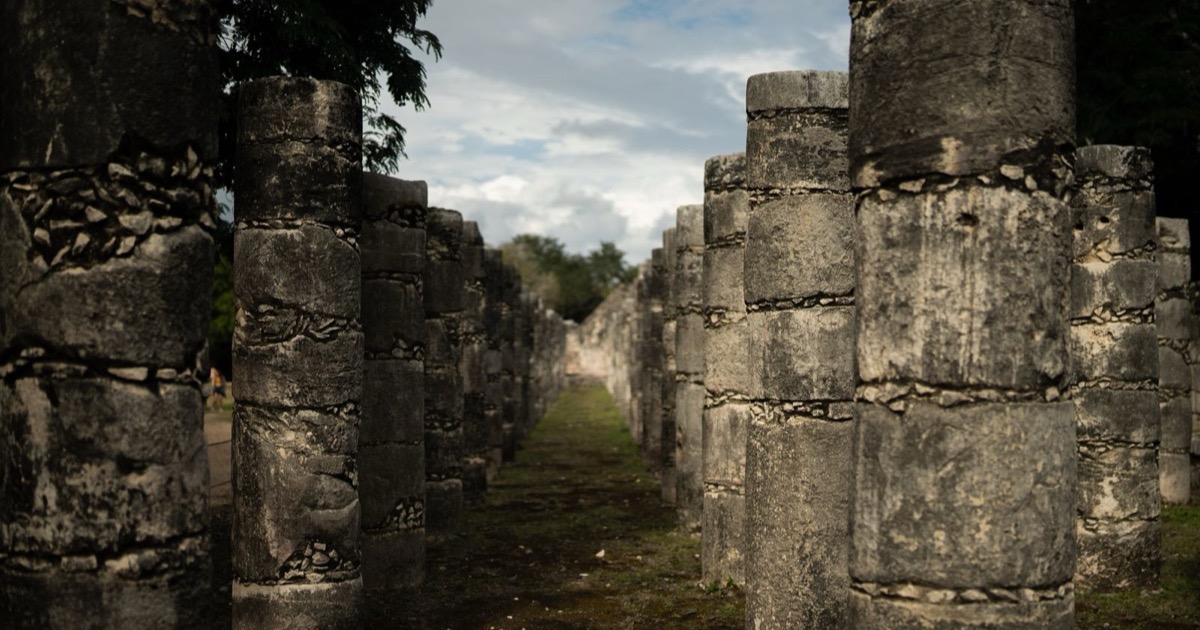

Travelers planning a Merida archaeological tour 2026 quickly discover that the timing of a visit can transform the whole experience.
Travelers planning a Merida archaeological tour 2026 quickly discover that the timing of a visit can transform the whole experience. The contrast between soft morning light and the warm glow of golden dusk creates distinct moods across the Yucatán’s ancient plazas. Understanding how each lighting condition interacts with stone carvings, pyramids, and plazas helps you decide whether to join a sunrise excursion or a sunset adventure. Below, we break down the practical differences for photographers, history lovers, and day‑trip planners alike.
What are the differences between morning light and golden dusk at Merida’s archaeological sites?
Morning light arrives at a low angle, casting long, cool shadows that emphasize the depth of reliefs on structures such as the Temple of the Warriors at Uxmal. The temperature is typically comfortable, especially in March when the weather in Merida is mild, allowing for longer walks without heat fatigue. Photographers who favor crisp detail often prefer this time because the light highlights texture without the saturation that appears later in the day.
Golden dusk, on the other hand, bathes the ruins in warm, diffused tones that soften edges and bring out the reddish hues of the limestone. As the sun sets, the sky’s colors blend with the stone, creating a harmonious palette that many describe as ideal for capturing the silhouette of pyramids against a glowing horizon. The cooler evening air can also reduce dust, resulting in clearer atmospheric conditions for distant shots.
From a logistical perspective, sunrise tours usually start before 6 am, requiring early transport arrangements, while dusk tours allow travelers to enjoy a leisurely morning in Merida before heading out. Both options are featured in most Merida day trips 2026 packages, but the choice influences the overall itinerary, including meal timing and the possibility of combining visits with nearby cenotes or market stops.
How does sunrise lighting enhance photography at Chichen Itza and other Yucatan ruins?
At Chichen Itza, the first rays of the sun strike the iconic El Castillo, creating a dramatic play of light and shadow across the stairways. The cool morning hue accentuates the stone’s natural color, making the intricate glyphs more legible in photographs. This effect is especially beneficial for the Yucatan ruins sunrise tour segment of many tour packages, where guides position groups to capture the moment when sunlight first kisses the pyramid’s eastern face.
Similar benefits appear at less‑visited sites such as Ek Balam and Coba, where sunrise reduces the number of tourists in the frame, granting a cleaner composition. The early hour also aligns with the optimal photography lighting conditions for capturing the fine details of Mayan architecture without the harsh glare that can wash out colors later in the day.
| Feature | Sunrise Tour | Standard Day Tour |
|---|---|---|
| Lighting quality | Cool, directional, high contrast | Mixed, often harsh midday light |
| Crowd density | Low, exclusive access | Higher, especially at popular sites |
| Temperature | Comfortable, 20‑24 °C in March | Warmer, 28‑32 °C |
| Photography focus | Detail and texture | General overview |
| Typical duration | 4‑5 hours (includes travel) | Full‑day (8‑10 hours) |
Choosing a sunrise itinerary aligns with the broader goal of many photographers: to capture the subtle interplay of light on stone that reveals the craftsmanship of the builders. The early start also provides ample time to explore additional sites, such as the nearby cenote of Ik Kil, before the heat intensifies.
Why is golden hour considered the best time for capturing Maya architecture in Merida?
Golden hour, the period shortly after sunrise or before sunset, offers a balanced spectrum of light that enriches the warm tones of limestone. At Uxmal, the famous “Nunnery” façade glows with a soft amber that highlights the intricate latticework, while the shadows deepen the sense of three‑dimensionality. This lighting condition is prized for its ability to render the stone’s natural patina without the stark contrasts of midday sun.
Beyond aesthetic appeal, the golden hour also improves exposure settings for handheld cameras. The gradual change in illumination allows photographers to adjust ISO and aperture without drastic jumps, reducing the need for extensive post‑processing. Many travel guides list the best time to visit Merida ruins as the hour before sunset, especially for those planning a Golden dusk tour Merida that combines cultural immersion with photographic opportunities.
For travelers interested in a comprehensive experience, pairing a sunrise visit to Chichen Itza with an evening tour of Uxmal creates a full spectrum of lighting conditions within a single Merida archaeological tour 2026. This approach not only diversifies the visual narrative of the trip but also maximizes the value of the tour package, allowing participants to witness the ancient sites under both cool and warm light.
Which archaeological sites near Merida offer the most striking sunrise views?
Early light on the Yucatán Peninsula reveals subtle color shifts that bring out the relief of ancient stonework. At sunrise, the eastern horizon casts a warm glow across the plazas, allowing photographers to capture the interplay of shadow and stone without the crowds that arrive later in the day. The most reliable locations for this effect are within a two‑hour drive of Merida, where the terrain is open enough to greet the first rays without obstruction.
Among the options, three sites consistently rank highest for sunrise photography. Each provides a different compositional opportunity: a broad ceremonial platform, a steep pyramid silhouette, and a lagoon‑bordered complex. The table below outlines the key attributes that influence the quality of early‑morning images.
| Site | Distance from Merida | Primary Sunrise Feature | Best Viewing Spot |
|---|---|---|---|
| Uxmal | ≈80 km (1 h 15 min) | El Castillo’s stepped façade illuminated from the east | Northwest terrace overlooking the main plaza |
| Dzibilchaltún | ≈120 km (1 h 45 min) | Temple of the Seven Dolls framed by palm silhouettes | Western edge of the cenote platform |
| Mayapán | ≈45 km (45 min) | Circular wall bathed in soft pink light | Central courtyard near the north gate |
Choosing the right site depends on the photographer’s preferred subject. Uxmal offers dramatic vertical lines, Dzibilchaltún provides water reflections, and Mayapán gives a more intimate, low‑angle perspective. All three benefit from clear skies in November through February, when the dry season reduces haze and maximizes contrast.
Which ruins near Merida provide unforgettable sunset experiences?
As the sun dips toward the western horizon, the stone structures of the Yucatán acquire a deep amber tone that accentuates carvings and hieroglyphic panels. The cooling evening air also brings a quiet that allows visitors to hear the distant calls of howler monkeys and the rustle of tropical foliage. Below are the most compelling sunset venues within easy reach of Merida.
Each location offers a distinct visual narrative, from expansive vistas over mangrove lagoons to intimate courtyards framed by towering temples.
- Celestún Biosphere Reserve (near the ancient fishing village of Celestún) – While not a traditional ruin, the nearby pre‑colonial fish‑trap structures line the lagoon, providing a silhouette against the orange sky.
- Ek Balam – The Acropolis’s steep stairways catch the last light, casting long shadows that emphasize the intricate stucco work on the façade.
- Chichén Itzá (day‑trip option) – The Temple of the Warriors faces west, allowing the sun to set directly behind the massive stone columns, creating a striking backdrop for the evening sky.
- Los Héroes – A lesser‑known site with a compact plaza; the western wall reflects the sunset’s red hues, making it ideal for close‑up architectural shots.
- Xcambó – Positioned on a low hill, this site offers panoramic views of the surrounding jungle as the sun disappears, highlighting the contrast between stone and vegetation.
- Mayapán (again) – The circular wall’s interior faces west, allowing visitors to watch the sun’s final arc while standing within the ancient defensive perimeter.
- Dzibilchaltún – The Temple of the Seven Dolls aligns with the western horizon, producing a subtle glow on the temple’s stone lintels as daylight fades.
How can I plan a combined morning and evening tour of Merida’s archaeological sites in 2026?
Start by selecting a sunrise location that lies on the route to an evening destination, minimizing backtracking. A practical itinerary begins with an early departure from Merida (around 5:30 am) to Uxmal, where sunrise occurs roughly at 6:10 am during the dry season. Allocate 1.5 hours for shooting and a brief walk around the main pyramid and the Governor’s Palace. Return to Merida for a short rest and lunch, then head west toward the coast for a sunset at Celestún’s fish‑trap structures, arriving about 30 minutes before the sun sets.
Logistics for 2026 benefit from several improvements: most sites now offer free Wi‑Fi hotspots for checking weather updates, and local tour operators provide shared‑ride services that run on a fixed schedule, reducing the need for a private vehicle. Booking a guide for the morning segment ensures access to the restricted viewing platform at Uxmal, while a local ecotour guide at Celestún can point out the best angles for the lagoon silhouettes. Bring a portable tripod, a neutral‑density filter for the sunset, and a lightweight rain jacket, as tropical showers can appear suddenly even in the dry months.
What equipment do photographers need for shooting sunrise and sunset at Merida’s ruins?
Early light on the stepped pyramids of Chichen Itza or the fading glow behind the arches of Uxmal demands a stable platform. A sturdy tripod with a quick‑release head lets you compose long exposures without blur, while a remote shutter release or smartphone timer eliminates camera shake caused by pressing the shutter button.
A wide‑angle lens (14‑24 mm on full‑frame or equivalent) captures the full sweep of the stone terraces against the sky. Pair it with a fast aperture (f/2.8‑f/4) to keep the scene bright when the sun sits low. For sunrise, a graduated neutral‑density filter can balance the bright horizon with the shadowed foreground, and a circular polarizer helps deepen sky color and reduce reflections on stone surfaces.
Because temperature swings from cool pre‑dawn air to warm evening breezes, bring spare batteries and high‑capacity memory cards. Batteries drain faster in low temperatures, so keeping them in an inner pocket until needed can extend shooting time. A microfiber cloth is useful for clearing dew that often settles on lenses during early hours.
Are guided tours available for both sunrise and sunset visits in Merida?
Local operators schedule dedicated departures for the iconic sunrise at Chichen Itza and the celebrated sunset at Uxmal. These tours typically start before dawn, allowing participants to reach the site while the sky is still dark, then position themselves for the first light. Evening departures follow a similar pattern, with transport timed to arrive at the ruins just before the sun begins its descent.
Both formats include a licensed guide fluent in Spanish and English, a comfortable air‑conditioned vehicle, and a brief safety briefing tailored to low‑light conditions. Many providers also offer optional photography assistance, where a guide with experience in low‑light shooting helps you adjust settings and find the best angles.
- Small‑group sizes (maximum 12 participants) keep the experience intimate and reduce crowding at key viewpoints.
- Complimentary bottled water and light snacks to keep energy levels steady during early or late hours.
- Transportation from central Merida hotels or designated meeting points, with door‑to‑door service.
- Portable lighting kits for groups that wish to explore interior chambers after the official viewing window.
- Flexible cancellation policies that accommodate weather‑related changes common in March.
- Professional photographer on select tours to demonstrate techniques for capturing the changing light.
- Post‑tour digital gallery where participants can download high‑resolution images taken during the excursion.
What safety considerations should I keep in mind when visiting ruins at dawn or dusk?
Low‑light conditions reduce depth perception, making uneven stone steps and loose cobblestones harder to spot. Wearing sturdy, closed‑toe shoes with good traction is essential. Carry a small flashlight or headlamp—preferably with a red filter—to preserve night vision while navigating pathways that are not fully illuminated.
The Yucatán climate in March can shift rapidly; mornings may be cool and misty, while evenings grow warm and humid. Dress in layers and bring a light rain jacket in case of sudden showers. Hydration remains important even when temperatures feel moderate, so keep a water bottle handy.
Wildlife activity increases at twilight. Insects such as mosquitoes and sand flies are common, and larger reptiles may be present near shaded areas. Apply insect repellent before arrival, and avoid touching or stepping on unfamiliar animals. Finally, keep personal belongings secure and consider travel insurance that covers adventure activities, as the remote nature of the sites can delay emergency response.
How does the weather in Merida affect morning and evening tours throughout the year?
Merida’s tropical savanna climate creates a clear distinction between the dry season (November to April) and the rainy season (May to October). During the dry months, mornings are typically cool and dry, offering ideal conditions for sunrise visits to sites such as Dzibilchaltún or the ruins at Mayapan. Evening temperatures remain comfortable, allowing sunset tours at Uxmal to be enjoyed without the humidity that can develop later in the day.
In the rainy season, afternoon thunderstorms are common, but they usually develop after 2 p.m., leaving early‑day light relatively unaffected. Travelers who schedule a sunrise trek in June or July should bring a lightweight rain jacket in case a brief shower arrives before the sun clears the horizon. Conversely, the late‑day heat can linger into sunset, so a cool‑down period in the shade before heading to the ruins can make the golden hour more pleasant.
Altitude differences among the archaeological zones also influence micro‑climates. Sites situated on higher ground, such as the hilltop platform at Kabah, may experience a few degrees cooler air at dawn, while low‑lying locations near the coast can feel damp as the sea breeze mixes with inland humidity. Adjusting start times by 15–20 minutes can compensate for these subtle variations and keep the experience comfortable.
What cultural stories are associated with the sunrise and sunset at Maya sites near Merida?
Among the Maya, the first light of day was linked to the deity Kinich Ahau, the sun god who was believed to travel across the sky each morning, renewing life and agricultural cycles. At the temple of the Sun at Uxmal, ancient murals depict Kinich Ahau emerging from the east, a narrative that guides modern visitors to position themselves on the eastern stairway for the most resonant sunrise view.
Equally important is the Maya reverence for the evening descent of the sun, symbolized by the goddess Ix Chel, who governed the moon, weaving, and the after‑dark world. At the ballcourt of Mayapan, local folklore recounts that the final rays of sunset were thought to seal the outcome of ceremonial games, a belief that still inspires storytellers to gather at dusk and recount the ancient matches.
These myths are woven into present‑day celebrations, especially during the annual “Dawn of the Sun” ceremony held at Dzibilchaltún, where community members light incense and perform a short chant to honor Kinich Ahau. The ritual underscores the continuity between ancient cosmology and contemporary cultural identity, giving travelers a deeper context for the spectacular light displays.
Sources & Further Reading
Frequently Asked Questions
When is the best time of year to experience sunrise at Merida’s archaeological sites?
The dry season, from November through April, provides the clearest skies and the most reliable early‑morning light. During these months, temperature drops at night are modest, making the pre‑dawn walk comfortable. If you prefer fewer tourists, the shoulder months of late October and early May also offer good conditions, though a light raincoat may be advisable.
Can I book a private sunrise tour of Chichen Itza from Merida?
Yes, many local operators offer private early‑morning departures that leave Merida before 4 a.m. to arrive at Chichen Itza just as the sun begins to rise over El Castillo. These tours typically include a guide fluent in English and Spanish, a small vehicle for comfort, and a light breakfast. Booking at least two weeks in advance secures the preferred date and ensures the guide can tailor the itinerary to your interests.
How long does a typical golden dusk tour of Uxmal last?
A standard sunset excursion at Uxmal runs about four to five hours, beginning with a mid‑afternoon departure from Merida. After a brief stop for refreshments, the group reaches the site in time to explore the main pyramid and the Governor’s Palace before the sun starts to set. The final segment includes a guided walk along the western balustrade, where the fading light accentuates the intricate stonework, and the tour concludes shortly after darkness falls.
What is the price range for combined morning and evening archaeological tours in Merida?
Combined packages that cover both sunrise and sunset visits to two different sites usually fall between $80 and $150 per person, depending on the level of private service, transportation class, and inclusion of meals. Group tours tend toward the lower end of the spectrum, while fully private experiences with a dedicated guide and premium vehicle sit at the higher end. Most operators provide a clear breakdown of fees on their websites, allowing travelers to compare options.
Are there any restrictions for photography during sunrise or sunset at the ruins?
Photography is generally permitted, but certain sanctified structures may have limited access during ceremonial hours, which can coincide with sunrise or sunset. Flash photography is discouraged to protect ancient pigments, and tripods are sometimes restricted in crowded areas for safety reasons. Checking with the site’s visitor center upon arrival ensures you respect any temporary guidelines.
Do I need a guide for visiting the sites at dawn or dusk?
While it is possible to explore the ruins on your own, a guide adds significant value by interpreting the architectural symbolism that is most visible in low light. Guides can point out subtle alignments with the horizon that are invisible without contextual knowledge. they help navigate any seasonal closures that may affect early‑day or late‑day access.
What should I wear and bring for a sunrise or sunset tour in Merida?
Dress in layers: a long‑sleeve shirt and light jacket protect against cool mornings, while breathable fabrics keep you comfortable as temperatures rise. Sturdy closed‑toe shoes are advisable on uneven stone surfaces. Bring a refillable water bottle, a small flashlight or headlamp for the pre‑sunrise walk, and sunscreen for the later part of the tour.
Is transportation included in most Merida archaeological tour packages?
Most reputable operators bundle air‑conditioned transport into their standard rates, especially for sunrise and sunset itineraries that require early departures. The vehicle type may vary from a shared minivan to a private SUV, depending on the group size and price tier. Confirming the transportation details when you book prevents unexpected extra costs.
How can I avoid crowds during the golden hour at popular Maya sites?
Arriving at least 30 minutes before the official sunrise or sunset time gives you a quieter foothold on the viewing platform. Selecting less‑visited angles, such as the western side of the Temple of the Warriors at Uxmal, also reduces foot traffic. Some travelers opt for a weekday visit during the low‑season, when local school groups are not present.
Are there any local festivals that coincide with sunrise or sunset tours?
During the annual “Festival de la Luz” in late February, several Maya sites host special dawn ceremonies that blend traditional music with modern light installations. Likewise, the “Noche de los Muertos” celebrations in early November often include evening processions at historic plazas, offering a unique backdrop for sunset photography. Checking the municipal calendar before you travel can help you align your itinerary with these cultural events.
Plan your timing, pack appropriately, and verify any seasonal adjustments before setting out, and the contrast between Merida’s bright mornings and warm evenings will reveal the ancient sites in a truly memorable light.
Reviewed by our editor for the Americas & practical travel
James CarterAmericas & Practical Travel Editor
Travel writer covering the Americas plus the practical side of travel — budgets, eSIMs, visas and logistics.
More articles by James Carter →