
Imagine the first light of day spilling over the Yucatán Peninsula, the air still cool, and you slipping into crystal‑clear water before the crowds arrive.
Imagine the first light of day spilling over the Yucatán Peninsula, the air still cool, and you slipping into crystal‑clear water before the crowds arrive. A Merida early bird cenote tour offers that exact moment of quiet wonder, letting you experience the ancient sinkholes at sunrise. The combination of soft morning hues, still water, and the subtle echo of limestone walls creates a memory that lingers long after you leave. Planning ahead for 2026 ensures you secure the best rates and the most convenient departure times.
What makes swimming at dawn in Merida’s cenotes a unique experience?
At sunrise, temperature differentials are at their most pleasant: the air is crisp while the water retains a gentle warmth from the previous day’s sun. This contrast makes the first dip feel refreshing without the shock of cold water that can greet swimmers later in the morning. the early hour reduces the number of visitors, allowing you to glide through the water in near‑total solitude, hearing only the faint drip of water and the occasional call of a tropical bird.
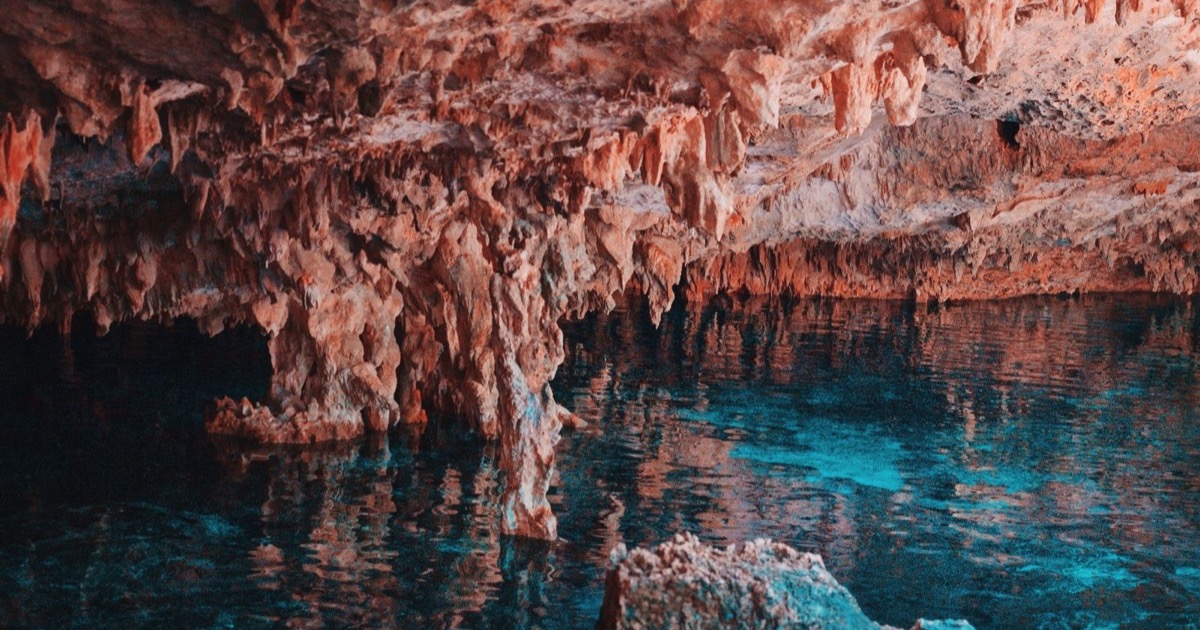
The geological setting adds another layer of intrigue. Cenotes are natural limestone wells formed by the collapse of underground chambers, and many contain stalactites and stalagmites that catch the sunrise light in a dazzling display. The low angle of the sun highlights subtle color variations in the water—emerald, turquoise, and deep blue—offering photographers a rare palette that changes minute by minute. Because the light is soft, reflections on the water surface create a calm, almost meditative atmosphere that is hard to find in daytime tours.
How can I find early‑bird discounts for Merida cenote tours in 2026?
Most reputable tour operators publish a tiered pricing schedule that rewards bookings made months in advance. Look for “early‑bird” or “advance‑booking” labels on their websites; these often appear alongside a calendar indicating the discount window. Signing up for newsletters from local travel agencies or following their social media channels can also alert you to flash promotions that are not listed on the main pages. Many operators release a limited number of discounted slots each quarter, so acting quickly after a promotion is announced is essential.
Another practical tip is to compare group versus private tour options. Group tours typically offer a lower per‑person price, and some companies extend the early‑bird discount to private bookings when you reserve a small party (four to six people). If you travel with a larger group, inquire about custom rates; operators are often willing to negotiate a bulk discount that matches or exceeds the standard early‑bird offer. Finally, check travel forums and recent blog posts that compile 2026 pricing; they often include coupon codes or referral links that shave additional dollars off the base price.
| Operator | Standard Price (per person) | Early‑Bird Discount | Sunrise Start Time | Group Size Limit |
|---|---|---|---|---|
| Yucatán Adventure Co. | $85 | 15 % off when booked before March 1 | 5:30 AM | Up to 12 |
| Merida Cenote Explorers | $78 | 10 % off for reservations made 60 days ahead | 5:45 AM | Up to 8 |
| Sunrise Sinkhole Tours | $92 | 20 % off for groups of 5 + booked before February 15 | 5:15 AM | Up to 6 (private) |
| EcoCenote Journeys | $80 | 5 % off with newsletter signup | 5:40 AM | Up to 10 |
Which cenotes near Merida are safe for sunrise swimming?
Safety at dawn hinges on water depth, visibility, and the presence of natural hazards such as slippery limestone ledges. Cenote Santa Rosa, located near Homún, is frequently highlighted for its gentle slope and clear water, making it ideal for early‑morning swimmers of all skill levels. The site is regularly maintained, and tour guides often conduct a brief safety briefing before the first dip.
Another reliable option is Cenote X’batun, a partially open sinkhole with a wide entrance that allows ample sunlight to penetrate the water. The temperature remains stable, and the depth ranges from shallow edges to a deeper central basin, providing flexibility for both casual swimmers and those who wish to explore the deeper sections. Guides typically carry waterproof flashlights for the brief moments before sunrise, ensuring visibility even if the sky is still dim.
For those seeking a more secluded experience, Cenote San Ignacio offers a calm environment with minimal foot traffic at dawn. The water is known for its consistent temperature and low algae growth, reducing the risk of slipping on wet rocks. While the entrance is narrower than the other two sites, the guided walk to the swimming area is short and well‑marked, and the tour operators emphasize proper footwear and handholds to prevent accidents.
What should I pack for an early morning cenote tour in Merida?
Rising before sunrise means you’ll be navigating both cool pre‑dawn air and the warm, crystal‑clear waters of a cenote. A well‑chosen packing list keeps you comfortable, protects your gear, and lets you focus on the experience rather than missing essentials. Start with a lightweight, quick‑dry shirt and board shorts or a swim‑ready dress; fabrics that shed water quickly prevent that clammy feeling once you emerge from the pool. A wide‑brimmed hat shields your face from the first rays of sun, while a pair of polarized sunglasses cut glare off the water’s surface.
Beyond clothing, consider items that enhance safety and convenience. A small, waterproof pouch protects your phone, wallet, and any travel documents. Many operators provide towels, but a compact microfiber towel is handy for extra drying or for wiping down equipment. If you plan to capture the sunrise, a compact waterproof camera or a phone case with a clear dome will let you snap photos without risking damage. Finally, bring a reusable water bottle; staying hydrated is crucial even when the temperature feels low.
| Item | Recommended | Optional |
|---|---|---|
| Quick‑dry shirt & shorts | Yes | Swim‑specific rash guard |
| Waterproof pouch | Yes | Dry‑bag for larger gear |
| Polarized sunglasses | Yes | Clip‑on snorkel mask |
| Microfiber towel | Yes | Travel-size sunscreen (reef‑safe) |
| Reusable water bottle | Yes | Light snack (energy bar) |
| Camera or phone in waterproof case | Yes | Portable charger |
How long does a typical Merida cenote tour last and what’s the schedule?
Most sunrise cenote tours depart from Merida between 5:30 am and 6:00 am, allowing participants to arrive at the water feature just as the first light paints the limestone walls. The overall itinerary runs roughly 7–8 hours, combining travel, swimming, and a light breakfast. Early‑bird discounts often apply to groups that book at least a month in advance, making the 2026 tour prices more affordable for budget‑conscious travelers.
While each operator tweaks the exact timing, the core structure remains consistent: pick‑up, drive to the cenote, sunrise swim, short hike or exploration, return to Merida for breakfast, and then a debrief. Understanding the flow helps you plan personal needs—like a quick bathroom stop or a snack—without disrupting the group’s rhythm.
- 5:30 am – Hotel pick‑up; brief safety briefing and distribution of gear.
- 6:15 am – Arrival at the cenote; time allocated for changing and a quick orientation.
- 6:30 am – Sunrise swim; the water is at its calmest and the light is optimal for photography.
- 7:15 am – Guided walk around the surrounding limestone formations; optional short hike to a nearby viewpoint.
- 7:45 am – Light breakfast (fruit, granola, coffee) served on a shaded patio.
- 8:30 am – Return to the vehicle; travel back to Merida.
- 9:15 am – Drop‑off at the original meeting point; free time to freshen up before the day’s activities.
Are private early‑bird cenote tours available for couples or families?
Private tours have become a popular alternative for those seeking flexibility, especially families with young children or couples celebrating a special occasion. Operators in 2026 frequently list “private early‑bird cenote tours” alongside their group offerings, allowing you to set your own pace, choose a preferred cenote, and even arrange a customized breakfast menu. Because the vehicle is dedicated to your party, the pick‑up window can be narrowed to a 15‑minute slot, reducing waiting time.
Pricing for private tours naturally exceeds the standard group rates, but many companies provide tiered discounts based on group size. A couple may pay roughly 1.5 times the average Merida cenote tour price, while a family of four often benefits from a flat rate that is still competitive compared with the cumulative cost of four individual tickets. Early‑bird discounts also apply to private bookings when the reservation is made well ahead of the travel date, making an exclusive sunrise swim more affordable than it appears at first glance.
When arranging a private experience, ask about extra amenities such as a dedicated guide who can share deeper insights into the geology, local myths, and wildlife of the best cenotes near Merida. Some operators even include a short post‑swim yoga session or a souvenir photo package, adding value that aligns with the personalized nature of the tour.
What are the water conditions like in Merida cenotes at sunrise?
At the first light of day the underground chambers that form the Yucatan Peninsula cenotes are still wrapped in a gentle chill. Water temperature typically hovers between 24 °C and 26 °C (75‑79 °F) throughout the year, a range that remains remarkably stable because the limestone walls insulate the pools from surface weather. The early‑morning air is cool, but the water feels refreshingly crisp, making a quick dip a pleasant way to start a tropical adventure. Light filters through the cavern openings, creating shafts of gold that illuminate suspended stalactites and reveal the crystal‑clear clarity that cenotes are famous for. Visibility often exceeds 10 meters, though occasional algae blooms can introduce a faint green tint in the shallower basins.
Beyond temperature and clarity, the chemistry of the water influences the swimming experience. Most cenotes contain low mineral content and a neutral pH, which means the water feels soft on the skin and does not cause irritation. The lack of strong currents is another hallmark; because these sinkholes are fed primarily by rainwater percolating through the porous limestone, the surface is generally calm. However, some larger systems connected to underground rivers may exhibit a gentle flow that becomes more noticeable after heavy rains. Knowing these conditions helps swimmers plan appropriate gear, such as a light wetsuit for extended stays or water shoes for rocky entry points.
How do I choose a reputable tour operator for Merida cenote adventures?
Selecting a tour operator is a matter of matching credentials with personal preferences. Start by confirming that the company holds current certification from the Mexican Ministry of Tourism and that its guides possess formal training in cave diving Merida practices. Look for operators that publish detailed itineraries, clearly stating whether the excursion is a private cenote tour or a group cenote tour, and note the maximum group size; smaller groups often translate to more attentive guidance and reduced impact on delicate ecosystems. Reviews on independent platforms can reveal how consistently a provider meets expectations, especially regarding punctuality, equipment quality, and respect for local customs.
Transparency around safety equipment and insurance coverage is another critical factor. Reputable operators will supply life vests, helmets, and non‑slip footwear, and they will explain how these items are maintained. They should also have a written emergency protocol that includes communication devices, first‑aid kits, and a plan for rapid evacuation if needed. Finally, consider the flexibility of the booking process: operators that allow adjustments for private or customized routes, as well as those that provide clear cancellation policies, tend to prioritize customer satisfaction.
- Verify government licensing and guide certification specific to cave environments.
- Check that the company carries comprehensive liability insurance and first‑aid provisions.
- Prefer operators who limit group size to ten participants or fewer for more personalized attention.
- Read recent traveler feedback on independent review sites to gauge reliability.
- Ensure all required safety gear—helmets, life vests, non‑slip shoes—is supplied and well‑maintained.
- Look for clear communication about private versus shared tour options and associated costs.
- Confirm that the itinerary includes pre‑dive briefings and post‑swim debriefs.
What safety measures are in place for early morning cenote swimming?
Early‑morning excursions benefit from lower visitor numbers, which allows guides to conduct thorough safety checks before anyone enters the water. Prior to the dip, each participant receives a brief on cave safety tips, covering topics such as proper hand‑hold technique on rope lines, the importance of staying within sight of a guide, and the protocol for re‑entering the pool if fatigue sets in. Guides also perform a visual inspection of the entry points, confirming that rocks are stable and that there are no sudden depth changes that could catch swimmers off guard. In many tours, a portable lantern is positioned at the entrance to enhance visibility during the pre‑swim assessment.
During the swim, the guide maintains a constant presence, often positioned at a strategic point where they can monitor the entire group. Lifesaving equipment, including a flotation device and a rescue rope, is kept within arm’s reach. Should an incident occur, the guide initiates the emergency response plan, which includes immediate first‑aid treatment and, if necessary, contacting local emergency services using a satellite phone. Many operators also partner with nearby medical facilities that specialize in treating water‑related injuries, ensuring rapid professional care if required.
Can I combine a cenote tour with other attractions in Merida?
Morning cenote excursions are often scheduled to leave Merida before sunrise, which opens the door to a full day of diverse experiences. After a refreshing dip at dawn, many operators route the group to nearby archaeological sites such as Uxmal or the lesser‑known Mayapán, allowing travelers to soak up both natural beauty and ancient architecture without rushing.
For culture‑focused visitors, a common itinerary adds a stop in the historic centre of Merida for a leisurely stroll through Plaza Grande, a quick coffee at a colonial‑style café, and a visit to the Museo Casa de Montejo. Because the cenote portion typically finishes by mid‑morning, there is ample time to explore the city’s markets, sample local dishes, or even join a short cooking class before the afternoon heat sets in.
How does the early‑bird pricing compare to regular rates for cenote tours?
Early‑bird discounts for 2026 are generally structured as a flat reduction of 10‑15 % off the standard adult fare, with additional savings for groups of four or more. The lower price is applied when the reservation is made at least 60 days in advance and the traveler commits to the sunrise departure slot, which is the most popular time of day.
Regular rates, which are posted on most booking platforms, tend to reflect the higher demand for weekend and holiday slots. Those rates often include a small surcharge for private transportation or premium equipment rentals. By contrast, the early‑bird packages bundle transport, guide services, and basic snorkeling gear at the discounted price, making them the most cost‑effective choice for budget‑conscious travelers.
Sources & Further Reading
Frequently Asked Questions
Do I need to bring my own snorkeling gear for a sunrise cenote tour?
Most early‑bird tours provide a complete set of snorkeling equipment, including mask, snorkel, and fins, as part of the package price. The gear is regularly cleaned and inspected, ensuring a safe experience. If you prefer to use personal equipment for comfort or hygiene reasons, you can usually bring it along, but it’s advisable to inform the operator ahead of time.
Are there age restrictions for swimming in Merida cenotes at dawn?
Children under the age of eight are typically required to be accompanied by an adult who can swim confidently. Some operators set a minimum age of six for independent swimmers, but they may ask for a signed waiver. Infants and toddlers are generally not permitted in the water for safety reasons, though they can enjoy the surrounding scenery from the shore.
How far in advance should I book an early‑bird cenote tour for 2026?
Because sunrise slots fill quickly, the safest approach is to secure your reservation at least two months before your intended travel date. The early‑bird discount tier opens 90 days out, and the best rates are guaranteed only while availability lasts. Booking early also ensures you receive the preferred pick‑up time and the most convenient transportation option.
What is the cancellation policy for discounted cenote tours?
Early‑bird bookings usually allow a free cancellation up to 48 hours before the scheduled departure. After that window, a partial refund—often 50 % of the tour price—is issued, with the remaining amount retained as a processing fee. Some operators may offer a credit for future travel instead of a monetary refund, especially during peak season.
Is transportation included in the early‑bird cenote tour packages?
All reputable early‑bird tours from Merida include round‑trip transportation in air‑conditioned vehicles, with pick‑up and drop‑off at centrally located hotels or designated meeting points. The service covers the journey to the cenote, any additional stops listed in the itinerary, and the return to the city. Private transfers can be arranged for an extra charge if desired.
Are the cenotes accessible for people with limited mobility?
Accessibility varies by site; some cenotes feature paved walkways, handrails, and shallow entry points that accommodate wheelchairs or walkers. Operators often highlight which locations meet these criteria in the tour description. If you have specific mobility needs, contact the provider in advance to confirm that the chosen cenote can be accessed safely.
What is the typical group size for a morning cenote tour?
Most early‑bird tours operate with groups of eight to twelve participants, which balances a personal atmosphere with the efficiency of shared transportation. Smaller boutique tours may limit the group to four or five guests, while larger operators occasionally run buses for groups of up to twenty. The exact size is usually noted on the booking page.
Can I photograph the cenotes during sunrise without extra fees?
Photography is generally allowed on all sunrise cenote tours, and the early‑bird price includes unlimited personal use of images. Some operators provide a professional photographer for a nominal upgrade, but there is no mandatory charge for taking your own pictures. Be mindful of flash usage, as it can disturb wildlife in the water.
Are there any additional fees for entrance to the cenotes?
The entrance fee is normally incorporated into the early‑bird package price, covering the cost of park admission and basic amenities such as changing rooms. However, a few premium cenotes may charge a small supplemental fee for access to special areas like underground chambers or private platforms. This extra cost is clearly disclosed before booking.
What language do the tour guides speak on Merida cenote tours?
Guides are typically fluent in Spanish and English, and many also offer basic conversational support in French, German, or Portuguese upon request. When you book, you can select your preferred language, and the operator will assign a guide who matches that choice. Multilingual guides enhance the experience by providing cultural context and safety instructions in the traveler’s native tongue.
Plan your sunrise cenote adventure early, lock in the discount, and coordinate any extra stops to make the most of a single day in the Yucatán. With the right preparation, you’ll enjoy crystal‑clear waters, fascinating history, and seamless logistics—all before the midday heat arrives.
Reviewed by our editor for the Americas & practical travel
James CarterAmericas & Practical Travel Editor
Travel writer covering the Americas plus the practical side of travel — budgets, eSIMs, visas and logistics.
More articles by James Carter →