
Travelers often wonder how the two neighboring coastal spots on Turkey’s Aegean shoreline stack up against each other.
Travelers often wonder how the two neighboring coastal spots on Turkey’s Aegean shoreline stack up against each other. The ongoing Davutlar vs Kusadasi comparison reveals distinct personalities that cater to different vacation styles. From the bustling promenade of Kusadasi Center to the quieter bays of Davutlar, each locale offers its own blend of amenities, climate nuances, and price points. Understanding these differences before you book can turn a good trip into a great one.
What are the main differences between Davutlar and Kusadasi Center for a beach vacation?
Kusadasi Center revolves around a compact urban core where the harbor, nightlife, and historic sites intersect. Visitors can stroll from a lively promenade to the famous Ladies Beach, then hop on a dolmuş to explore nearby attractions such as Ephesus. The area hosts a concentration of Kusadasi beach hotels that cater to short stays, with many offering all‑inclusive packages and easy access to restaurants and bars.
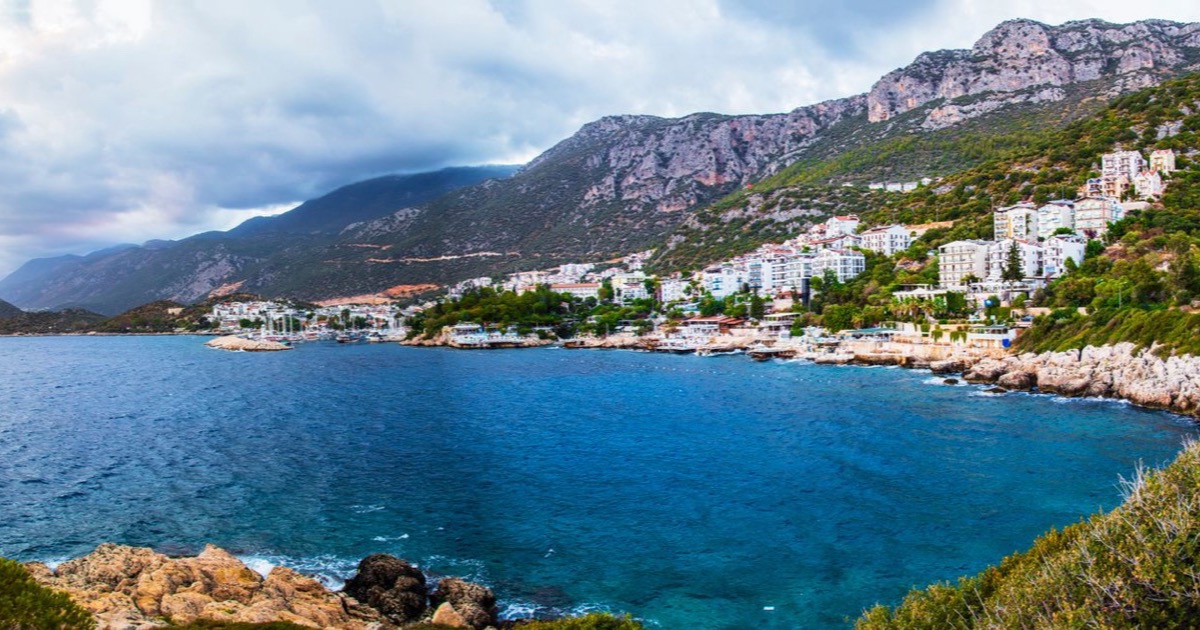
In contrast, Davutlar spreads along a quieter shoreline framed by low, gently sloping hills. The bay opens onto the Dilek Peninsula, where secluded coves like Sevgi Beach provide a more relaxed setting. Vacation rentals dominate the market, ranging from sea‑view apartments to family‑friendly villas, allowing guests to enjoy a home‑like atmosphere while still being close to the sea.
The contrast extends to the visitor flow: Kusadasi Center sees a constant buzz throughout the high season, while Davutlar’s population swells dramatically—from roughly 20,000 residents in winter to nearly a million during summer months—creating a seasonal rhythm that feels more like a resort town than a city.
How does the climate in Davutlar compare to Kusadasi during summer and winter?
Both locations share a Mediterranean climate, but subtle microclimate differences can affect comfort levels. During the summer months, Kusadasi Center often experiences slightly higher humidity due to its larger urban footprint and proximity to the harbor. Temperatures typically hover in the high 80s °F (around 30‑32 °C), with occasional heat spikes that can make evenings feel warm.
Davutlar benefits from its position within a gently sheltered bay, which allows sea breezes to moderate daytime heat. Summer temperatures are usually a few degrees lower than in the city center, and the lower humidity makes outdoor activities more pleasant, especially for families staying in vacation rentals that may lack air‑conditioning.
Winter brings a more noticeable divergence. Kusadasi Center’s urban heat island effect keeps average lows around the mid‑40s °F (7‑9 °C), but the harbor can make the wind feel chillier. Davutlar’s hills and reduced built‑up area allow cooler air to settle, resulting in slightly lower nighttime temperatures, often dropping into the low 40s °F (5 °C). This variation can influence heating costs for year‑round residents and long‑stay visitors.
| Feature | Davutlar | Kusadasi Center |
|---|---|---|
| Summer Avg. High (°F) | 86‑88 | 89‑91 |
| Summer Humidity | Moderate | Higher |
| Winter Avg. Low (°F) | 41‑44 | 45‑48 |
| Wind Chill (Winter) | Noticeable | Less Pronounced |
| Impact on Heating Costs | Higher for year‑round stays | Lower due to milder nights |
Which area offers more affordable accommodation options, Davutlar or Kusadasi?
Affordability often hinges on the type of lodging you seek. Kusadasi Center’s concentration of beach hotels means that nightly rates can be higher during peak season, especially for properties with sea views or direct beach access. However, the competitive market also produces occasional deals, particularly for short‑term stays booked well in advance.
Davutlar’s accommodation landscape leans toward vacation rentals, which typically provide better value for longer stays. Sea‑view apartments and family‑oriented villas often include kitchens, reducing the need for dining out and lowering overall expenses. The broader range of property sizes also allows travelers to select options that match their budget more precisely.
When comparing cost of living factors, Davutlar generally presents lower daily expenses for groceries, dining, and transportation, partly because it is less tourist‑centric than the city center. For travelers prioritizing a longer, more self‑catered holiday, Davutlar usually emerges as the more economical choice, while Kusadasi Center suits those who prefer the convenience of hotel services and immediate proximity to nightlife and historic attractions.
What family‑friendly activities are available in Davutlar versus Kusadasi Center?
Both coastal districts cater to children and parents, yet the character of the offerings diverges. In Davutlar, the gentle slope of the surrounding hills creates safe, shallow bays such as the Dilek Peninsula Sevgi Beach, where sandbars appear at low tide and allow young swimmers to practice wading under supervision. The nearby Dilek Peninsula National Park provides well‑marked walking loops, a small visitor centre with interactive exhibits about Aegean flora, and picnic areas equipped with grills and child‑height tables. Seasonal boat trips from the Davutlar marina often include short stops for snorkeling in calm coves, a popular choice for families seeking a low‑impact marine encounter.
Kusadasi Center concentrates its family‑oriented agenda around urban attractions. The bustling promenade hosts a miniature train that circles the waterfront, while the historic Pigeon Island (also known as Güvercinada) offers short guided tours that capture the imagination of younger visitors. The city’s aquarium, situated near the main pier, presents daily feeding shows and touch‑tank sessions. For a more structured day, several beach hotels in the center organize supervised kids’ clubs, offering arts‑and‑craft workshops, language games, and supervised beach play during midday heat.
| Aspect | Davutlar | Kusadasi Center |
|---|---|---|
| Primary beach environment | Shallow, low‑energy bays; natural sand | Longer, busier beaches with lifeguard stations |
| Nature‑based activities | Hiking in Dilek Peninsula, wildlife spotting, family picnics | City parks, short heritage walks, aquarium visits |
| Organized kids’ programs | Seasonal boat excursions, occasional holiday camps run by local tourism offices | Hotel‑based clubs, daily mini‑train rides, guided island tours |
| Accessibility for strollers | Wide sandy promenades, some uneven park trails | Paved promenades, well‑maintained sidewalks |
How easy is it to travel between Davutlar and Kusadasi by public transport?
The two locales sit roughly 30 kilometers apart, linked by a network of minibusses (dolmuş) and regional buses that run at regular intervals throughout the day. The microclimate of Davutlar, which tends to be slightly cooler in winter due to its sheltered bay, does not affect the reliability of the routes; schedules remain consistent year‑round, making commuting feasible for both commuters and tourists.
Tickets are purchased on board, and fares are modest, reflecting the overall cost‑of‑living balance between the two areas. During peak summer months, extra services are added to accommodate the surge of visitors—remember that the seasonal population in Davutlar can swell from around 20,000 to nearly a million, prompting the transport authority to increase frequency.
- Dolmuş line #202 departs from the central bus terminal in Kusadasi every 20 minutes and stops at the main square of Davutlar.
- Regional bus A12, operated by the provincial carrier, runs hourly and includes a short stop at the Dilek Peninsula visitor centre, useful for travelers combining a beach day with a city visit.
- Night service is limited; the last dolmuş leaves Kusadasi around 22:30, after which taxis become the primary option.
- All vehicles are equipped with basic air‑conditioning, a consideration given Davutlar’s warmer summer climate.
- Travel time averages 45 minutes, though traffic on the coastal highway can add up to 15 minutes during holiday weekends.
- Discounted weekly passes are available for residents, offering savings that reflect the lower cost of living in Davutlar compared with the city center.
- For cyclists, a dedicated bike lane runs parallel to the main road, providing an alternative for the more adventurous commuter.
Which location has better dining and nightlife experiences, Davutlar or Kusadasi?
Kusadasi Center boasts a concentration of restaurants that cater to a wide range of palates, from upscale seafood terraces overlooking the marina to casual tavernas serving traditional meze. The density of venues means that diners can move easily between establishments, sampling fresh grilled fish at one spot and finishing the evening with a glass of locally produced wine at a rooftop bar. Nightlife in the center revolves around a handful of clubs that stay open until the early hours, offering live DJ sets and occasional themed nights that attract both tourists and locals.
Davutlar’s culinary scene leans toward relaxed beachfront eateries and family‑run bistros that prioritize fresh, locally sourced ingredients. Vacation rentals in the area often include fully equipped kitchens, encouraging guests to prepare their own meals using produce from nearby markets. While the nightlife footprint is smaller, a few seaside bars host live acoustic performances during the summer months, creating a laid‑back atmosphere that appeals to visitors seeking a quieter evening. The overall cost of dining in Davutlar tends to be lower, aligning with the broader cost‑of‑living differences highlighted in recent comparisons of the two districts.
What are the top attractions and historical sites near Davutlar and Kusadasi Center?
The Dilek Peninsula, stretching from Davutlar toward the Aegean, offers a protected national park where ancient ruins sit beside pristine coves. Visitors can walk the trail that leads to the remains of a Roman watchtower, then descend to Sevgi Beach for a swim. The park also contains a small museum that displays artifacts recovered from the surrounding area, providing context for the centuries‑old maritime activity.
Kusadasi Center places the famed ancient city of Ephesus within easy reach. A short bus ride or organized tour brings travelers to the marble streets where the Library of Celsus and the Great Theatre dominate the skyline. The site is well signposted, and audio guides are available in multiple languages, allowing guests to follow the historical narrative at their own pace.
Just outside the main harbor, the Ottoman-era Kusadasi Castle overlooks the waterfront. Though partially restored, the fortress still retains its original stone walls and offers panoramic views of the harbor and the Aegean Sea. Nearby, the ancient city of Miletus can be visited as a day trip; its well‑preserved theater and the famed Delphinium provide a glimpse into classical urban planning.
How do property rental prices differ between Davutlar and Kusadasi for long‑term stays?
Long‑term rentals in Davutlar tend to be more affordable than comparable units in the central district of Kusadasi. The lower demand for year‑round housing, combined with a quieter residential character, keeps monthly rates for a one‑bedroom sea‑view apartment below the city average. In contrast, properties within walking distance of the main promenade and harbor command higher prices, reflecting the premium placed on immediate access to nightlife, restaurants, and shopping.
Seasonal fluctuations also affect pricing structures. During the peak summer months, both areas see a rise in demand, but the increase is steeper in Kusadasi, where tourists flock to the central beach zones. Davutlar’s more dispersed accommodation options moderate the surge, making it a sensible choice for families or remote workers seeking stability in their housing budget.
- One‑bedroom apartment in Davutlar: typically 30‑40 % lower than comparable units in Kusadasi Center.
- Two‑bedroom family apartments near the Dilek Peninsula: modestly priced, with utilities often included.
- Modern studios in the Kusadasi harbor area: command the highest monthly rates due to proximity to nightlife.
- Long‑term villas on the outskirts of Davutlar: offer larger spaces at a price comparable to smaller units in the city center.
- Renovated historic flats in the old town of Kusadasi: attract niche renters willing to pay a premium for character.
- Co‑working friendly rentals in Davutlar: emerging market with competitive rates and reliable internet.
- Seasonal discount packages for stays longer than six months: more common in Davutlar, reflecting the area’s focus on extended tourism.
Which coastal spot provides a quieter atmosphere for relaxation, Davutlar or Kusadasi?
For travelers whose priority is tranquility, Davutlar generally offers a more subdued environment. The coastline is lined with small coves and gently sloping hills that limit large crowds, especially outside the peak holiday weeks. Local cafés open early and close early, contributing to a rhythm that aligns with a relaxed pace of life.
Kusadasi Center, by contrast, concentrates most of its entertainment venues, bars, and night‑time attractions within a compact area. While this concentration creates a lively ambience for those seeking social activity, it also means that evenings can be louder and streets more populated. Visitors who prefer silence after sunset may find the central district less suitable.
Both locations benefit from the Aegean climate, but the microclimate in Davutlar—characterized by slightly cooler breezes coming off the sea—enhances the feeling of calm. The combination of fewer high‑rise buildings and a spread‑out layout makes it easier to locate a quiet balcony or a secluded beach spot for reading, meditation, or simply watching the tide.
What are the safety and healthcare facilities like in Davutlar compared to Kusadasi?
Both Davutlar and the central district of Kusadasi benefit from the regional public‑health network that serves Aydın Province. The main hospital in the area, located in the city of Aydın, is reachable within a 45‑minute drive from either side, providing emergency surgery, obstetrics and a 24‑hour trauma unit. In Davutlar, a smaller health centre operates during daytime hours and handles routine check‑ups, vaccinations and basic dental care. The centre is staffed by general practitioners and a rotating nurse team, and it can refer patients to the larger facilities in Kusadasi or Aydın when needed.
Police presence is visible in both locations, with a municipal police station in Kusadasi’s town centre and a local outpost in Davutlar. Crime rates for tourists remain low, and most incidents involve petty theft, which can be mitigated by using hotel safes and avoiding unattended belongings on crowded beaches. For travelers who require prescription medication, pharmacies are abundant in Kusadasi and operate late into the night, while Davutlar hosts a few daytime pharmacies that stock common medicines and over‑the‑counter remedies.
How does the summer crowd density compare between Davutlar and Kusadasi Center?
During the peak months of July and August, Kusadasi Center attracts a high volume of visitors, especially around its main promenade, historic harbor and popular nightlife venues. The streets near the bazaar and the waterfront can feel congested, and beach clubs often reach capacity early in the day. In contrast, Davutlar’s shoreline is more spread out, with several smaller coves and a longer stretch of public beach. The area receives a steady flow of tourists, but the overall density feels lower, allowing visitors to find quieter spots even at midday.
Transportation patterns reflect this difference. Public minibusses (dolmuş) and shared taxis in Kusadasi run frequently to accommodate the surge, while Davutlar’s services are less frequent but still sufficient for the demand. For travelers who prefer a more relaxed atmosphere without sacrificing access to amenities, Davutlar offers a balance of space and convenience during the busiest season.
Sources & Further Reading
Frequently Asked Questions
Is Davutlar considered part of Kusadasi or a separate town?
Davutlar is administratively a district within Aydın Province, located about 20 kilometers west of the central area of Kusadasi. While it shares the same postal region and benefits from the same regional infrastructure, it is recognized as a distinct locality with its own municipal council.
What is the best time of year to visit Davutlar versus Kusadasi Center?
Both destinations enjoy a Mediterranean climate, but Davutlar’s microclimate tends to stay slightly cooler in early spring and late autumn. Visitors seeking warm sea temperatures and lively events often choose late June to early September for Kusadasi, whereas those who prefer milder days and fewer crowds may find May, early June, or late September more appealing in Davutlar.
Are there direct bus routes from Istanbul to Davutlar and Kusadasi?
Long‑distance coaches from Istanbul’s main bus terminal stop in Kusadasi, where travelers can transfer to local dolmuş or minibusses heading to Davutlar. A few operators run a limited number of services that continue directly to Davutlar, but these are less frequent and usually require an early morning departure.
Which area has more budget‑friendly restaurants, Davutlar or Kusadasi?
Kusadasi Center offers a wider selection of eateries, ranging from upscale seafood spots to street‑food stalls, which creates competition and often lower prices for standard dishes. Davutlar’s dining scene is smaller but still affordable, with several family‑run tavernas serving generous portions at modest rates. Overall, budget travelers may find slightly cheaper meals in Davutlar, especially away from the main promenade.
Can I find all‑inclusive resorts in Davutlar as I can in Kusadasi?
All‑inclusive resorts are more common in Kusadasi, particularly along the beachfront near Ladies Beach and the harbor area. Davutlar hosts a handful of boutique hotels and smaller resorts that offer half‑board options, but fully all‑inclusive packages are rare.
How do the rental prices for a one‑bedroom apartment compare between Davutlar and Kusadasi?
Rental markets reflect the differing demand levels. In Kusadasi Center, a one‑bedroom unit near the sea typically commands a higher monthly rate, especially during the tourist season. Davutlar’s comparable apartments are generally priced lower, offering a more economical long‑term stay for digital nomads or seasonal residents.
Is the Dilek Peninsula accessible from both Davutlar and Kusadasi?
Yes, the Dilek Peninsula National Park borders both localities. From Davutlar, the park’s western entrance is a short drive away, while Kusadasi visitors usually approach the southern trails via the main road that runs along the coastline. Signage and public transport options make the park reachable from either side.
What nightlife options are available for solo travelers in Davutlar and Kusadasi?
Kusadasi Center boasts a lively bar street, nightclubs and live‑music venues that stay open until the early hours. Davutlar’s nightlife is quieter, with a few seaside bars and occasional cultural events, making it suitable for travelers who prefer a relaxed evening without large crowds.
Are there any safety concerns for tourists in Davutlar compared to Kusadasi?
Both areas maintain a low level of violent crime, and local authorities prioritize tourist safety. The primary concern in the summer months is petty theft on crowded beaches, which can be mitigated by keeping valuables secured. Davutlar’s lower visitor density often translates to fewer opportunities for such incidents.
How reliable is internet connectivity for remote work in Davutlar versus Kusadasi?
High‑speed broadband is widely available in Kusadasi, with many cafés and co‑working spaces offering stable Wi‑Fi. Davutlar’s infrastructure has improved, and most hotels provide decent connections, but speeds can vary more in residential neighborhoods. For critical remote‑work tasks, staying in a central hotel or a serviced apartment in Kusadasi may provide the most consistent service.
Choosing between Davutlar and Kusadasi ultimately depends on the balance you seek between activity level, cost and personal space. Consider the specific amenities that matter most to your trip, and plan accordingly for a smooth stay on Turkey’s Aegean coast.Plan your trip
Book Istanbul attraction tickets
Skip-the-line tickets and guided tours for Istanbul's top sights, with mobile tickets and flexible cancellation.
See tickets on TiqetsWe may earn a commission from bookings made through this link, at no extra cost to you.
Reviewed by our editor for Türkiye & the Eastern Mediterranean
Elif DemirTürkiye & Eastern Mediterranean Editor
Travel writer covering Türkiye and the Eastern Mediterranean, from Istanbul's old city to the Aegean coast.
More articles by Elif Demir →