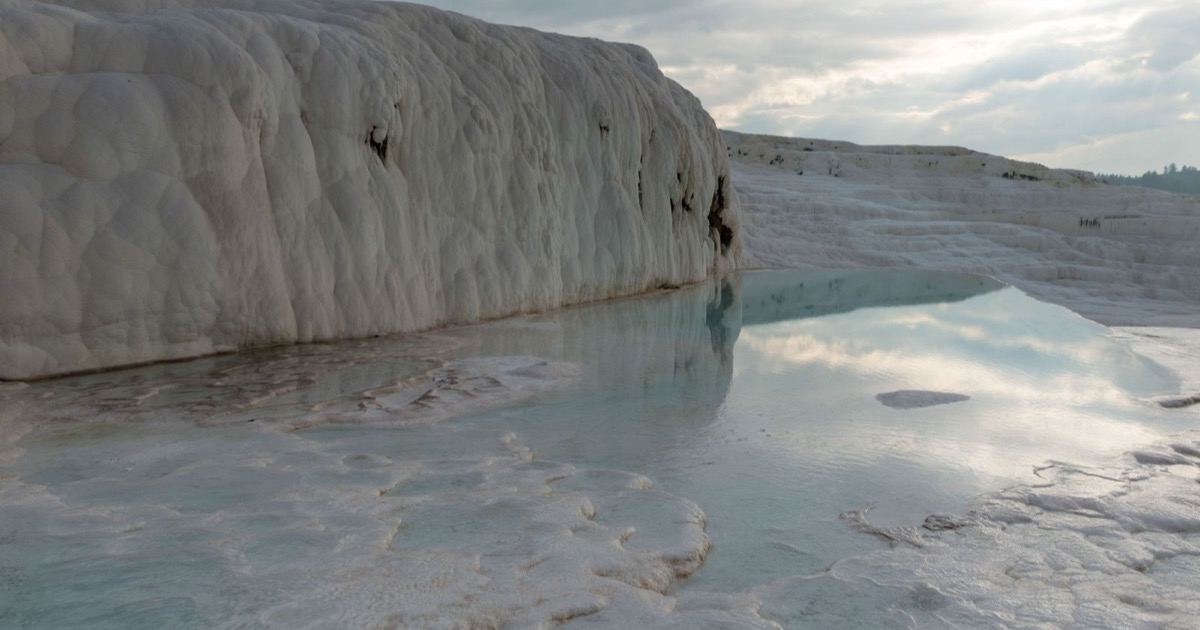

Planning a Pamukkale day trip from Kusadasi? The contrast between the turquoise Aegean coast and the white travertine terraces makes this excursion a highlight of…
Planning a Pamukkale day trip from Kusadasi? The contrast between the turquoise Aegean coast and the white travertine terraces makes this excursion a highlight of any western Turkey itinerary. In 2026 the route is smoother, the information clearer, and the timing more critical than ever. Below you’ll find the essential details to keep your schedule on track and your experience rewarding.
How long does it take to travel from Kusadasi to Pamukkale?
The most common road route follows the D525 and D320 highways, covering roughly 190 kilometers. By car or minibus the journey averages 3 hours 15 minutes, though peak summer traffic around Selçuk can add 30 minutes. Drivers who stick to the main highways and avoid the narrow village detours usually stay within the 3‑hour window.
If you opt for a public dolmuş (shared minibus) the schedule is less flexible. Dolmuşes leave Kusadasi early in the morning, typically around 07:00, and make a few stops in smaller towns before reaching Pamukkale. The total travel time on a dolmuş is about 3 hours 45 minutes, reflecting the additional boarding time at each stop.
For those who prefer a guided small‑group tour, the operator usually includes a brief rest stop and a short commentary segment. The advertised “door‑to‑door” duration is 3 hours 30 minutes, which balances driving speed with the comfort of a professional driver who knows the best overtaking spots.
What is the best time of day to visit Pamukkale on a day trip from Kusadasi?
The white terraces shine brightest in the early morning, when the sun is low and shadows accentuate the layered formations. Arriving before 10:00 AM also means fewer crowds, allowing a more relaxed stroll through the thermal pools and the ancient city of Hierapolis.
Mid‑day visits (11:00 AM–2:00 PM) bring stronger sunlight that can wash out the subtle colors of the travertine and increase the temperature of the pools. However, this window aligns with most tour operators’ lunch breaks, so you’ll often find a short buffet or snack stop included in the itinerary.
Late afternoon (after 4:00 PM) offers a softer light that photographs well, but the return journey to Kusadasi becomes longer as traffic builds on the highway. If you choose this slot, be prepared for a later arrival back in town, usually around 9:00 PM.
| Time Slot | Advantages | Considerations |
|---|---|---|
| 07:30 – 10:00 | Cooler pool water, minimal crowds, optimal photography | Early start required, limited breakfast options on site |
| 11:00 – 14:00 | Included lunch service, full‑day tour structure | Higher visitor density, stronger sun |
| 16:00 – 19:00 | Golden‑hour lighting, quieter terraces | Longer return drive, possible evening traffic |
Which transportation options are available for a day trip to Pamukkale from Kusadasi?
Private car rental remains the most flexible choice. Agencies in Kusadasi offer compact and midsize vehicles equipped with GPS; a self‑drive itinerary lets you set your own departure time, pause at scenic overlooks, and linger at Hierapolis longer if you wish. Fuel costs and tolls are the primary expenses.
Guided tours are abundant, ranging from large coach groups to boutique small‑group experiences. The “small‑group” format typically caps at 12 passengers, providing a more personalized commentary and the possibility to skip the main ticket line at Pamukkale. Prices include transport, entry tickets, and a light lunch.
Public transportation consists of regular dolmuş services and regional buses that connect Kusadasi to Denizli, the nearest city to Pamukkale. From Denizli, a short local bus or taxi ride completes the leg to the terraces. This method is the most economical, but it requires careful coordination of schedules and may limit your time on site.
Can I visit Hierapolis and the travertine terraces in a single day from Kusadasi?
The distance between Kusadasi and Pamukkale is roughly 190 km, which translates to a 3‑hour drive each way on the D550/E87 highway. A well‑planned itinerary can comfortably fit the main attractions— the dazzling white terraces and the extensive ruins of Hierapolis— into a single day, but the schedule leaves little room for delays. The Pamukkale timing guide that circulates among tour operators stresses an early departure (around 07:00 – 07:30) to reach the site before the midday crowds and to allow enough time for the optional museum visit.
Most organized Kusadasi to Pamukkale tours allocate 7‑8 hours on‑site, which includes a brief stop at the ancient theatre, the necropolis, and the famous Cleopatra’s Pool. If you prefer a self‑driven approach, you must factor in fuel, parking fees (approximately €2–3 per hour), and the time needed to purchase Pamukkale tickets 2026 at the entrance. Buying tickets online in advance can shave five minutes off the queue, a small but helpful advantage when every minute counts.
In practice, the day works best when you:
- Leave Kusadasi no later than 07:30 am.
- Plan a 30‑minute buffer for any unexpected roadwork.
- Spend at least 90 minutes on the terraces to experience both the upper and lower pools.
- Reserve 60 minutes for the most important ruins (the theatre, the temple of Apollo, and the Roman baths).
- Schedule a quick lunch break at the on‑site café or bring a packed meal to stay on schedule.
| Option | Travel time (round‑trip) | Typical cost (per person) | Flexibility | Key pros / cons |
|---|---|---|---|---|
| Self‑drive (rental car) | ~6 h | €55 – €70 (rental + fuel) | High | Freedom to linger; need to handle navigation and parking. |
| Standard group tour (bus) | ~7 h | €45 – €55 (includes ticket) | Medium | Guide provides context; fixed schedule, limited stop time. |
| Small‑group “skip‑the‑line” tour | ~7 h | €60 – €70 (premium ticket) | Medium | Shorter entrance queue; higher price, still set itinerary. |
| Private car with driver | ~6 h | €120 – €150 (full day) | Very high | Custom stops, door‑to‑door service; costlier. |
| Public dolmuş (minibus) | ~8 h | €12 – €15 (one‑way) | Low | Cheapest; unpredictable departure times, no ticket included. |
How much does a guided Pamukkale tour from Kusadasi cost in 2026?
Pricing for guided excursions varies according to group size, inclusions, and the level of service. In 2026 the most common price bands are:
- Standard day‑trip bus tour: €45 – €55, includes transportation, entrance fee, and a 2‑hour commentary.
- Small‑group (max 12 pax) tour: €60 – €70, adds a “skip‑the‑line” entrance pass and a more detailed archaeological briefing.
- Private guide & driver: €120 – €150 for the whole party, covers a dedicated vehicle, a licensed guide, and the full ticket price.
- Combo with Ephesus: €85 – €95, merges the popular Ephesus morning visit with an afternoon Pamukkale stop, useful for travelers with limited days.
- Cruiser‑ship “port‑side” tour: €70 – €80, departs from Kusadasi harbor, includes a short boat ride, and guarantees priority boarding at Pamukkale.
- Student or senior discount: typically 10 % off the listed price when a valid ID is presented at purchase.
- Online pre‑booking: many operators shave €3‑€5 off the on‑site price for tickets secured through their website.
When comparing offers, look beyond the headline figure. Some tours bundle a lunch, a bottle of mineral water, or a souvenir postcard, which can affect the overall value. Also verify whether the guide’s commentary is provided in English or another language you prefer, as multilingual guides sometimes command a higher fee.
Are there any free or budget‑friendly ways to see Pamukkale from Kusadasi?
While the entrance to the travertine terraces is not free, several strategies keep the expense low. The most economical public transport option is the intercity dolmuş that runs several times a day between Kusadasi and Denizli; from Denizli you catch a local minibus to Pamukkale. The combined fare is under €15 round‑trip, and you only pay the standard entrance ticket (€10 – €12) at the site.
For travelers comfortable with a bit of flexibility, purchasing the ticket on the spot rather than pre‑booking can avoid the small online surcharge that some operators apply. Arriving right at opening time (08:00 am) often means the line is short, allowing you to enter without a “skip‑the‑line” premium. If you bring your own water and snacks, you also sidestep the higher café prices inside the complex.
Another low‑cost alternative is to join a local school group or community outing, which sometimes offers reduced rates for participants. Checking bulletin boards at the Kusadasi bus station or asking at your accommodation can reveal such opportunities, especially during the off‑season when visitor numbers dip.
What should I pack for a day trip to Pamukkale and Hierapolis from Kusadasi?
A solid pair of walking shoes with good grip is essential; the terraces can be slippery when wet and the ancient streets are uneven. Bring a swimsuit, a quick‑dry towel, and a small change of clothes if you plan to soak in the thermal pools. Sunscreen with a high SPF, a wide‑brim hat, and polarized sunglasses protect you from the strong Aegean sun that reflects off the white limestone.
Hydration matters, so carry a reusable water bottle and a few snack bars for the roughly six‑hour round‑trip. A light jacket or sweater is useful for the early morning bus ride, when temperatures can be cooler, and for the indoor museum spaces where air‑conditioning runs strong. A compact camera or a smartphone with a protective case will let you capture the contrast between the sparkling pools and the Roman ruins.
Finally, keep a modest amount of Turkish lira for entrance fees, small souvenirs, or a quick coffee in the town of Pamukkale. A copy of your passport or a digital photo stored on your phone can smooth any unexpected ticket checks, and a small first‑aid kit (band‑aids, pain reliever) adds peace of mind.
Is it possible to avoid crowds at Pamukkale when traveling from Kusadasi?
Timing is the most reliable lever. The first bus that departs before 7 am reaches the terraces just as they open, giving you a window of relative quiet before the main tour groups arrive. Visiting during the shoulder months of May or October also reduces the density of visitors, while the weather remains pleasant for both swimming and walking.
Choosing a transport method that bypasses the main tour hub can further lessen the crowd factor. Private car rentals, ride‑share services, or a self‑drive itinerary let you arrive at the back entrance, which is less frequented but still provides full access to the site. Once inside, steering clear of the most photographed sections—such as the central pool—allows you to explore quieter corners like the ancient theatre or the necropolis.
- Depart before 7 am on a weekday.
- Travel in the shoulder season (late spring or early autumn).
- Use a private vehicle or self‑drive to reach the secondary gate.
- Start at the less‑visited terraces on the north side.
- Allocate extra time for the Roman theatre and the museum.
- Bring a portable stool to sit away from the main pathways.
- Plan a brief return before the midday peak.
How do I book a small‑group Pamukkale tour from Kusadasi online?
Begin by searching for operators that explicitly state a maximum group size of 12‑15 participants. These providers often list the exact itinerary, pick‑up location, and the languages spoken by the guide. Look for recent traveler reviews on reputable platforms to confirm that the promised small‑group experience is consistently delivered.
When you find a suitable company, use the “book now” button on their website to select the desired departure date and the number of seats. Most sites require a credit‑card deposit—typically 20‑30 % of the total price—to secure the reservation, with the balance payable a few days before the trip. After payment, you will receive a confirmation email containing the meeting point, exact pick‑up time, and a contact number for any last‑minute adjustments.
Before finalizing, verify that the tour includes entry fees to both the travertine terraces and the Hierapolis archaeological site, as well as a brief stop at the thermal pool. A clear cancellation policy and the option to add a private guide for an additional fee are also useful features to compare across providers.
What are the opening hours and entry fees for Pamukkale and Hierapolis?
The travertine terraces and the archaeological site open daily, with the main gate admitting visitors from 08:00 until 19:00 during the peak season (April – October). In the cooler months (November – March) the closing time is moved earlier to 17:00, allowing ample daylight for exploring the ruins. The site remains closed on major Turkish public holidays such as Republic Day, but most seasonal closures are announced locally.
Entrance to the natural terraces costs roughly 100 Turkish Lira for adults, while the adjacent Hierapolis museum—home to the Roman theatre, the necropolis and the ancient pool—requires an additional fee of about 30 Lira. Concessions are offered to students (usually 50 % discount) and children under the age of 8 enter free of charge. Group rates are available for parties of ten or more, and many tour operators include the combined ticket in their price.
During the high‑traffic summer weeks, the site may implement a timed‑entry system to manage visitor flow. If you arrive after the last entry slot, you will be turned away until the next day, so it is wise to plan for an early start. Seasonal discounts are occasionally offered in September and October, when the weather is still pleasant but crowds have thinned.
Can I combine a Kusadasi beach day with a Pamukkale excursion?
Yes, but the itinerary demands careful timing. A sunrise swim at Ladies Beach or a quick morning walk along the promenade can be squeezed into the first two hours of the day. From the central bus station, a private transfer or a fast‑coach departs around 08:30, reaching Pamukkale by 10:30. This leaves the afternoon free to return to Kusadasi for a relaxed beach afternoon or a sunset dinner.
To make the most of both experiences, consider booking a small‑group tour that offers a flexible drop‑off point near the beach. Some operators allow a brief stop at the coast before heading inland, provided you are comfortable with a slightly later arrival at Pamukkale (around 11:00). Keep an eye on the return schedule—most services leave the site no later than 16:00, giving you enough time to catch an evening ferry or a taxi back to your hotel.
Sources & Further Reading
Frequently Asked Questions
Is it possible to visit Pamukkale and Hierapolis in a single day from Kusadasi?
Yes, a full‑day trip is the most common way to see both the terraces and the ancient city. The drive takes about two hours each way, and a well‑organized tour typically allocates two to three hours for walking the terraces, followed by an hour exploring the museum and the Roman theatre.
What is the fastest way to get from Kusadasi to Pamukkale?
The quickest option is a private car or a pre‑booked shuttle that departs early from the town centre. The journey on the D-550 highway averages 2 hours, depending on traffic. Public minibusses (dolmuş) are slower because they stop at multiple villages along the route.
How much does a day trip to Pamukkale cost in 2026?
Prices vary by provider, but a standard small‑group tour—including transport, a guide, and combined entry tickets—ranges from 120 to 150 Euros per person. Discounted rates are sometimes offered for students, seniors, or groups larger than ten.
Are there any public buses that run between Kusadasi and Pamukkale?
Yes, regional dolmuş services connect the two towns several times a day. The schedule is limited, especially on weekends, and the journey can take up to three hours because of frequent stops. For a tighter timetable, most travelers prefer a private transfer or an organized tour.
Do I need to buy tickets for Pamukkale in advance?
Advance purchase is not mandatory, but it guarantees entry during the busiest months. Online ticket platforms allow you to secure a slot and skip the line at the gate. If you join a guided tour, the operator usually handles the tickets for you.
What are the best months to visit Pamukkale from Kusadasi?
April through June and September through October provide mild temperatures and thinner crowds. July and August are hot and can be very busy, while November to March brings cooler weather and shorter opening hours.
Can I rent a car in Kusadasi for a day trip to Pamukkale?
Car rental agencies operate in the town centre and at the nearby airport. A compact vehicle is sufficient for the two‑hour drive, and most companies allow same‑day rentals with flexible drop‑off times. Remember to check that the insurance covers highway travel.
Are guided tours worth it for visiting Pamukkale and Hierapolis?
Guided tours add historical context to the ruins and help you navigate the site efficiently, especially if you have limited time. Guides also provide practical tips, such as the best spots for photos and where to find the changing rooms.
What should I wear and bring for a Pamukkale day trip?
Comfortable walking shoes, a hat, sunscreen, and a reusable water bottle are essential. The terraces can be slippery when wet, so sandals with good grip are advisable. A light jacket may be useful in the early morning or late afternoon.
Is there a chance to swim in the thermal pools at Pamukkale on a day trip?
The public terraces are no longer used for bathing, but the nearby Antique Pool (also called Cleopatra’s Pool) remains open for a modest fee. Most day‑trip operators include a brief stop there, allowing you to experience the warm, mineral‑rich water.
Plan your departure early, keep an eye on the return schedule, and you’ll enjoy both the seaside vibe of Kusadasi and the otherworldly landscape of Pamukkale in a single, well‑timed adventure.
Plan your trip
Book Istanbul attraction tickets
Skip-the-line tickets and guided tours for Istanbul's top sights, with mobile tickets and flexible cancellation.
See tickets on TiqetsWe may earn a commission from bookings made through this link, at no extra cost to you.
Reviewed by our editor for Türkiye & the Eastern Mediterranean
Elif DemirTürkiye & Eastern Mediterranean Editor
Travel writer covering Türkiye and the Eastern Mediterranean, from Istanbul's old city to the Aegean coast.
More articles by Elif Demir →