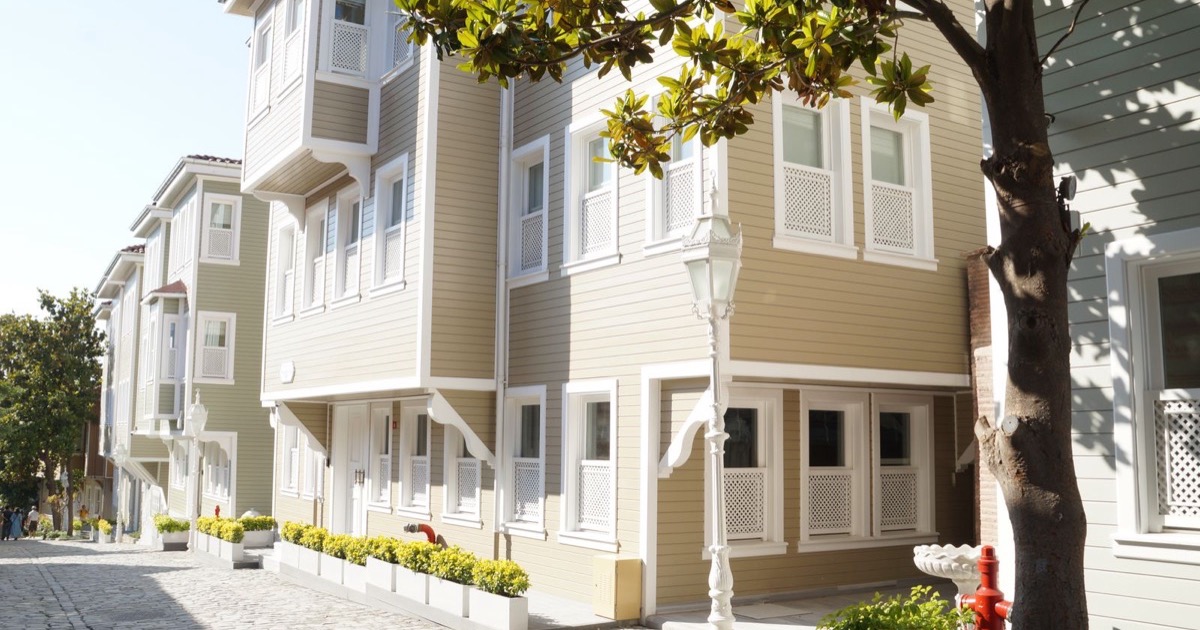

Investing in a seaside villa or an apartment in Kusadasi can feel like stepping into a permanent holiday, but the journey is riddled with hidden traps.
Investing in a seaside villa or an apartment in Kusadasi can feel like stepping into a permanent holiday, but the journey is riddled with hidden traps. The most frequent Kusadasi property buying pitfalls stem from unfamiliar legal frameworks, unexpected fees, and local zoning quirks. Understanding these risks before you sign the contract can protect both your capital and your peace of mind. This guide pulls together the latest insights from the Kusadasi real estate guide 2026 to keep you ahead of costly mistakes.
What are the most common legal pitfalls for foreign buyers in Kusadasi?
One of the first hurdles foreign investors encounter is the set of foreign ownership restrictions Turkey imposes on certain parcels of land. While most residential properties are open to non‑Turkish citizens, plots within eco‑tourism zones or near military installations require explicit government approval and a local partnership that can demonstrate long‑term stewardship. Failure to disclose the intended use of such land can lead to a sale being declared void, forcing the buyer to start over or face legal penalties.
Another frequent snag involves the Tapu registration process, which records the title deed in the Land Registry Office. The paperwork must be completed in Turkish, and any mistranslation can create gaps in ownership rights. Buyers who skip a thorough due diligence step—such as verifying the seller’s identity, checking for existing mortgages, and confirming that the property is free of litigation—often discover later that the title is encumbered, leading to costly disputes or the need for court intervention.
Lastly, zoning regulations in Kusadasi differ from one district to another. Certain neighborhoods are designated for tourism‑related development, while others are reserved for residential use only. Ignoring these zoning maps can result in restrictions on future renovations, rental activities, or even the conversion of a villa into a boutique hotel. Aligning your investment goals with local zoning plans is essential to avoid regulatory roadblocks.
How does the title deed (Tapu) transfer process work in Turkey?
The Tapu transfer begins with a pre‑sale agreement, which outlines the purchase price, payment schedule, and any conditions tied to the sale. Both parties must appear before a notary public, who verifies identities, confirms the property's cadastral details, and ensures that any existing liens are settled. After the notary signs the contract, the parties submit the documents to the local Land Registry Office, where the title deed is officially updated to reflect the new owner.
During the registration, the buyer must provide proof of payment—typically a bank receipt or a certified transfer statement—along with a tax identification number (TIN) issued by the Turkish tax office. The Land Registry then issues a new Tapu, which the buyer receives in person. This deed serves as the legal proof of ownership and is required for future transactions, mortgage applications, or rental registrations.
| Transfer Option | Key Advantages | Potential Drawbacks |
|---|---|---|
| Direct Transfer (Seller‑to‑Buyer) | Fewer intermediaries, lower commission fees | Higher risk if due diligence is incomplete |
| Through Notary (Standard Practice) | Legal verification, official record‑keeping | Additional notary fees, longer processing time |
| Via Real Estate Agency | Agency handles paperwork, translation, and escrow | Commission typically 2‑4% of purchase price |
Choosing the right path depends on your comfort with Turkish legal procedures and the level of professional support you desire. For most foreign buyers, engaging a reputable agency or a bilingual notary reduces the chance of missing critical steps in the title deed transfer Turkey process.
What hidden costs should I expect when purchasing a villa in Kusadasi?
Beyond the advertised sale price, buyers must budget for several mandatory taxes. The primary expense is the property transfer tax, calculated at 4% of the declared purchase value, payable to the tax office at the time of registration. a stamp duty of 0.2% and a small municipal fee for the Tapu issuance are levied, adding up to a noticeable sum.
Mortgage financing for foreigners introduces its own set of fees. Lenders typically require a down payment of at least 30% and charge an arrangement fee ranging from 1% to 2% of the loan amount. Annual interest rates may be higher for non‑resident borrowers, and a currency‑exchange surcharge can apply if the loan is denominated in a foreign currency.
Maintenance and service charges are often overlooked. Villas located within gated communities or eco‑tourism zones may have monthly management fees that cover landscaping, security, and shared utilities. Zoning regulations can also impose special levies for infrastructure upgrades or environmental compliance, especially if the property sits near protected coastal areas.
Are there restrictions on foreign ownership of land in the Kusadasi eco‑tourism zone?
The eco‑tourism zone that stretches along the Aegean shoreline near Kusadasi is subject to a distinct set of regulations compared with ordinary residential districts. Foreign investors may still acquire parcels, but the law mandates a clear declaration of the intended use—whether for a boutique hotel, a sustainable villa complex, or a mixed‑use development. Failure to disclose the purpose can trigger a retroactive cancellation of the title, as the Ministry of Environment and Urbanisation retains the right to void sales that bypass the stewardship criteria.
Another key limitation concerns the size of the plot. While a foreign buyer can own up to 30 % of the total land area within a single eco‑tourism project, any acquisition exceeding that threshold must involve a Turkish partner who holds the majority share. This partnership is not merely symbolic; the local entity is expected to demonstrate long‑term commitment to environmental management, such as maintaining green corridors or adhering to waste‑reduction standards. The partnership must be documented in the sale contract and approved by the regional planning authority before the transfer is recorded.
Tax treatment also diverges. Standard property transfer tax in Turkey stands at 4 % of the declared value, but purchases within the eco‑tourism zone attract an additional surcharge of 1 % earmarked for conservation funds. The extra levy is payable at the same time as the regular tax and is non‑refundable, even if the project is later altered.
| Aspect | Standard Zones | Eco‑tourism Zone |
|---|---|---|
| Maximum foreign ownership per project | No explicit cap (subject to general foreign‑ownership limits) | 30 % of total land area; excess requires Turkish majority partner |
| Use‑disclosure requirement | Not mandatory | Mandatory declaration of intended eco‑tourism activity |
| Local partnership | Optional, often for financing | Required for ownership >30 % |
| Permit timeline | 30‑45 days average | 60‑90 days, includes environmental impact assessment |
| Transfer tax | 4 % of declared value | 5 % (includes 1 % conservation surcharge) |
How can I verify the legitimacy of a real‑estate agent in Kusadasi?
The Turkish market hosts a wide spectrum of intermediaries, from seasoned firms registered with the local Chamber of Commerce to informal operators who rely on word‑of‑mouth referrals. A systematic vetting process protects buyers from inflated fees, misrepresented titles, or outright fraud. Start by requesting the agent’s official registration number; this identifier can be cross‑checked on the public registry of the İzmir Chamber of Commerce, which oversees the broader Aegean region, including Kusadasi.
Next, examine the agent’s track record. Reputable agencies maintain a portfolio of completed transactions, and many publish client testimonials on their websites. While testimonials are not a guarantee, they provide insight into the agent’s professionalism and responsiveness. An additional safeguard is to ask for references from recent foreign buyers who have closed deals through the same office; a genuine agent will readily supply contact details.
- Confirm the agency’s license number on the Turkish Ministry of Environment and Urbanisation’s online portal.
- Verify that the agent holds a valid “Real Estate Brokerage” certificate issued by the local municipality.
- Check for membership in the Turkish Association of Real Estate Agents (TASEB) or similar professional bodies.
- Ask for a written fee schedule; legitimate brokers disclose all commissions and ancillary costs up front.
- Insist on a signed agency agreement that outlines the scope of services, duration, and termination clauses.
- Look for a physical office address; a verifiable location reduces the risk of “phantom” operations.
- Review the agent’s online presence, including social media activity and reviews on independent platforms.
What due‑diligence steps are essential before signing a property contract in Turkey?
Due‑diligence begins with the title search. The Land Registry (Tapu ve Kadastro) maintains a digital record of every parcel, including ownership history, liens, mortgages, and any pending legal disputes. Request an official extract (known as “Tapu Kaydı”) and compare the cadastral number on the document with the one displayed on the property’s physical title deed. Any discrepancy should trigger a deeper investigation, as it may indicate encumbrances or boundary conflicts.
Parallel to the title check, engage a qualified Turkish lawyer who specializes in real‑estate transactions. The attorney will review the draft sales contract for clauses that could expose the buyer to unexpected obligations, such as “subject to municipal approval” or “buyer assumes existing debts.” A lawyer can also verify that the seller possesses the authority to sell, especially in cases where the property is owned by a corporation or a joint‑family arrangement.
Finally, assess the zoning designation and building permits. Municipal planning offices (Belediye) issue a “Zoning Certificate” that clarifies permissible uses—residential, commercial, or mixed. If the intended project involves renovation or new construction, ensure that a valid building permit (İzin) is already in place or that the seller can obtain one without undue delay. Overlooking this step can result in costly demolition orders or fines after the purchase is finalized.
How do property taxes and annual fees differ for foreign investors in Kusadasi?
The first fiscal charge a buyer meets is the title deed transfer tax, commonly called “Tapu harcı.” For foreign purchasers the rate mirrors that applied to Turkish nationals—typically 4 % of the declared sale price, split evenly between seller and buyer. However, the buyer’s share may be reduced if the transaction is conducted through a licensed real‑estate agency that files the paperwork on the buyer’s behalf.
After the deed is registered, owners face an annual property tax (emlak vergisi) calculated on the cadastral value assigned by the municipality. This value is often lower than market price, but foreign investors should anticipate a rate ranging from 0.1 % to 0.3 % depending on the property’s classification (residential, commercial, or agricultural). Municipalities may also levy a “service fee” for waste collection and street lighting; in Kusuşadi this fee is usually a flat amount per square meter of built‑up area.
Properties located within the eco‑tourism zone are subject to an additional stewardship levy. The amount is set by the provincial environmental authority and is intended to fund conservation projects. While the levy does not apply to standard residential units outside the zone, developers who market “eco‑friendly” projects must disclose the exact figure in the sales contract. Failure to account for this charge can inflate the total cost of ownership for foreign buyers.
What financing options are available for non‑resident buyers in Turkish real estate?
Turkish banks have expanded mortgage products for non‑resident clients, especially after the 2024 regulatory update that allowed foreign currency loans up to 70 % of the property’s value. Applicants must provide a valid passport, proof of income, and a Turkish tax identification number. Interest rates are typically linked to the bank’s prime rate plus a margin that reflects the borrower’s credit profile.
Developers often supplement bank financing with in‑house payment plans. These schemes may require a modest down‑payment followed by scheduled installments tied to construction milestones. While convenient, buyers should verify that the developer’s escrow account is registered with the Capital Markets Board to protect the funds until the title deed is transferred.
- Standard bank mortgage in Turkish lira, up to 70 % LTV for non‑residents.
- Foreign‑currency mortgage (USD, EUR) offered by select banks, with flexible repayment terms.
- Developer‑backed installment plan, typically 30‑40 % down and the remainder spread over 24–60 months.
- Bridge loan from a local finance house, useful for securing a property before a long‑term mortgage is approved.
- Joint‑venture financing with a Turkish partner, allowing shared ownership and risk mitigation.
- Leasing‑to‑own arrangement, where monthly rent payments are credited toward eventual purchase.
- Cash purchase, which eliminates financing fees but may forfeit leverage benefits.
How can I avoid scams related to off‑plan developments in Kusadasi?
Begin every investigation by confirming that the developer is listed in the Turkish Chamber of Architects and has a valid construction license for the specific project. The license number should appear on the sales brochure and be cross‑checked on the official government portal. Absence of a license is a red flag that the project may not be authorized to build.
Request a copy of the master plan and the zoning certificate issued by the Aydın provincial planning authority. These documents reveal whether the land falls within the permitted use zone—residential, tourism, or eco‑tourism. Projects that claim to be in a restricted zone without the appropriate permit can be halted by the municipality, leaving buyers with an unfinished structure.
Insist on an escrow arrangement where the purchase price is held by a licensed bank until the title deed is transferred. This practice prevents developers from disappearing with the funds after receiving the down‑payment. engage a reputable local attorney who specializes in real‑estate transactions; their due‑diligence checklist will include verification of the land’s TAPU record, any existing liens, and the developer’s tax compliance status.
What role does a local partnership play in purchasing property within restricted zones?
Restricted zones such as eco‑tourism areas or coastal development belts require foreign investors to demonstrate a concrete plan for sustainable use. A local partnership provides the legal entity that can file the necessary disclosures, proving that the project will be managed by parties with long‑term ties to the region. This arrangement satisfies the Ministry of Environment’s stewardship criteria and reduces the likelihood of a sale being declared invalid.
Choosing a partner involves more than a simple handshake; investors should verify the partner’s track record, financial stability, and familiarity with municipal permitting processes. A written agreement should allocate responsibilities for construction, maintenance, and any profit sharing, while also outlining exit strategies should the venture not proceed as expected. Proper due diligence protects the buyer from hidden liabilities and ensures that the partnership can respond quickly to regulatory inquiries.
How does the exchange rate affect the total cost of buying a home in Turkey?
The Turkish lira’s volatility means that the amount of foreign currency required to settle a purchase can shift dramatically between contract signing and final payment. A weaker lira at the time of closing reduces the buyer’s out‑of‑pocket expense, whereas a strengthening lira can add tens of thousands of dollars to the final price. This fluctuation also influences mortgage calculations for loans denominated in lira, potentially altering monthly repayments.
To manage this risk, many buyers lock in a rate through a forward contract or use a local bank account to stage payments over time. Monitoring the market and consulting with a currency specialist can help identify optimal windows for transferring funds, while also keeping an eye on any tax implications that arise from currency gains or losses.
Sources & Further Reading
Frequently Asked Questions
Can a non‑Turkish citizen own land outright in Kusadasi?
Yes, foreign nationals may acquire title to land and residential units in Kusadasi, provided the property is not located within a military or protected coastal zone where ownership is restricted. The purchase must be recorded in the Land Registry and the buyer must obtain a tax identification number. In cases where the land falls under a restricted category, a Turkish joint‑venture company may be required to hold the title.
What is the typical timeline for completing a property purchase in Turkey?
From the initial offer to the registration of title, the process generally takes between 30 and 60 days. The most time‑consuming steps are the title search, the issuance of the military clearance, and the final settlement of taxes. Delays often occur if the seller cannot produce the original deed or if the buyer’s financing is not pre‑approved.
Do I need a Turkish tax number to buy a house in Kusadasi?
A tax identification number (Vergi Kimlik Numarası) is mandatory for every transaction involving real estate. It is required to open a local bank account, pay the stamp duty, and register the deed. The number can be obtained quickly at any tax office with a passport and proof of address.
How much deposit is usually required for a property contract in Turkey?
Standard practice calls for a reservation deposit of 10 % of the agreed price, paid at the time the sales agreement is signed. This amount is held in escrow by the notary or the real‑estate agency and is credited toward the final purchase price. Some developers may ask for a larger down payment if the buyer is financing the balance through a Turkish bank.
What are the penalties for breaking a pre‑sale agreement in Kusadasi?
If either party withdraws after the contract is signed, the agreement typically stipulates a penalty equal to the deposit amount, plus any additional damages outlined in the clause. Sellers may also retain the deposit as compensation for lost time and marketing costs. Buyers should review the cancellation terms carefully before committing.
Is it necessary to hire a lawyer for a property transaction in Turkey?
Engaging a qualified attorney is strongly advised, especially for foreign purchasers unfamiliar with Turkish land law. A lawyer can verify the title, ensure all required clearances are in place, and draft or review the sales contract. Their involvement also provides an extra layer of protection against fraudulent offers.
How can I protect myself from hidden fees during the closing process?
Ask for a detailed breakdown of all costs before signing any document. Common hidden expenses include agency commissions, notary fees, and unexpected municipal taxes. Request receipts for every payment and confirm that the amounts match the figures listed in the contract.
What insurance should I consider for a newly purchased villa in Kusadasi?
Standard homeowner’s insurance covers fire, flood, and structural damage, but coastal properties may require additional coverage for wind and sea‑related risks. Liability insurance is also prudent to protect against third‑party claims. Consulting a local insurer can help tailor a policy to the specific location and building type.
Are there any special considerations for buying property near the coast in Turkey?
Coastal parcels are subject to stricter zoning regulations, including limits on building height and distance from the shoreline. Buyers must obtain a coastal development permit, which can add several weeks to the approval timeline. It is also advisable to verify that the land is not part of a future public beach expansion project.
What steps should I take if the seller refuses to provide the original title deed?
Request a certified copy of the deed from the Land Registry and verify its authenticity with a notary. If the seller still withholds the original, consider postponing the transaction until the document is produced, as the original is essential for title transfer. Legal counsel can advise on whether to pursue a claim for breach of contract.
By staying vigilant about partnership requirements, currency movements, and procedural details, you can navigate the Kusadasi market with confidence and avoid the common traps that catch many first‑time investors.
Plan your trip
Book Istanbul attraction tickets
Skip-the-line tickets and guided tours for Istanbul's top sights, with mobile tickets and flexible cancellation.
See tickets on TiqetsWe may earn a commission from bookings made through this link, at no extra cost to you.
Reviewed by our editor for Türkiye & the Eastern Mediterranean
Elif DemirTürkiye & Eastern Mediterranean Editor
Travel writer covering Türkiye and the Eastern Mediterranean, from Istanbul's old city to the Aegean coast.
More articles by Elif Demir →