
Welcome to the ultimate Kusadasi photography guide, where every alley, shoreline, and stone tells a story for the lens.
Welcome to the ultimate Kusadasi photography guide, where every alley, shoreline, and stone tells a story for the lens. This 2026 edition pulls together the most reliable tips, prime Instagram spots, and practical advice to help you capture the Aegean coast’s light and texture. Whether you’re chasing sunrise over the harbor or hunting the perfect market portrait, the town’s diverse neighborhoods provide a playground for both seasoned shooters and enthusiastic travelers.
Which neighborhoods in Kusadasi offer the best street photography opportunities?
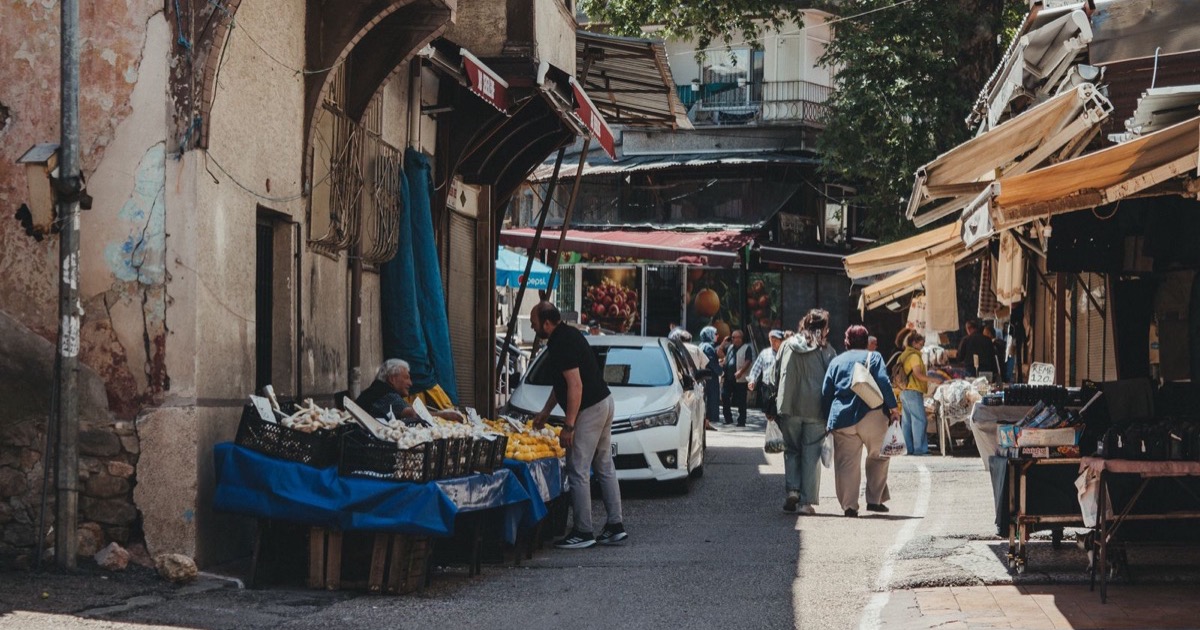
The old town, known locally as Kuşadası Eski Şehir, is a maze of narrow lanes lined with stone façades, bustling cafés, and colorful storefronts. Early mornings reveal soft shadows that enhance the texture of the historic walls, while late afternoons bring a warm glow ideal for candid portraits of locals. Look for the small square near the central bazaar where vendors arrange spices and textiles; the interplay of colors and movement creates dynamic compositions for travel photography.
Just a short stroll eastward lies the modern promenade along the waterfront. Here, sleek yachts dock beside contemporary sculptures, offering a contrast between old and new. Photographers can experiment with leading lines created by the boardwalk and capture reflections on the water during the golden hour. This area also serves as a popular spot for sunset photography, providing a wide vista of the harbor against the descending sun.
For those interested in night photography, the district surrounding the lighthouse offers a quieter backdrop. The lighthouse itself, perched on a low hill, is illuminated after dusk, and the surrounding streets are lit by low‑intensity street lamps that produce gentle pools of light—perfect for long‑exposure experiments and atmospheric shots.
Where can I capture the iconic sunset over Kusadasi’s harbor?
The most celebrated viewpoint is the terrace of the historic Kuşadası Castle, which juts out over the marina. From this elevation, the sun sinks behind the cluster of sailing boats, casting a warm palette across the sky and reflecting off the calm water. Arriving 30 minutes before sunset allows you to set up a tripod, adjust white balance, and frame the silhouette of the castle towers against the horizon.
Another excellent location is the beach park at Ladies Beach. The open shoreline provides an unobstructed line of sight to the western horizon, and the gentle roll of waves adds a subtle foreground element. Photographers often use a graduated neutral density filter here to balance the bright sky with the darker sand.
For a more intimate composition, the small pier near the fish market offers a foreground of wooden planks and fishing boats. As the sun descends, the market lights flicker on, creating a layered scene where commercial activity meets natural light.
| Location | Access | Best Time | Key Feature |
|---|---|---|---|
| Kuşadası Castle Terrace | Short walk from city center, slight incline | 30 min before sunset | Panoramic harbor view with historic silhouette |
| Ladies Beach Park | Shuttle or taxi, flat terrain | Sunset hour | Open horizon, wave foreground |
| Fish Market Pier | Near market, easy wheelchair access | Golden to blue hour | Blend of commercial lights and natural glow |
What are the top historic sites in Kusadasi for dramatic architectural shots?
The ancient city of Ephesus, though a short bus ride away, remains the crown jewel for architectural photography. Its marble columns, grand theater, and the iconic Library of Celsus provide strong geometric lines and dramatic lighting, especially during the early morning when the sun illuminates the façades from the east.
Closer to town, the 16th‑century Ottoman mosque near the harbor showcases intricate tile work and a soaring dome. The contrast between the whitewashed walls and the deep blue tiles creates a striking visual that works well in both color and monochrome formats. Interior shots benefit from a low ISO and a fast lens to capture the subtle patterns of light filtering through stained glass.
The lighthouse on the western tip of the peninsula, built in the early 1900s, offers a solitary silhouette against the sea. Approaching from the cliffside path at dusk yields a dramatic backdrop of clouds and the fading light, ideal for minimalist compositions that emphasize shape and negative space.
Which beaches in Kusadasi provide crystal‑clear water reflections for photography?
Kusadasi’s coastline offers several spots where the Aegean’s turquoise surface mirrors the sky, creating ideal conditions for reflective shots. Long Beach (Uzun Kumsal) stretches for several kilometers, its fine sand and gentle slope allow the tide to recede slowly, leaving calm pools that capture sunrise hues with remarkable fidelity. On the opposite side of the harbor, Ladies Beach (Kadınlar Plajı) is sheltered by a breakwater; the reduced wave action results in glass‑like water that reflects the pastel colors of early evening light. For those seeking a more secluded setting, Dilek Peninsula’s Kucuk Koy presents a tiny cove where the water’s clarity is unmatched, perfect for close‑up compositions of ripples and distant silhouettes.
When planning your shoot, consider the direction of the sun and the beach’s orientation. Beaches facing east, such as Long Beach, reward early‑morning sessions with soft, warm tones, while west‑facing spots like Ladies Beach provide dramatic golden‑hour reflections. Keep an eye on wind conditions; a gentle breeze will keep the surface smooth without flattening texture entirely.
| Beach | Water Clarity | Best Time | Photo Tip |
|---|---|---|---|
| Long Beach (Uzun Kumsal) | High – calm pools at low tide | Sunrise (5:30 – 7:00) | Use a tripod and a low‑angle to capture the sky’s reflection across the wet sand. |
| Ladies Beach (Kadınlar Plajı) | Very high – sheltered from waves | Sunset (19:00 – 20:30) | Employ a polarizing filter to deepen blues and reduce glare. |
| Kucuk Koy (Dilek Peninsula) | Exceptional – crystal‑clear cove | Mid‑day (11:00 – 13:00) when light is strong | Try a macro lens to isolate water textures and small shells. |
How can I photograph the busy market scenes in Kusadasi without disturbing locals?
Kusadasi’s bazaar is a vibrant tapestry of colors, sounds, and movement. Approaching the scene with respect ensures authentic images and a positive interaction with vendors. Begin by strolling through the alleys at a relaxed pace, allowing people to become accustomed to your presence. Use a medium‑range focal length (35‑85 mm) so you can stay a comfortable distance while still filling the frame with detail.
Lighting in the market fluctuates as awnings shift and sunlight filters through fabric canopies. A fast lens (f/2.8 or wider) helps maintain shallow depth of field, isolating subjects without forcing a flash that could startle shoppers. When you need to capture a candid expression, a silent shutter mode reduces audible disruption.
- Ask permission before photographing a vendor’s stall; a brief greeting in Turkish (“Merhaba”) often yields a friendly response.
- Prefer natural light; position yourself so the sun illuminates the subject from the side, creating depth without harsh shadows.
- Use a zoom lens to frame details from a distance, minimizing the need to step into crowded aisles.
- Capture motion by employing a slightly slower shutter (1/60 s) and panning with the subject, which conveys energy while keeping the background soft.
- Limit the number of consecutive shots of the same person; a quick burst followed by a pause shows consideration.
- Store your camera in a discreet bag rather than a large backpack; a low profile reduces perceived intrusion.
- When possible, photograph early in the morning when the market is less crowded, allowing you to compose shots with fewer obstacles.
What lenses and gear are ideal for shooting in Kusadasi’s varied lighting conditions?
Kusadasi’s landscape shifts from bright, sun‑drenched beaches to shaded historic streets and dimly lit interiors of ancient ruins. A versatile kit that addresses this range will keep you prepared. A 24‑70 mm f/2.8 zoom covers wide vistas, architectural details, and moderate portraits, delivering consistent exposure control across the focal range. Pair it with a lightweight 16‑35 mm f/4 for expansive seascapes and sunrise panoramas where you may need to capture a broad field of view without sacrificing edge sharpness.
For low‑light environments such as the interior of the Kusadasi Castle or evening market stalls, a fast prime—35 mm f/1.4 or 50 mm f/1.2—offers the ability to work at ISO 800‑1600 while preserving image quality. Complement the lenses with a circular polarizer to manage reflections on water and glass, and a neutral density filter for long exposures during bright midday hours. A sturdy yet compact tripod, preferably carbon‑fiber, provides stability for sunrise shots on the beach and for night‑time compositions of illuminated landmarks.
When is the optimal time of year to visit Kusadasi for vibrant color photography?
Spring, especially late April through early May, delivers a palette of pastel hues across the Aegean coastline. Wild poppies and bougainvillea begin to bloom along the promenade, while the low angle of the sun creates warm, elongated shadows that add depth to architectural details. Photographers who favor soft, saturated tones will find this window particularly rewarding.
Summer months (June‑August) provide brilliant, high‑contrast lighting that emphasizes the turquoise water and white stone facades. The intense midday sun can flatten textures, so the most colorful shots often come from early morning or late‑afternoon sessions when the light turns golden and the sea reflects subtle pinks and oranges.
Autumn, from mid‑September to early October, offers a gentle shift toward amber and rust tones. The foliage in nearby pine groves and the occasional drift of fallen leaves onto the beaches introduce unexpected color accents. Tourist crowds thin out, granting unobstructed compositions of historic sites against a warm sky.
Winter (November‑February) produces a cooler, muted spectrum, yet the dramatic overcast skies and occasional snow‑capped hills in the background create striking monochrome opportunities. If you are drawn to moody, low‑light scenes, the winter months can be surprisingly productive.
Are there any hidden alleys or lesser‑known spots in Kusadasi that photographers love?
Beyond the well‑trodden waterfront, the old quarter of Kusadasi conceals narrow passageways that wind between centuries‑old stone houses. These lanes often feature wooden shutters, hanging laundry, and modest street lamps that glow warmly after sunset, providing intimate urban vignettes.
Several discreet corners near the harbor have been repurposed as artist studios and small cafés. Their weathered brick walls and occasional graffiti offer a contrast to the polished tourist zones, making them ideal for street‑style or documentary photography. A short walk toward the lighthouse also reveals a series of basalt steps that lead to a quiet overlook, perfect for sunrise silhouettes.
- Çarşı Sokak – a cobbled lane lined with traditional shutters and occasional flower pots.
- Old Bazaar Back‑Alley – narrow passage behind the market stalls where colorful spices and textiles spill onto the ground.
- Lighthouse Approach Staircase – basalt steps that frame the sea and provide a rhythmic leading line.
- Pigeon Island Dockside – a low‑traffic pier with weathered wooden posts and gentle waves.
- Kuşadası Marina Service Yard – industrial containers painted in bright hues, ideal for abstract compositions.
- Kızkulesi Viewpoint Path – a short trail that ascends to a modest tower offering panoramic cityscapes.
- Seaside Olive Grove Trail – a quiet track shaded by ancient olive trees, where dappled light creates patterned ground textures.
How do I get the best night sky and star‑trail images from Kusadasi’s coastline?
The optimal period for astrophotography along the Aegean coast falls between October and March, when the nights are longest and the air is typically clear. Aim for dates around the new moon to minimize lunar illumination, which can wash out faint stars and Milky Way details.
Select a location with an unobstructed view of the southern horizon. The beach at Ladies Beach, the open stretch near Pigeon Island, and the cliffs of Dilek Peninsula all sit far from artificial lighting and provide a dark backdrop for star‑trail sequences. Setting up a sturdy tripod, a wide‑angle lens (14‑24 mm on full‑frame), and a remote shutter release will reduce camera shake during long exposures.
Begin with a series of 20‑30 second exposures, stacking 200‑300 frames to create smooth trails that curve around the coastline. If you prefer a single, ultra‑long exposure, use a neutral density filter and a shutter speed of 30 minutes or more, but be prepared for battery drain and potential sensor heating. Incorporating foreground elements—such as the silhouette of the lighthouse, a weathered pier, or a lone fisherman’s boat—adds scale and narrative to the celestial motion.
What local tours or workshops are available for photographers in Kusadasi?
Several operators run sunrise boat trips that circle the Aegean coastline, giving a clear view of the harbor, the lighthouse on Güvercin Island, and the distant silhouettes of ancient columns. Guides often point out optimal moments for silhouette work, and the calm early‑morning water provides a natural mirror for reflective compositions.
On land, a handful of boutique studios host half‑day workshops focused on street portraiture in the bustling market lanes and low‑light techniques inside historic cafés. These sessions include a brief history of the area, permission guidance for shooting locals, and hands‑on practice with lighting modifiers. For those interested in aerial perspectives, a licensed drone club offers group flights over the cliffs and the nearby national park, adhering to Turkey’s UAV regulations.
Can I capture the ancient ruins of Ephesus from Kusadasi’s perspective?
The western shoreline of Kusadasi offers several elevated spots where the ruins of Ephesus appear as a faint line against the horizon, especially during the golden hour. From Ladies Beach, a modest telephoto lens can compress the distance, turning the marble façades into striking silhouettes against the setting sun.
If you prefer more detail, a short ferry ride to the small island opposite the harbor positions you directly across the water from the Temple of Artemis and the ancient agora. From there, a wide‑angle lens captures the expansive layout of the site, while a polarizing filter helps manage the bright sky and bring out the stone’s texture.
Sources & Further Reading
Frequently Asked Questions
Do I need a permit to photograph public sites in Kusadasi?
General photography in public squares, beaches, and streets does not require a permit. However, using tripods or professional lighting in archaeological zones such as the ancient theater may need approval from the local heritage office. It is advisable to ask a staff member at the site’s information desk before setting up extensive equipment.
What is the best time of day for photographing the Kusadasi waterfront?
Early morning, just after sunrise, provides soft, directional light that highlights the pastel colors of the promenade and the gentle ripple of the sea. Late afternoon, around the hour before sunset, adds warm tones that enhance the reflections on the water and bring out the texture of the historic pier.
Which camera settings work best for the bright Aegean sun?
Start with a low ISO (100‑200) to keep noise at a minimum, and use a relatively small aperture (f/8‑f/11) to retain depth of field while controlling highlights. Spot metering on the brightest part of the sky helps prevent blown‑out clouds, and a fast shutter speed (1/500 s or quicker) freezes the movement of waves and passing boats.
Are there any photography‑friendly cafés with good natural light in Kusadasi?
Several cafés line the seafront terrace where large windows face the harbor, allowing ample side light for portrait or still‑life work. The interior layout often includes exposed brick walls that serve as neutral backdrops, and the morning rush is light enough to avoid harsh shadows.
How can I protect my gear from the salty sea breeze in Kusadasi?
Wrap lenses and camera bodies in microfiber cloths after each shoot, and store them in sealed plastic bags when not in use. A short‑term anti‑corrosion spray applied to metal parts can reduce the impact of salt particles, while a wind‑proof rain cover shields the equipment during breezy boat trips.
Is it easy to rent lenses or equipment locally in Kusadasi?
Several camera shops near the main promenade offer short‑term rentals of popular lenses, such as wide‑angle zooms and telephoto primes. Rental agreements typically require a passport copy and a modest deposit, and the staff can provide quick tutorials on using the gear in local lighting conditions.
What are the most Instagram‑worthy spots in Kusadasi for 2026?
The staircase leading to the lighthouse on Güvercin Island frames the sea in a dramatic way, especially when the sun is low. Another favorite is the mosaic‑tiled walkway beside the harbor, where the contrasting colors pop against the blue water. Both locations are reachable on foot or via a short boat ride.
How can I combine a visit to Ephesus with a photography day trip from Kusadasi?
Early‑morning buses depart from the central station and arrive at the Ephesus entrance before the crowds gather. After spending a few hours capturing the marble arches, you can return to Kusadasi in the afternoon and head to a nearby beach for sunset shots, making the most of a single day.
How should I protect my camera when shooting near the cliffs and sea spray?
Using a lens hood helps deflect water droplets, and a silicone skin around the camera body adds an extra barrier against moisture. Carry a microfiber cleaning cloth to wipe away any salt residue immediately after shooting, and consider a protective filter on the front element for added safety.
Plan each shoot around the local light cycles, keep spare batteries protected from humidity, and stay flexible with your itinerary to capture the ever‑changing colors of the Aegean coast.
Plan your trip
Book Istanbul attraction tickets
Skip-the-line tickets and guided tours for Istanbul's top sights, with mobile tickets and flexible cancellation.
See tickets on TiqetsWe may earn a commission from bookings made through this link, at no extra cost to you.
Reviewed by our editor for Türkiye & the Eastern Mediterranean
Elif DemirTürkiye & Eastern Mediterranean Editor
Travel writer covering Türkiye and the Eastern Mediterranean, from Istanbul's old city to the Aegean coast.
More articles by Elif Demir →