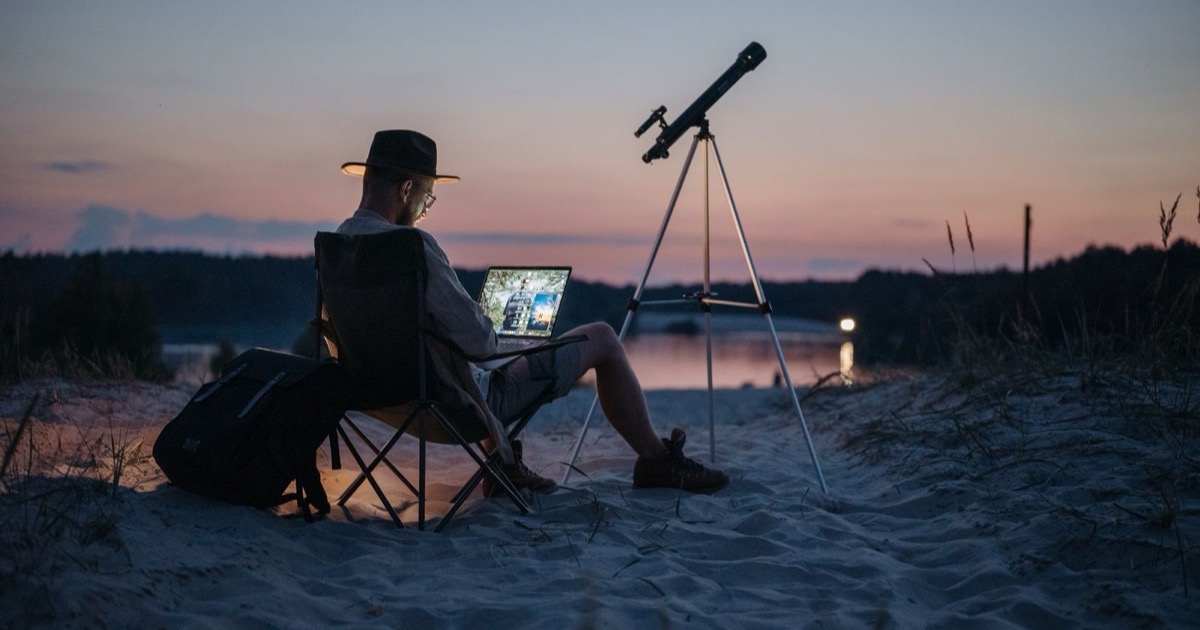

Welcome to the Kusadasi digital nomad guide for 2026, a practical roadmap for anyone planning to blend work and Mediterranean life on Turkey’s Aegean coast.
Welcome to the Kusadasi digital nomad guide for 2026, a practical roadmap for anyone planning to blend work and Mediterranean life on Turkey’s Aegean coast. The city’s mix of historic streets, modern amenities, and a growing community of remote professionals makes it an attractive base for long‑term projects. This guide cuts through the noise, focusing on the essentials: internet performance, coworking options, and coffee‑shop workspaces that keep you productive while you soak up the sea breeze. Read on for the facts that matter most.
How reliable is the internet connectivity in Kusadasi for remote work?
Kusadasi benefits from a nationwide fiber backbone that reaches most commercial districts and many residential neighborhoods. Providers routinely advertise download speeds of 150 Mbps and upload speeds of 50 Mbps in the city centre, which comfortably supports video conferencing, large file transfers, and cloud‑based collaboration tools. The recent rollout of micro‑cell zones has filled previous coverage gaps, delivering consistent 4G LTE and expanding 5G service to popular coworking hubs and tourist corridors. Users report latency well below 30 ms on the main routes, a level that feels indistinguishable from a home office in a major European capital.
For nomads who need redundancy, many cafés and coworking venues keep a secondary 4G/5G router on standby, allowing a quick switchover if the primary line experiences a brief outage. Power supply in the city is stable, with most workspaces equipped with UPS units that protect against the occasional grid fluctuation. The cost of a high‑speed broadband package averages around €30–€45 per month, a price that aligns with the overall affordability of the region.
Which coworking spaces in Kusadasi offer the best facilities for digital nomads?
The coworking landscape in Kusadasi has matured rapidly, offering environments that balance professional infrastructure with a sense of community. One of the most referenced locations is the Olive Grove co‑living space, which pairs private rooms with an open‑plan office that includes ergonomic furniture, standing desks, and sound‑proof phone booths. Another popular venue is Eliada Hub, situated near the promenade; it provides high‑speed fiber, meeting rooms equipped with video‑conference hardware, and a rooftop terrace that doubles as a networking lounge. A third option, the Kusadasi Co‑Work Hub, focuses on affordability while still delivering reliable Wi‑Fi, printer services, and a small café that serves locally sourced snacks.
All three spaces host regular events such as skill‑sharing workshops, language exchanges, and evening socials, fostering connections among freelancers, startup founders, and remote employees. Membership models are flexible: daily passes, weekly rates, and monthly subscriptions are all available, allowing you to scale your commitment based on the length of your stay. Most locations also include 24‑hour access, a crucial feature for those who work across time zones.
| Space | Key Facilities | Typical Monthly Cost | Community Features |
|---|---|---|---|
| Olive Grove Co‑Living | Fiber 200 Mbps, ergonomic desks, phone booths, rooftop terrace | €250‑€350 (includes accommodation) | Weekly workshops, social evenings, mentorship program |
| Eliada Hub | Fiber 150 Mbps, video‑conference rooms, standing desks, café | €120‑€180 | Language exchange, networking mixers, guest speaker series |
| Kusadasi Co‑Work Hub | Fiber 100 Mbps, printers, basic desk setups, 24‑hour access | €80‑€110 | Daily community board, occasional meet‑ups, local business partnerships |
Where can I find coffee shops with strong Wi‑Fi in Kusadasi?
Third‑wave coffee establishments have sprouted along the main promenade and in the historic market quarter, many of which prioritize a work‑friendly environment. A standout spot near the waterfront offers a spacious interior, power outlets at each table, and a dedicated “quiet zone” where conversations are kept to a minimum. Their Wi‑Fi consistently registers speeds above 30 Mbps, enough for simultaneous video calls and cloud editing. The menu leans toward specialty brews and light bites, making it easy to sustain a full workday without needing to leave the premises.
Further inland, a boutique café tucked behind the bazaar provides a more intimate setting with natural light and a garden patio that opens during the warmer months. The venue’s router is positioned to cover both indoor and outdoor seating, and staff are accustomed to remote workers, often extending the Wi‑Fi password for the entire day. In addition to coffee, the shop serves fresh pastries and locally sourced fruit, creating a balanced snack option for long sessions of concentration.
What is the cost of living for a digital nomad in Kusadasi in 2026?
Kusadasi offers a price structure that is considerably lower than most Western European coastal towns, yet it retains the amenities required for a productive remote‑working lifestyle. A typical monthly budget for a single nomad ranges from €900 to €1,300, depending on accommodation preferences, dining habits, and the frequency of coworking‑space usage. Basic groceries, public transport tickets, and utilities keep the overall outlay modest, while occasional weekend trips to nearby historical sites add a flexible variable component.
When you compare the cost of living with other popular Aegean destinations, Kusadasi stands out for its affordable housing market and the prevalence of mid‑range cafés equipped with reliable power outlets. The city’s micro‑cell zones guarantee high‑speed broadband across most residential districts, eliminating the need for expensive mobile data plans that are common in less connected locales.
| Expense Category | Monthly Cost (EUR) | Notes |
|---|---|---|
| Long‑term rental (studio/1‑bedroom) | 400‑650 | Options include sea‑view apartments, central flats, and shared houses. |
| Coworking membership | 80‑150 | Hot‑desk versus dedicated desk pricing. |
| Food (groceries + occasional dining) | 150‑250 | Local markets provide fresh produce at low prices. |
| Transportation (dolmuş, bus, occasional taxi) | 30‑50 | Monthly passes are economical for daily commutes. |
| Internet (if not included in rent) | 15‑25 | Fiber plans deliver up to 1 Gbps. |
| Leisure & activities | 70‑120 | Includes beach access, museum tickets, and occasional outings. |
How do I obtain a visa or permit to work remotely from Kusadasi?
Turkey has adapted its visa framework to accommodate the growing community of location‑independent professionals. The most straightforward route for digital nomads is the e‑Visa, which grants a 30‑day stay and can be extended once for an additional 30 days. For longer projects, the “Remote‑Work Permit” introduced in 2024 allows stays of up to 12 months, provided certain income and insurance criteria are satisfied.
Applicants must demonstrate a stable remote‑earning source, typically through bank statements or contract confirmations, and secure health coverage that is valid in Turkey. The process is primarily online, but a brief in‑person verification at a local immigration office may be required after the initial entry.
- Apply for an e‑Visa through the official Turkish government portal; the fee is modest and processing is immediate.
- If planning a stay longer than 60 days, request the Remote‑Work Permit via the Ministry of Interior’s e‑government portal.
- Prepare proof of monthly income (minimum €2,000) from abroad, shown through recent bank extracts or freelance platform payouts.
- Obtain travel health insurance covering the entire intended period; a policy with at least €30,000 coverage is standard.
- Schedule a short appointment at the nearest Göç İdaresi (immigration) office within two weeks of arrival to validate the permit.
- Pay the applicable residence‑permit fee; rates differ for single applicants versus families.
- Renew the permit online before the expiration date to avoid a gap in legal status.
Which neighborhoods in Kusadasi are most suitable for long‑term stays?
The city centre, often referred to as Eliada, offers immediate access to the promenade, cafés with strong Wi‑Fi, and a dense network of public transport. Its compact layout makes it easy to walk to coworking spaces, supermarkets, and cultural venues, which is advantageous for those who prefer a vibrant, walkable environment.
For a quieter atmosphere, the district of Kucukcekmece provides a blend of residential streets and sea‑view apartments. The area is known for its leafy avenues, lower rental rates compared with the centre, and proximity to several local markets that stock fresh produce at competitive prices.
Another option gaining popularity among remote workers is the “Olive Grove” co‑living complex located on the outskirts of the city. While technically a purpose‑built community rather than a traditional neighbourhood, it offers shared workspaces, organized social events, and short‑term lease flexibility, making the transition to a longer stay smoother for newcomers.
What transportation options are available for getting around Kusadasi while working remotely?
Kusadasi’s public transport network is built around a dense web of dolmuş minibuses that run every 10‑15 minutes along the coastal boulevard and into the inland neighborhoods. Routes are clearly marked, tickets can be bought on board for a modest fare, and most vehicles now carry free Wi‑Fi thanks to the city’s microcell zones. This means you can join a video call or upload a file while cruising to a seaside cafe, provided you stay within the coverage envelope that extends roughly 1.5 km from the main thoroughfares.
If you prefer a quieter ride, the municipal bus system offers air‑conditioned coaches that connect the airport, the ferry terminal, and the historic district. Buses stop at designated “work‑stop” shelters equipped with power outlets and a signal booster, allowing you to keep your laptop charged during the short commute. Day passes are available and can be loaded onto a contactless card, which also works on the city’s bike‑share program.
For shorter trips, electric scooter rentals have proliferated near popular coworking cafes and beachfront promenades. The scooters are dock‑less, can be unlocked via a mobile app, and operate on the same high‑speed cellular grid that supports fast Wi‑Fi in the city centre. Taxis remain plentiful; most drivers accept credit cards and many newer models feature built‑in navigation that highlights Wi‑Fi hotspots along the route, a useful feature for those who need a reliable connection on the move.
How safe is Kusadasi for solo digital nomads?
Kusadasi consistently ranks among the safer Turkish coastal cities for independent travelers. Police presence is visible in tourist zones, and the municipal “Safe Streets” initiative has installed surveillance cameras at major intersections and near popular nightlife venues. The city’s emergency response system is integrated with a multilingual hotline that can be accessed via smartphone, ensuring help is reachable even if language barriers arise.
Solo travelers benefit from the active expatriate community that gathers in coworking spaces and evening meet‑ups. These groups often share real‑time updates about neighbourhood safety, and many members use a shared channel on popular messaging apps to alert each other about any unusual activity. The combination of official security measures and peer‑to‑peer vigilance creates an environment where most solo digital nomads feel comfortable navigating the city after dark.
- Keep your device’s location services turned off when not needed to reduce tracking risks.
- Store valuables in a hotel safe or a locked locker at your co‑living residence.
- Use registered taxis or ride‑share apps rather than hailing vehicles on the street.
- Stay within well‑lit streets after sunset, especially in areas outside the main promenade.
- Carry a copy of your passport and a digital backup in a secure cloud folder.
- Inform a trusted contact of your daily itinerary when exploring remote beaches or archaeological sites.
- Check the latest travel advisories from your home country’s embassy before venturing into less‑touristed districts.
What leisure activities can I enjoy after work in Kusadasi?
After a day of remote work, the city offers a range of options that blend relaxation with cultural immersion. The waterfront promenade is lined with third‑wave coffee houses that double as evening social hubs; many of these venues host open‑mic nights, language exchange gatherings, and low‑key DJ sets that cater to the digital nomad crowd. Because the cafés are equipped with fast Wi‑Fi Kusadasi, you can stay connected while enjoying a sunset cocktail.
For those who prefer outdoor movement, the nearby Ladies Beach provides a stretch of soft sand where you can practice yoga, paddleboard, or simply walk along the shoreline. Evening boat tours depart from the harbor and include short trips to the historic Pigeon Island, offering a calm setting for a nightcap under the stars. The tours are organized by operators who accept online bookings, making it easy to schedule a sail around your work commitments.
Kusadasi’s nightlife scene has evolved to accommodate remote professionals seeking both entertainment and networking. Several rooftop bars located atop affordable housing complexes feature weekly “Remote Mixer” events where freelancers exchange project ideas over mezze plates. The venues maintain a moderate volume level, allowing conversations without shouting, and most have a reliable internet connection in case you need to check a deadline before heading home.
How can I connect with the digital nomad community in Kus Aydın?
Most remote workers gather around a handful of coworking venues that host weekly “open‑desk” evenings. These events combine informal networking with short talks on topics such as freelance contracts, travel hacks, or local culture. Attending a couple of sessions gives newcomers a chance to exchange contact details and learn which cafés or parks are favored for quiet focus.
Social media plays a big role. Dedicated Telegram channels, a Facebook group for “Kus Aydın Remote Workers,” and an Instagram hashtag showcase meet‑ups, language‑exchange nights, and pop‑up workshops. Joining these platforms before arrival lets you schedule a coffee with a resident nomad as soon as you land.
For those who prefer a more structured environment, the city’s cultural centre runs a monthly “Nomad Mixer” in partnership with the local university. The program includes a short presentation on Turkish business etiquette, followed by a relaxed networking session. It’s an easy way to meet both expatriates and Turkish entrepreneurs interested in collaboration.
Are there affordable short‑term rentals or coliving options in Kus Aydın?
Short‑term apartments are plentiful in the historic district, where many owners list rooms on popular booking platforms for stays of one month or longer. Prices typically start at a modest rate for a studio with a private bathroom, and many hosts provide a high‑speed Wi‑Fi connection as part of the package.
Coliving spaces have emerged to meet the specific needs of remote professionals. One well‑known hub offers fully furnished rooms, shared kitchens, and dedicated work zones equipped with ergonomic chairs and power outlets. The community‑focused model includes weekly social events, making it simple to forge friendships without leaving the building.
For travelers on a tighter budget, guesthouses on the outskirts of the city center often have private rooms with communal lounges. These establishments frequently negotiate discounted rates for stays longer than three weeks, and they usually provide a quiet courtyard where you can set up a laptop and enjoy a sea breeze.
Sources & Further Reading
Frequently Asked Questions
What is the typical monthly internet speed available to remote workers?
Most coworking venues and modern apartments advertise download speeds ranging from 80 Mbps to 150 Mbps. The city’s recent upgrade to fiber‑optic infrastructure ensures that latency remains low, which is essential for video calls and large file transfers. In most cases, the advertised speed is consistently delivered throughout the day.
Do I need a special visa to work remotely from Turkey?
Turkey offers a short‑term tourist visa that allows stays of up to 90 days without work permits, which many digital nomads use while they are not receiving income from a Turkish source. For longer residencies, the country provides a “digital nomad visa” that grants permission to work abroad for up to one year, provided you meet income thresholds and health insurance requirements.
Which coworking space is most frequented by the nomad crowd?
The coworking hub located near the waterfront attracts the highest number of remote professionals. It combines a modern design with private phone booths, meeting rooms, and a rooftop terrace. Regularly scheduled workshops and a vibrant community board keep members engaged and informed about local events.
How much does a one‑bedroom apartment cost for a month?
In the central district, a one‑bedroom unit with a fully equipped kitchen and reliable Wi‑Fi typically rents for a price range that sits comfortably between mid‑range and affordable levels. Seasonal fluctuations can affect the exact figure, but the market remains competitive throughout the year.
Are public transport options reliable for reaching workspaces?
The city’s dolmuş network runs frequently between the main square, the beachfront, and the outskirts where many residential complexes are located. Buses operate on a fixed schedule and are equipped with Wi‑Fi on several routes, making them a convenient choice for daily commutes to coworking venues.
Which cafés stay open late and support a productive atmosphere?
Several independent coffee houses near the promenade keep their lights on until the early hours. They provide ample plug points, strong espresso, and a calm background music selection. The ambiance is deliberately designed to accommodate both solo workers and small groups looking for a relaxed setting.
Is the city considered safe for solo female travelers?
Crime rates in the tourist zones are low, and the local police maintain a visible presence, especially during peak season. Most visitors report feeling comfortable walking alone at night, particularly in well‑lit areas near the marina and main promenade. As with any destination, basic precautions such as keeping valuables out of sight remain advisable.
Can I find networking events tailored to remote professionals?
Beyond the regular coworking meet‑ups, the cultural centre hosts quarterly “Remote Work Forum” sessions that feature guest speakers from various industries. These gatherings are advertised on the city’s expat newsletters and often include a social component where participants can exchange business cards.
What healthcare options are available for long‑term visitors?
The public hospital in the city center offers emergency services and routine check‑ups, while several private clinics provide English‑speaking staff and shorter waiting times. Many long‑term travelers opt for a short‑term international health insurance plan that covers both public and private facilities.
By aligning your accommodation choice with reliable internet, tapping into the existing community channels, and planning around the city’s transport rhythm, you can settle into a productive routine while enjoying the Mediterranean atmosphere. Keep an eye on seasonal events, as they often introduce fresh networking opportunities and cultural experiences.
Plan your trip
Book Istanbul attraction tickets
Skip-the-line tickets and guided tours for Istanbul's top sights, with mobile tickets and flexible cancellation.
See tickets on TiqetsWe may earn a commission from bookings made through this link, at no extra cost to you.
Reviewed by our editor for Türkiye & the Eastern Mediterranean
Elif DemirTürkiye & Eastern Mediterranean Editor
Travel writer covering Türkiye and the Eastern Mediterranean, from Istanbul's old city to the Aegean coast.
More articles by Elif Demir →