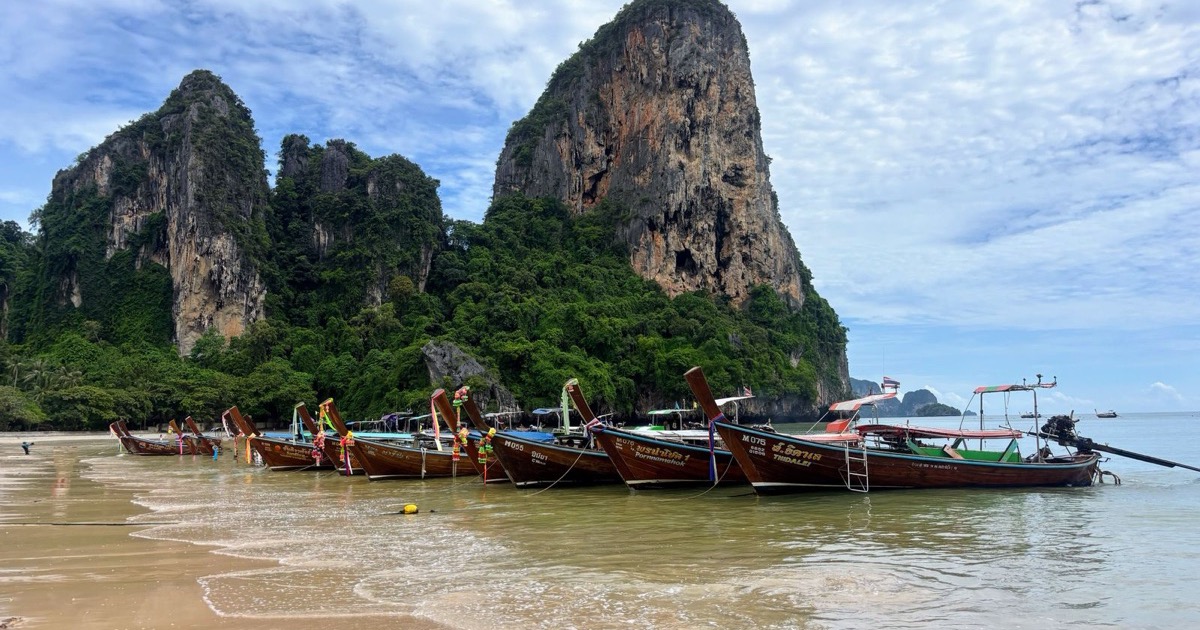

Railay Beach sport climbing draws adventurers from across Thailand and beyond, thanks to its dramatic limestone cliffs and laid‑back backpacker vibe. Accessible
Railay Beach sport climbing draws adventurers from across Thailand and beyond, thanks to its dramatic limestone cliffs and laid‑back backpacker vibe. Accessible only by boat, the peninsula feels like a secret playground where more than 700 routes await every skill level. The combination of reliable weather, a thriving community of guide services, and a range of climbing schools makes it a top choice for Thailand climbing holidays. Whether you’re chasing a first ascent or polishing your technique, Railay offers the perfect backdrop for unforgettable climbs.
What makes Railay Beach a world‑class sport climbing destination?
The sheer verticality of the limestone cliffs creates natural walls that range from gentle slabs to overhanging roofs, providing a diverse palette of climbing grades. Because the beach is boat access only, traffic is limited and the crags retain a peaceful atmosphere that many other coastal spots lack. Local guide outfits run Railay climbing courses tailored to all abilities, ensuring newcomers receive solid instruction while seasoned climbers can fine‑tune advanced techniques.
Seasonal climbing conditions are another advantage: the dry months from November to April deliver consistent sunshine and low humidity, ideal for both top rope climbing and lead routes. During the rainy season, occasional showers soften the rock, offering a different texture that some climbers find appealing, though it does require extra attention to climbing safety tips such as checking holds for slipperiness.
Which climbing routes at Railay are best for beginners?
For those new to rock climbing Railay, the East Beach sector presents a collection of well‑bolted routes that stay within the easy to moderate climbing grades (5.6‑5.9). These lines often feature spacious ledges, making them perfect for practicing footwork and learning to trust the rope during top rope climbing sessions. The popular “Mango Tree” and “Sunset” routes are highlighted in many Railay climbing routes guidebooks for their friendly angles and clear holds.
In addition to sport routes, bouldering at Railay offers low‑commitment problems that help beginners develop power and technique without the need for a full harness setup. The bouldering area near Phra Nang Cave is equipped with crash pads provided by local climbing schools, and the problems are graded using the V‑scale, making progress easy to track.
| Feature | East Beach (Beginner) | Phra Nang Bouldering |
|---|---|---|
| Typical Grade | 5.6‑5.9 | V0‑V2 |
| Route Length | 15‑25 m | 2‑4 m |
| Safety Setup | Top rope or lead with bolts | Crash pads, spotters |
| Best Season | Dry season (Nov‑Apr) | Dry season, early rain |
| Guide Availability | Multiple schools offer intro courses | Often included in beginner workshops |
Which Railay crags offer challenging routes for experienced climbers?
Experienced climbers head straight to the West and Tonsai crags, where the routes push grades into the 5.12‑5.13 range and feature sustained overhangs, tiny crimps, and dynamic moves. The iconic “Superhero” line on the West Wall is renowned for its powerful sequences and demanding endurance, while “The Dragon” on Tonsai delivers a technical slab that tests precision footwork at higher grades.
These crags also host occasional competition events, drawing climbers from across Southeast Asia who seek to test their limits on some of the most demanding limestone terrain in the region. Because the routes are fully bolted, climbers can focus on the movement without worrying about gear placement, but they must still respect climbing safety tips, especially during the rainy season when bolt corrosion can become a concern.
What equipment do I need to bring for sport climbing at Railay?
Railay’s limestone cliffs are renowned for their pocketed holds and vertical lines, which means a well‑chosen gear set can make the difference between a smooth ascent and a frustrating day. A standard sport‑climbing rack for this area includes a pair of half‑rope quickdraws (minimum 12 mm), a few longer draws (up to 60 cm) for routes with spaced bolts, and a set of quick‑draws with elastic‑linked extensions for routes that feature overhangs. Most crags on Railay use bolts spaced at 2–3 meters, so a total of 12–15 draws per day is a safe baseline.
In addition to draws, bring a reliable belay device compatible with 9‑mm to 11‑mm ropes; many climbers favor tubular or assisted‑braking devices for the added security on long routes. A dynamic rope of 60 meters, 9.8 mm diameter, is the most common choice, offering enough length for the longest routes on the main cliffs while remaining manageable in the humid climate. A pair of climbing shoes with a downturned profile and sticky rubber will help you maximize friction on the often slick limestone, especially during the early morning when the rock is still damp.
Don’t overlook the small but essential items: a chalk bag (preferably with a breathable cover), a set of finger‑size cams or nuts for any occasional trad sections, a personal first‑aid kit, and a waterproof bag to protect your gear from sudden tropical showers. When packing, arrange your equipment in a dry sack that can be sealed; the rainy season can bring sudden downpours, and keeping your gear dry prolongs its life.
- Check that all quickdraws have fresh, non‑corroded carabiners before you head out.
- Mark the rope length you intend to use on each route to avoid excess drag.
- Carry a spare set of quickdraws in case of damage or loss on the crag.
- Use a lightweight rain cover for your chalk bag to keep powder dry.
- Inspect your belay device for wear on the camming surfaces before each session.
Where can I rent climbing gear on Railay Beach?
Several small shops line the main promenade between the West and East sides of Railay, each offering a range of rental packages tailored to day‑trippers and longer stays. The most popular spots are located near the main pier, where you’ll find a handful of operators that stock everything from basic shoes and harnesses to full rope kits. Rental rates are usually charged per day, with discounts for multi‑day bookings; most places will also allow you to swap out a piece of equipment if you discover a better fit during your climb.
When selecting a rental shop, look for a business that keeps its gear in a clean, ventilated area and performs regular inspections. Many shops display a simple checklist at the front desk, indicating the last service date for ropes and the condition of carabiners. If you’re uncertain about sizing, ask the staff to help you try on harnesses and shoes; a proper fit is crucial for safety and comfort on the longer routes that dominate Railay’s crags.
Payment is typically accepted in Thai baht, and most establishments will issue a receipt that includes a brief liability clause. It’s a good idea to take photos of the equipment before you leave the shop, especially if you’re renting a rope, to document its condition in case of any disputes later.
Are there guided climbing courses or schools available at Railay?
Railay has become a hub for climbing instruction, with several certified schools operating year‑round. These schools offer courses ranging from introductory top‑rope sessions for absolute beginners to advanced lead‑climbing clinics that focus on technique, route reading, and safety management on the more demanding limestone routes. Classes are usually limited to small groups (four to six climbers) to ensure personalized feedback and safe supervision.
Most courses require a brief pre‑assessment to gauge your current skill level and assign you to the appropriate class. Instructors are typically certified by international bodies such as the International Federation of Sport Climbing (IFSC) or the American Alpine Club, and they emphasize climbing safety tips that are specific to the local environment, such as handling wet limestone and navigating the occasional loose bolt.
Beyond formal instruction, many schools also arrange guided outings to the lesser‑known crags on the peninsula, providing a chance to explore new lines with a local guide who knows the optimal approach routes and the best times to avoid the midday heat. These guided trips often include a brief safety briefing, a gear check, and a shared lunch, making them a convenient way to experience a full day of climbing without the logistics of planning every detail yourself.
What is the best time of year to climb on Railay’s limestone cliffs?
The most reliable climbing window runs from November through early April. During these months the monsoon retreats, humidity drops, and the limestone dries quickly after sunrise, giving routes a firm texture and clear holds. Morning sessions are especially pleasant because the sea breeze keeps temperatures comfortable even when the sun climbs higher.
May to October marks the rainy season, when short but intense showers can appear at any time. While the rain does not always stop climbing entirely—many climbers enjoy the dramatic clouds and cooler air—wet limestone becomes slick, and the risk of rockfall increases. If you plan a trip in this period, schedule flexibility and a willingness to shift days are essential.
December and January often bring the calmest conditions, with low wind and clear skies. However, these months are also the busiest, so booking accommodation and any guided services well in advance is advisable.
How do I stay safe while sport climbing on Railay’s cliffs?
Safety on Railay starts with a solid assessment of the route’s condition. Even well‑maintained bolts can be compromised by corrosion in salty air, so a quick visual check of each anchor is a good habit. If a bolt looks questionable, replace it with a quick‑draw or move to an alternative line.
Because most routes are bolted, a standard sport‑climbing setup—double ropes, a set of quick‑draws, and a reliable belay device—covers the technical needs. Many climbers also carry a small chalk bag to keep hands dry, as humidity can make grip more demanding.
Below is a quick reference for common safety considerations on Railay’s crags:
| Aspect | Recommendation | Why it matters |
|---|---|---|
| Bolt inspection | Check each bolt before clipping | Corrosion can weaken anchors, especially near the sea |
| Weather watch | Monitor local forecasts, especially for sudden squalls | Rain makes limestone slippery and increases rockfall risk |
| Footwear | Use sticky, well‑fitted climbing shoes | Dry limestone demands precise foot placement |
| Partner communication | Agree on commands and emergency procedures | Clear signals reduce confusion on long routes |
| Top‑rope backup | Consider a second rope on routes with long run‑outs | Provides extra safety if a primary rope fails |
What are the access and transportation options for getting to Railay’s climbing areas?
Railay is a peninsula reachable only by boat, which adds a scenic element to the journey. The most common departure points are Ao Nang, Krabi Town, and the nearby island of Koh Lanta. Long‑tail boats run frequently throughout the day, with a typical crossing taking 10–15 minutes from Ao Nang.
For those staying in Krabi Town, a shared minivan to Ao Nang followed by a boat transfer is a cost‑effective route. Private speedboats are also available for groups, offering a faster crossing (about 5 minutes) and the ability to schedule departures outside the regular timetable.
Once on the peninsula, the main climbing crags—Phra Nang, Tonsai, and the West Wall—are reachable on foot via well‑marked trails. Most routes start within a short walk from the beach, and many climbing schools provide shuttle services for larger groups or for those carrying heavy gear.
Expert Opinion: Local guide Somchai notes that “the best way to avoid crowds on popular walls is to start early in the morning, especially during the high season. The sunrise light also highlights the texture of the limestone, making route reading easier.”
Practical Tips for Visiting Krabi
- Acclimate to humidity: Spend the first day doing light activities near the beach to let your body adjust to the tropical moisture before tackling demanding climbs.
- Pack a dry‑bag: Keep your climbing shoes, chalk, and electronics sealed against occasional spray from the sea or sudden showers.
- Use reef‑safe sunscreen: The marine environment around Railay is protected, so choose a sunscreen that does not harm coral.
- Reserve guides ahead: Popular climbing schools fill up quickly in the peak months; booking at least two weeks in advance secures your preferred dates.
- Carry cash: Small vendors, boat operators, and some climbing shops prefer cash, and ATMs can be scarce on the peninsula.
- Respect local customs: Dress modestly when leaving the beach area and be mindful of noise levels near residential zones.
- Check tide tables: Some bouldering spots are only accessible at low tide; planning around the tide schedule prevents wasted trips.
Recommended Krabi Activities
Frequently Asked Questions About Krabi
Do I need a climbing permit to climb at Railay Beach?
No formal climbing permit is required to ascend the sport routes that line the limestone cliffs of Railay Beach. The Thai Department of National Parks manages the surrounding forest, and entry to the national park is covered by a small daily fee paid at the main gate. That fee grants you access to all marked trails, including the climbing crags, so you do not need an additional permit for sport climbing. If you plan to climb in the protected mangrove zone or set up permanent anchors, you must obtain written permission from park officials. Keep a copy of your ticket handy, as park rangers occasionally request proof of entry.
Can I bring my own rope and harness to Railay?
Yes, you are free to bring your own rope, harness, quickdraws, and chalk bag to the crags at Railay Beach. Most climbers prefer personal gear because it ensures familiarity with rope length, knot preferences, and wear patterns. Local gyms such as the popular climbing center near the beach also rent out full sport‑climbing kits for a daily fee, which can be a convenient backup if you forget an item. When you bring your own equipment, be mindful of the tropical humidity; store ropes in a breathable sack and wipe down metal hardware after each session to prevent corrosion. The primary benefit of using your own gear is that you can maintain the same safety standards you are accustomed to during Railay Beach sport climbing adventures.
What is the typical cost of a half‑day climbing course on Railay?
A half‑day introductory sport‑climbing course on Railay typically costs between 1,200 and 1,800 Thai baht per person, depending on the provider and the season. The fee usually includes a certified instructor, use of a rope, harness, shoes, and a set of quickdraws for the duration of the lesson. Many schools also bundle a brief safety briefing, a guided warm‑up on easy routes, and a short session on basic knot tying into the price. Some operators offer a discount if you book a full‑day package or combine the course with a guided rock‑tour of the surrounding cliffs. Always confirm whether the quoted price covers insurance coverage, as this can affect your overall expense for a safe Railay Beach sport climbing experience.
Are there any climbing restrictions during the monsoon season?
During the monsoon months, roughly from May to October, heavy rain and high tides can make several sport routes unsafe or completely inaccessible. Water can seep into bolt pockets, turning them slick, and sudden downpours increase the risk of rockfall on the lower sections of the crags. The local climbing community typically closes the more exposed faces, such as those on the east side of the peninsula, until the weather stabilizes. Before heading out, check the latest forecast from the Thai Meteorological Department and ask the staff at nearby gyms for real‑time updates on route conditions. Even when the monsoon is active, some shaded bouldering areas and indoor walls remain usable, allowing you to keep training without compromising safety.
Is there a place to store my belongings while I’m climbing?
Most of the larger beachfront resorts and climbing gyms on Railay provide secure locker rooms where you can store shoes, backpacks, and personal items while you climb. These lockers are usually accessed with a key or a digital code and cost a nominal daily fee, often included in the price of a day pass at the gym. If you are staying in a bungalow or guesthouse, ask the owner whether they have a locked storage room; many accommodations keep a communal safe for guests’ valuables. For longer trips, some climbers rent a small waterproof dry bag and keep it in their rented motorbike’s storage compartment, which offers an extra layer of protection against sand and rain. Always double‑check that your belongings are locked and that you have a backup plan for any items you cannot leave unattended during a full‑day climbing session.
How crowded are the popular routes during peak tourist season?
The most popular sport routes on Railay, especially those on the West and South cliffs, tend to fill up quickly during the high tourist season from November through February. Early mornings, before 08:00, usually see fewer climbers, giving you a quieter environment and better access to the best belay spots. Midday, particularly between 11:00 and 14:00, is when the crags become busiest, as day‑trippers and guided groups converge on the same lines. If you prefer a less crowded experience, consider tackling the less‑traveled routes on the East side or exploring the newly developed bouldering fields that attract fewer visitors. Keeping an eye on the local climbing board at the main gym can also help you gauge current traffic and plan your ascent accordingly for a smoother Railay Beach sport climbing day.
What are the emergency services like on Railay Beach for climbing accidents?
In the event of a climbing accident on Railay, the nearest medical facility is the Krabi Provincial Hospital, located about 30 minutes by road from the peninsula. For more immediate assistance, a small clinic operates within the Railay village and can provide basic first‑aid, wound cleaning, and stabilization before evacuation. Local rescue teams, trained in rope‑based extrication, are on call and can be reached through the emergency number 1669, which connects you to the Thai emergency response system. Many climbing gyms keep a stocked first‑aid kit and have staff members certified in CPR and basic wilderness rescue, so notifying the gym staff can expedite help. It is advisable to carry a personal emergency contact card with your name, medical conditions, and a brief description of your climbing itinerary, as this information can speed up the response in a critical situation.
With its dramatic limestone walls, reliable warm weather, and a welcoming climbing community, Railay Beach sport climbing remains a top destination for adventurers in 2026. By planning around permits, seasonal conditions, and local services, you can focus on the routes that matter most to you. Remember to respect the environment, keep your gear in good order, and stay informed about safety protocols for a rewarding experience. Happy climbing, and enjoy the unique blend of challenge and natural beauty that only Krabi can offer.
Plan your trip
Tours, tickets & activities
Browse and book experiences, attraction tickets and day trips on Klook, with instant confirmation.
Explore experiences on KlookWe may earn a commission from bookings made through this link, at no extra cost to you.
Reviewed by our editor for Asia & the Middle East
Sarah ChenAsia & Middle East Editor
Travel writer covering Southeast Asia, East Asia and the Gulf — temples, street food and modern cities.
More articles by Sarah Chen →