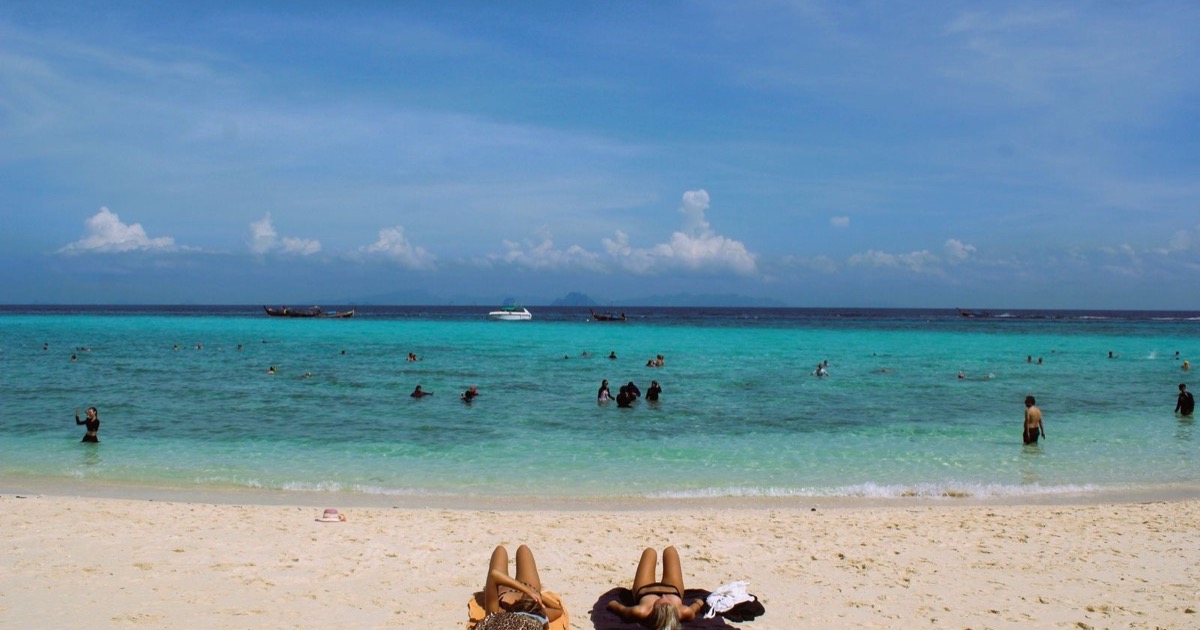

Travelers seeking an island that still feels untouched will find Koh Jum eco resorts perfectly aligned with that desire. Tucked between Krabi and Koh Lanta, thi
Travelers seeking an island that still feels untouched will find Koh Jum eco resorts perfectly aligned with that desire. Tucked between Krabi and Koh Lanta, this speck of land offers a quiet alternative to the crowded hotspots of southern Thailand. In the 2026 travel guide, Koh Jum stands out for its commitment to sustainable tourism and low‑impact development. Whether you are planning a budget travel Thailand adventure or a relaxed getaway, the island’s simple charm invites you to slow down.
What makes Koh Jum an undeveloped paradise compared to other Thai islands?
Koh Jum island Thailand remains largely free from the high‑rise resorts that dominate nearby destinations. The northern tip, known locally as Koh Pu, retains a handful of sandy coves where only a few wooden bungalows dot the shoreline. This scarcity of mass tourism infrastructure means that visitors can walk miles of pristine beach without encountering crowded beach clubs or loud music.
The island’s development philosophy emphasizes low‑impact construction, using locally sourced bamboo and reclaimed wood. Because the community relies on fishing and small‑scale agriculture, the natural landscape stays intact, offering clear waters ideal for snorkeling Koh Jum and spotting reef fish that thrive away from heavy boat traffic.
Compared with Phuket or Koh Lanta, Koh Jum’s roads are unpaved, and motorized traffic is minimal. This off the beaten path vibe encourages cyclists and walkers to explore hidden lagoons and jungle trails, reinforcing the island’s reputation as an undeveloped paradise.
Which eco‑resorts on Koh Jum offer sustainable accommodation?
The Koh Jum accommodation options focus on eco‑friendly lodging that blends into the environment. Many of the boutique resorts operate on solar power, collect rainwater, and practice waste composting, aligning with the island’s sustainable tourism goals. Guests often find that rooms are built with natural ventilation, reducing the need for air‑conditioning.
One popular choice is a small collection of beachfront bungalows that use reclaimed driftwood for furniture and offer organic breakfast sourced from nearby farms. Another resort, perched on a hill overlooking the sea, features a tiny library of locally published travel guides, including the latest Koh Jum travel guide 2026, encouraging guests to learn about the island’s culture and ecology.
| Eco‑Resort | Key Sustainable Feature | Typical Room Type | Price Range (USD/night) |
|---|---|---|---|
| Solar‑Breeze Bungalows | Solar panels, rainwater harvesting | Beachfront bamboo bungalow | 30‑45 |
| Green Hill Retreat | Composting toilets, organic garden | Hill‑top wooden cabin | 35‑50 |
| Ocean Whisper Eco‑Lodge | Zero‑plastic policy, reef‑friendly snorkeling gear | Seaside thatched hut | 40‑55 |
These Koh Jum boutique resorts cater to travelers who value authenticity and environmental responsibility. By choosing such eco‑resorts, guests support a model of tourism that preserves the island’s natural assets for future visitors.
How can I get to Koh Jum from Krabi and what are the ferry options?
The most common route from Krabi to Koh Jum involves a short bus or taxi ride to the pier at Klong Jilad, followed by a sea transfer. The Koh Jum ferry schedule typically includes one speed ferry in the early morning and another in the late afternoon, with a few slower boats operating throughout the day. Travelers should check the latest Koh Jum ferry schedule before departure, as timings can shift with the monsoon season.
Speed ferries complete the crossing in about 45 minutes, offering a comfortable seat and a small snack bar. For budget travel Thailand enthusiasts, the slower, local boats take roughly 90 minutes but are cheaper and provide a more relaxed ride, allowing passengers to watch the coastline of Krabi to Koh Jum unfold.
Once on the island, most resorts provide a shuttle service or can arrange a scooter rental. Renting a scooter is a practical way to reach the island’s secluded snorkeling spots and to hop between the various eco‑resorts without relying on infrequent public transport.
What are the best beaches to visit on Koh Jum for solitude?
Koh Jum boasts several stretches of sand where the tide and the occasional breeze are the only companions. On the island’s western flank, a quiet cove near the village of Ban Laem is often overlooked by day‑trippers; its powdery white sand and shallow reef make it ideal for early‑morning walks before the sun climbs. Further north, the secluded bay of Ao Yai offers a narrow inlet framed by limestone outcrops, creating natural shade and a calm lagoon perfect for reading or simply watching the clouds drift.
For those who prefer a more rugged setting, the southern tip of Koh Pu presents a long, windswept beach that feels almost untouched. The lack of facilities here is intentional, preserving the area for visitors who value privacy over convenience. Bring a lightweight picnic, a reusable water bottle, and a pair of binoculars to spot the occasional nesting sea turtle during the nesting season.
- Arrive before 09:00 am to avoid the few locals who may set up temporary stalls.
- Pack a reef‑safe sunscreen and a towel; there are no changing rooms.
- Use a biodegradable bag for any waste; the island’s sustainable tourism policies rely on visitor responsibility.
- Carry a small dry‑bag for electronics if you plan to snorkel near the reef.
- Check the latest Koh Jum ferry schedule the night before, as speed ferry arrivals can affect tide times at the western beaches.
Which activities are ideal for nature lovers on Koh Jum?
The island’s interior is a mosaic of mangrove swamps, limestone hills, and modest rainforest patches, offering a range of low‑impact adventures. Guided kayak tours through the mangroves near Koh Pu allow you to glide silently among crab burrows and watch mud‑skippers hunt. Local operators, many of whom stay at Koh Jum boutique resorts, provide eco‑friendly paddles made from recycled materials and brief briefings on mangrove conservation.
Hiking enthusiasts can follow a marked trail that connects the central village of Ban Khao to a viewpoint overlooking the Andaman Sea. The path is well‑maintained but requires sturdy footwear; occasional steep sections reward you with panoramic vistas of the archipelago. Birdwatchers will appreciate the chance to spot the white‑winged wood duck and several species of kingfishers that inhabit the island’s freshwater streams.
Where can I find authentic local food and markets on Koh Jum?
Koh Jum’s culinary scene is anchored in small family‑run eateries that serve dishes sourced from the island’s own farms and seas. The night market in Ban Laem, held twice a week, offers a rotating selection of grilled fish, spicy papaya salad, and coconut‑infused desserts. Vendors accept both cash and mobile payments, making it easy for budget travel Thailand enthusiasts to sample a variety of flavors without overspending.
For a more immersive experience, visit the early‑morning stall near the main pier where local fishermen unload their catch. Here you can purchase fresh seafood and arrange for it to be cooked at your Koh Jum accommodation. Many eco‑friendly lodging options, especially those listed under Koh Jum accommodation options, provide a communal kitchen where guests can prepare meals using locally sourced ingredients, reinforcing the island’s commitment to sustainable tourism.
What is the best time to visit Koh Jum in 2026 for good weather?
Koh Jum enjoys a tropical climate with two distinct seasons: the dry season from November to April and the rainy season from May to October. For most travelers seeking sunny skies, calm seas, and minimal rain, the period between late November and early March offers the most reliable conditions. During these months, average daytime temperatures hover between 28 °C and 32 °C, while humidity stays comfortably lower than the peak monsoon months.
Early 2026 brings a subtle shift in regional wind patterns, making the tail end of the dry season (late February to early March) especially pleasant for water‑based activities such as snorkeling around Koh Pu and paddle‑boarding along the mangroves. If you prefer a quieter island experience, the shoulder weeks in late October and early November can provide decent weather with fewer visitors, though a short rain shower is possible.
How safe is Koh Jum for solo travelers and digital nomads?
Solo travelers and remote workers find Koh Jum reassuringly low‑key. The island’s small population, limited traffic, and friendly locals create an environment where wandering after dark feels natural rather than risky. Police presence is modest but responsive, and most incidents involve minor petty theft, which can be mitigated by using lockers or the safe boxes offered by most guesthouses.
Digital nomads benefit from a growing community of expats who have set up co‑working corners in beachfront cafés and shared villas. Internet speed has improved steadily, with many venues now providing fiber‑backed connections that reach 30 Mbps during peak hours. The island’s relaxed vibe also means that noise complaints are rare, allowing a peaceful work atmosphere.
| Aspect | Solo Traveler Rating (out of 5) | Digital Nomad Rating (out of 5) |
|---|---|---|
| Personal Safety (daytime) | 5 | 5 |
| Personal Safety (nighttime) | 4 | 4 |
| Health Services Access | 3 | 3 |
| Internet Reliability | 4 | 5 |
| Community Support | 4 | 5 |
Editor's Note: Recent visitor surveys indicate that the sense of security on Koh Jum is largely tied to its limited tourist footprint. Travelers who respect local customs and keep valuables out of sight tend to have the smoothest experience.
What are the budget‑friendly lodging options on Koh Jum besides eco‑resorts?
Backpackers and families on a tighter budget can find a range of modest guesthouses scattered along the northern and southern coasts. These establishments typically offer private rooms with shared bathrooms, fan‑only cooling, and simple wooden furnishings. Prices often include a complimentary breakfast of fresh fruit and boiled eggs, helping guests stretch their daily food budget.
Another viable alternative is the rise of community‑run homestays, where local families open spare rooms to travelers. Guests receive a more intimate glimpse of island life, with the chance to join evening cooking sessions or assist with small farm tasks. Rates are usually negotiated on the spot, and many hosts provide discounted rates for longer stays, making them attractive for digital nomads planning a month‑long retreat.
Practical Tips for Visiting Krabi
- Ferry Timing: Speed ferries from Krabi to Koh Jum depart early morning and late afternoon; arriving before noon gives you the full day to settle in.
- Cash Preparedness: Small shops and market stalls accept only Thai baht, and ATMs are scarce on the island, so withdraw enough cash in Krabi.
- Sun Protection: The tropical sun can be intense even on cloudy days; a high‑SPF reef‑safe sunscreen protects both skin and marine life.
- Local Sim Card: Purchasing a prepaid SIM at the Krabi airport ensures reliable mobile data for navigation and online work.
- Waste Management: Bring a reusable water bottle and a set of bamboo utensils; many guesthouses lack plastic recycling facilities.
- Respect Quiet Hours: Most accommodations request silence after 10 p.m. to preserve the island’s tranquil atmosphere.
- Travel Insurance: Choose a policy that covers water activities and medical evacuation, as the nearest major hospital is on the mainland.
Sources & Further Reading
Frequently Asked Questions About Krabi
How do I book a stay at an eco‑resort on Koh Jum?
Most Koh Jum eco resorts operate a simple online reservation system that can be accessed through their official websites or reputable travel platforms. It is advisable to book at least two weeks in advance during the high season (November to March) to secure a bungalow or beachfront cabin. Payments are usually required via credit card or secure e‑wallet, with a small deposit to confirm the reservation. After booking, you will receive a confirmation email containing arrival instructions and any required pre‑arrival forms.
Is there reliable internet access on Koh Jum islands?
Internet service on Koh Jum has improved, and many eco resorts now provide Wi‑Fi in common areas and select rooms. The connection is generally sufficient for checking email, uploading photos, and video calls, though speeds can vary depending on weather and the number of users. Some resorts offer a paid upgrade for faster bandwidth, which is useful for remote work or streaming. For critical connectivity, travelers often carry a portable hotspot as a backup.
What is the average cost per night for accommodation on Koh Jum?
Nightly rates for Koh Jum eco resorts typically range from 1,200 to 3,500 Thai Baht, depending on the type of accommodation and season. Simple bamboo bungalows on the beachfront are at the lower end, while larger villas with private decks and en‑suite bathrooms sit toward the higher end. Prices often include basic meals, such as breakfast and dinner, and may also cover activities like guided hikes. Discounts are sometimes offered for stays longer than a week or for early‑bird bookings.
Can I rent a scooter on Koh Jum and are there road safety concerns?
Yes, most eco resorts and local shops on Koh Jum rent scooters to visitors, usually on a daily or weekly basis. The island’s roads are narrow and unpaved in places, so riders should exercise caution, especially after rain when surfaces become slippery. Wearing a helmet is mandatory and strongly enforced by local authorities. It is also wise to travel during daylight hours and to carry a copy of your driver’s license, as police checks are common.
Are there medical facilities available on Koh Jum?
Medical services on Koh Jum are limited to a small health clinic that can handle minor injuries, basic medication, and routine check‑ups. For more serious conditions, patients are typically transferred by boat to the main hospital in Krabi town, which has a fully equipped emergency department. It is prudent to bring a personal first‑aid kit and any prescribed medication, as the island’s pharmacy stock is modest. Travel insurance that covers medical evacuation remains essential.
What are the visa requirements for staying on Koh Jum?
Visitors to Thailand, including those traveling to Koh Jum, must hold a passport valid for at least six months from the date of entry. Most nationalities can obtain a 30‑day visa‑exempt entry at the border, which may be extended once for an additional 30 days at a local immigration office. Longer stays require a tourist visa obtained from a Thai embassy or consulate before arrival. Always check the latest regulations, as policies can change with short notice.
How many days are recommended to explore Koh Jum fully?
A stay of four to six days allows travelers to experience the island’s main attractions without feeling rushed. This timeframe provides enough opportunity to hike to the island’s highest viewpoints, snorkel at the coral reefs, and participate in a cooking class offered by several eco resorts. It also leaves room for a day trip to nearby islands such as Koh Lanta or the limestone cliffs of Railay. Extending the visit beyond a week is ideal for those who prefer a slower pace and deeper immersion in local life.
Are pets allowed in any of the eco‑resorts on Koh Jum?
Pet policies vary among Koh Jum eco resorts; a few establishments welcome small dogs on a case‑by‑case basis, often requiring an additional cleaning fee. Larger animals are generally not permitted due to the delicate nature of the surrounding ecosystems and limited facilities. If you plan to travel with a pet, it is best to contact the resort directly before booking to confirm their specific rules and any required documentation. Some resorts may also recommend nearby pet‑friendly boarding options on the mainland.
What environmental policies do Koh Jum’s eco‑resorts follow?
Most Koh Jum eco resorts adhere to a set of sustainability guidelines that include waste segregation, composting organic kitchen scraps, and limiting single‑use plastics. They often source food locally, supporting nearby farmers and fishermen, and use renewable energy sources such as solar panels for lighting and water heating. Guests are encouraged to participate in beach clean‑up activities and to respect designated wildlife zones. These practices help preserve the island’s natural habitats while offering an authentic, low‑impact travel experience.
Exploring Koh Jum through its eco resorts offers a rare chance to unwind while supporting responsible tourism. The island’s modest infrastructure ensures that visitors can enjoy pristine beaches, vibrant marine life, and genuine community interactions without the crowds of more commercialized destinations. By choosing accommodations that prioritize sustainability, you contribute to the preservation of this tranquil paradise for future travelers. Plan your journey with confidence, knowing that Koh Jum eco resorts provide a thoughtful balance of comfort and conservation.
Plan your trip
Tours, tickets & activities
Browse and book experiences, attraction tickets and day trips on Klook, with instant confirmation.
Explore experiences on KlookWe may earn a commission from bookings made through this link, at no extra cost to you.
Reviewed by our editor for Asia & the Middle East
Sarah ChenAsia & Middle East Editor
Travel writer covering Southeast Asia, East Asia and the Gulf — temples, street food and modern cities.
More articles by Sarah Chen →