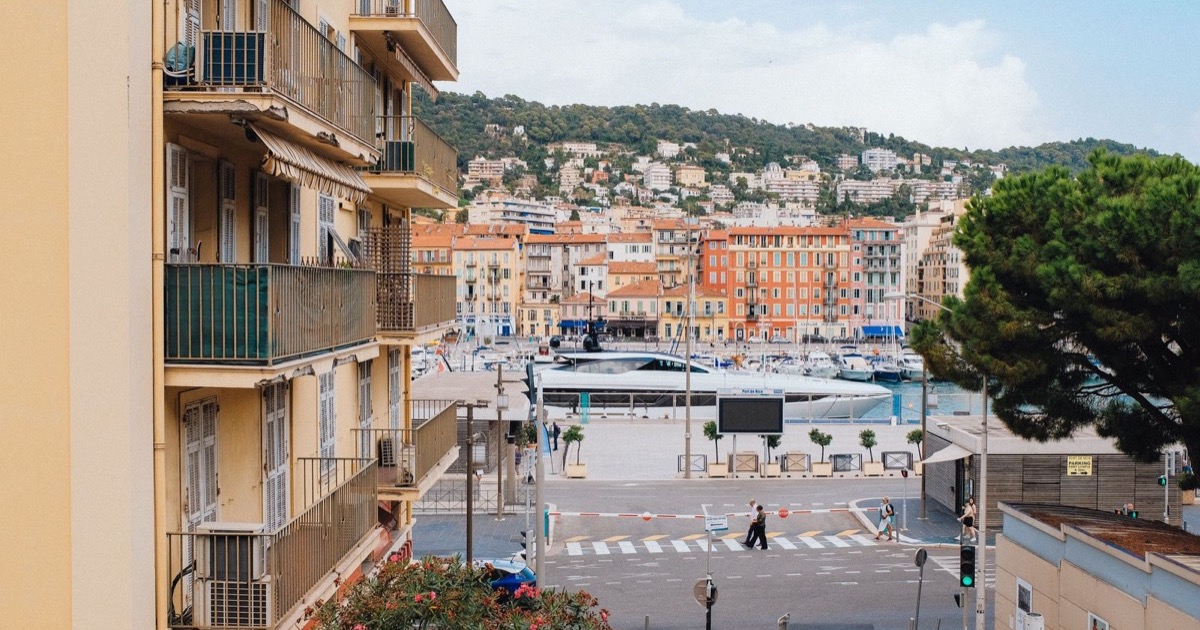

Choosing a traditional Airbnb Nice for your stay opens a door to daily rhythms that tourists often miss.
Choosing a traditional Airbnb Nice for your stay opens a door to daily rhythms that tourists often miss. The modest apartments tucked behind stone facades let you hear the market chatter, smell fresh herbs, and walk the same cobblestones locals use. By opting for an authentic Airbnb Nice you trade generic hotel corridors for lived‑in spaces that reflect the city’s heritage. This guide highlights how those choices translate into a richer, more personal French Riviera experience.
How does staying in a traditional Airbnb let you experience authentic Nice life?
Traditional rentals preserve the layout of classic Niçoise homes, with separate living rooms, modest kitchens, and often a small balcony overlooking a quiet street. Such settings encourage you to prepare a simple Provençal breakfast using produce bought at the Cours Saleya market, rather than relying on room service. The act of cooking in a local kitchen bridges the gap between visitor and resident, turning a meal into a cultural exchange.
Beyond the walls, hosts who manage traditional Airbnb Nice listings frequently share insider tips—like the best time to visit the weekly flower market or the lesser‑known cafés where retirees gather for a café au lait. These recommendations stem from lived experience and often include details that guidebooks overlook, such as the exact bus stop for the coastal promenade or the local bakery that offers fresh socca on Wednesdays.
Staying in a traditional space also means you are part of the neighborhood’s daily cadence. You will hear the morning bells from nearby churches, the distant hum of the tram, and the occasional chatter of children playing in communal courtyards. These auditory cues provide a subtle yet powerful sense of belonging that a hotel lobby cannot replicate.
Which neighborhoods in Nice offer the most genuine local atmosphere for Airbnb guests?
Nice’s character varies block by block, and each district offers a distinct flavor of daily life. Vieux Nice, the historic old town, retains narrow alleys and colorful facades that echo centuries of Mediterranean trade. Here, traditional Airbnb options often sit above bustling cafés yet retain a quiet interior courtyard.
Carabacel, located just north of the city centre, is known for its residential streets lined with 19th‑century townhouses. Rentals in this area typically provide more space, making them suitable for families or longer stays. The neighborhood’s proximity to the Port of Nice adds a maritime touch, with fresh fish markets and small docks within walking distance.
Cimiez, perched on a hill overlooking the sea, offers a quieter, more upscale environment. Traditional apartments here often feature classic Belle Époque architecture, high ceilings, and access to nearby Roman ruins. While slightly farther from the beach, the area benefits from excellent tram connections and a strong sense of community.
| Neighborhood | Typical Rental Type | Proximity to Attractions | Local Vibe | Approx. Price Range (2026) |
|---|---|---|---|---|
| Vieux Nice | Studio or one‑bedroom in historic building | 5‑minute walk to Cours Saleya and beach | Energetic, market‑driven | €70‑€120 per night |
| Carabacel | Two‑bedroom townhouse | 10‑minute walk to Port, 15‑minute tram to promenade | Residential, family‑friendly | €80‑€130 per night |
| Cimiez | Elegant apartment with terrace | 20‑minute tram to Old Town, near Roman ruins | Quiet, leafy | €90‑€150 per night |
| Libération | Modern loft in converted warehouse | Close to train station, 12‑minute walk to beach | Mixed, youthful | €75‑€125 per night |
| Port | Ground‑floor flat with garden view | Direct access to harbor, 8‑minute walk to promenade | Maritime, relaxed | €85‑€140 per night |
What architectural features define a traditional Nice Airbnb?
Traditional Niçoise architecture blends Mediterranean practicality with French elegance. Facades often display pastel stucco painted in muted hues, topped with red‑tiled roofs that help regulate interior temperature. Iron balconies, sometimes adorned with intricate scrollwork, provide outdoor space without sacrificing privacy.
Inside, many apartments retain original stone walls and wooden floorboards, offering a tactile connection to the building’s history. High ceilings, common in Belle Époque structures, create a sense of openness, while recessed wooden shutters allow control over natural light throughout the day.
Courtyards are another hallmark, especially in older Vieux Nice buildings. These shared or private gardens host potted lemon trees, aromatic lavender, and occasional seating, giving guests a quiet outdoor retreat amid the city’s rhythm. Such elements collectively contribute to the French charm Airbnb Nice experiences aim to preserve.
How can you find budget‑friendly traditional Airbnb options in Nice for 2026?
Start by filtering on the Airbnb platform for “Entire place” and selecting the “Traditional” style tag. The 2026 interface adds a “Local vibe” badge that highlights listings housed in historic stone buildings or classic Provençal apartments. Combine this with the price slider set to the lowest quartile for your travel dates; most budget‑friendly options fall between €70 and €120 per night.
Next, turn to neighborhood guides that focus on affordability without sacrificing authenticity. Areas such as Libération, Fabron, and the outskirts of Vieux‑Port host many converted apartments that retain original shutters, tiled floors, and balcony railings. These districts are well‑served by tram line 1 and bus routes 12 and 73, meaning you can reach the promenade or the train station in under ten minutes.
| Neighborhood | Avg. Nightly Price (2026) | Distance to Tram | Typical Size |
|---|---|---|---|
| Libération | €85 | 300 m | 45 m² |
| Fabron | €92 | 200 m | 50 m² |
| Vieux‑Port outskirts | €78 | 150 m | 40 m² |
| Saint‑Rémy | €110 | 400 m | 55 m² |
What amenities should you expect in a classic French‑style Airbnb in Nice?
Traditional rentals often preserve original architectural details while providing modern comforts. Expect high ceilings, parquet flooring, and wrought‑iron balconies that overlook quiet courtyards. Most hosts equip the kitchen with a French‑style stove, a small wine fridge, and a set of ceramic cookware that matches the décor.
Beyond the basics, many listings include thoughtful touches that enhance the local feel. These can range from a selection of regional cheeses on arrival to a guidebook of nearby markets written by the host. Internet connectivity is now standard, with most properties offering fiber‑optic Wi‑Fi capable of handling video calls and streaming.
- Classic wooden shutters that can be opened for fresh sea breezes
- Stone or tiled fireplace in the living area (seasonal use)
- Espresso machine or French press for morning coffee
- Dedicated workspace with a desk and ergonomic chair
- Secure bike rack or storage space for a rental bicycle
- Eco‑friendly laundry facilities (washer‑dryer combo)
- Locally sourced linen and towels
How close are traditional Nice Airbnbs to the beach and the Old Town?
Most traditional apartments are situated within a short walk of both the Mediterranean shoreline and Vieux‑Nice. In neighborhoods like Libération and Fabron, the Promenade des Anglais lies less than 800 meters away, translating to a five‑minute stroll on a pleasant, tree‑lined avenue. The historic Old Town, with its narrow alleys and bustling markets, is similarly reachable in under ten minutes on foot from these districts.
If you prefer public transport, tram line 1 runs parallel to the coast and stops at stations such as Masséna and Opéra, each a two‑minute walk from many classic rentals. This line also connects directly to the Old Town’s main entrance, allowing you to hop between beachside relaxation and cobblestone exploration without a car.
What local customs should Airbnb guests respect while staying in Nice?
Greeting a host with a simple “Bonjour” or “Bonsoir” sets a courteous tone and signals that you value the French habit of polite exchange. Noise levels are taken seriously in residential streets, especially after 10 p.m.; keep music and gatherings at a volume that does not disturb neighbours. Dress in public spaces reflects a cultural preference for neatness—shorts and tank tops are acceptable on the promenade, yet more refined attire is expected in cafés and museums. When stepping onto a balcony or shared terrace, remember that many buildings have communal rules about furniture placement and the use of outdoor grills.
Dining etiquette also carries weight. It is customary to wait until the host signals the start of a meal before picking up your fork, and to keep your hands visible on the table. At markets, ask permission before photographing stalls and avoid handling produce without a clear purpose. Tipping in restaurants is usually left at 5‑10 % of the bill, and a modest gesture of appreciation for a host’s local tips—such as a handwritten note—reinforces mutual respect.
How do host recommendations enhance a local experience in Nice?
Hosts who live in the city often possess a nuanced understanding of daily rhythms that guidebooks overlook. Their suggestions can transform a routine sightseeing day into a series of authentic encounters, from the timing of a sunrise stroll along the Promenade du Paillon to the best moments to catch a local jazz trio in a tucked‑away bar. By following a host’s advice, guests bypass tourist crowds and engage with the neighborhood as a resident would, gaining insight into seasonal festivals, spontaneous art installations, and the subtle variations in market stalls that change with each harvest.
Beyond attractions, hosts frequently share practical pointers that smooth travel logistics. Recommendations may include the most reliable tram routes for reaching the coastal cliffs, the location of a quiet laundromat that respects privacy, or a family‑run bistro where the chef greets regulars by name. These details enrich the stay, allowing visitors to move confidently through the city while feeling connected to its everyday life.
- Visit the early‑morning boulangerie on Rue Saint‑François for croissants still warm from the oven.
- Explore the Cours Saleya market before noon to experience the freshest produce and vibrant flower stalls.
- Take a short walk to the quieter pebble beach at Plage de la Réserve for a relaxed seaside pause.
- Ride tram line 2 to the historic district of Le Port, where local fishermen still sell their catch.
- Attend the monthly “Nuit des Arts” event in the old town, featuring street performers and pop‑up galleries.
- Stop by the small wine shop on Avenue de la Liberté for a tasting of lesser‑known Côte d’Azur vintages.
- Use the public bike‑share stations near the Promenade des Anglais to cycle along the coastline at sunrise.
What safety considerations are important for Airbnb stays in Nice?
Nice enjoys a reputation for general safety, yet visitors should stay alert in high‑traffic zones such as the main promenade and the train station, where pickpocketing can occur. Keeping wallets and phones secured in front pockets or a money belt reduces risk, and it is advisable to lock valuables in the apartment’s safe when available. While most neighborhoods are welcoming, some peripheral districts experience occasional nighttime disturbances; checking with the host about current conditions helps determine whether an evening stroll is advisable.
Building security varies across properties. Modern apartments often feature key‑card entry and intercom systems that limit access to residents and verified guests. Confirm that the host provides clear instructions for using these features, and verify that fire exits and emergency lighting are functional. Having the local emergency number (112) saved on your phone, along with the nearest pharmacy’s contact, prepares you for unexpected situations.
Digital safety is another layer of concern. Use the Airbnb platform’s messaging system for all communications, avoiding personal email or phone exchanges until a reservation is confirmed. When connecting to Wi‑Fi, prefer the password‑protected network supplied by the host rather than public hotspots, and consider a virtual private network (VPN) for added privacy. Finally, review the host’s cancellation policy and insurance coverage to ensure you are protected should travel plans change abruptly.
How can you incorporate cultural activities into your Airbnb stay in Nice?
Choose a rental that sits within walking distance of the Cours Saleya market, where daily flower stalls, Provençal produce, and local artisans create a lively tableau. Early mornings are perfect for sampling olives, socca, or fresh fruit while chatting with vendors who love to share stories about the city’s maritime heritage. After a leisurely breakfast, follow the scent of rosemary to nearby ateliers that offer short workshops in ceramics, perfume blending, or traditional Niçoise cooking.
Evenings become an opportunity to join neighborhood gatherings that are often announced on community bulletin boards or via host messages. Look for listings that mention “host‑organized pétanque night” or “local music soirée” – these events let you mingle with residents, learn the rules of the beloved stone‑throwing game, and hear regional songs performed on accordion. By timing your stay around the annual Carnaval de Nice or the Fête du Citron, you can experience processions and street performances that rarely appear in guidebooks.
What are the best ways to book a boutique‑style Airbnb in Nice for the upcoming season?
Start by filtering for properties that highlight original features such as exposed stone walls, wrought‑iron balconies, or reclaimed wooden floors. These details often signal a dwelling that has been preserved rather than newly constructed. Use the “Superhost” badge as a secondary filter; hosts who consistently receive high ratings tend to provide curated local guides and are more likely to respond quickly to availability queries.
Set up price alerts on the platform for the dates you plan to travel. When a listing drops below the average nightly rate for the area, the alert will prompt you to act before the calendar fills up. Pair this with a flexible cancellation policy – many hosts offer a modest discount for guests willing to accept a 48‑hour notice window, which can free up premium apartments that would otherwise remain booked.
Finally, explore the “Experiences” tab linked to each host profile. Some owners bundle a private tour of their building’s historic courtyard or a tasting of home‑cured anchovies with the rental fee. Booking such combined offers not only secures a unique stay but also guarantees an insider perspective that standard hotel packages cannot match.
Sources & Further Reading
Frequently Asked Questions
What defines a traditional Airbnb in Nice?
A traditional Airbnb in Nice typically occupies a pre‑war building, retains original architectural elements, and offers a layout that reflects local living patterns – such as a separate kitchen, a modest salon, and often a balcony overlooking a quiet street. These homes are usually situated in neighborhoods where generations of families have lived, giving guests a sense of continuity with the city’s past.
Are there any lesser‑known Airbnb neighborhoods that locals love?
Yes, districts such as the Port area, the hills of Cimiez, and the quiet lanes of Libération attract residents who appreciate a slower pace. In the Port, you’ll find converted warehouses with maritime décor, while Cimiez offers leafy avenues lined with Art Deco villas. Libération, close to the university, blends student energy with historic stone houses, creating a vibrant yet understated atmosphere.
How can I ensure my Airbnb stay feels authentic and not touristy?
Communicate your desire for an authentic experience in the booking message; many hosts will tailor their recommendations accordingly. Choose listings that emphasize a lived‑in feel – for example, those that mention family heirlooms, a shared garden, or a communal laundry room. Accepting a host’s invitation to a local café or market visit further distances you from the typical tourist circuit.
What price range should I expect for a traditional Airbnb in Nice in 2026?
Mid‑range options generally fall between €120 and €180 per night for a one‑bedroom unit with original features. Premium apartments with sea views or extensive renovations can exceed €250, while smaller studios in less central districts may be found for under €100. Seasonal fluctuations are common, with higher rates during the summer festival period.
Do traditional Airbnbs in Nice include kitchen facilities?
Most do, as French culture places importance on home‑cooked meals. You can expect a stove, a modest fridge, and basic cookware. Some hosts provide a small selection of pantry staples such as olive oil, herbs, and coffee, allowing you to prepare simple dishes without a trip to the supermarket.
Is it safe to stay in an Airbnb in Nice’s older districts?
Safety levels are comparable to those of any European city of similar size. The older neighborhoods are well‑lit, patrolled by municipal police, and benefit from active resident associations. Reading recent guest reviews will give you current insight into any concerns, and most hosts install secure entry systems or provide a lockbox for peace of mind.
Can I find pet‑friendly traditional Airbnb options in Nice?
Pet‑friendly listings exist, particularly in the outskirts of the city where larger apartments and houses are more common. When searching, use the “Pets allowed” filter and verify any additional fees or house rules in the description. Hosts who welcome cats or small dogs often mention nearby parks such as the Parc du Château, which is ideal for short walks.
How far are traditional Airbnbs from public transportation in Nice?
Most traditional rentals are within a five‑minute walk of a tram or bus stop. The city’s tram lines 1 and 2 connect the historic center to the airport and coastal promenades, while bus routes crisscross the inland neighborhoods. Hosts frequently highlight proximity to stops in their listings, making it easy to plan daily excursions without a car.
What local markets and eateries are near the best Airbnb locations?
In the Old Town, the Cours Saleya market offers fresh produce, seafood, and regional specialties. Near the Port, you’ll find a weekly fish market and several family‑run bistros serving authentic bouillabaisse. The neighborhood of Saint‑Rémi hosts a Saturday market where artisans sell handmade soaps, cheeses, and locally roasted coffee, all within walking distance of many traditional apartments.
Do hosts provide recommendations for off‑the‑beaten‑path experiences?
Many do, especially those who have earned Superhost status. Their welcome guides often list quiet chapels, lesser‑known galleries, and secluded beaches that are omitted from mainstream itineraries. Some even offer to arrange private visits to vineyards in the surrounding hills or to accompany you on a sunrise hike up Mont Boron.
When you finish your stay, take a moment to leave a thoughtful review that highlights the aspects you appreciated most; this helps future travelers and encourages hosts to keep sharing their local knowledge. With a well‑chosen Airbnb, Nice becomes more than a destination—it turns into a lived experience that stays with you long after you leave the promenade.
Reviewed by our editor for Europe
Marco BianchiEurope Editor
Europe travel writer focused on city culture, museums and historic routes across the continent.
More articles by Marco Bianchi →