
Travelers curious about the evolution of Lyon’s historic districts will find the Croix‑Rousse neighborhood Lyon 2026 buzzing with fresh energy while honoring its…
Travelers curious about the evolution of Lyon’s historic districts will find the Croix‑Rousse neighborhood Lyon 2026 buzzing with fresh energy while honoring its silk‑weaver roots. The hilltop area blends centuries‑old traboules, striking murals, and a culinary scene that ranges from traditional bouchons to avant‑garde eateries. As the city’s cultural renaissance gathers pace, the district offers a compact yet diverse itinerary that feels both authentic and contemporary. Exploring Croix‑Rousse in 2026 feels like stepping into a living museum that still writes its own story.
What makes the Croix‑Rousse neighborhood a must‑visit in Lyon 2026?
The legacy of the Canuts—Lyon’s 19th‑century silk workers—still defines the district’s character. Their historic workshops have been transformed into galleries, cafés, and co‑working spaces, allowing visitors to sense the industrious spirit that once powered France’s textile empire. Walking along Boulevard des Canuts, you’ll encounter the expansive Mur des Canuts, a community‑created mural that updates every few years to reflect current social themes, making the art a living chronicle of the neighborhood.
Beyond heritage, the culinary landscape has undergone a renaissance. While the iconic bouchons continue to serve classic Lyonnaise dishes such as quenelles and andouillette, a wave of innovative chefs has introduced farm‑to‑table concepts, vegan twists, and fusion plates that draw inspiration from the city’s multicultural population. This blend of old and new makes the district a microcosm of Lyon’s broader gastronomic evolution.
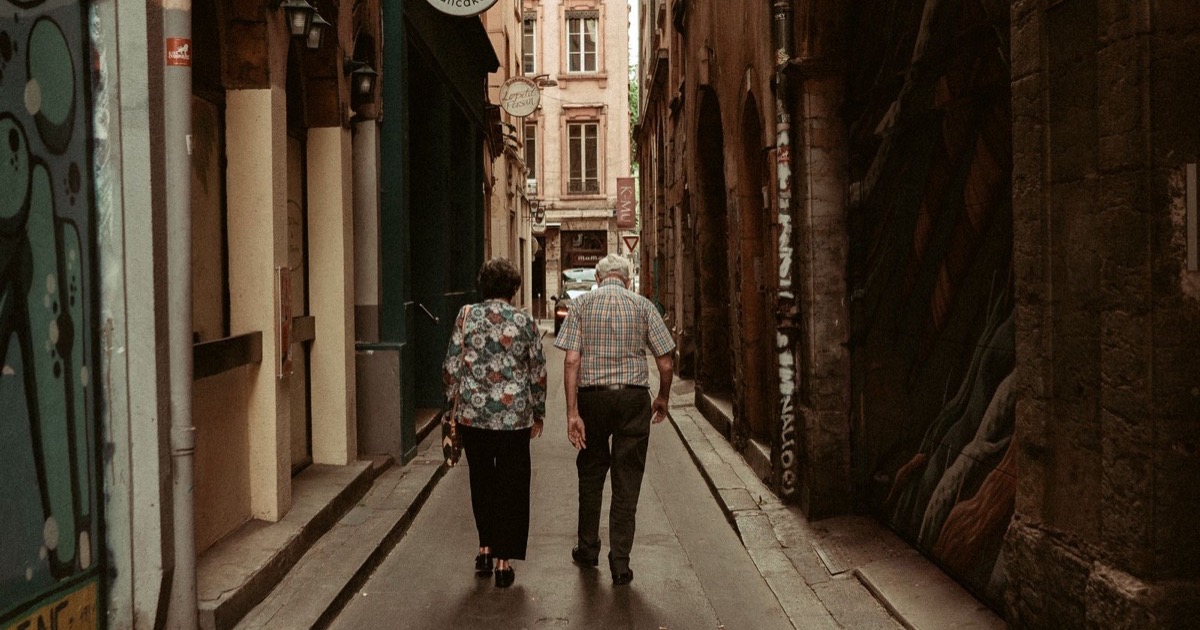
Finally, the hill’s layout contributes to a unique urban experience. The network of narrow streets, staircases, and hidden courtyards creates a village‑like atmosphere distinct from the more polished Presqu‑île. This setting encourages spontaneous discoveries—small artisan boutiques, pop‑up art installations, and community events that pop up throughout the year, especially during the spring and autumn festivals.
How can I get to Croix‑Rousse from Lyon’s city centre using public transport?
Lyon’s integrated transit system makes the ascent to the hilltop straightforward. The most popular option is the Metro Line C, which runs directly from the Presqu‑île stations (Hôtel de Ville – Louis Pradel) to the Croix‑Rousse stop, delivering you at the foot of the main boulevard in under ten minutes. Trams also serve the area, with the T1 line connecting the city centre to the northern edge of the district, where you can transfer to local buses for the final stretch.
For those who prefer a scenic route, the city’s bike‑share program places several docking stations along the Rhône riverbanks, allowing a leisurely ride up the gentle gradients that lead to the district’s higher elevations. The climb offers panoramic views of the Saône and the historic rooftops of Vieux‑Lyon, making it a rewarding alternative to underground travel.
| Transport Mode | Typical Travel Time | Frequency | Cost (2026) |
|---|---|---|---|
| Metro Line C | 8–10 minutes | Every 5 minutes | Standard single‑ticket price |
| Tram T1 + Bus 56 | 12–15 minutes | Every 7 minutes | Standard single‑ticket price |
| Bike‑share (Vélo’v) | 15–20 minutes (incl. climb) | Available 24/7 | Hourly subscription or pay‑as‑you‑go |
Which historic sites and murals should I see in Croix‑Rousse?
The Mur des Canuts remains the district’s most iconic artwork, stretching over 2,000 sq m and depicting the daily lives of silk workers, contemporary social commentary, and vibrant abstract sections. Guided tours often include background on the mural’s collaborative creation process, offering insight into how local residents shape public art.
Another must‑see is the Maison des Canuts, a museum dedicated to the history of silk weaving. Interactive exhibits let visitors try hand‑loom techniques and view original 19th‑century textiles, providing a tactile connection to the craft that defined the neighborhood’s economy.
Don’t miss the network of traboules that wind through the hill’s older buildings. These secret passageways, originally designed for moving silk rolls quickly and safely, now serve as atmospheric shortcuts for pedestrians. Some are open to the public, while others can be glimpsed from the street, each offering a glimpse into Lyon’s architectural ingenuity.
Where can I find authentic Lyonnaise cuisine in the Croix‑Rousse district?
Crossing the stairways that lead up to the hill, visitors quickly discover that the culinary scene in Croix‑Rousse is anchored in the traditions of the silk‑weaver community. Small, family‑run bouchons still serve classic dishes such as quenelle de brochet and cervelle de canut, both of which echo the modest meals once prepared for laborers in the 19th‑century workshops. The ambience is usually intimate, with wooden tables, chalkboard menus written in cursive French, and a modest selection of regional wines that complement the hearty fare.
For those who prefer a contemporary twist, a handful of modern bistros have emerged along Boulevard des Canuts. These establishments reinterpret traditional recipes using seasonal produce from the surrounding Auvergne‑Rhône‑Alpes region. Expect dishes like smoked trout with a light mustard‑herb sauce, or a deconstructed salade lyonnaise that highlights crisp frisée, poached egg yolk, and a drizzle of walnut vinaigrette. The kitchens often feature open‑fire cooking, allowing diners to watch the preparation of classic sauces such as mayonnaise maison in real time.
Street‑level options have also expanded, offering quick yet satisfying bites for travelers on the move. Food stalls near the Mur des Canuts display freshly baked tarte à la praline, savory crêpes filled with ham and cheese, and locally sourced charcuterie platters. These stands are typically staffed by the same families that run nearby cafés, ensuring a consistent level of quality.
| Venue type | Signature dish | Atmosphere | Typical price (per main) |
|---|---|---|---|
| Traditional bouchon | Quenelle de brochet with lobster sauce | Cozy, dim lighting, wooden décor | €15‑€20 |
| Modern bistro | Deconstructed salade lyonnaise | Open‑kitchen, minimalist design | €18‑€25 |
| Street‑level stall | Savory crêpe with ham & cheese | Casual, standing tables, outdoor | €5‑€8 |
What are the best off‑the‑radar spots and local shops in Croix‑Rousse?
The hill’s narrow lanes host a variety of independent retailers that reflect the creative spirit of the neighborhood. A small silk workshop on Rue de la République offers guided tours where artisans demonstrate the age‑old technique of winding silk onto bobbins, followed by a chance to purchase hand‑woven scarves at modest prices. A contemporary art gallery tucked behind a pastel‑painted façade showcases works by emerging French painters, often accompanied by evening talks that draw a mixed audience of locals and visitors.
Music lovers can wander into a vintage record shop that specializes in jazz, world music, and the classic French chanson catalog. The proprietor curates weekly listening sessions, creating a relaxed environment for discovery. Food enthusiasts will enjoy a specialty tea boutique that imports loose‑leaf blends from the nearby Rhône valley, offering tastings that highlight subtle herbal notes unique to the region.
- A silk‑weaving studio with hands‑on demonstrations and a modest shop.
- A contemporary art space featuring rotating exhibitions and artist talks.
- A vintage record store focused on jazz, world music, and French chanson.
- A tea boutique offering Rhône‑valley herbal blends and tasting sessions.
- A community market held on Saturday mornings, selling local produce, cheese, and handmade pastries.
- A ceramics workshop where visitors can paint their own pieces and learn about traditional Lyonnaise pottery.
- A rooftop terrace on a converted loft, providing panoramic views of the city’s rooftops and the Fourvière hill.
Is Croix‑Rousse safe for solo travelers and families?
Recent municipal reports rank the 4th arrondissement among Lyon’s most secure districts, citing low incidence of violent crime and a strong presence of neighborhood patrols. The area’s layout—characterized by well‑lit main streets and a network of pedestrian‑only alleys—encourages a comfortable walking experience after dark. Local cafés and shops typically stay open until 22:00, and the public transport stops on the hill are serviced by frequent tram and bus lines that run until midnight.
Families appreciate the abundance of green spaces such as the small park near Place de la Croix‑Rousse, where children can play under the supervision of nearby residents. The district’s schools and community centers often host weekend activities, creating a lively yet orderly atmosphere. For solo travelers, the prevalence of English‑speaking staff in most eateries and boutiques adds an extra layer of reassurance.
As with any urban environment, basic precautions remain advisable: keep valuables out of sight, use well‑traveled routes when navigating the staircases, and consult the latest transit schedules if you plan to travel late at night. Overall, Croix‑Rousse offers a welcoming environment that accommodates a wide range of visitor profiles.
How much time should I allocate to explore Croix‑Rousse fully?
Most visitors find that a single morning, roughly four to five hours, is sufficient to walk the main arteries of the hilltop district, pause at a couple of Bouchons Lyon for a quick bite, and photograph the most celebrated Canuts murals. Starting from the Presqu‑île, a short metro ride (line B) drops you near the base of the hill; from there, the ascent via the famous escalators or a series of stairways takes about ten minutes, giving you a sense of the neighborhood’s vertical character.
If you wish to wander off the main thoroughfares, explore several Lyon traboules, and linger in the local cafés that double as informal galleries for the Lyon art scene, add an extra two to three hours. This extended window allows you to soak in the ambient rhythm of the area, observe the daily flow of residents, and perhaps catch a glimpse of a spontaneous street performance.
Travelers with a particular interest in UNESCO‑linked heritage sites—such as the nearby Basilica of Fourvière and the historic silk workshops—might combine a half‑day in Croix‑Rousse with a brief visit to those landmarks, creating a well‑rounded afternoon without feeling rushed.
What are the upcoming cultural events in Croix‑Rousse for 2026?
The district’s calendar in 2026 reflects its dual identity as a cradle of industrial history and a hub for contemporary creativity. Throughout the year, the community hosts a series of festivals, exhibitions, and markets that draw both locals and visitors. Many events are organized in partnership with the city’s cultural offices, ensuring high production values and free public access to most venues.
Key dates include a spring celebration of the silk‑weaver legacy, a summer music series that spills onto the streets, and an autumn gathering focused on culinary innovation within traditional Bouchons Lyon. These programs often incorporate the iconic murals, offering guided tours that explain the stories behind the artwork while highlighting the neighborhood’s evolving aesthetic.
- April 10‑15 2026 – “Fête des Canuts” reenactments and silk‑craft workshops.
- June 5 2026 – “Croix‑Rousse Jazz & Open‑Air Concerts” at Place des Canuts.
- July 22 2026 – “Lyon Street Art Biennale” featuring live mural painting on Boulevard des Canuts.
- September 12‑18 2026 – “Silk Heritage Week” with exhibitions in former workshops and guided tours of historic sites.
- October 3 2026 – “Gastronomy Night at the Bouchons” showcasing modern twists on classic Lyonnaise dishes.
- November 14 2026 – “Lyon Night Lights” illumination of traboules and public squares.
- December 9 2026 – “Winter Market of Artisans” offering handmade goods and seasonal treats.
Where can I stay in or near Croix‑Rousse for a comfortable visit?
Accommodation options range from refurbished loft apartments that retain original wooden beams to small boutique hotels that blend contemporary design with nods to the area’s silk‑weaving past. Many of these establishments sit within walking distance of the metro station, allowing quick access to both the hilltop district and the bustling Presqu‑île.
For travelers who prefer a more intimate setting, guesthouses operated by local families provide a welcoming atmosphere and often include breakfast featuring regional specialties. These homes typically open onto quiet courtyards where the network of Lyon traboules can be explored without the crowds that gather at the main tourist arteries.
Budget‑conscious visitors will find several hostels and shared‑room facilities on the periphery of Croix‑Rousse, especially along the lower slopes where the neighborhood transitions into the broader city fabric. These venues benefit from proximity to public transport, cafés, and the nightly buzz of the local art scene, making them practical bases for a multi‑day stay.
How does the silk‑weaver heritage influence today’s Croix‑Rousse atmosphere?
The legacy of the 19th‑century silk weavers, known as the Canuts, still shapes the neighborhood’s visual language. Large murals depicting historic looms and protest scenes line the main boulevard, while small workshops continue to produce hand‑spun fabrics that are sold in boutique stores and at the weekly market. This blend of artistic expression and craft creates a distinctive, industrious vibe that residents and visitors alike feel when strolling through the streets.
Community events often reference the Canut revolts, with annual festivals featuring traditional music, demonstrations of old‑fashioned weaving techniques, and talks on labor history. Local cafés and bars display vintage tools as décor, reinforcing the connection between past production and present social life. The heritage therefore acts as both a cultural anchor and a source of contemporary creativity in Croix‑Rousse.
What outdoor activities and viewpoints are available on the Croix‑Rousse hill?
The hill’s network of stairways, known locally as “traboules,” invites walkers to explore hidden courtyards and discover panoramic outlooks over the Saône and Rhône rivers. The most celebrated viewpoint sits at the top of Place des Canuts, where a modest terrace offers a sweeping view of Lyon’s rooftops, the Fourvière basilica, and the modern skyline beyond. On clear days, the scene extends to the distant Alps.
For those who prefer greener settings, the Parc de la Cerisaie provides shaded paths, a small orchard, and open lawns suitable for picnics. Cyclists can join the city’s bike‑share program to ride along the dedicated lanes that wind up the slope, linking the hill with the Presqu’île district. Seasonal open‑air markets add a lively element, allowing shoppers to browse fresh produce while enjoying the hill’s breezes.
Sources & Further Reading
Frequently Asked Questions
Is the Croix‑Rousse neighborhood wheelchair accessible?
Most of the main streets are paved and level, but the historic staircases that connect the hill to surrounding areas can pose challenges. Public transport stops near the base and top of the hill are equipped with ramps, and several museums and cafés have wheelchair‑friendly entrances. Visitors needing assistance may consider using the city’s accessible bus routes, which stop close to key attractions.
What is the best time of year to visit Croix‑Rousse in Lyon?
Late spring and early autumn provide mild temperatures and fewer crowds, making it comfortable to walk the numerous stairs and explore outdoor markets. Summer brings a lively atmosphere but can be warm, while winter offers a quieter streetscape and occasional festive decorations. Checking local event calendars can help align a visit with cultural happenings.
Are there guided tours available for the Canuts murals?
Several local operators offer walking tours that focus on the historic murals, explaining their symbolism and the stories of the silk‑weaver uprisings. Tours typically last between one and two hours and are available in multiple languages. Booking in advance during peak tourist periods is advisable.
How far is the Croix‑Rousse market from the main train station?
The market, situated on the hill’s central boulevard, is roughly a 20‑minute walk from Lyon Part‑Dieu station, following a route that ascends the hill via the main stairways. Alternatively, a short tram ride to the “Croix‑Rousse” stop brings visitors within a few minutes’ walk of the market stalls. Both options provide a pleasant introduction to the neighborhood’s atmosphere.
Can I find vegetarian or vegan options in Croix‑Rousse restaurants?
Yes, the area’s culinary scene includes several eateries that cater to plant‑based diets, ranging from traditional bistros offering vegetable‑focused versions of local dishes to contemporary cafés serving vegan pastries and salads. Menus often highlight seasonal produce sourced from nearby farms. Asking staff for recommendations usually yields satisfying alternatives.
What safety tips should I keep in mind while walking the stairs of Croix‑Rousse?
The historic staircases can be steep and uneven, especially after rain. Wearing sturdy footwear and using the handrails where available reduces the risk of slips. It is also wise to stay aware of traffic when crossing streets that intersect the stairways, as some intersections lack dedicated pedestrian signals.
Is there free Wi‑Fi available in public areas of Croix‑Rousse?
The municipality provides complimentary Wi‑Fi hotspots in several public squares, including Place des Canuts and the park near the Cerisaie. Cafés and libraries also offer free internet access to patrons. Connectivity may vary during peak usage times, so having a backup mobile data plan is recommended.
How do I use Lyon’s bike‑share system to explore Croix‑Rousse?
Lyon’s Vélo’v program places docking stations throughout the city, with several located at the base and summit of the hill. Users can register via a mobile app, select a subscription, and unlock a bike with a QR code. The bikes are equipped with gears suitable for the hill’s incline, making the ride both practical and enjoyable.
What are the typical prices for accommodation in Croix‑Rousse?
Mid‑range hotels and boutique guesthouses on the hill generally charge between €80 and €130 per night for a double room, depending on the season and amenities. Budget options such as hostels or private rooms in shared apartments can be found for €45‑€70. Prices tend to rise during major festivals and holidays, so early booking can secure better rates.
When planning a visit, consider combining the hill’s cultural sites with a relaxed stroll through its markets and parks, allowing you to experience the full character of Croix‑Rousse without feeling rushed.
Reviewed by our editor for Europe
Marco BianchiEurope Editor
Europe travel writer focused on city culture, museums and historic routes across the continent.
More articles by Marco Bianchi →