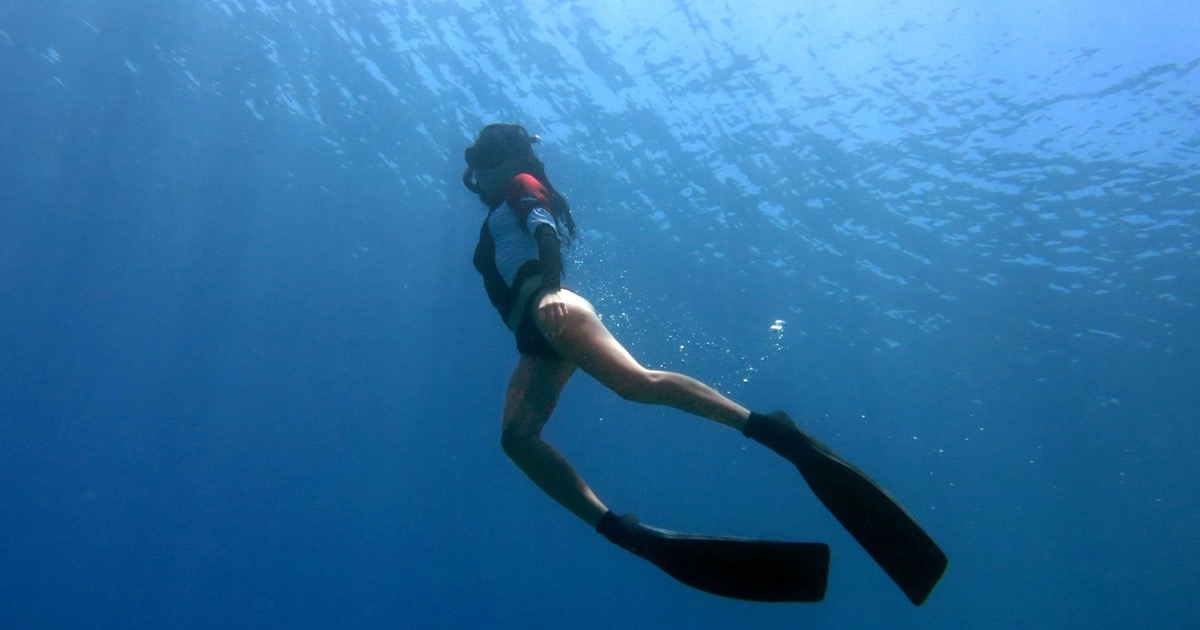

Planning a summer escape and wondering if Bodrum scuba diving 2026 lives up to the hype?
Planning a summer escape and wondering if Bodrum scuba diving 2026 lives up to the hype? The Turkish Riviera’s Aegean coastline has been upgraded with modern facilities, a growing community of dive operators, and water conditions that consistently rank among the region’s finest. From historic wrecks to vibrant reef gardens, the area offers a balanced mix of adventure and comfort for every type of diver.
What makes Bodrum a top scuba diving destination in 2026?
The geography of Bodrum places it at the crossroads of several underwater ecosystems. Warm currents from the Mediterranean blend with the clearer waters of the Aegean, creating a stable environment where visibility often exceeds 20 meters during the peak season. This clarity highlights the region’s diverse marine life, including barracudas, octopuses, and colorful nudibranchs that frequent the rocky outcrops and seagrass beds.
Infrastructure has kept pace with growing interest. More than a dozen certified dive schools operate out of the main harbor, offering everything from introductory “Discover Scuba” experiences to advanced technical courses. Many operators maintain their own boat fleets, ensuring prompt transport to sites that are otherwise difficult to reach from shore. The presence of marine protected areas around the peninsula also guarantees that certain habitats remain pristine, supporting both ecological health and high‑quality diving.
Historical allure adds another layer of appeal. The coastline is dotted with sunken vessels ranging from Ottoman merchant ships to World War II wrecks. These sites provide artificial reefs that attract a variety of species, while also offering divers a glimpse into the region’s maritime past. Combined with a reliable seasonal climate—mild winters and hot, dry summers—Bodrum presents a compelling package for 2026’s underwater explorers.
Which dive sites in Bodrum offer the best visibility?
Visibility can fluctuate with weather, but several locations consistently deliver crystal‑clear conditions. Gökova Bay, for example, benefits from steady breezes that keep surface turbulence low, allowing divers to see well beyond 25 meters on calm days. The bay’s gentle slopes are ideal for both macro photography and larger pelagic encounters.
Further east, the Bitez Reef is renowned for its shallow drop‑offs and abundant sponge gardens. During the summer months, visibility frequently reaches 30 meters, making it a favorite spot for underwater photographers seeking vibrant color palettes. The site also serves as a training ground for new divers, thanks to its easy entry points and predictable currents.
For those interested in wreck exploration, the Turgutreis Shipwreck offers a unique blend of history and marine life. The wreck sits at a depth of 18–22 meters, and because it is sheltered from strong currents, visibility often remains above 20 meters even when surrounding waters are slightly murkier.
| Site | Typical Depth (m) | Peak Visibility (m) | Key Marine Life | Best Season |
|---|---|---|---|---|
| Gökova Bay | 12‑25 | 25‑30 | Barracuda, cuttlefish, sponges | May‑October |
| Bitez Reef | 5‑20 | 28‑35 | Nudibranchs, seahorses, lionfish | June‑September |
| Turgutreis Shipwreck | 18‑22 | 20‑25 | Moray eels, snapper schools, crustaceans | April‑November |
| Karaada (Blue Cave) | 10‑30 | 22‑27 | Octopus, batfish, reef sharks | July‑October |
How suitable is Bodrum for beginner divers?
Beginners benefit from a combination of calm sea conditions and a supportive learning environment. Many dive schools operate shallow bays with minimal current, providing a safe platform for new divers to practice buoyancy and basic skills. Certification courses are typically offered in both English and Turkish, with flexible scheduling that accommodates short‑term visitors.
Cost structures are competitive compared to other Mediterranean destinations. Introductory dives often include equipment rental, a brief safety briefing, and a guided descent, keeping the overall expense reasonable for travelers on a budget. several operators provide bundled packages that combine multiple half‑day trips, allowing newcomers to experience a variety of sites without excessive travel time.
Safety standards are enforced by the Turkish Ministry of Culture and Tourism, which requires all dive centers to maintain up‑to‑date certifications and regular equipment inspections. Many schools also participate in local marine conservation programs, giving beginners the chance to learn responsible diving practices while contributing to the preservation of Bodrum’s underwater habitats.
What marine life can you expect to see while diving in Bodrum?
Bodrum’s Aegean waters host a surprisingly diverse assemblage of creatures, thanks to the mixture of rocky outcrops, seagrass meadows, and historic wrecks. In the shallower zones you will often encounter schools of golden‑eye bream, striped red mullet, and the occasional octopus hiding among crevices. The iconic Mediterranean trumpet fish, with its bright orange fins, is a frequent sight near the kelp beds that fringe the coastline. Larger pelagic visitors such as amberjack and barracuda patrol the mid‑water columns, especially around the popular dive sites where currents bring in fresh nutrients.
Beyond fish, the region supports a range of invertebrates that add texture to the underwater landscape. Soft corals, sea fans, and colorful sponge colonies create a living backdrop for curious divers. Sea turtles, mainly the loggerhead, are known to glide through the area during their migratory routes, and occasional sightings of the shy seahorse add a touch of wonder. Night dives reveal a different cast of characters, with nocturnal crustaceans emerging and bioluminescent plankton providing a subtle glow.
| Site type | Common species | Visibility (m) | Typical depth (m) |
|---|---|---|---|
| Shallow reefs (5‑12 m) | Golden‑eye bream, octopus, sea fans | 15‑25 | 5‑12 |
| Mid‑water wrecks (15‑30 m) | Amberjack, barracuda, trumpet fish, sponge colonies | 12‑20 | 15‑30 |
| Deep drop‑offs (30‑45 m) | Loggerhead turtle, larger pelagics, deep‑water corals | 10‑18 | 30‑45 |
When is the best season for scuba diving in Bodrum?
The Aegean climate creates a relatively stable environment for diving throughout most of the year, yet subtle shifts in temperature, visibility, and sea conditions make certain months more appealing. Spring (April – June) brings warming waters that reach the low‑20 °C range, while plankton blooms enhance underwater clarity. Summer (July – August) offers the warmest water, often exceeding 24 °C, which is comfortable for longer surface intervals, but occasional strong northerly winds can stir up surface chop.
Autumn (September – October) is frequently cited as the optimal window: water remains warm, visibility peaks as the summer wind subsides, and the marine life is still abundant after the productive spring months. Winter months (November – March) are cooler, with temperatures dropping to the high teens, and occasional storms can limit dive windows, though experienced divers who appreciate quieter sites may still find rewarding conditions.
- April – early spring, calm seas, marine life awakening.
- May – visibility improves, water comfortably warm.
- June – peak spring conditions, minimal wind.
- September – warm water, excellent visibility, reduced tourist traffic.
- October – lingering summer warmth, calm currents.
- Late November – cooler but still suitable for experienced divers.
Which dive operators provide the most reliable tours in Bodrum?
Reliability among Bodrum dive operators hinges on certification standards, equipment maintenance, and the professionalism of the dive crew. Companies that hold affiliations with internationally recognized agencies such as PADI, SSI, or NAUI typically follow strict safety protocols and offer regular instructor training. Look for operators that publish up‑to‑date dive logs, maintain a fleet of well‑serviced boats, and provide clear briefing materials before each outing.
Among the local providers, several have built reputations for consistent service. Operators that have operated in the region for a decade or more tend to have established relationships with marine authorities, ensuring smooth permit processes for wreck and deep‑water dives. Many of these businesses also offer flexible package options, ranging from single‑day beginner introductions to multi‑day live‑aboard experiences, allowing divers of all skill levels to find a suitable itinerary.
How much do scuba diving tours cost in Bodrum in 2026?
Typical half‑day dive trips that include two to three dives, boat transport, and basic equipment run between 150 and 200 euros per person. Prices reflect the high visibility of the Aegean Sea, the professional certification of local dive masters, and the inclusion of a safety briefing that meets international standards. Operators often bundle a light snack and fresh water, keeping the overall outlay predictable for travelers who are budgeting their vacation.
Full‑day excursions, which may cover four to five sites and add a deeper exploration of marine protected zones, are priced in the range of 250 to 300 euros. Some schools provide discounts for groups larger than four or for repeat customers who have already completed an introductory course with them. Advanced packages that incorporate underwater photography guidance or a night‑dive component can add another 50 to 80 euros, depending on the equipment and specialist support required.
What equipment rental options are available for divers in Bodrum?
Most dive centers maintain a modern inventory of gear that complies with European safety regulations. Rental kits typically include a wetsuit appropriate for the season, a regulator set, buoyancy control device, and a dive computer. For divers who prefer a more personalized setup, many shops allow you to select individual components such as a premium mask, snorkel, or lightweight fins. Rental periods are flexible, with half‑day, full‑day, and multi‑day rates that adjust to the length of your dive program.
Specialist equipment for niche interests is also on offer. Underwater photography enthusiasts can rent strobe units, housing for popular camera models, and color‑correction filters. Technical divers have access to twin‑set tanks, stage bottles, and rebreather units, though these require prior certification and a detailed safety check. All rentals are inspected before each use, and most centers provide a brief orientation to ensure proper fit and operation.
- Standard wetsuit (3 mm to 5 mm) – daily rate
- Full regulator set with octopus – inclusive in most packages
- Dive computer with depth‑time tracking – optional add‑on
- Underwater camera housing and strobe – specialist rental
- Twin‑tank configuration for technical dives – advanced rental
- Rebreather system – limited availability, certification required
- Surface marker buoy and safety line – included with most tours
Are there any wreck diving opportunities in Bodrum?
Bodrum’s coastline hosts several historic shipwrecks that attract divers interested in maritime archaeology and marine life colonization. The most frequently visited site is a 19th‑century merchant vessel lying at a depth of 20 meters, where divers can explore cargo holds now encrusted with soft corals and sponges. Visibility at this wreck often exceeds 25 meters during the summer months, providing clear views of the hull’s structural details.
Another popular wreck is a World War II era freighter positioned on a gently sloping seabed at 30 meters. This dive is recommended for experienced divers because of the depth and occasional strong currents. The wreck has become a habitat for larger pelagic species, including groupers and occasional barracudas, adding an ecological dimension to the historical intrigue. Local dive schools typically require a valid advanced open water certification before allowing participation in these deeper excursions.
For those seeking a more guided experience, several operators organize night dives on smaller wrecks that are illuminated by dive lights, highlighting the contrast between the ship’s silhouette and the surrounding marine environment. These trips often include a brief lecture on the vessel’s history, ensuring that divers leave with both technical skills and contextual knowledge.
How safe is scuba diving in Bodrum for solo travelers?
Bodrum’s dive operators have built a reputation for rigorous safety standards that cater well to solo adventurers. Most centers require a brief orientation that covers local currents, emergency signals, and the location of rescue equipment before any underwater activity. Guides are fluent in English and often have additional language skills, which helps when coordinating with local medical facilities or coast guard services. Boats are equipped with modern communication devices, and dive masters keep a close watch on depth and air consumption through digital dive computers that sync with surface support.
Solo divers who prefer a more independent experience can still benefit from the region’s group‑based approach. Many operators organize half‑day trips limited to four or five participants, allowing a solo traveler to join a small, manageable team while still enjoying the freedom of exploring on their own terms. Night dives and wreck excursions are offered with dedicated safety briefings, and rescue divers are on standby for any unexpected situation, ensuring that even the most adventurous solo diver feels secure.
What certifications are accepted by Bodrum dive schools?
The majority of dive schools in Bodrum recognize the major international certifying agencies. PADI Open Water, Advanced Open Water, and Rescue Diver certifications are accepted without additional paperwork, as are SSI Open Water and Advanced certifications. NAUI and CMAS divers also find their credentials honored, though some centers may request a copy of the diver’s logbook to verify recent dive experience. For those holding a Turkish national certification, local schools typically accept it directly, provided the diver can present a valid identification card.
When a diver’s certification is from a lesser‑known agency, most schools will conduct a brief competency assessment before allowing participation in deeper or more technical dives. This assessment usually involves a short pool session to confirm buoyancy control, mask clearing, and emergency procedures. Some operators also offer “introductory dive” packages that let non‑certified guests experience a shallow dive under close supervision, using a certified buddy and a full set of safety equipment.
Sources & Further Reading
Frequently Asked Questions
Is a diving certification required to dive in Bodrum?
Yes, a recognized certification is needed for most organized dives beyond the introductory level. Operators will ask to see a valid dive card or a recent logbook entry. For beginners without certification, many schools provide a Discover Scuba Experience that includes a brief training session and a supervised shallow dive.
What is the average water temperature in Bodrum throughout the year?
Water temperatures range from about 16 °C (61 °F) in the winter months of January and February to roughly 25 °C (77 °F) during the peak summer period of July and August. The shoulder seasons of May, June, September, and October typically see temperatures between 20 °C and 23 °C, making a wetsuit optional for most divers.
Can I rent scuba gear in Bodrum if I don’t bring my own?
All reputable dive centers provide complete gear rentals, including regulators, BCDs, wetsuits, and tanks. Rental packages are usually priced per day and include a safety check before each dive. It is advisable to reserve equipment in advance during the high season to guarantee availability.
Are there dive sites suitable for children or families in Bodrum?
Yes, several shallow bays such as Gümüşlük and Yalıkavak offer calm conditions and depths of 5‑8 meters, ideal for junior divers and families. Many schools run special kids’ programs that combine a short theory lesson with a guided shallow dive, ensuring a safe and enjoyable introduction to the underwater world.
How do I book a scuba diving tour in Bodrum online?
Most dive operators maintain an up‑to‑date booking portal on their websites where you can select a date, dive type, and group size. After filling out a brief questionnaire about your experience level, you will receive a confirmation email with payment instructions. Some platforms also accept instant booking through popular travel apps, which can be convenient for last‑minute plans.
What are the cancellation policies for Bodrum dive operators?
Cancellation terms vary, but the common practice is a full refund if you cancel at least 48 hours before the scheduled dive. Cancellations made within 24 hours may incur a 50 % charge, while same‑day cancellations are often non‑refundable. Always check the specific policy of the operator before confirming your reservation.
Is there a night diving experience available in Bodrum?
Night dives are offered at several sites, most notably around the wreck of the “Bodrum Star” and the underwater caves near Turgutreis. These trips typically start after sunset and include additional safety briefings, surface marker buoys, and underwater lights. Dive masters emphasize slower ascent rates and close buddy monitoring to adapt to reduced visibility.
What safety measures do Bodrum dive schools follow?
All schools adhere to the standards set by their certifying agencies, which include pre‑dive equipment checks, emergency oxygen availability, and regular maintenance of tanks and regulators. Dive masters are required to hold a Rescue Diver certification, and many centers conduct quarterly drills to keep their emergency response procedures current.
How do I get to the main dive sites from Bodrum town center?
Most dive operators provide transport from central Bodrum to the launch points. Boats typically depart from the marina or a nearby harbor, and the ride to popular sites such as the Black Pearl wreck or the Gökova Bay takes between 15 and 30 minutes. Taxis and local minibusses are also available, but arranging a pick‑up with your dive school is the most reliable option.
Are there any marine protected areas that restrict diving in Bodrum?
Yes, the Bodrum Peninsula includes several designated marine protected zones where anchoring and certain types of diving are limited to preserve delicate ecosystems. Dive operators are well‑versed in these regulations and will guide you to approved sites, ensuring compliance while still offering a rich underwater experience.
Before you head out, confirm your dive schedule, equipment needs, and any required paperwork with the chosen operator. A little preparation goes a long way toward making your Bodrum diving adventure both safe and memorable.
Plan your trip
Book Istanbul attraction tickets
Skip-the-line tickets and guided tours for Istanbul's top sights, with mobile tickets and flexible cancellation.
See tickets on TiqetsWe may earn a commission from bookings made through this link, at no extra cost to you.
Reviewed by our editor for Türkiye & the Eastern Mediterranean
Elif DemirTürkiye & Eastern Mediterranean Editor
Travel writer covering Türkiye and the Eastern Mediterranean, from Istanbul's old city to the Aegean coast.
More articles by Elif Demir →