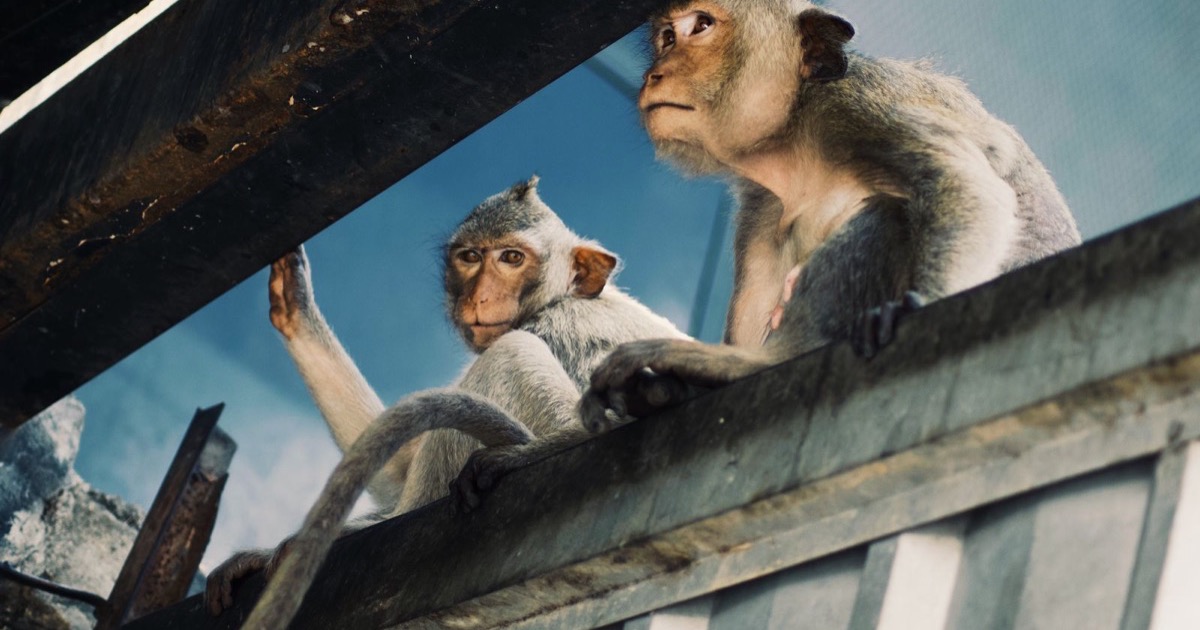

Traveling to regions where macaques roam can be unforgettable, but a solid monkey encounter safety guide is essential for any explorer. Understanding local wild
Traveling to regions where macaques roam can be unforgettable, but a solid monkey encounter safety guide is essential for any explorer. Understanding local wildlife interaction rules and preparing with monkey safety tips for travelers helps you stay comfortable and reduces the chance of an unwanted incident. From recognizing early signs of aggression to planning your meals wisely, this guide equips you with practical knowledge to enjoy the scenery without stress. Keep these strategies in mind, and your adventure will stay both thrilling and safe.
How can I recognize signs that a monkey is becoming aggressive?
Monkeys, especially male macaques during breeding season, display a set of clear warning signals before an attack. Look for stiffened posture, ears flattened against the head, and a sudden increase in vocalizations such as harsh screeches. These behaviors often accompany direct eye contact, which in macaque territorial behavior signals that the animal feels challenged.
Another red flag is the rapid flashing of teeth combined with a raised tail. If a monkey begins to pace back and forth or swipes the ground with its hands, it is asserting dominance and preparing to defend its space. Recognizing these cues early allows you to back away calmly, adhering to the monkey feeding prohibition that most parks enforce.
When you notice any of these signs, avoid sudden movements, keep your hands at your sides, and slowly increase the distance between you and the animal. This approach aligns with travel health monkey bites prevention guidelines and minimizes the risk of escalation.
What foods should I avoid carrying to prevent attracting monkeys?
Monkeys are opportunistic feeders and are drawn to sweet, aromatic, or high‑protein items. To reduce the likelihood of an encounter, leave behind bananas, dried fruit, candy, and any meat‑based snacks. Even seemingly innocuous items like granola bars can emit scent cues that trigger macaque curiosity.
Pack non‑attractive alternatives such as plain crackers, unsalted nuts in sealed containers, or dehydrated vegetables. Storing food in airtight bags and keeping them out of sight helps enforce the wildlife interaction rules set by most reserves. Remember that the monkey feeding prohibition applies not only to direct feeding but also to accidental food drops.
| Food Item | Attraction Level | Recommended Action |
|---|---|---|
| Bananas | High | Avoid carrying; substitute with plain rice cakes. |
| Dried fruit | High | Leave at home or keep sealed in a hard case. |
| Chocolate | Medium‑High | Do not pack; monkeys are drawn to sugar and scent. |
| Plain crackers | Low | Acceptable if stored in airtight container. |
| Unsalted nuts (sealed) | Low | Fine for travel; keep container closed. |
Beyond food, avoid wearing bright colors or flashy jewelry that can resemble the shiny objects monkeys sometimes collect. Protective clothing for monkey areas—such as long sleeves and trousers—also reduces the chance of a curious monkey attempting to snatch an item from your pocket.
Which months have the highest monkey activity in popular destinations?
Peak monkey activity months often coincide with breeding cycles and fruiting seasons. In Thailand’s Bang Saen mangrove trail, late May marks a surge in macaque movement as males become more territorial. Similar patterns appear in parts of Indonesia and Malaysia, where June through August see heightened activity due to abundant fruit supplies.
Travelers aiming to minimize encounters should consult a monkey season travel guide for each region. For instance, in Sri Lanka, the dry season from December to March generally experiences lower troop movement, while the monsoon months bring increased foraging behavior. Checking local wildlife calendars can help you plan around peak periods.
Even during high‑activity months, adhering to monkey encounter prevention measures—such as staying on marked paths, respecting signage, and carrying travel insurance for wildlife encounters—provides an extra layer of security. Local monkey sanctuaries often offer briefings on current troop behavior, making them valuable resources for up‑to‑date monkey behavior travel advice.
Are there specific clothing or gear recommendations for monkey‑prone areas?
Travelers who venture into habitats where macaque territorial behavior is common should choose clothing that minimizes visual and scent cues. Neutral earth tones—such as olive, khaki, or muted gray—blend with the forest floor and reduce the likelihood of triggering curiosity. Long sleeves and full‑length trousers protect skin from sudden swipes, while sturdy ankle‑height hiking boots create a barrier against quick foot grabs. A wide‑brimmed hat not only shields the eyes from sun glare but also prevents monkeys from easily accessing hair or headgear.
Beyond apparel, a few pieces of gear can make a tangible difference in monkey safety. A lightweight, zip‑close daypack with a reinforced base discourages monkeys from attempting to pry it open. Carry a small, non‑lethal deterrent such as a citronella‑based spray or a high‑frequency noise emitter; these devices emit sounds that are uncomfortable for primates but barely audible to humans. A reusable water bottle with a secure lid eliminates the temptation of spilled liquid, which can attract curious troops.
When packing, consider the weight and accessibility of items. Items that emit strong odors—like scented lotions or fruit‑scented toiletries—should be stored deep inside the pack. Keep any food in airtight containers and avoid packing snacks that are easy to break apart. By treating your gear as a sealed system, you reduce the chance of accidental feeding, a common trigger for aggressive encounters.
How do local regulations advise visitors to interact with monkeys?
Most jurisdictions that host wild macaque populations have codified wildlife interaction rules aimed at protecting both people and animals. The most consistent directive is a strict monkey feeding prohibition; even a single piece of fruit can be interpreted as an invitation to approach, and fines are often imposed for violations. Regulations also mandate a minimum distance—typically three meters—from any troop, especially during peak monkey activity months when groups are most defensive of their territory.
Authorities require visitors to report any aggressive behavior promptly, allowing park rangers to intervene before a situation escalates. In many protected areas, signage outlines the correct protocol for encountering a troop, and failure to follow these guidelines can result in removal from the site or legal penalties. Travel insurance policies that cover wildlife encounters are recommended, as they can offset medical costs arising from bites or scratches.
- Maintain at least a three‑meter buffer from any monkey, even if the animal appears calm.
- Never offer food, even if the monkey seems hungry; keep all edibles sealed.
- Store bags and personal items on the ground only when they are fully closed and secured.
- Observe all posted signs and heed ranger instructions without hesitation.
- Carry a copy of local wildlife regulations in your travel documents for quick reference.
What should I do if a monkey approaches me for food?
If a macaque moves toward you with a clear intent to obtain food, the first step is to remain still and avoid sudden movements. Speak in a calm, low voice while slowly backing away, keeping the animal within your peripheral vision. Do not make direct eye contact, as this can be perceived as a challenge. If the monkey reaches for an item, gently place the object on the ground and step aside, allowing the animal to retrieve it without feeling threatened.
In the event that a monkey succeeds in taking food or, worse, bites or scratches you, clean the wound immediately with soap and running water. Apply an antiseptic solution and cover the area with a sterile bandage. Seek medical attention as soon as possible, especially because monkey bites can transmit bacterial infections and, in rare cases, viruses such as rabies. Having travel health monkey bite coverage within your insurance plan can streamline access to appropriate treatment.
After the incident, report the encounter to the nearest park authority. Documentation helps officials monitor troop behavior patterns and adjust management strategies, which ultimately benefits future travelers. Remember that each interaction contributes to a broader understanding of macaque territorial dynamics, reinforcing the importance of adhering to established safety protocols.
How can I safely photograph monkeys without disturbing them?
Maintain a distance of at least 10 meters (30 feet) when using a zoom lens. This buffer allows you to capture natural behavior while keeping the animals’ flight zone intact. Sudden movements or bright flashes can trigger a defensive response, so opt for a silent shutter mode and avoid using a strobe. If you notice a monkey turning its head toward you, pause and let it settle before resuming the shot.
Respect the hierarchy within a troop. Dominant males often patrol the periphery and may interpret close focus as a challenge. Position yourself where subordinate members are active—typically on lower branches or near feeding sites—so the group’s attention remains dispersed. Wearing neutral‑colored clothing helps you blend into the environment, reducing the likelihood of being singled out as a threat.
What emergency steps should I take after a monkey bite?
Immediate first aid is critical because macaque saliva can carry bacterial pathogens such as *Streptococcus* and *Pasteurella*. Wash the wound thoroughly with clean water and mild soap for at least five minutes, applying gentle pressure to stop any bleeding. After cleaning, cover the area with a sterile dressing to minimize contamination.
Seek professional medical attention as soon as possible, even for minor punctures. A healthcare provider will assess the need for tetanus booster, rabies post‑exposure prophylaxis, and antibiotics. Document the incident by noting the location, time, and any observable behavior of the monkey; this information assists clinicians in evaluating infection risk.
| Time After Bite | Action |
|---|---|
| 0–5 minutes | Wash wound with soap and water; apply pressure. |
| 5–30 minutes | Apply sterile dressing; avoid touching the wound. |
| 30–120 minutes | Visit nearest clinic or hospital for professional evaluation. |
| 2–24 hours | Begin prescribed antibiotic course if advised; monitor for signs of infection. |
| 24+ hours | Follow up with healthcare provider; complete any rabies or tetanus protocol. |
Which destinations have the most reliable monkey safety guidelines?
National parks that employ dedicated wildlife rangers and enforce strict visitor briefings tend to have the lowest incident rates. In Southeast Asia, several protected areas provide multilingual signage, mandatory orientation sessions, and clearly marked “no‑feeding” zones. These measures are reinforced by regular patrols that intervene when tourists approach too closely.
Island reserves that limit daily visitor numbers also demonstrate strong compliance. By controlling crowd density, guides can maintain a calm environment for both humans and primates. Look for destinations that publish a detailed code of conduct on their official websites and require tourists to sign an acknowledgment before entering monkey habitats.
Practical Tips for Visiting Unknown
- Maintain a Safe Perimeter: Keep at least 10 meters away from any macaque group; use a zoom lens instead of approaching.
- Never Feed: Food attracts monkeys and encourages bold behavior; store snacks in sealed containers.
- Dress Appropriately: Wear long sleeves and trousers to protect skin from bites and scratches.
- Carry a First‑Aid Kit: Include antiseptic wipes, sterile dressings, and a small bottle of antibiotic ointment.
- Know the Local Protocol: Review the park’s safety brochure before entering; follow all ranger instructions without exception.
- Use Certified Guides: Hire guides who have completed official wildlife safety training and can read animal body language.
- Document Incidents Promptly: If a bite occurs, note time, location, and monkey behavior; this aids medical professionals and park officials.
Sources & Further Reading
Frequently Asked Questions About Unknown
What is the most common cause of monkey attacks on tourists?
Most incidents begin when visitors unintentionally provoke monkeys by offering food or displaying bright objects. Monkeys quickly associate humans with easy meals, leading them to approach aggressively when they sense a snack is nearby. Sudden movements or loud noises can also trigger a defensive response, especially during mating season. Understanding these triggers is a core element of any monkey encounter safety guide.
Can I bring food into a monkey sanctuary?
Generally, sanctuaries forbid personal food because it disrupts the animals’ natural diet and encourages dependence on humans. Some sites provide designated feeding platforms where staff distribute approved items under supervision; in those cases, visitors may be allowed to bring limited portions. Always read the posted regulations before entering, and respect any signage that says “no outside food.” Ignoring these rules can lead to fines and increased risk of aggressive behavior.
How do I report a monkey bite in a foreign country?
First, seek immediate medical attention at the nearest clinic or hospital, noting the exact location and time of the bite. Then, contact the local tourism office or park authority to file an official incident report, which often includes a reference number for insurance purposes. If you are traveling with a guide, ask them to accompany you to the health facility and help translate any paperwork. Keeping copies of all documents will simplify follow‑up with your home‑country embassy.
Are there any travel insurance policies that cover monkey‑related injuries?
Many comprehensive travel policies include coverage for animal bites, but the fine print varies widely. Look for riders that specifically mention “wildlife incidents” or “adventure activities” to ensure monkey bites are not excluded. Some insurers require a pre‑travel medical questionnaire that includes planned activities such as wildlife tours. Reviewing the exclusions section before purchase helps avoid surprise denials when you need to claim.
What should I do if a monkey steals my personal items?
If a monkey snatches a bag or phone, remain calm and avoid chasing, as sudden pursuit can provoke a defensive attack. Slowly back away while keeping the item in sight, and if possible, signal a nearby park ranger or guide for assistance. Secure your belongings in zip‑locked compartments or attach them to a belt when walking in known monkey habitats. Reporting the theft to park officials creates a record that may aid in retrieving the item.
Is it safe to feed monkeys in designated tourist areas?
Feeding is only safe when the activity is organized and supervised by trained staff who dispense appropriate food portions. Unregulated feeding encourages monkeys to become bold, increasing the likelihood of bites or property damage. In most tourist zones, local ordinances prohibit hand‑outs, and violators can face penalties. Always follow the instructions of guides and posted signs to keep interactions peaceful.
How can I tell the difference between friendly and aggressive monkeys?
Friendly monkeys typically display relaxed body language, such as a loose posture, soft vocalizations, and occasional grooming gestures. Aggressive individuals may stand upright, bar their teeth, emit loud alarm calls, or make sudden lunging motions toward a person. Direct eye contact combined with stiff shoulders often signals a challenge, while averted gaze suggests curiosity rather than hostility. Observing these cues helps you react appropriately and stay within the monkey encounter safety guide recommendations.
What first aid steps are needed for a monkey bite before reaching a clinic?
Immediately rinse the wound with clean running water for at least five minutes to remove saliva and debris. Apply a mild antiseptic solution, then cover the area with a sterile dressing and apply gentle pressure to control bleeding. Elevate the injured limb if possible to reduce swelling, and avoid using tourniquets. Prompt medical evaluation is essential, as rabies prophylaxis may be required depending on local disease prevalence, a point emphasized in the monkey encounter safety guide.
Do I need any vaccinations before traveling to monkey‑populated regions?
Health authorities generally recommend a tetanus booster and pre‑exposure rabies vaccination for travelers who will be in close contact with primates. Hepatitis A and B shots are also advised, especially if you plan to consume local food and water. Consulting a travel medicine clinic at least four weeks before departure allows time for the vaccine series to take effect. Keep a copy of your immunization record handy for any medical appointments abroad.
Are there any apps or resources that provide real‑time monkey activity alerts?
Several national park services offer mobile applications that push notifications about wildlife sightings, including monkey troop movements. Independent travel safety platforms sometimes integrate user‑generated reports, allowing visitors to see recent encounters near popular trails. Social media groups focused on eco‑tourism also share timely updates, but verify the information against official sources before acting on it. Combining these tools with a solid monkey encounter safety guide can greatly reduce surprise encounters.
By staying informed, respecting local regulations, and preparing for the unexpected, you can explore monkey‑rich destinations with confidence. This monkey encounter safety guide equips you with the knowledge needed to protect both yourself and the animals you admire. Safe travels, and enjoy the unique wildlife experiences that await.
Plan your trip
Tours, tickets & activities
Browse and book experiences, attraction tickets and day trips on Klook, with instant confirmation.
Explore experiences on KlookWe may earn a commission from bookings made through this link, at no extra cost to you.
Reviewed by our editor for Asia & the Middle East
Sarah ChenAsia & Middle East Editor
Travel writer covering Southeast Asia, East Asia and the Gulf — temples, street food and modern cities.
More articles by Sarah Chen →